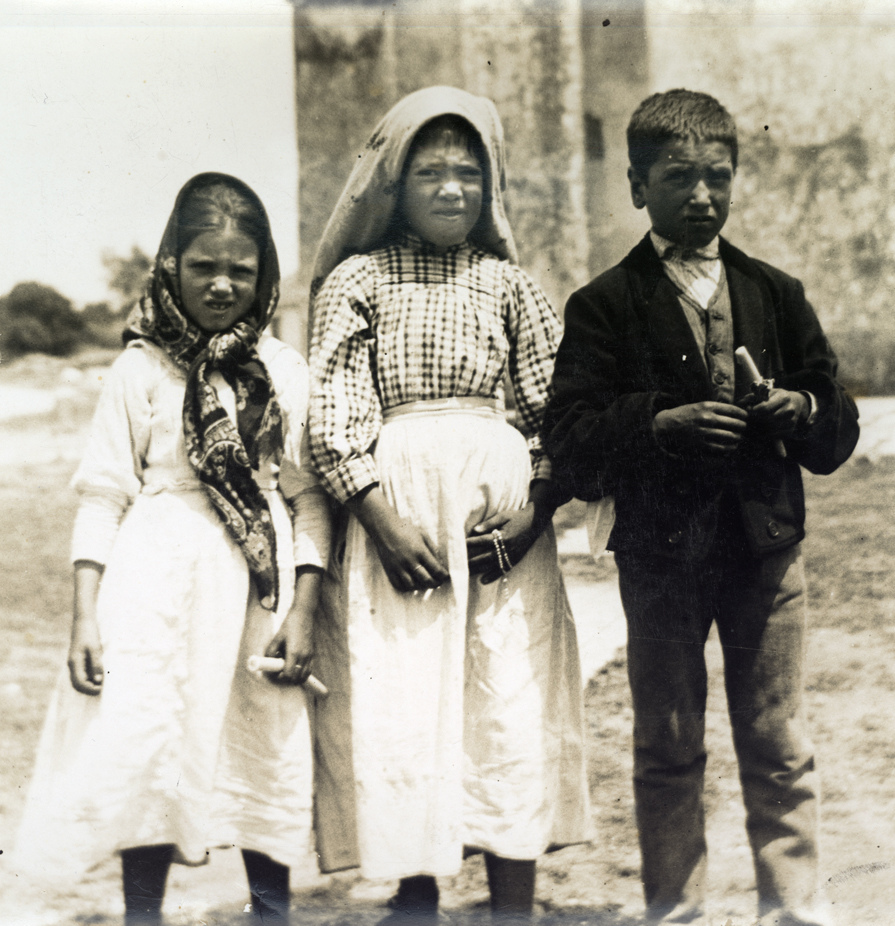
On September 19, 1846, the Mother of God appeared to the shepherd children Mélanie Calvat and Maximin Giraud above La Salette. She wept, wore a crucifix, and called for conversion: to honor God's name, keep Sunday holy, pray, and fast. The children were to convey her message to the people. After five years of investigation, Bishop Philibert de Bruillard recognized the apparition in 1851; his successor confirmed the judgment after further examination in 1855. Mary's tears and the cross on her breast belong together: the call to conversion leads to the crucified Redeemer.
The Mother of God appeared to Mélanie Calvat and Maximin Giraud as a weeping woman with a crucifix. She spoke intelligibly to the two shepherd children and charged them with passing on her call to prayer, reverence, and conversion.
The Weeping Mother of God on the Alpine Pasture
The encounter recorded by the children and recognized by the Church occurred on September 19, 1846. Maximin Giraud was eleven and Mélanie Calvat fourteen years old. While tending cows, they saw a luminous woman who was weeping. She wore a crucifix on her breast. She spoke of her Son and addressed the children in French and in the local dialect. They could thus understand the admonition. Mary entrusted them with a message to pass on to the people: a call to prayer, fidelity, and conversion.[1]
The Mission Entrusted to the Children
The public message laments disregard for Sunday and misuse of Christ's name. It calls for prayer and fasting and addresses the distress of the rural population. People are called to overcome their turning away from God. Mélanie and Maximin are to pass on these words. The admonition therefore opens a path: a person can respond to God's call and change his or her life. The severity of the distress addressed and the Mother of God's tears belong to the same maternal concern for humanity's salvation.[2]
Tears and Cross: Concern for Salvation
Mary's tears and the crucifix on her breast lead to the heart of the message. Sin is serious because Christ suffered for humanity's salvation. The Mother of God therefore calls people back to her Son. The diocesan interpretation emphasizes how directly the words address the shepherd children's world and how clear the mission to pass them on is. Mary acts as mother and intercessor. Her lament points to Christ's redemptive sacrifice; her admonition demands a concrete response in prayer and daily life.[4]
Two Bishops Confirm the Apparition
The testimony was investigated for five years. In his pastoral decree of September 19, 1851, Bishop Philibert de Bruillard recognized the apparition. His successor Jacques-Marie-Achille Ginoulhiac had the case examined further and confirmed the judgment in 1855. Recognition thus rests on traceable ecclesiastical proceedings extending beyond the tenure of a single bishop. Ginoulhiac also declared that transmitting the recognized message was now the Church's task. This responsibility places veneration within the life of the Church and preserves the children's original mission.[1][3]
Conversion and Reconciliation in Daily Life
The mission of La Salette continues the call to hope and reconciliation. The papal address to the missionaries in 2000 also emphasizes this task. Its fruits become visible in the lives of the faithful: reverent invocation of God, return to confession, celebration of Sunday, and efforts for peace. Such fruits belong to the spiritual assessment of an apparition. They show whether people receive the call given to them. Together with the original testimony and episcopal investigation, they reveal the shrine's enduring significance.[5]
Witnesses & Investigators
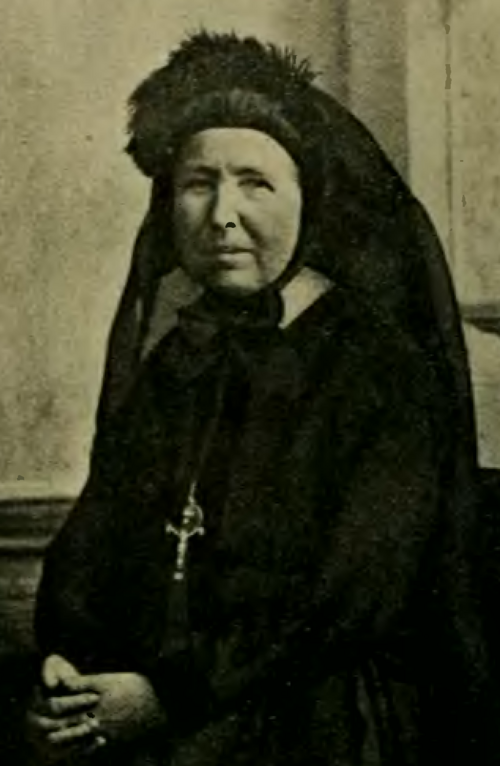
Mélanie Calvat
Shepherdess and witness to the apparition
One of the two direct witnesses to the apparition. Her later writings each constitute distinct, datable sources.[1][6]
Maximin Giraud
Shepherd boy and witness to the apparition
Fellow witness to the shared event of 1846.[1]
Philibert de Bruillard and Ginoulhiac
Responsible bishops
Investigated the event or confirmed its recognition.[1]
The unfolding story
- Encounter
The Mother of God appears to Mélanie and Maximin and charges them with passing on her message.[1]
- Examination
Diocesan investigation of the testimony.[1]
- Recognition
De Bruillard's favorable pastoral decree.[3]
- Confirmation
Ginoulhiac confirms after further examination.[1]
- Continuing Mission
Papal encouragement of the La Salette missionaries.[5]
Ecclesiastical assessment
Bishop Philibert de Bruillard recognized the apparition on September 19, 1851. Bishop Jacques-Marie-Achille Ginoulhiac confirmed the judgment after further investigation in 1855. This does not imply blanket recognition of every version of the secrets circulated later.
The Public Message and the Later Texts of the Secrets
Recognition of La Salette has a specific subject: the event of 1846 and the message examined. Alongside it, different versions of the secrets survive. The texts written down in 1851 and Mélanie's later, fuller publication must each be identified by date and version. An imprimatur for an edition is a different ecclesiastical act from recognition of an apparition. This distinction concerns the use of individual later passages. It leaves the recognized core untouched: the Mother of God called people to conversion, reverence for Christ, and the sanctification of Sunday.[6]
Objections & Answers
Does the Reference to Agriculture and Sunday Count against the Apparition?
No. A message addressed to specific people touches their lives. Work, harvest, hardship, and worship shaped the daily lives of the shepherd children and their families. The admonition began precisely there. Its lasting meaning is clear: people owe God reverence and must not make work the supreme master of their lives. The specific historical credibility was examined through the testimony and the ecclesiastical proceedings lasting several years. Individual later harvest events require their own evidence if cited as particular prophetic fulfillments. The original call to prayer and keeping Sunday holy remains unaffected.[2][3]
Does Recognition Also Apply Indiscriminately to Every Version of the Secrets?
Recognition applies to the event examined and its message. The secrets written down in 1851, later publications, and present-day applications each have their own dates of origin. Anyone quoting a specific passage must therefore identify its edition and ecclesiastical reception. An imprimatur is not the same decision as recognition of an apparition. This precise attribution protects the recognized call from being mixed with other material. The public message already carries its full seriousness: reverence for Christ, prayer, fasting, keeping Sunday holy, and conversion. Its validity requires no unsupported identifications with present-day individuals or fixed future dates.[1][6]
Meaning for faith
La Salette is a Marian apparition recognized by the Church with an urgent mission. The weeping Mother of God leads people to the crucified Christ and calls them to prayer and conversion. The original testimony and examination by two bishops form the firm foundation of its veneration.[1][2][5]
How Apparitions and Private Revelations Are Examined
Testimony, messages, spiritual fruits, and ecclesiastical decisions.
Methods of examination and ecclesiastical procedure →Sources & Evidence
Information on accessibility and scope helps you assess the evidence for yourself.
- [1] L’histoireOpen source · lasalette.cef.fr ↗
- [2] The Message of Our Lady of La SaletteOpen source · lasalette.org ↗
- [3] The Message of La SaletteOpen source · lasalette.org ↗
- [4] Année mariale : 1846–2021Open source · diocese-grenoble-vienne.fr ↗
- [5] Address to the General Chapter of the Missionaries of Our Lady of La SaletteOpen source · press.vatican.va ↗
- [6] La Salette: preserved writings of the SecretOpen source · miraclehunter.com ↗