Marian Apparitions
Message & Discernment

Marian Apparitions

Guadalupe, Lourdes, Fatima, and other apparition sites: the events, witnesses, messages, and ecclesiastical decisions.

Understanding the subject

Mary encounters people and calls them to Christ.

In Guadalupe, Mary encounters Juan Diego; in Lourdes, she speaks to Bernadette; in Fatima, she calls the shepherd children to prayer and conversion. The apparition accounts have names, places, and times. They have been transmitted through the statements of those involved, early records, and ecclesiastical inquiries.

Each dossier first presents the sequence of actions, messages, and accompanying events. The witnesses and investigation follow: their statements, the conduct of those involved, conformity with the faith, bodily or material findings, and spiritual fruits.

Ecclesiastical judgments are presented with their dates and specific content. Explicit recognition of apparitions and pastoral authorization have different scopes. Objections concerning testimony, circumstances, and individual examinations receive reasoned answers in the lower section.

The investigation in detail
Discover · compare · read further

The dossiers in this category.

Choose a place, period, or subject. Explore the same selection as dossiers, on the map, or in the timeline.

Investigative approach and ecclesiastical judgment →

Dossiers: 12

Marian Apparitions

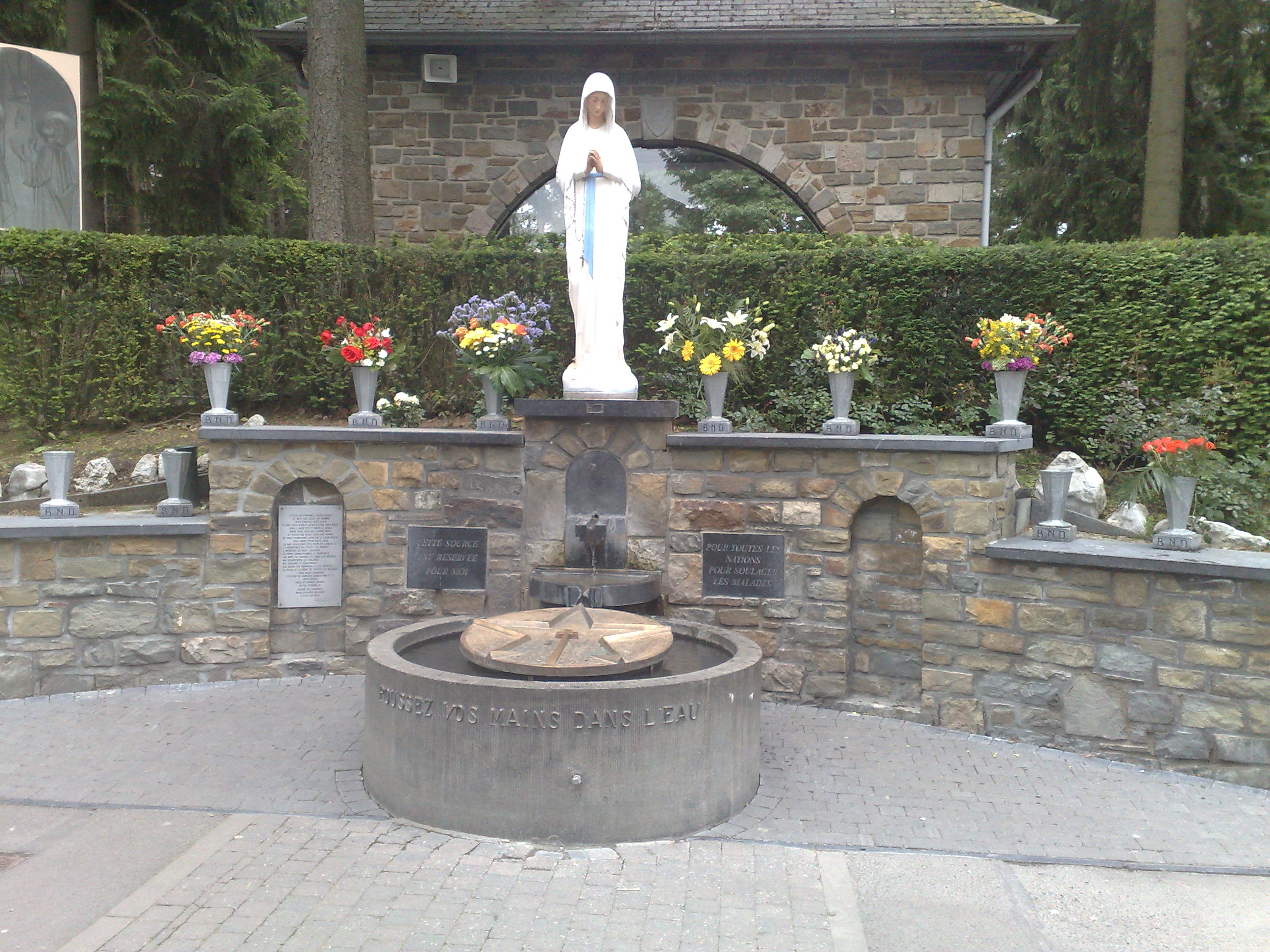
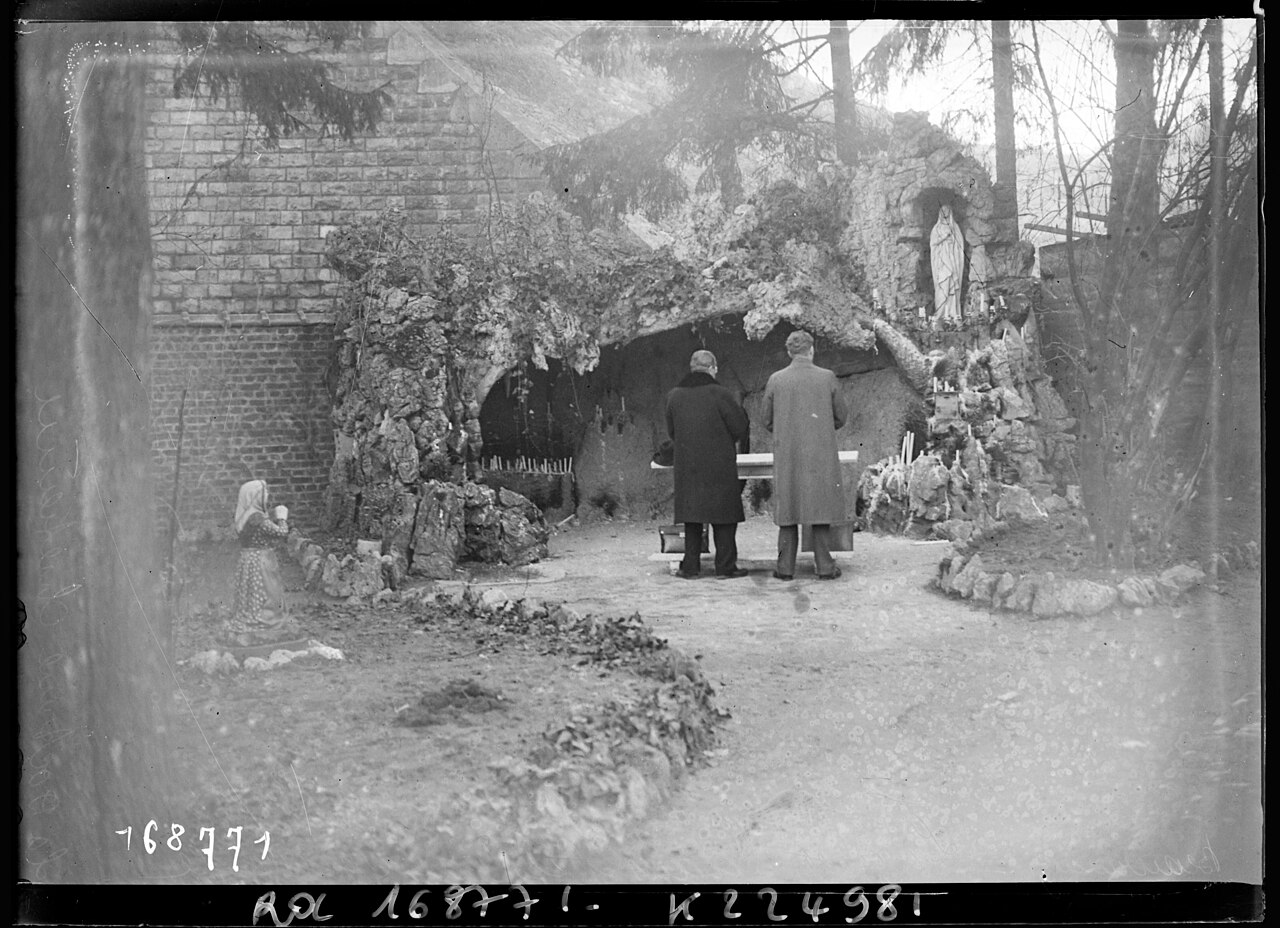
Banneux: The Virgin of the Poor

Banneux, Province of Liège · January 15 to March 2, 1933

On January 15, 1933, the Mother of God appeared to eleven-year-old Mariette Beco outside her family home in Banneux. In a total of eight encounters, she led the girl to a spring, called herself the Virgin of the Poor, and asked for prayer and a small chapel. She dedicated the spring to all nations and the relief of suffering. Bishop Louis-Joseph Kerkhofs had the events investigated over years and, in 1949, recognized the reality of the eight apparitions without reservation. Banneux thus became a pilgrimage site especially devoted to the poor and the sick.

Eight Apparitions Recognized in 1949Read →
Marian Apparitions

Beauraing: The Mother with the Golden Heart

Beauraing · November 29, 1932, to January 3, 1933

Between November 29, 1932, and January 3, 1933, the Mother of God appeared to five children from Beauraing a total of 33 times. Albert, Fernande, and Gilberte Voisin, along with Andrée and Gilberte Degeimbre, first saw her near the school and later by the hawthorn in the garden. Mary showed her golden heart and called for prayer, pilgrimage, and conversion. After years of investigation, the Church first permitted veneration. In 1949, Bishop André-Marie Charue expressly recognized the supernatural character of the apparitions; two examined healings also entered into his judgment.

Veneration Permitted in 1943; Recognized in 1949Read →
Marian Apparitions

Champion: Mary and the Children of the New Land

Champion, Wisconsin · October 1859; recognition December 8, 2010

In 1859, Belgian immigrant Adele Brise encountered the Mother of God three times in Wisconsin. Mary gave her a concrete mission: to instruct the children of settler families in the faith and pray for the conversion of sinners. Adele accepted the task. From her service grew instruction, a chapel, and a lasting pilgrimage. The shrine survived the great Peshtigo Fire of 1871 and became a place of special gratitude for the people. Following specialist examination, Bishop David Ricken recognized the supernatural character of the essential apparition events of 1859 in 2010.

Apparition Events of 1859 Recognized in 2010Read →
Marian Apparitions

Fátima: The Children and the Sign of the Sun

Cova da Iria near Fátima · May 13 to October 13, 1917

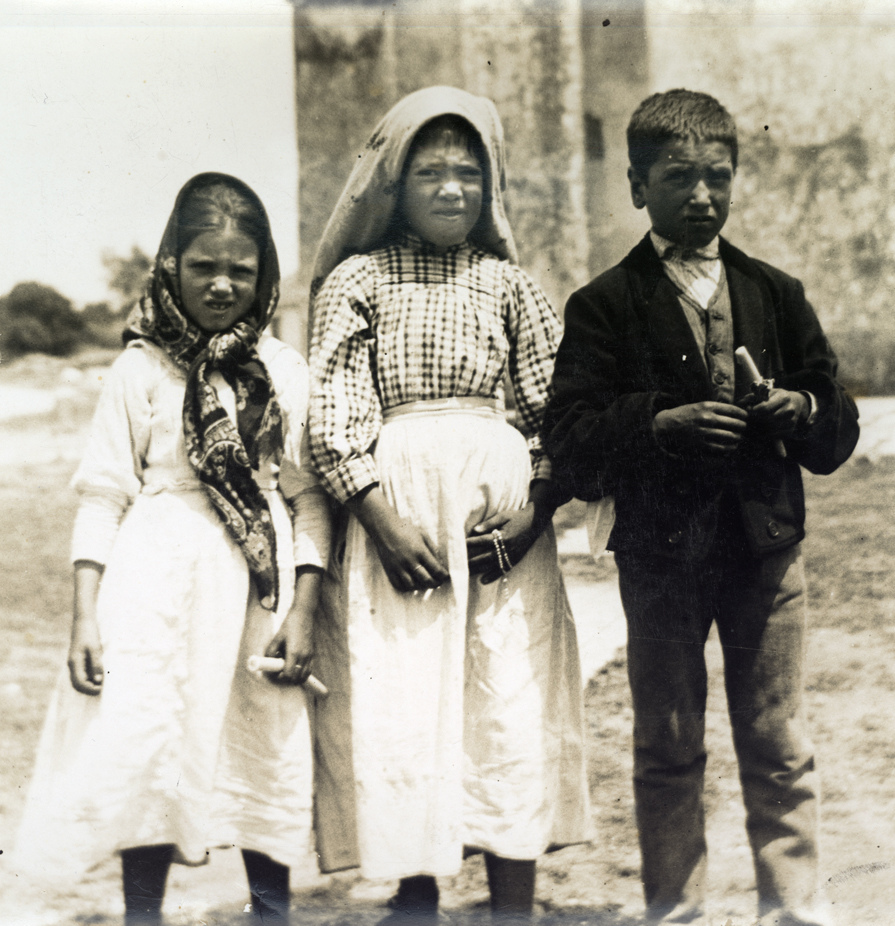
On May 13, 1917, the Mother of God appeared to the shepherd children Lúcia, Francisco, and Jacinta near Fátima. She called for prayer and conversion. For the conclusion of the encounters, she announced a public miracle. On October 13, many people gathered in the Cova da Iria and experienced the miracle of the sun: the striking colors and movements of the sun, also described by witnesses outside the children's circle. Questioning close to the events, press reports, and the subsequent ecclesiastical proceedings give Fátima an especially rich foundation of sources. In 1930, the responsible bishop declared the visions worthy of belief.

Visions Declared Worthy of Belief in 1930Read →
Marian Apparitions

Guadalupe: Juan Diego and the Image on the Tilma

Tepeyac, Mexico City · December 9–12, 1531

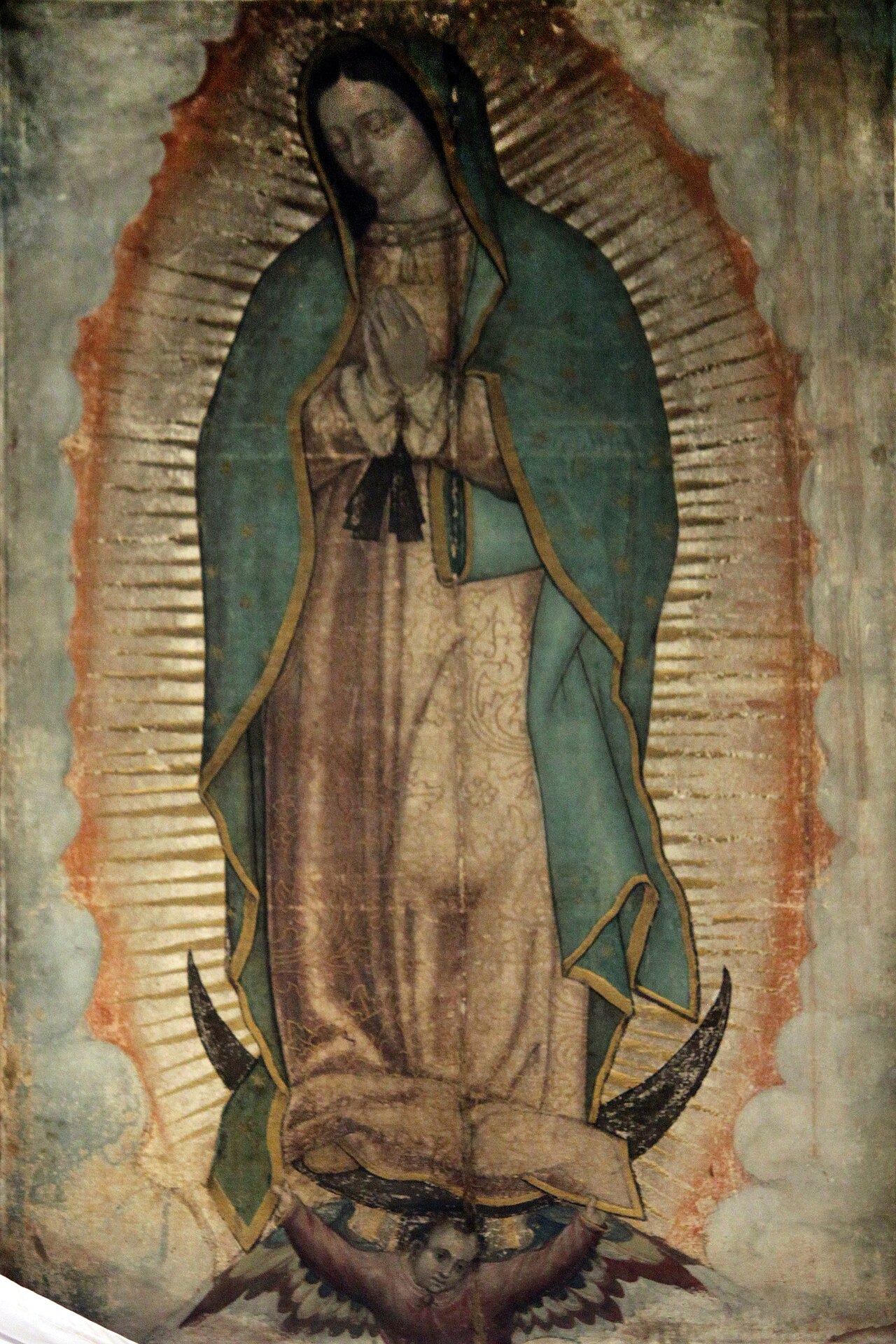
From December 9 to 12, 1531, Mary encounters Juan Diego at Tepeyac and charges him with asking Bishop Juan de Zumárraga for a shrine. When the bishop requests confirmation, Juan Diego brings him flowers; when he opens his cloak, the image of Mary appears on it. His uncle Juan Bernardino experiences healing at the same time. Juan Diego's testimony, the surviving tilma, and the history of its veneration stand at the center of this dossier.

Marian Shrine Venerated by the ChurchRead →
Marian Apparitions

Knock: The Silent Sign of the Lamb

Knock, County Mayo · August 21, 1879

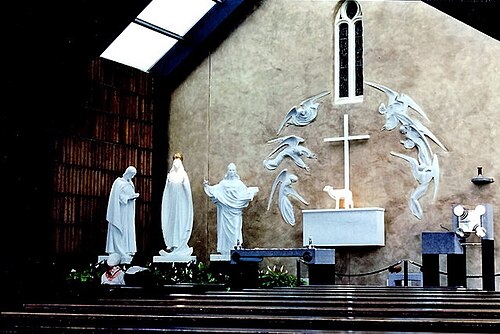
On the rainy evening of August 21, 1879, a bright, silent image appeared at the gable wall of Knock's parish church: Mary, Joseph, and John the Evangelist, alongside an altar with the Lamb, the cross, and angels. Villagers observed the event for about two hours. Only a few weeks later, their statements were recorded by the Church and judged credible. A further investigation questioned the surviving witnesses. From this shared testimony grew the pilgrimage to what is now an international Marian and Eucharistic shrine.

Favorable Assessments of Witnesses; International ShrineRead →
Marian Apparitions

La Salette: The Weeping Mother and the Call to Conversion

La Salette-Fallavaux, Dauphiné · September 19, 1846

On September 19, 1846, the Mother of God appeared to the shepherd children Mélanie Calvat and Maximin Giraud above La Salette. She wept, wore a crucifix, and called for conversion: to honor God's name, keep Sunday holy, pray, and fast. The children were to convey her message to the people. After five years of investigation, Bishop Philibert de Bruillard recognized the apparition in 1851; his successor confirmed the judgment after further examination in 1855. Mary's tears and the cross on her breast belong together: the call to conversion leads to the crucified Redeemer.

Recognized in 1851, Confirmed in 1855Read →
Marian Apparitions

Lourdes: Bernadette and the Immaculate Conception

Massabielle, Lourdes · February 11 to July 16, 1858

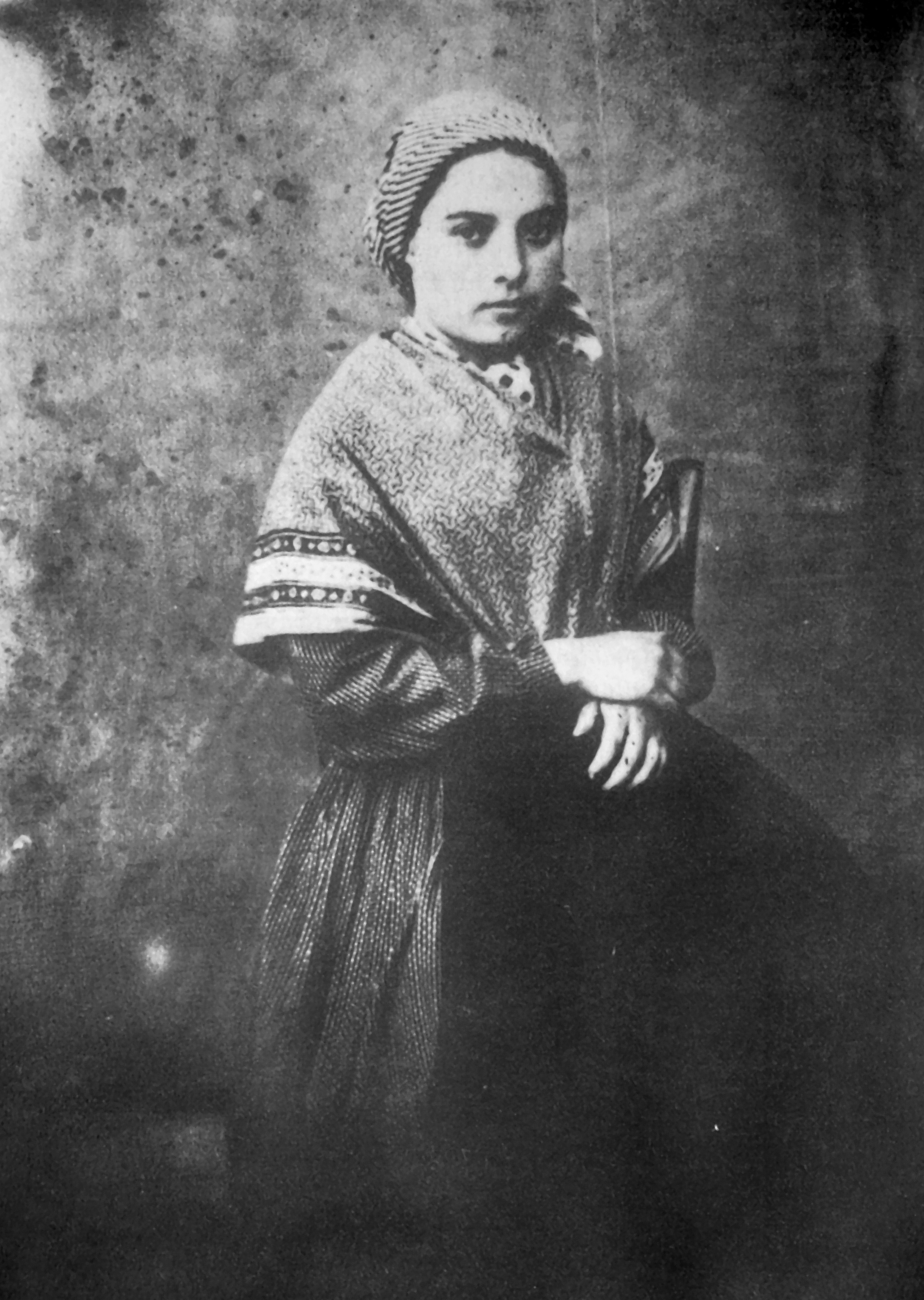
On February 11, 1858, the Mother of God appeared to fourteen-year-old Bernadette Soubirous in the grotto of Massabielle. Eighteen encounters took place through July 16. Mary called for prayer and penance, led Bernadette to the spring, and asked for a chapel and processions. On March 25, she gave her name: the Immaculate Conception. Bernadette remained faithful to her testimony under questioning and opposition. After several years of investigation, Bishop Bertrand-Sévère Laurence recognized the apparitions in 1862. From the place of encounter grew a shrine of prayer, conversion, and help for the sick.

Eighteen Apparitions Recognized in 1862Read →
Marian Apparitions

Notre-Dame du Laus: A Shrine of Reconciliation

Saint-Étienne-le-Laus, Hautes-Alpes · Apparition tradition 1664–1718; recognition in 2008

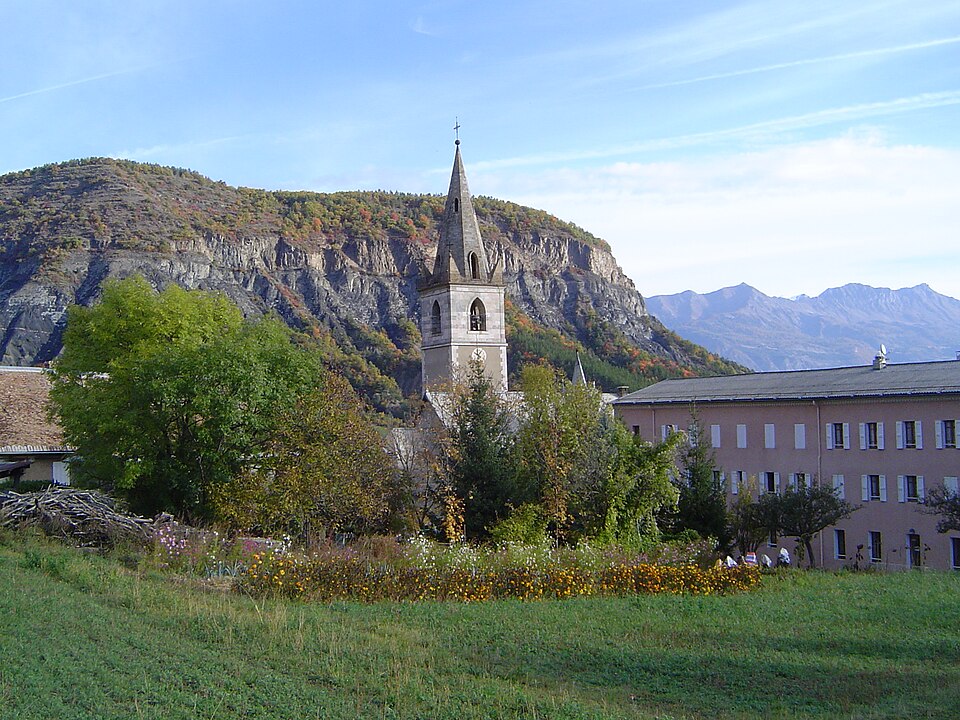
In May 1664, the young shepherdess Benoîte Rencurel encountered the Mother of God in the Vallon des Fours. Mary led her to the Bon Rencontre chapel, which became the center of a shrine of reconciliation. Benoîte accompanied pilgrims, encouraged them toward conversion, and led them to the Sacrament of Confession. Contemporary clergy and other companions recorded her life and statements in an extensive written tradition. The Church permitted pilgrimage as early as 1665. After renewed specialist investigation, Bishop Jean-Michel di Falco Léandri expressly recognized the supernatural character of the apparitions in 2008.

Apparitions Expressly Recognized in 2008Read →
Marian Apparitions

Pontmain: Hope on a Night of War

Pontmain, Mayenne · January 17, 1871

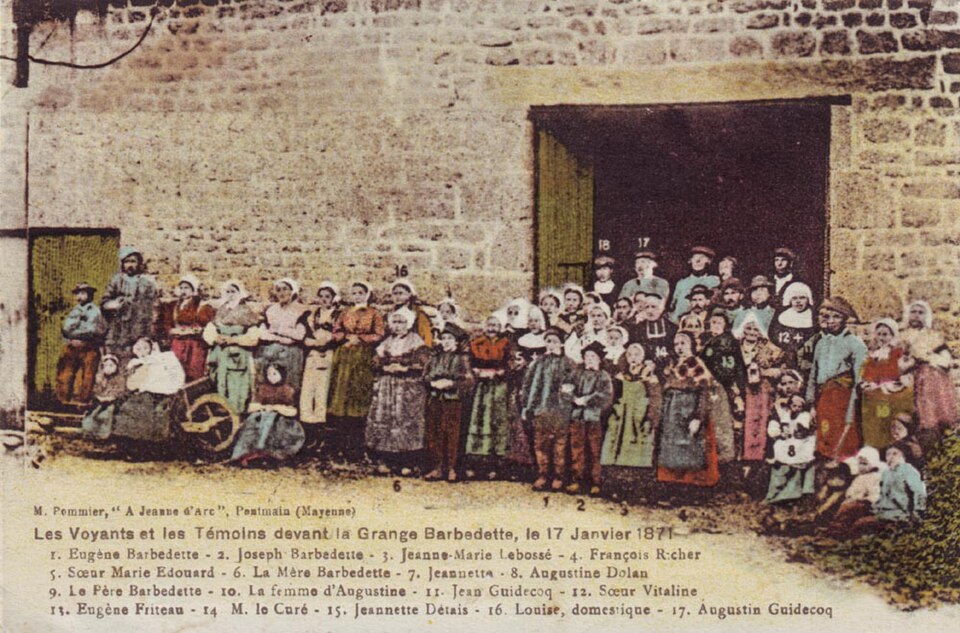
On the evening of January 17, 1871, the Mother of God appeared to four children above the village of Pontmain. France was at war; families feared for their relatives. While parish priest Michel Guérin prayed with the villagers, the children read the message on a banner: to pray perseveringly and trust that God would hear them. Eugène and Joseph Barbedette, Françoise Richer, and Jeanne-Marie Lebossé attest to the event. Following investigation, Bishop Casimir Wicart expressly recognized the apparition on February 2, 1872. Pontmain became a place of hope and intercession.

Recognized by the Bishop on February 2, 1872Read →
Marian Apparitions

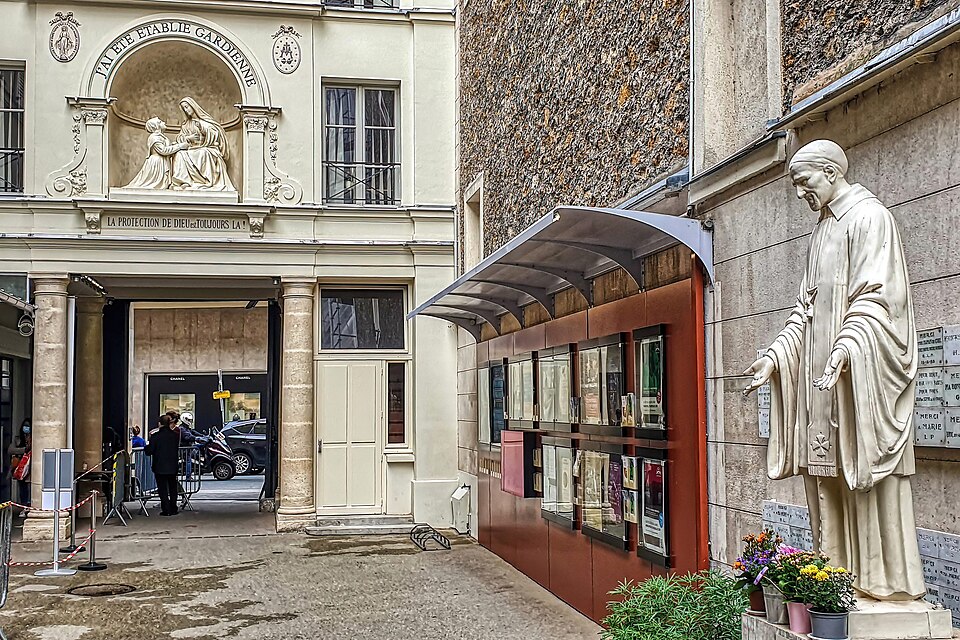
Rue du Bac: The Apparitions and the Miraculous Medal

Rue du Bac, Paris · July to December 1830

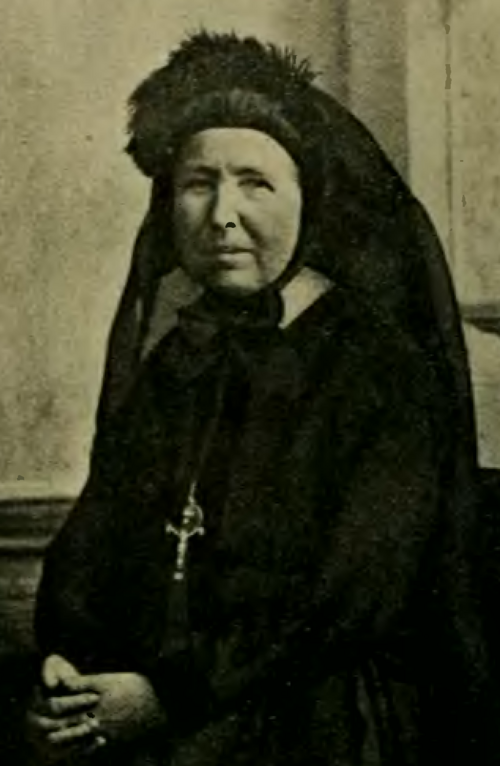
In the Rue du Bac in Paris, the Mother of God encountered the young religious sister Catherine Labouré in 1830. During the night of July 18–19, she spoke with her in the chapel; on November 27, she showed her the image for the later Miraculous Medal. Catherine entrusted the encounters to her confessor Jean-Marie Aladel. With ecclesiastical permission, the first medals were struck in 1832. They spread rapidly as prayerful signs of trust in God's grace. Catherine herself remained in hidden service to the elderly. Her canonization and the liturgical reception of devotion to the medal anchored this history in the Church's life.

Veneration and Medal Devotion Supported by the ChurchRead →
Marian Apparitions

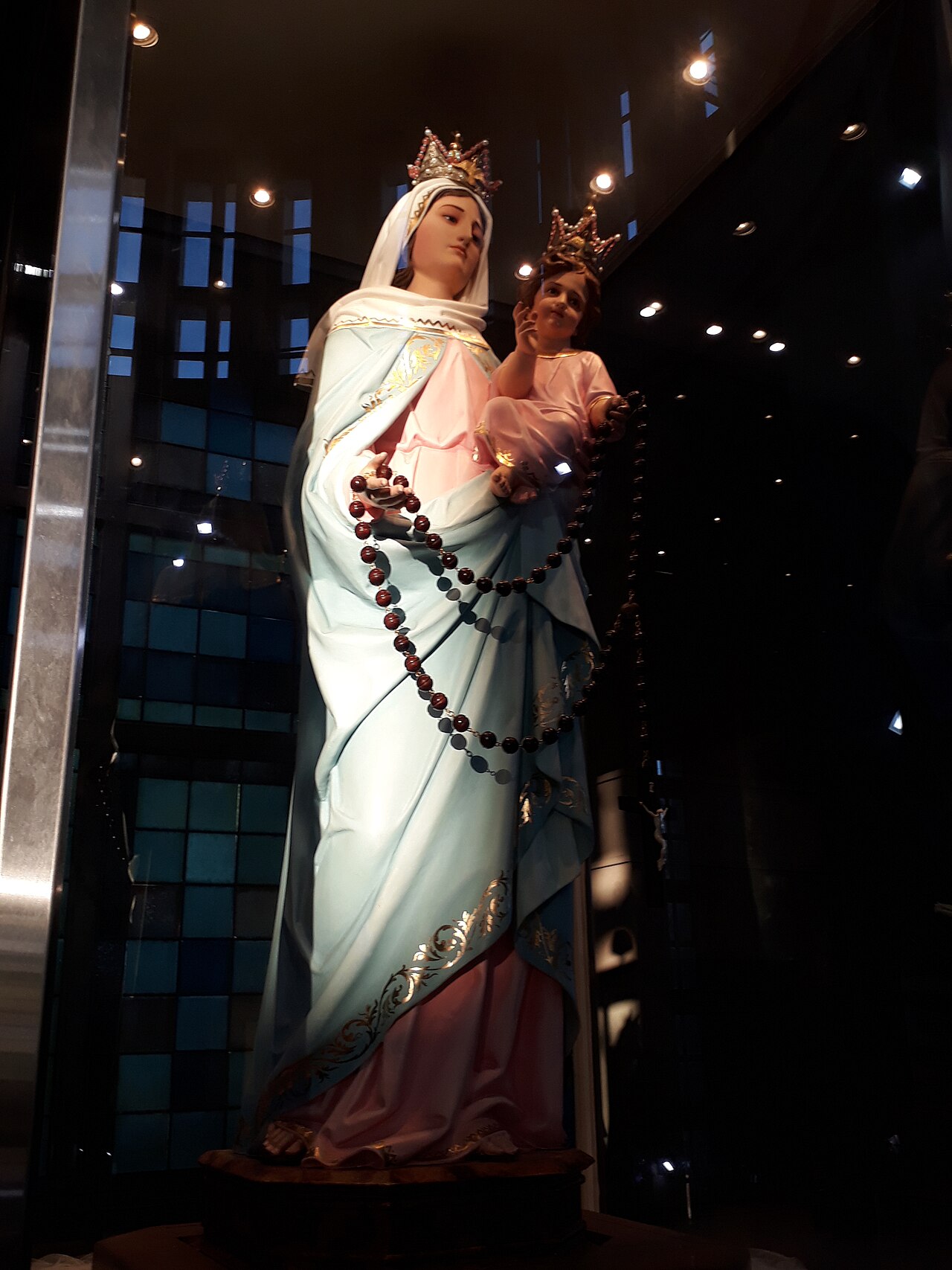
San Nicolás: The Mother of the Rosary on the Paraná

San Nicolás de los Arroyos · Since September 25, 1983; judgment of May 22, 2016

On September 25, 1983, the Mother of God encountered Gladys Quiroga de Motta in San Nicolás. The mother of two daughters confided in a priest and passed on the messages received: praying the Rosary, conversion, and fidelity to Christ. In an older statue of Our Lady of the Rosary, she recognized the figure from her encounters. From the events grew a major pilgrimage with its own shrine. After many years of ecclesiastical accompaniment and consultation with specialists and witnesses, Bishop Héctor Cardelli recognized the supernatural character of the Marian events in his diocese in 2016.

Diocesan Recognition of May 22, 2016Read →
Miracles · Catholon · EnglishUnderstand the relevant investigative approach · Image credits