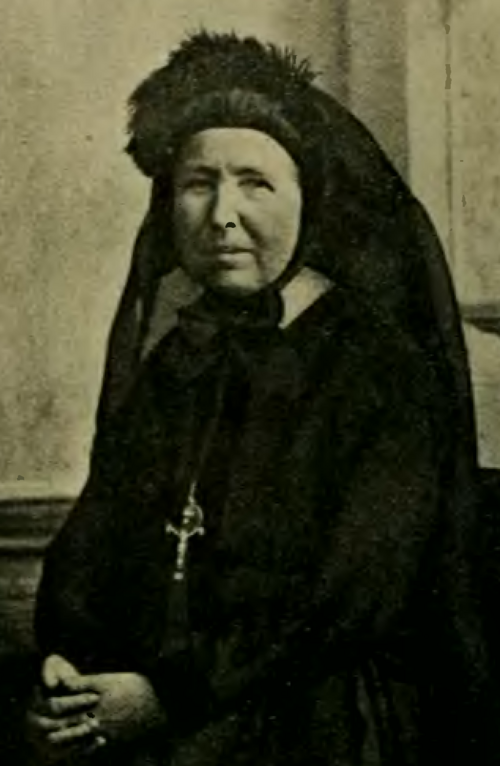
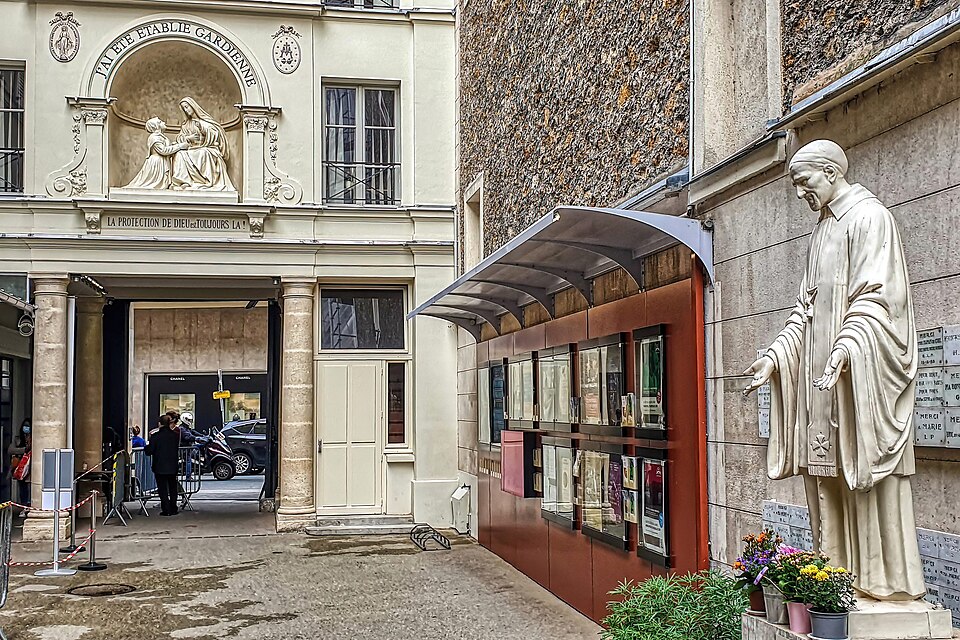
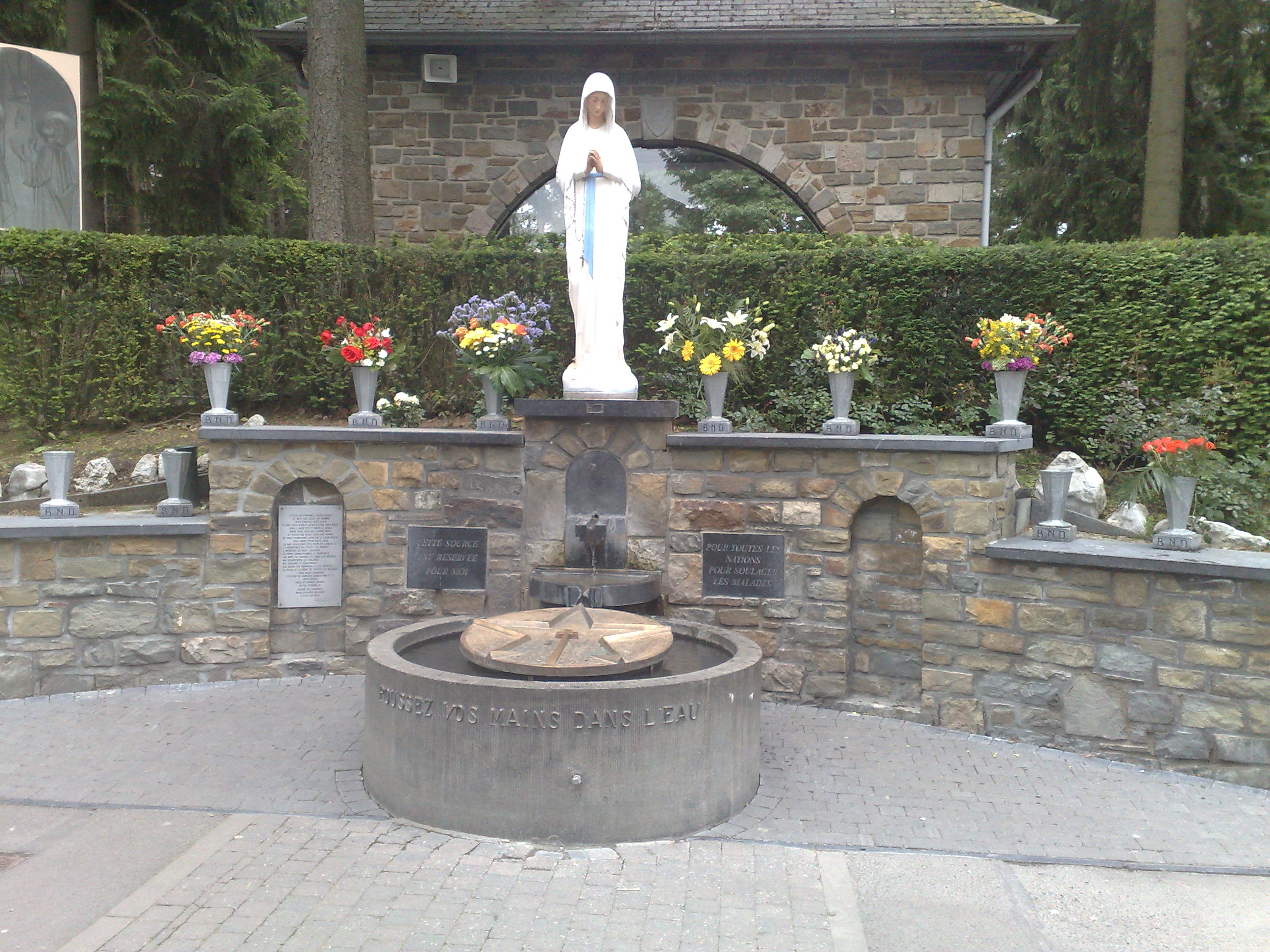
In May 1664, the young shepherdess Benoîte Rencurel encountered the Mother of God in the Vallon des Fours. Mary led her to the Bon Rencontre chapel, which became the center of a shrine of reconciliation. Benoîte accompanied pilgrims, encouraged them toward conversion, and led them to the Sacrament of Confession. Contemporary clergy and other companions recorded her life and statements in an extensive written tradition. The Church permitted pilgrimage as early as 1665. After renewed specialist investigation, Bishop Jean-Michel di Falco Léandri expressly recognized the supernatural character of the apparitions in 2008.
The Mother of God encountered Benoîte Rencurel and entrusted her with establishing a place of prayer and reconciliation. The shepherdess led pilgrims to conversion and confession; her companions preserved her statements and life at the shrine.
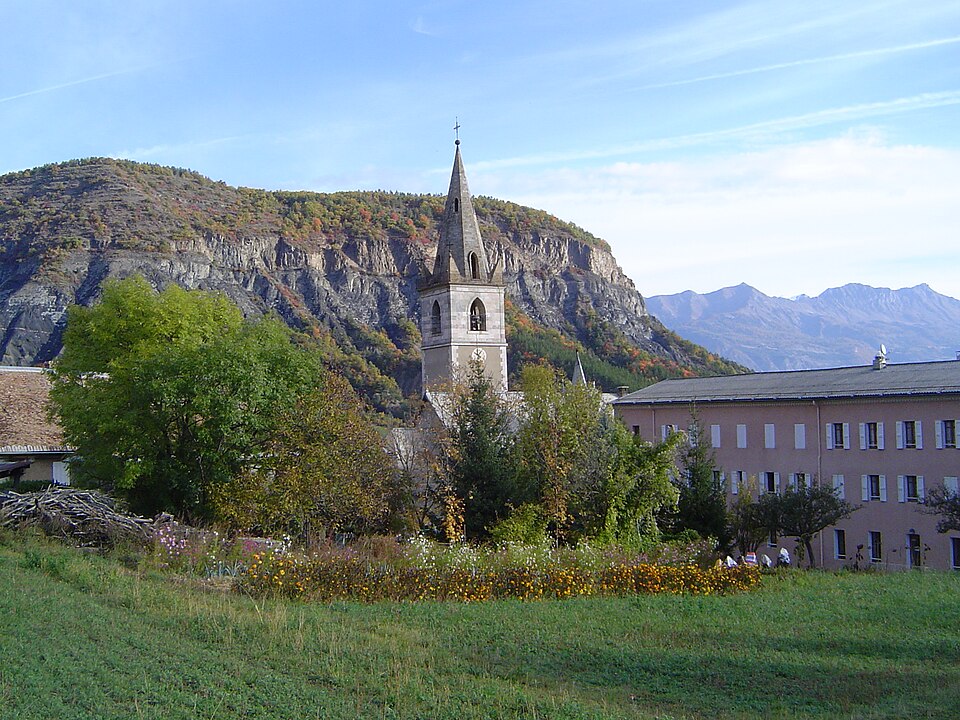
Mary Encounters the Shepherdess Benoîte
The shrine's history rests on Benoîte's statements and her companions' records. Benoîte Rencurel, born in 1647, grew up in humble circumstances. In May 1664, she encountered the Mother of God in the Vallon des Fours. Later, the Bon Rencontre chapel became the center of these encounters and the emerging pilgrimage. The mission was clear: people were to turn back to God and find reconciliation. Benoîte welcomed pilgrims, spoke with them, and led them to confession. The priests administered the sacrament, while the shepherdess assisted them through her own service.[1][2]
Bon Rencontre Becomes a Place of Reconciliation
The Bon Rencontre chapel became a destination for people seeking consolation and a new beginning. Benoîte's service directed them to Christ and confession. The shrine thus grew from the mission she had received: to make conversion possible and reconcile people with God again. The personal encounter with the shepherdess led onward to prayer and the sacraments. This reveals the inner unity of the events. Mary directs the pilgrims to her Son; the confessors undertake the sacramental ministry for which Benoîte prepares the visitors.[2]
An Enduring Path of Conversion
The shrine's places still form a connected path of prayer: recollection, conversion, reconciliation, and hope. Pilgrims thus follow the mission that shaped Benoîte's life. The history of Laus is visible in the chapel and pathways as well as in the preserved writings of her companions. Those who come encounter a long-established practice of prayer and confession. The traditional call of the Mother of God receives its enduring form in this service: people find help to order their lives before God and begin anew.[4]
The Contemporary Records
François Grimaud, Jean Peytieu, Pierre Gaillard, and François Aubin preserved accounts of Benoîte and the shrine's beginnings. They accompanied her life, spoke with her, or collected statements. Jean Peytieu was her confessor for many years; Pierre Gaillard became an important chronicler. The extensive manuscript tradition makes it possible to trace individuals, events, and the site's development over a long period. In each case, one can ask whether an author records a personal observation, a communication from Benoîte, or another report. Attribution by name makes this comparison possible.[1][5]
The Investigation and Judgment of 2008
The Church had permitted pilgrimage as early as 1665. A later review of its history showed that explicit formal recognition of the apparitions was still outstanding. Between 2005 and 2007, theological, historical, and scientific specialists were therefore assigned to the case. Following examination and the assent of the Congregation for the Doctrine of the Faith, Bishop Jean-Michel di Falco Léandri recognized the supernatural character of the apparitions on May 4, 2008. The judgment built on centuries of veneration and the surviving sources. The long prior history explains why the cult and formal recognition have different dates.[1]
The Lamp Oil and Prayer for Healing
The use of oil from its lamp belongs to the shrine's practice. The explanation from Laus connects this gesture with prayer and the presence of Christ. Through it, pilgrims entrust themselves to God's care and ask for healing or strength. The oil belongs to a practice of prayer; it is neither a sacrament of its own nor a medically established medicine. Accounts of physical healings each require examination of the course of illness. The gesture's spiritual meaning endures even where someone experiences no physical recovery: the person brings distress before God and entrusts himself or herself to him.[3]
Witnesses & Investigators
Benoîte Rencurel
Witness to the apparitions
Her experiences are preserved through her own communications and writers from her circle.[1]
Jean Peytieu
Priest and companion
Longtime confessor and author; witness to her life and transmitter of statements.[1][5]
Pierre Gaillard
Clerical chronicler
Wrote important records of Benoîte's life and the shrine; his texts belong to the historical source material.[1][5]
François Aubin
Collector and companion
The unfolding story
- Benoîte's Birth
Benoîte Rencurel is born in Saint-Étienne.[1]
- Beginning of the Apparitions
Benoîte encounters Mary in the Vallon des Fours; Bon Rencontre later becomes the center.[1]
- Pilgrimage Permitted
The pilgrimage site's ecclesiastical reception begins.[1]
- Benoîte's Death
The long life of the shepherdess and spiritual companion comes to an end.[1]
- New Specialist Examination
Commissions investigate the recorded case.[1]
- Explicit Recognition
Di Falco publishes the favorable judgment.[1]
Ecclesiastical assessment
Bishop Jean-Michel di Falco Léandri recognized the supernatural character on May 4, 2008, after several specialist commissions had worked and the Congregation for the Doctrine of the Faith had given its assent. The pilgrimage permitted since 1665 was an earlier, distinct step.
Objections & Answers
Are Chroniclers from Benoîte's Circle Reliable Witnesses?
Their closeness is initially an important strength: they could observe Benoîte's conduct, converse with her, and accompany the shrine's development over a long period. Jean Peytieu was her confessor; other authors known by name preserved the accounts. Religious attachment does not make their statements worthless. Comparison must distinguish which observation an author made personally and which communication he adopted. These very questions of origin belong to historical work. The renewed ecclesiastical examination and explicit judgment of recognition in 2008 give additional weight to the overall tradition.[1][5]
Which Events Does the Recognition of 2008 Encompass?
It recognizes the supernatural character of the examined series of apparitions. This favorable judgment can be stated clearly. It does not automatically confirm every individual story later associated with the place somewhere. For an additional healing account, its witnesses, records, and course remain decisive. Such precise attribution takes nothing from the recognized message: the mission of conversion, confession, and reconciliation is the firm center of Laus. Pilgrims can trust it without having to accept every later communication indiscriminately.[1][2][4]
Meaning for faith
Notre-Dame du Laus possesses an extensive contemporary tradition and an explicit recognition of the supernatural character of the apparitions. The mission entrusted to Benoîte remains alive at the shrine: to lead people to conversion, confession, and reconciliation with God.[1][2][5]
How Apparitions and Private Revelations Are Examined
Testimony, messages, spiritual fruits, and ecclesiastical decisions.
Methods of examination and ecclesiastical procedure →Sources & Evidence
Information on accessibility and scope helps you assess the evidence for yourself.
- [1] Histoire de Notre-Dame du LausOpen source · sanctuaire-notredamedulaus.com ↗
- [2] Bon RencontreOpen source · sanctuaire-notredamedulaus.com ↗
- [3] Recevoir l’huile du LausOpen source · sanctuaire-notredamedulaus.com ↗
- [4] Les parcours spirituelsOpen source · sanctuaire-notredamedulaus.com ↗
- [5] Notes biographiques sur les historiens de Notre-Dame du Laus
Finding-aid reference; no claim to have consulted all the unpublished archival material.
Open source · francearchives.gouv.fr ↗