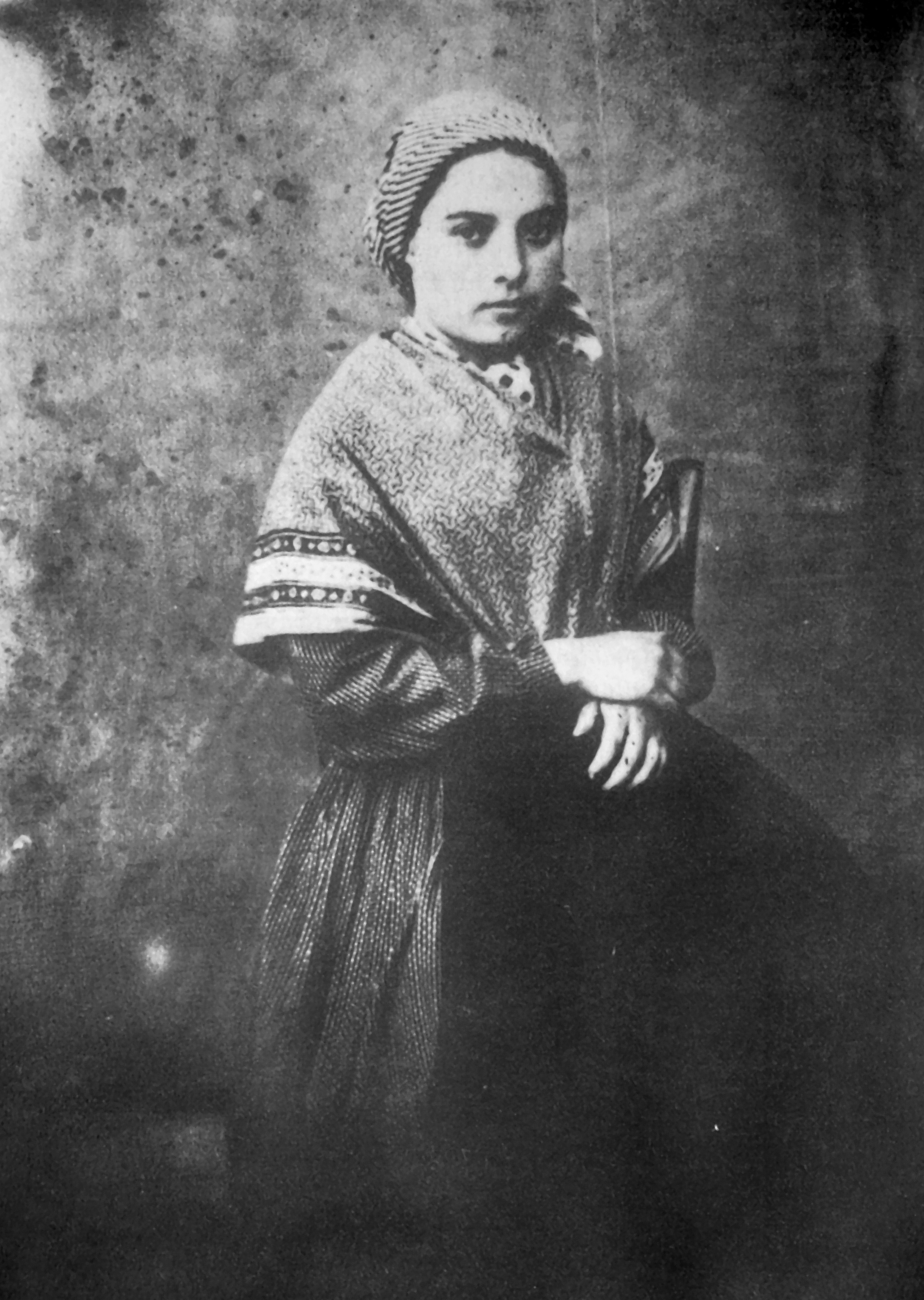
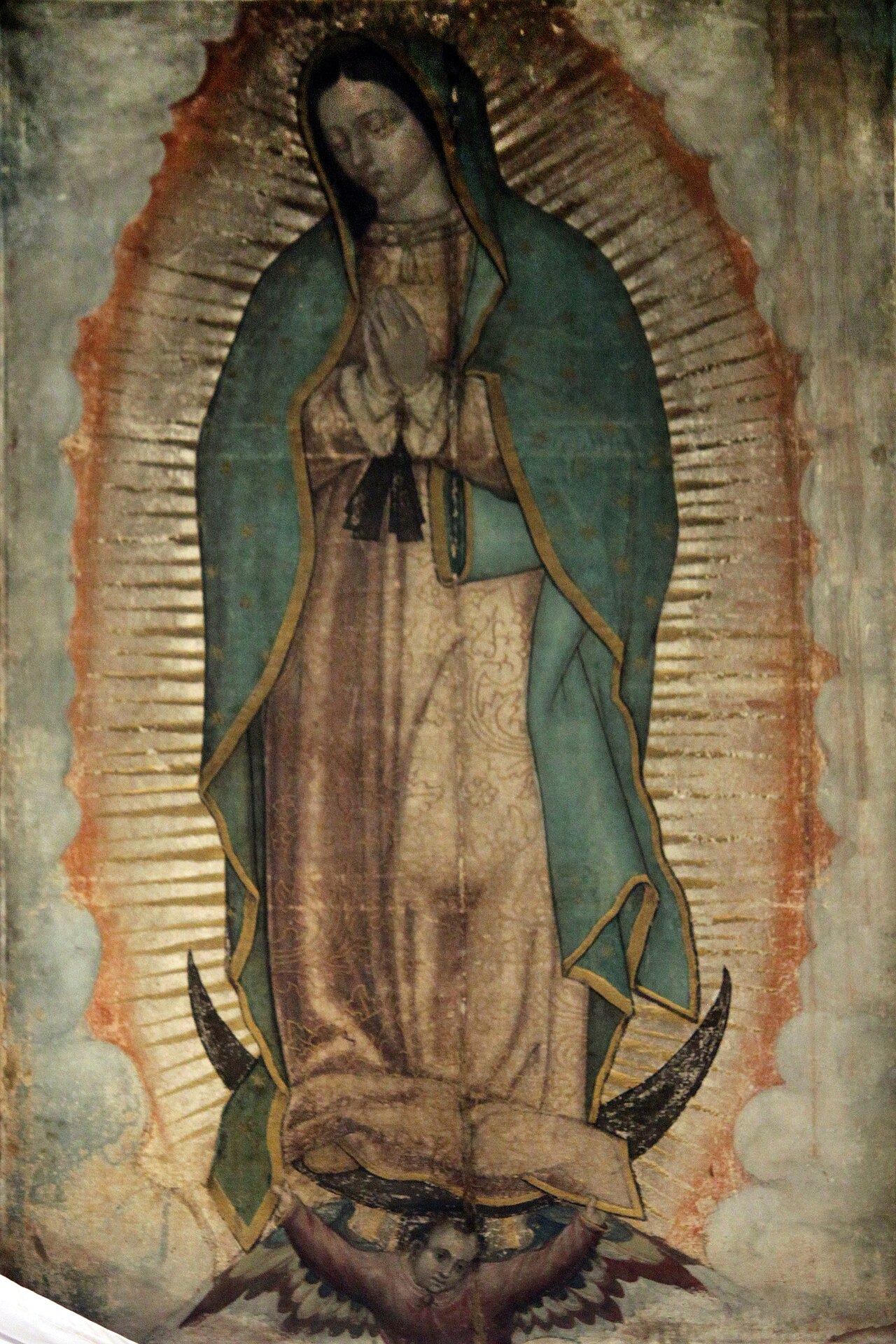
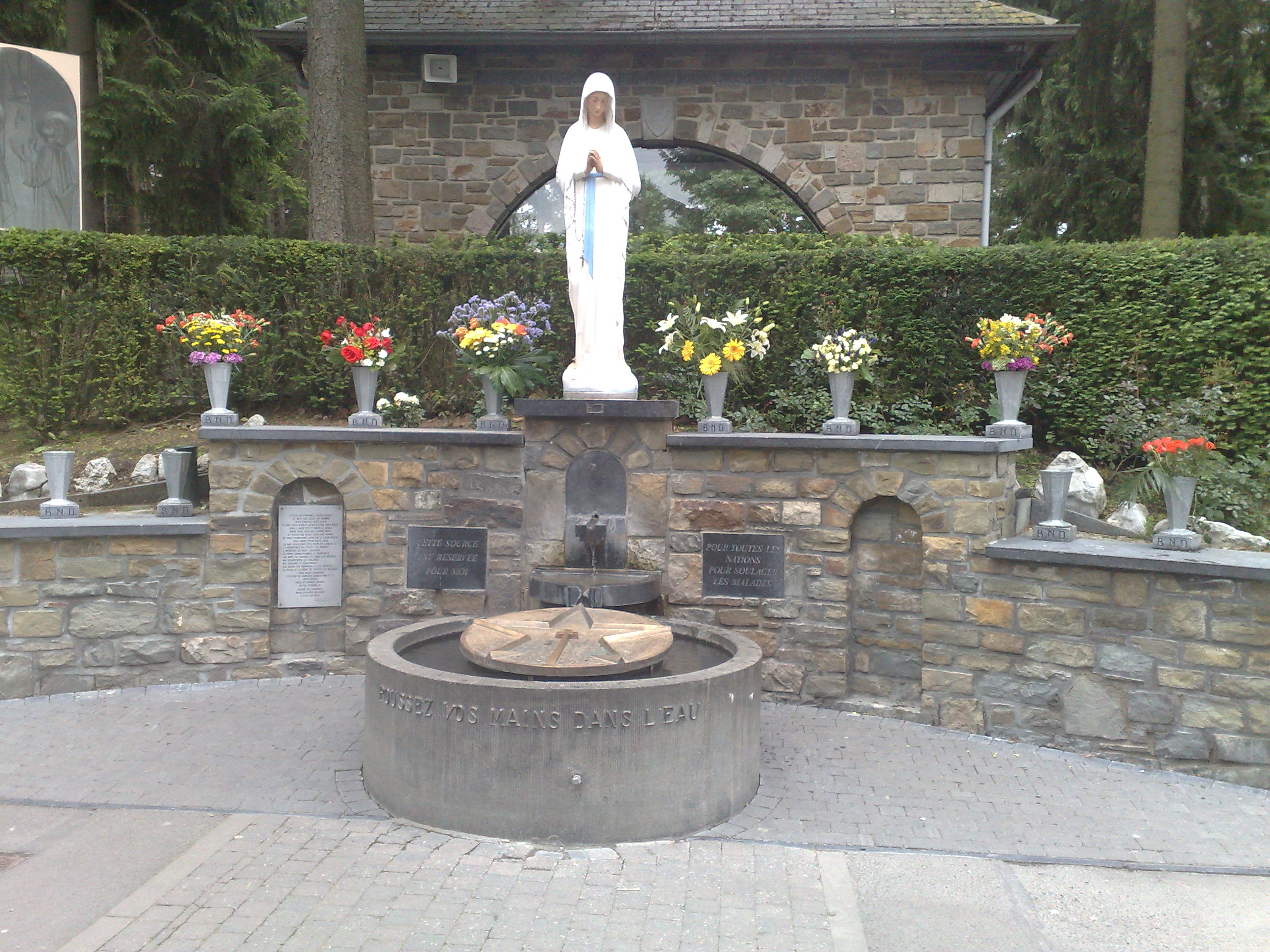
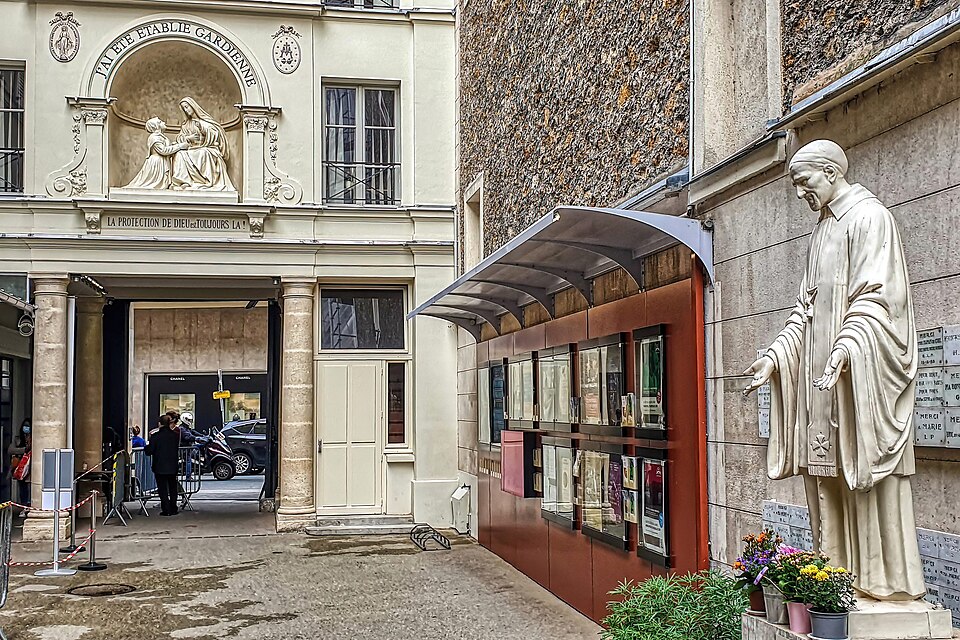
In the Rue du Bac in Paris, the Mother of God encountered the young religious sister Catherine Labouré in 1830. During the night of July 18–19, she spoke with her in the chapel; on November 27, she showed her the image for the later Miraculous Medal. Catherine entrusted the encounters to her confessor Jean-Marie Aladel. With ecclesiastical permission, the first medals were struck in 1832. They spread rapidly as prayerful signs of trust in God's grace. Catherine herself remained in hidden service to the elderly. Her canonization and the liturgical reception of devotion to the medal anchored this history in the Church's life.
Catherine Labouré testifies to encounters with the Mother of God in the Paris chapel. On November 27, 1830, Mary showed her the design of the Miraculous Medal. Catherine passed on the mission through her confessor; the striking authorized by the Church began in 1832.
Catherine: Novice and Servant of the Poor
Catherine Labouré came from Fain-lès-Moutiers and entered the Daughters of Charity in 1830. The apparitions occurred during her Paris novitiate. After that period, she devoted decades of her life to the elderly at the hospice of Reuilly. She remained in ordinary religious service and sought no public position as a seer. This life belongs to the character of her testimony: the grace received led her into prayer and active love. Through her daily work, the sister later canonized gave enduring expression to the trust associated with the medal.[1]
The Encounters in the Chapel
Catherine's own communications, preserved through her confessor and written versions, form the foundation. During the night of July 18–19, 1830, she went to the chapel and encountered Mary there. She spoke with the Mother of God. On November 27, the vision from which the Miraculous Medal emerged followed. Mary appeared with the symbols later transferred to the medal. Catherine entrusted these encounters to Jean-Marie Aladel. He became the intermediary of the mission and accompanied the path to the first striking.[4][5]
The Image of the Miraculous Medal
On the front, the medal shows Mary standing on the globe, the serpent beneath her feet, and her outstretched hands. Rays flow from them, illustrating the graces sought in prayer. On the reverse are the cross, Mary's initial, and the hearts of Jesus and Mary. The whole image leads to Christ and his Mother's intercession. The two sides belong together: redemption through the cross, maternal accompaniment, and the invitation to prayer. Those who wear the medal recall this relationship and entrust their concerns to God's grace.[2]
Trust Taking Shape in Daily Life
Catherine's service in the hospice shows the direction of life given by the mission received. The medal leads to prayer; prayer should become effective in love of neighbor. Those who wear the sign can recall in daily life Mary's intercession, Christ's cross, and the self-giving of both hearts. The sister lived this orientation in often inconspicuous service to the elderly. Her fidelity connects the extraordinary encounter with ordinary tasks. In this, the Miraculous Medal remains a familiar sign of prayer bringing trust and active love together.[1][2]
The First Medals of 1832
Jean-Marie Aladel initially received Catherine's communications with reserve. With the assent of Archbishop Hyacinthe-Louis de Quélen of Paris, the first medals were struck in 1832. Their rapid spread coincided with a severe cholera epidemic. Accounts of special help and answered prayers accompanied them and contributed to their name. This course of origin is historically traceable: from Catherine through her confessor to the striking permitted by the Church and widespread distribution. Individual healings must each be assessed through their own testimonies and records.[3]
Investigation and Ecclesiastical Veneration
A canonical investigation began in 1835. According to the chapel's history, it remained unfinished because Catherine wished to preserve her anonymity. Subsequent ecclesiastical reception is nevertheless clearly documented: striking the medal had been permitted, the devotion was received liturgically, and Catherine was canonized in 1947. These acts support the devotional life surrounding the Miraculous Medal. Each has a specific subject. The history can therefore be presented through its actual decisions without inferring a completed apparition decree from the unfinished proceedings.[3]
Witnesses & Investigators
Catherine Labouré
Witness to the apparitions
Bearer of the accounts; later served for many years at the hospice of Reuilly.[1][4]
Jean-Marie Aladel
Confessor and intermediary
Received Catherine's communications and mediated the path toward ecclesiastical examination and the striking of the medal.[3]
Hyacinthe-Louis de Quélen
Archbishop of Paris
Permitted the first medals to be struck.[3]
The unfolding story
- Birth
Catherine Labouré is born in Fain-lès-Moutiers.[1]
- Nighttime Encounter
Catherine encounters the Mother of God in the Paris chapel.[5]
- Vision of the Medal
The traditional image becomes the basis of the medal.[2]
- First Striking
Medals are produced with ecclesiastical permission.[3]
- Unfinished Investigation
Catherine's anonymity limits the proceedings.[3]
- Canonization
Catherine's life is presented to the whole Church as an example.[1]
Ecclesiastical assessment
The striking of the medal was permitted by the Church, and the devotion was later received liturgically. The chapel expressly reports that the investigation of 1835 remained unfinished because of Catherine's anonymity. Her canonization in 1947 must not be confused with a separate blanket decree on the apparitions.
Objections & Answers
How Should Catherine's Desire for Anonymity Be Assessed?
It limited the public investigation at the time; the chapel therefore calls the proceedings begun in 1835 unfinished. At the same time, this wish fits Catherine's subsequent life: she allowed her confessor to act as intermediary and remained for decades in service to the elderly. Hiddenness is thus not proof of deception, but neither is it sufficient proof of authenticity by itself. The surviving communications, Aladel's mediation, ecclesiastical permission for the striking, and later reception of the devotion must be assessed together. They form a specific positive foundation without presupposing a formal conclusion of the investigation that does not exist.[1][3][4]
Is the Medal Venerated as a Talisman?
Its Catholic meaning lies in prayer and trust in God's grace. The images of the cross, Mary, and the hearts of Jesus and Mary orient the wearer toward Christ. The metal possesses no power independent of God. Accounts of special help likewise do not turn the medal into a guarantee of protection from every illness or misfortune. Catherine's own service shows the proper use: the sign deepens prayer and active love. It accompanies people in their responsibility and their plea to God.[2][3]
Meaning for faith
The Miraculous Medal goes back to Catherine Labouré's attested encounters with the Mother of God. Its origin, ecclesiastical permission, and liturgical reception are traceably documented. It leads to trust in God's grace; Catherine's hidden life shows how this trust bears fruit in love of neighbor.[1][2][3]
How Apparitions and Private Revelations Are Examined
Testimony, messages, spiritual fruits, and ecclesiastical decisions.
Methods of examination and ecclesiastical procedure →Sources & Evidence
Information on accessibility and scope helps you assess the evidence for yourself.
- [1] Catherine LabouréOpen source · chapellenotredamedelamedaillemiraculeuse.com ↗
- [2] 27 novembre 1830Open source · chapellenotredamedelamedaillemiraculeuse.com ↗
- [3] Histoire de la médailleOpen source · chapellenotredamedelamedaillemiraculeuse.com ↗
- [4] Récit des apparitions de 1830Open source · corse.catholique.fr ↗
- [5] Nuit du 18 juillet 1830Open source · chapellenotredamedelamedaillemiraculeuse.com ↗