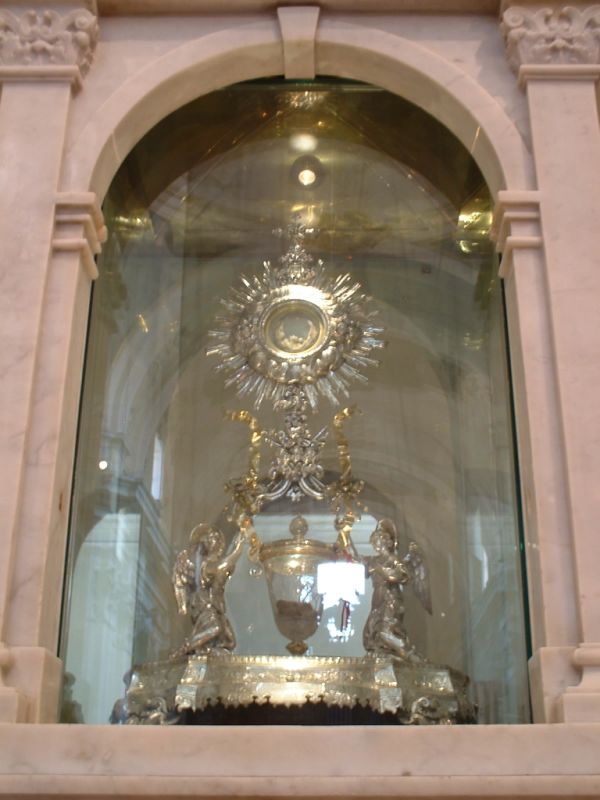
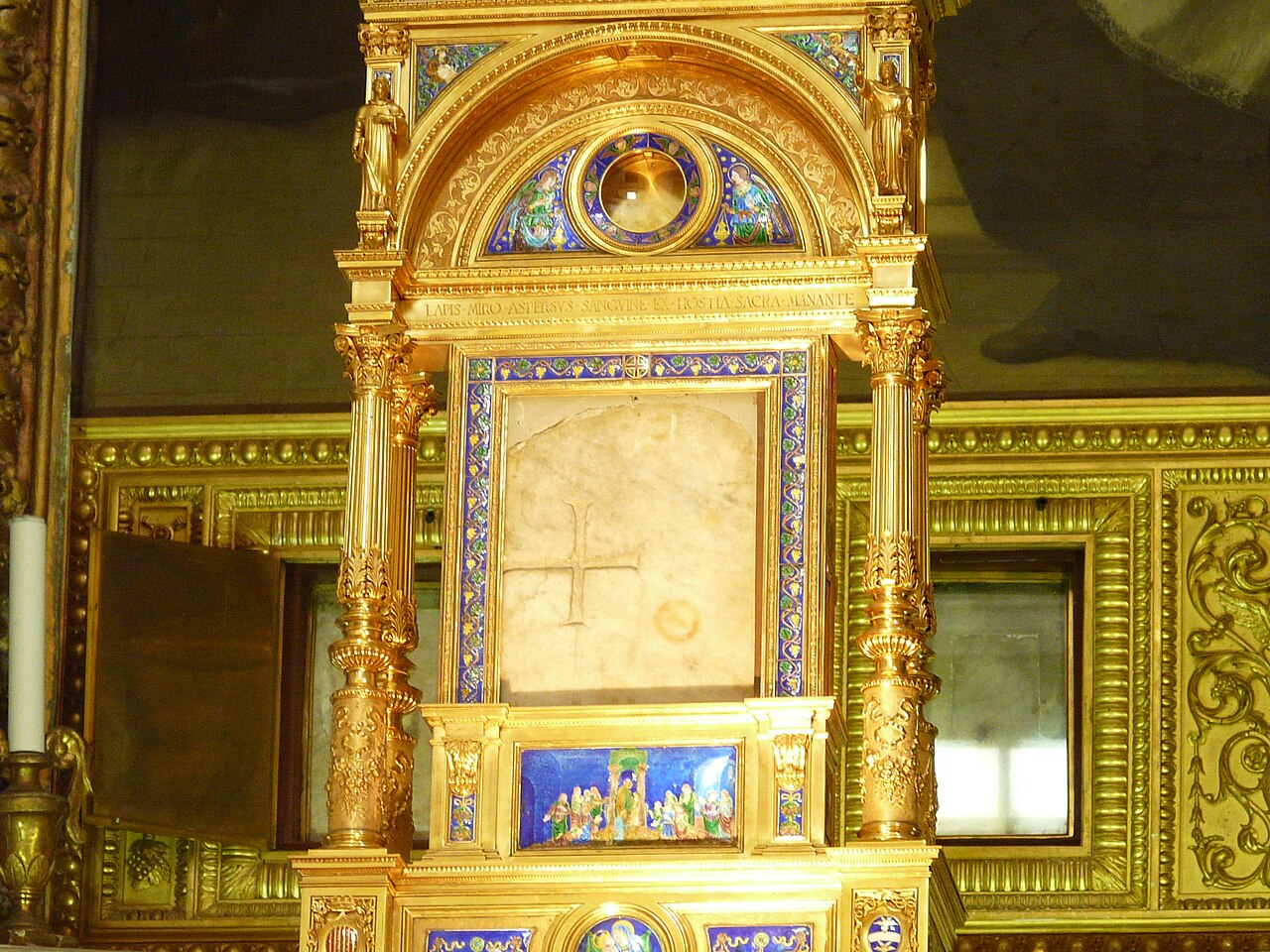
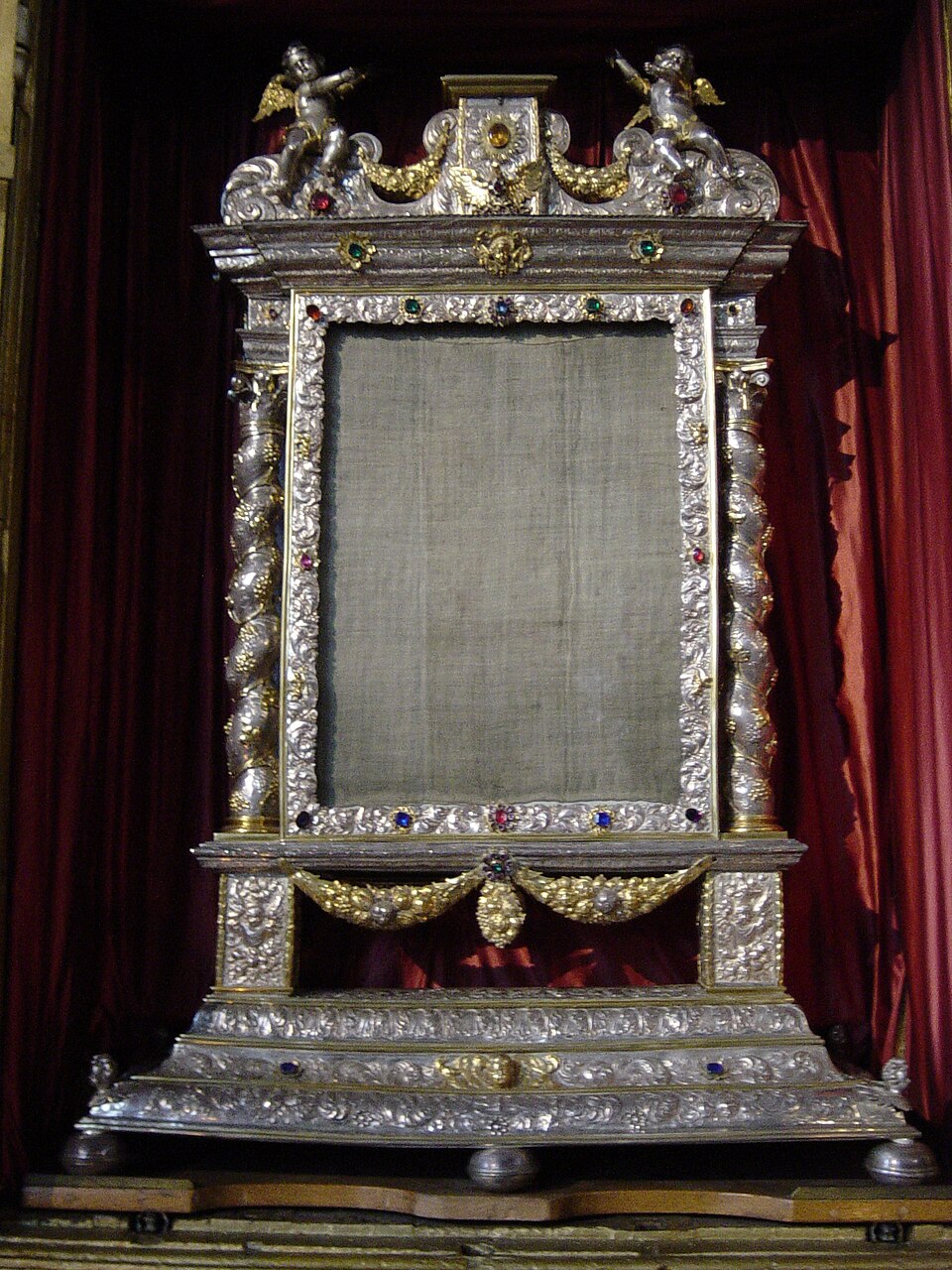
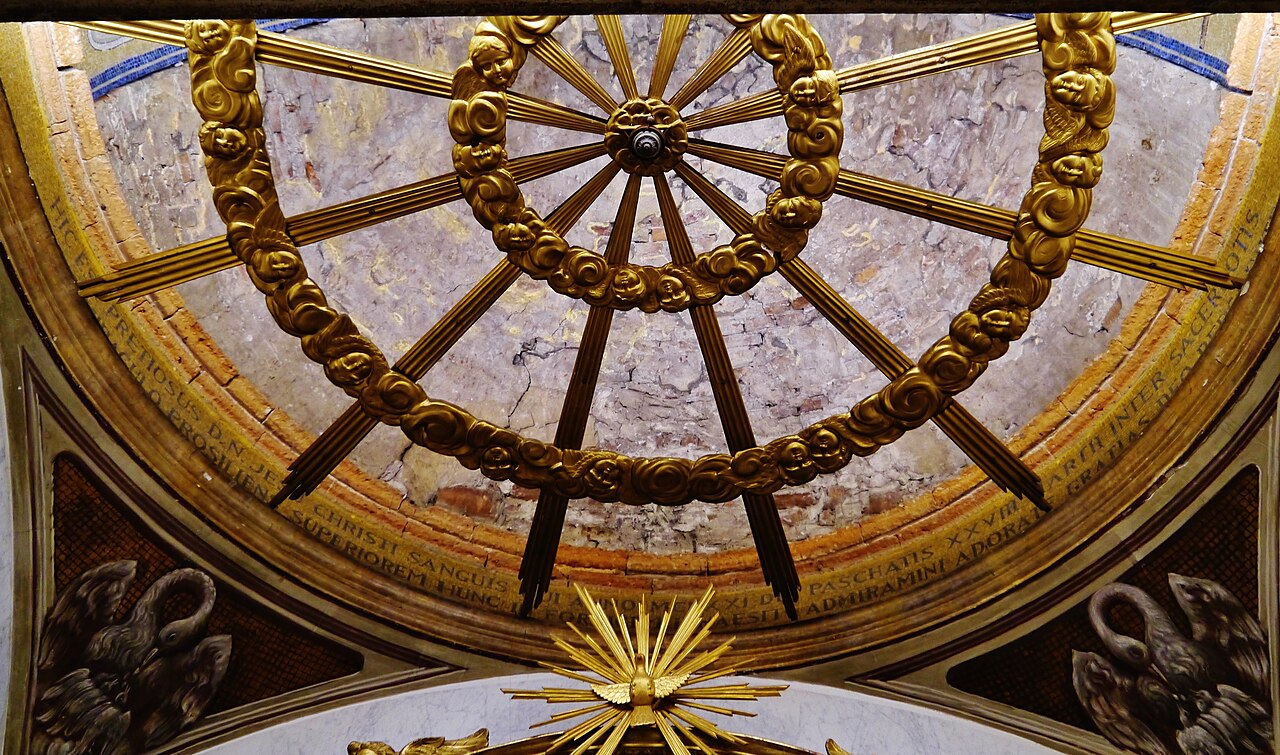
On Easter Sunday, March 28, 1171, Prior Pietro da Verona celebrated Holy Mass in Santa Maria in Vado. When he broke the consecrated Host, according to the testimony preserved by the archdiocese, blood emerged and struck the vault. Priests and the faithful witnessed the event. The affected area of the church was preserved even during its later rebuilding and given a special architectural setting. To this day, the archdiocese venerates the Precious Blood there and commemorates the Eucharistic miracle.
The testimony preserved by the Church reports that blood emerged when the Host was broken during the Easter Mass and struck the vault. The relevant part of the vault has survived as a place of veneration.
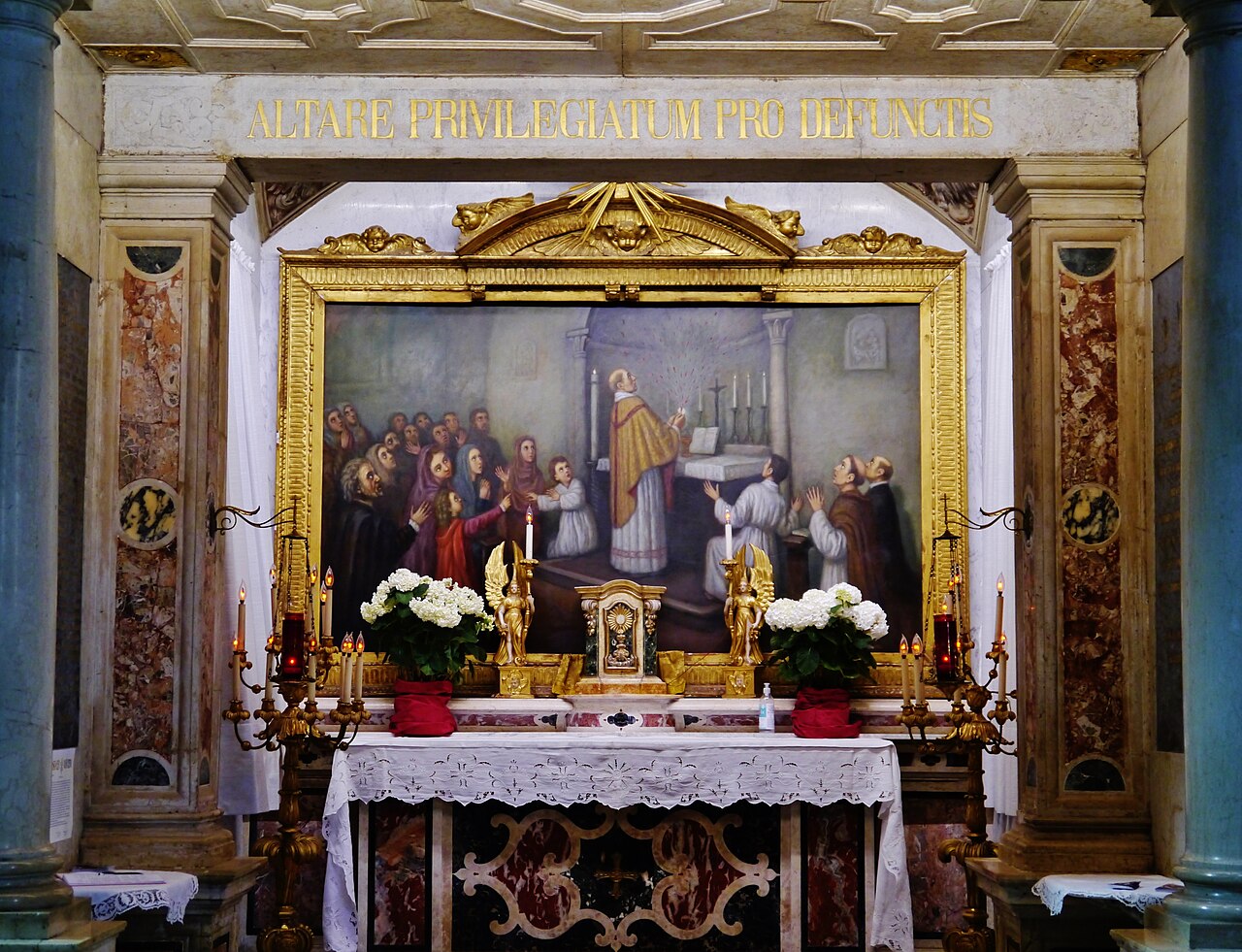
Blood at the Breaking of the Host
The archdiocese names the day and the celebrant: on March 28, 1171, Prior Pietro da Verona stood at the altar in Santa Maria in Vado. During the Easter Mass, he broke the consecrated Host. Blood emerged and spattered the vault. The priests and faithful present witnessed the event. The place above the altar was thereafter preserved as visible testimony to what had happened. Pietro was the local canon and prior; he is not to be identified with Saint Peter of Verona, who was born later.[1]
The Preserved Site in the Rebuilt Church
When the church was rebuilt in the early sixteenth century, the older area was incorporated into the transept. The part of the vault associated with the miracle received a prominent architectural frame. Today's visitor thus encounters a specific place of veneration preserved within the building. Its architectural history shows how the community guarded this place across generations. It also provides concrete starting points for examining the older fabric, the later frame, and restorations.[1]
Episcopal Veneration Through the Centuries
Archbishop Gian Carlo Perego devoted a special message to the anniversary in 2020. In a time of illness and distress, he called for prayer and placed veneration of the Precious Blood at its center. The Eucharistic biennium of 2021–2023 marked the eight hundred and fiftieth anniversary. These celebrations attest that the miracle belongs to the local Church's explicitly professed spiritual life and continues to lead to Eucharistic proclamation and adoration.[2][3]
The Traces and Their Architectural History
The traces on the vault are attached to a fixed historical surface. A present-day material examination would therefore need to consider phases of construction, restorations, coatings, and possible changes to the older area. The age of the masonry and the composition of a particular trace are distinct but related questions. The sources consulted here do not present a conclusive modern material study. The evidence presented concerns the event attested by the Church, the preserved site, and its architectural history and history of veneration.[1]
Cross and Altar at Easter
The miracle occurred during the commemoration of the Resurrection. It joins contemplation of Christ's shed blood with his victory over death. In the Mass, his one sacrifice is sacramentally present; Christ is not killed anew. The blood miracle points to the reality of his self-giving and leads to communion with the living Redeemer. Reverence for the sacrifice and Easter joy therefore belong together in Ferrara.[2]
From the Altar to Love for People Who Suffer
Perego's message names the sick, families, and those who help them. Those who venerate the Precious Blood contemplate Christ's life given for others and are called to give themselves. The pilgrimage therefore connects Mass, intercession, and active love of neighbor. The preserved vault keeps the memory of the miracle alive; the response to it takes place in the present lives of the faithful.[2]
Witnesses & Investigators
Pietro da Verona
Prior and celebrant of the Easter Mass
Local tradition names him among those who observed the blood at the breaking of the Host.[1]
Gian Carlo Perego
Archbishop and present-day spiritual interpreter
Continues ecclesiastical veneration and explains its relationship to the Eucharist, prayer, and active love.[2]
The unfolding story
Ecclesiastical assessment
The archdiocese explicitly maintains the commemoration as a Eucharistic miracle. The preserved area of the vault is its local focus; episcopal celebrations and the 2021–2023 jubilee continue this veneration.
Objections & Answers
Is a visible trace enough to establish its origin?
A trace visible today must be assessed in the context of early descriptions, architectural history, and restorations. Its appearance alone cannot replace material analysis. This observation, however, does not refute the event handed down. For Ferrara, the site identified by the Church and preserved within the building provides a concrete historical point of reference. A natural explanation for an individual discoloration would first have to show that it actually accounts for the described trace and its historical context. A conclusive modern forensic examination has not been published in the sources consulted here.[1]
Why is blood venerated precisely at Easter?
Christ's blood bears witness to his real love and his freely given life. Easter does not abolish the Cross but reveals the Crucified One's victory over death. The Lord who gives himself at the altar is the Risen One. Veneration therefore leads neither to terror nor to despair, but to gratitude, hope, and love. The episcopal interpretation explicitly connects this contemplation with prayer for those who suffer and service to them.[2]
Meaning for faith
Ferrara preserves the Eucharistic blood miracle of the Easter Mass of 1171 at its specific historical site. The vault, its preservation by the Church, and continuing episcopal veneration sustain its memory. It directs attention to Christ's sacrifice and the Easter reality of his living presence.[1][2]
How Eucharistic Miracles Are Examined
Securing the account of events, identifying the material, and reading the Church's judgment precisely.
Methods of examination and ecclesiastical procedure →Sources & Evidence
Information on accessibility and scope helps you assess the evidence for yourself.
- [1] Santa Maria in Vado: storia della parrocchia
Local ecclesiastical account of the event and architectural history.
Open source · arcidiocesiferraracomacchio.org ↗ - [2] Messaggio del Vescovo per la Festa del Miracolo Eucaristico
Primary episcopal message; the date in the text is authoritative.
Open source · arcidiocesiferraracomacchio.org ↗ - [3] Invito al Corpus Domini 2023 e conclusione del Biennio Eucaristico
Documents the diocesan jubilee of 2021–2023.
Open source · arcidiocesiferraracomacchio.org ↗