On February 11, 1858, the Mother of God appeared to fourteen-year-old Bernadette Soubirous in the grotto of Massabielle. Eighteen encounters took place through July 16. Mary called for prayer and penance, led Bernadette to the spring, and asked for a chapel and processions. On March 25, she gave her name: the Immaculate Conception. Bernadette remained faithful to her testimony under questioning and opposition. After several years of investigation, Bishop Bertrand-Sévère Laurence recognized the apparitions in 1862. From the place of encounter grew a shrine of prayer, conversion, and help for the sick.
The Mother of God appeared to Bernadette Soubirous eighteen times at Massabielle, called for prayer and penance, and asked for a chapel and processions. On March 25, 1858, she called herself the Immaculate Conception. Bernadette brought her words to the parish priest.
The First Apparition at Massabielle
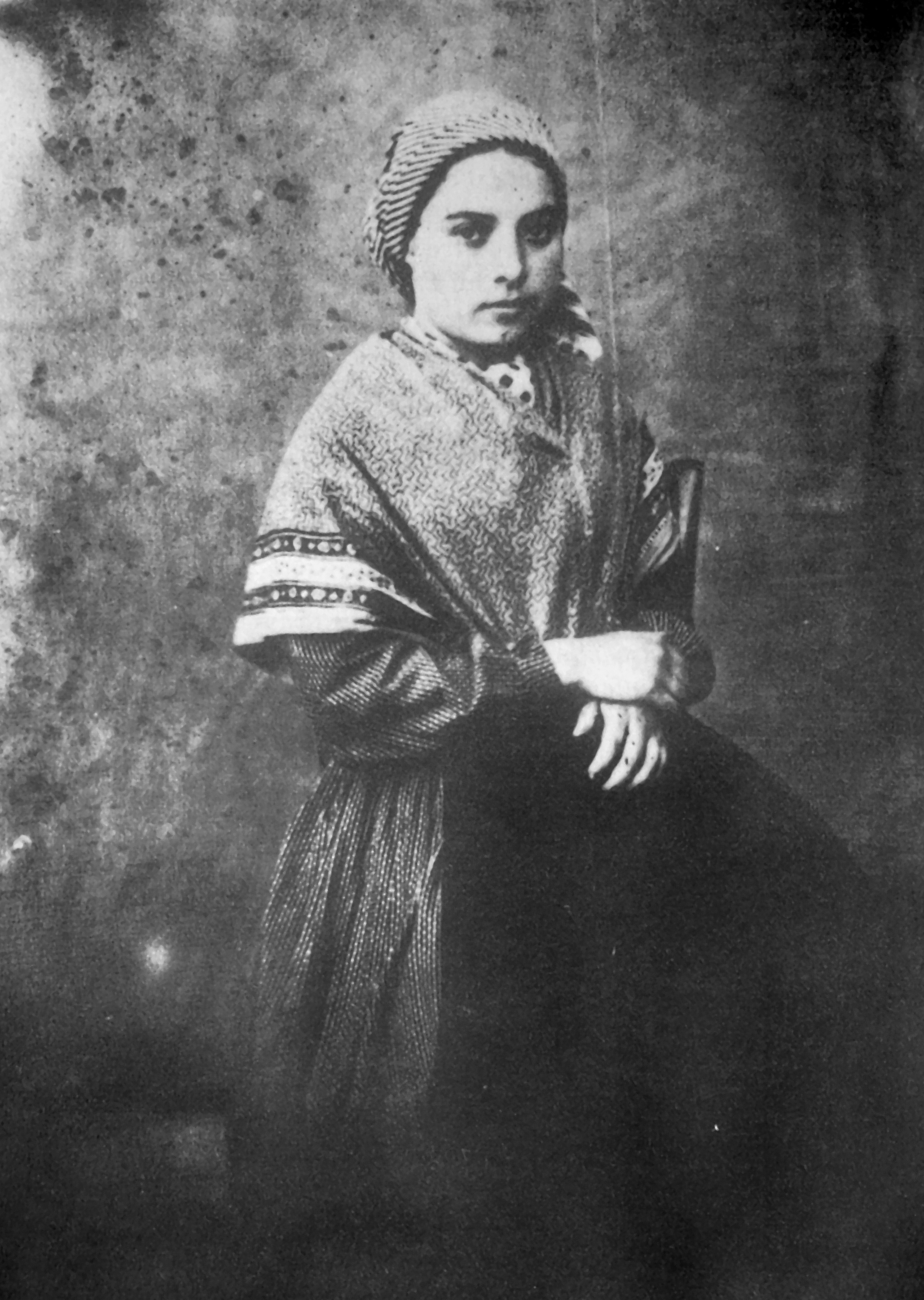
The shrine preserves Bernadette's statements and the chronology of the eighteen encounters. On February 11, 1858, the fourteen-year-old went with her sister and a friend to gather wood at the grotto of Massabielle. There she saw a lady whose name she did not yet know. Her two companions did not see the apparition. Bernadette returned to the grotto and encountered the lady again. Eighteen apparitions took place through July 16. Her words and gestures led the girl step by step to a mission that she passed on to the parish priest and the Church.[1]
Spring, Penance, and the Immaculate Conception
Mary called Bernadette to penance and directed her to the spring. The girl was to drink and pass on the call to prayer to the people. The Mother of God asked for a chapel and processions at this place. On March 25, she called herself the Immaculate Conception. Bernadette took these words to parish priest Dominique Peyramale. The encounters thus connect the bodily action at the spring with conversion and communal worship. The mission received an enduring form in the chapel, pilgrimage, and prayer life of Lourdes.[1][4]
A Place of Conversion and Care for the Sick
The encounters led to a place where people pray, do penance, and support one another in distress. Physical healings belong to Lourdes's history; Mary's invitation also applies to all pilgrims, including those who remain ill. Shared prayer and help for those who suffer bring the mission received into daily life. The spring recalls cleansing and conversion; chapel and processions unite the faithful in worship. Everything leads to Christ and into the sacramental life of the Church.[1][4]
Bernadette Maintains Her Testimony
Bernadette was born in 1844 and grew up as a miller's daughter in material hardship. After the apparitions, she stood by her statement. Later, she went to the Sisters of Charity in Nevers and lived a religious life there. She died in 1879 and was canonized in 1933. Her subsequent life shows the constancy of her response to what she had received. Her attitude, her handling of questioning, and her lasting renunciation of a public role as the pilgrimage's center are important considerations in assessing her testimony.[3]
The Investigation from 1858 to 1862
Bishop Bertrand-Sévère Laurence appointed an investigative commission on July 28, 1858. It considered Bernadette's statements, her attitude, and the healings reported in connection with the events. After several years of examination, Laurence published his pastoral decree on January 18, 1862: he recognized the eighteen apparitions as real and worthy of belief. The judgment bears the name and responsibility of the competent bishop. It is the result of specific proceedings that considered the witness statement together with the surrounding circumstances and observed consequences.[2]
The bishop examined both the testimony's content and Bernadette herself. Her constancy was considered in relation to questioning, her conduct, and her behavior in the face of opposition. These interacting reasons gave rise to the favorable judgment. The surviving decision makes it possible to understand why the Church trusted the girl. Lourdes thus possesses a specific investigative foundation close to the events. One person's testimony was taken seriously, thoroughly examined, and finally expressly confirmed by the competent ecclesiastical authority.[2]
The Later Examination of Healings
Alongside recognition of the apparitions, Lourdes developed its own medical process for examining healings. The Medical Bureau investigates diagnoses, treatments, the course of recovery, and its durability. The Church's assessment of a miracle places the medical findings in their religious context. Each healing thus receives its own file and its own decision. The original apparition judgment applies to Bernadette's eighteen encounters. Later recognized healings add separately investigated cases to the shrine's history. This precise work is one of Lourdes's particular strengths.[4]
Witnesses & Investigators
Bernadette Soubirous
Direct witness to the apparitions
Bearer of the accounts of perceptions and words.[1]
Abbé Dominique Peyramale
Parish priest of Lourdes
Recipient and examiner of her communications; not a direct seer of the lady.[1]
Bertrand-Sévère Laurence
Bishop of Tarbes
Responsible for the commission and judgment of 1862.[2]
The unfolding story
- First Apparition
The Mother of God appears to Bernadette in the grotto of Massabielle.[1]
- Self-Identification
Bernadette transmits the title Immaculate Conception.[1]
- Final Encounter
Conclusion of the eighteen apparitions.[1]
- Commission
Laurence opens the examination.[2]
- Recognition
Favorable episcopal pastoral decree.[2]
- Canonization
Bernadette's holiness is solemnly recognized.[3]
Ecclesiastical assessment
On January 18, 1862, Bishop Bertrand-Sévère Laurence recognized the eighteen apparitions to Bernadette as real and worthy of belief. The judgment on the apparitions must be distinguished from the judgment on each individual healing.
Objections & Answers
Could Bernadette Have Known the Expression Immaculate Conception Beforehand?
The possibility of having previously heard a religious expression cannot be excluded solely on the basis of limited education. This does not, however, demonstrate that Bernadette formed her statement in that way. In any event, Lourdes offers more than a single word: the course of the encounters, her communications to the priest, her conduct under questioning, her life, and the ecclesiastical investigation lasting several years. This combination supports the favorable judgment. Anyone claiming a particular natural path of transmission must substantiate it. Merely conceivable prior knowledge does not refute the apparitions.[1][2][5]
Which Accounts Does the Recognition of Lourdes Encompass?
The pastoral decree of 1862 recognizes the eighteen apparitions to Bernadette. Her later canonization honors her person; individual healings, in turn, have their own investigations and judgments. This clear attribution is a strength of Lourdes. It allows trust in the recognized events while examining an additional communication through its own records. A later anecdote does not automatically receive the same source value as the original apparition file. Precisely identifying the judgment preserves the weight of the testimonies actually examined.[2][3][4]
Meaning for faith
Lourdes rests on Bernadette's specific testimony and a multiyear ecclesiastical investigation with a favorable judgment. The Mother of God called the girl and, through her, the pilgrims to prayer, penance, and trust. The shrine carries this mission forward in veneration, careful examination of healings, and loving service to the sick.[1][2]
How Apparitions and Private Revelations Are Examined
Testimony, messages, spiritual fruits, and ecclesiastical decisions.
Methods of examination and ecclesiastical procedure →Sources & Evidence
Information on accessibility and scope helps you assess the evidence for yourself.
- [1] Les apparitionsOpen source · lourdes-france.org ↗
- [2] Le MandementOpen source · lourdes-france.org ↗
- [3] Bernadette SoubirousOpen source · lourdes-france.org ↗
- [4] Le Bureau des Constatations médicalesOpen source · lourdes-france.org ↗
- [5] Extrait du récit des Apparitions de la Vierge Marie à sainte Catherine LabouréOpen source · corse.catholique.fr ↗