Incorruption
Hope Beyond Death

Incorruption

First exhumations, named witnesses, and extraordinary bodily preservation: the findings and their subsequent history.

Understanding the subject

A preserved body when the tomb is opened.

When a tomb is opened, those present expect natural decomposition. In the cases discussed here, they instead found unusually well-preserved bodies or body parts. Physicians, religious, and other witnesses described skin, limbs, or internal organs and recorded their observations.

The focus is on the findings at the first exhumation together with the preceding burial conditions. Damp soil, a decayed coffin, or preserved internal tissue can be decisive in the assessment. Later changes belong to the subsequent history; they do not undo extraordinary preservation observed earlier.

The dossiers also identify later interventions and wax coverings. A covering applied only afterwards does not explain the original findings of preservation. The examination therefore follows the chronological sequence and addresses questions of natural preservation conditions and the Church's assessment below.

The investigation in detail
Discover · compare · read further

The dossiers in this category.

Choose a place, period, or subject. Explore the same selection as dossiers, on the map, or in the timeline.

Investigative approach and ecclesiastical judgment →

Dossiers: 6

Incorruption

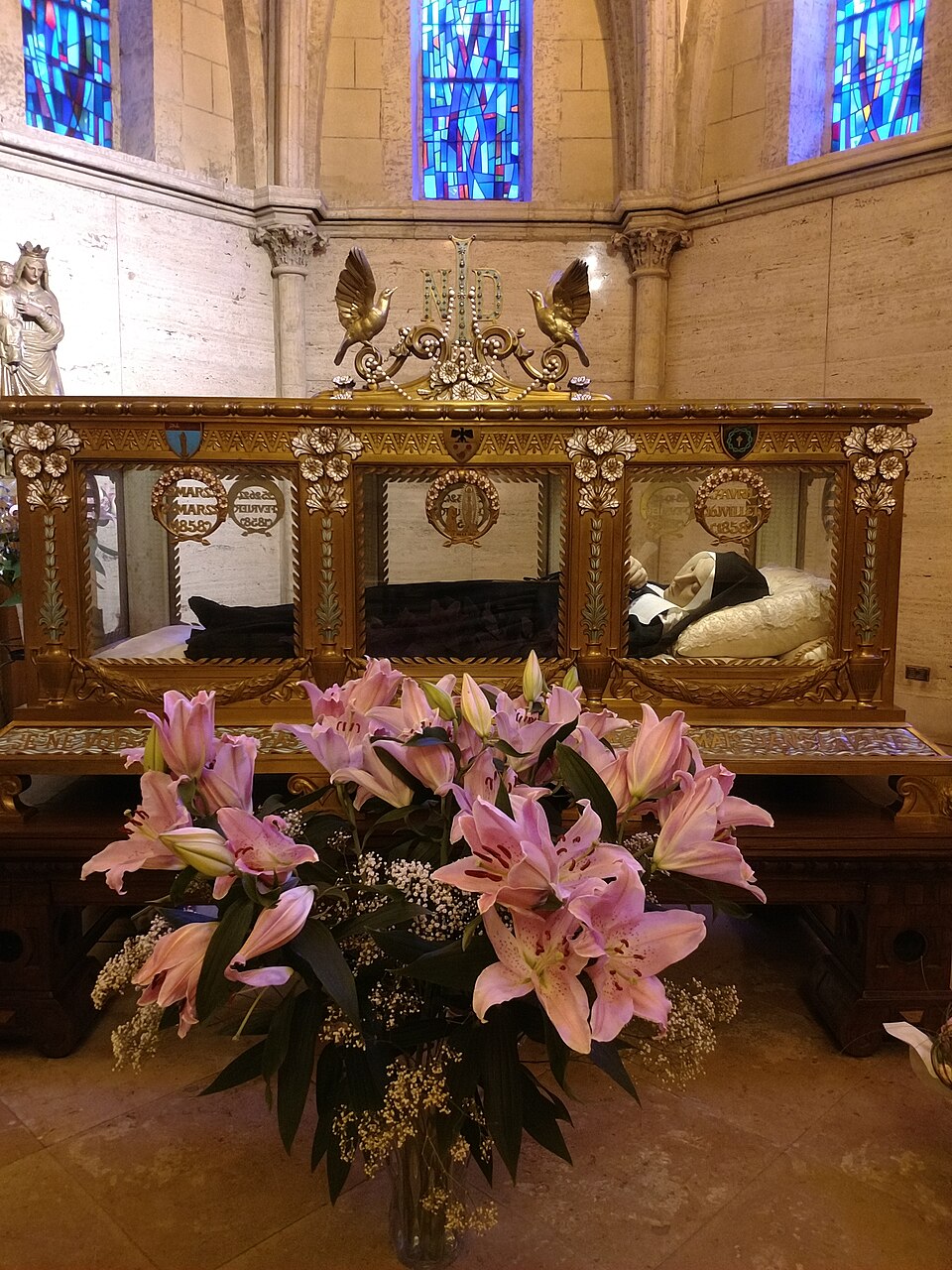
Bernadette Soubirous: The Body in the Shrine at Nevers

Nevers, former Convent of Saint-Gildard · 1879–1925; shrine since 1925

On 22 September 1909, physicians Charles David and Antoine Jourdan opened Bernadette's coffin in Nevers. After around thirty years, they found the body with its parts preserved. Further canonical examinations in 1919 and 1925 also documented internal tissues. The later wax coverings on the face and hands belong to the history of the public display; the first medical findings were recorded long before.

Medically documented bodily preservationRead →
Incorruption

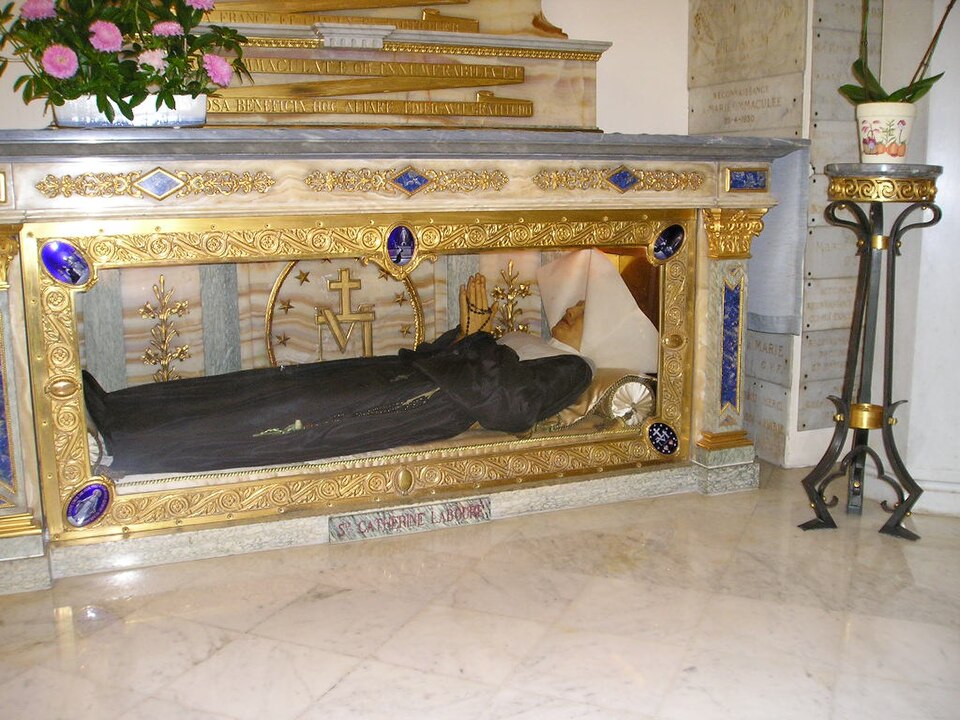
Catherine Labouré: The Sister Behind the Miraculous Medal

Paris, chapel on the Rue du Bac · 1933: Opening of the tomb

At the tomb opening on 21 March 1933, physicians, clergy, and sisters found Catherine Labouré's body preserved after around 56 years. Fr. Baeteman's account names the very damp crypt in Reuilly and also describes the preserved eyes and clothing. Cardinal Jean Verdier attended the ecclesiastical identification. The body was then transferred to the chapel on the Rue du Bac.

Preservation findings of 1933 transmitted by the ChurchRead →
Incorruption

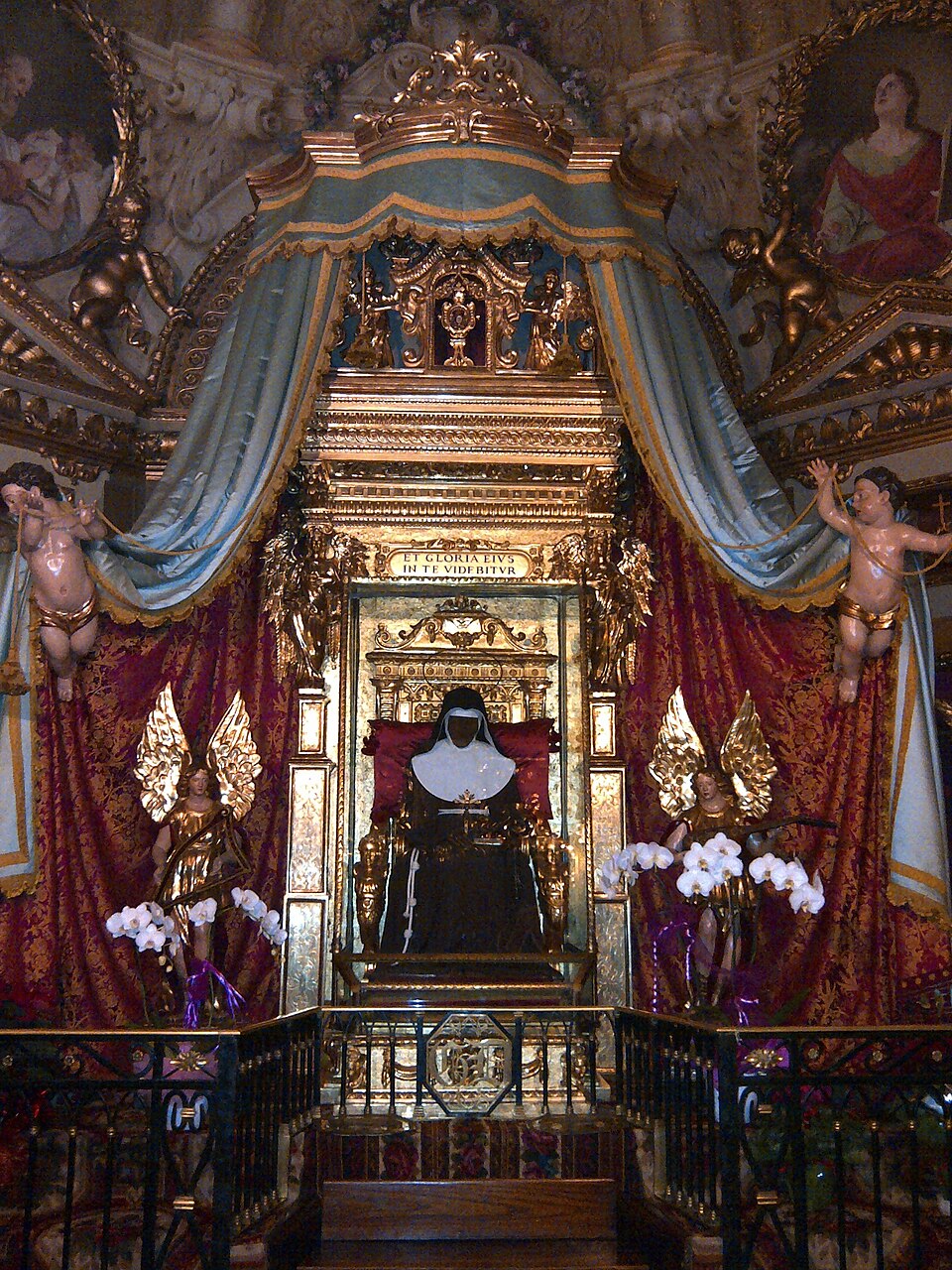
Catherine of Bologna: The Seated Saint

Bologna, Santuario Corpus Domini · 1463 and the subsequent veneration

The Poor Clares found Catherine's body preserved and fragrant eighteen days after her burial in March 1463. She had been buried in the earth without a coffin. Her fellow sister Illuminata Bembo preserved the memory of the exhumation and the extraordinary events that followed. The body now venerated in a seated position and the later descriptions of its changes belong to the subsequent history of the Shrine of Corpus Domini.

Preservation at the first exhumation attested by the monasteryRead →
Incorruption

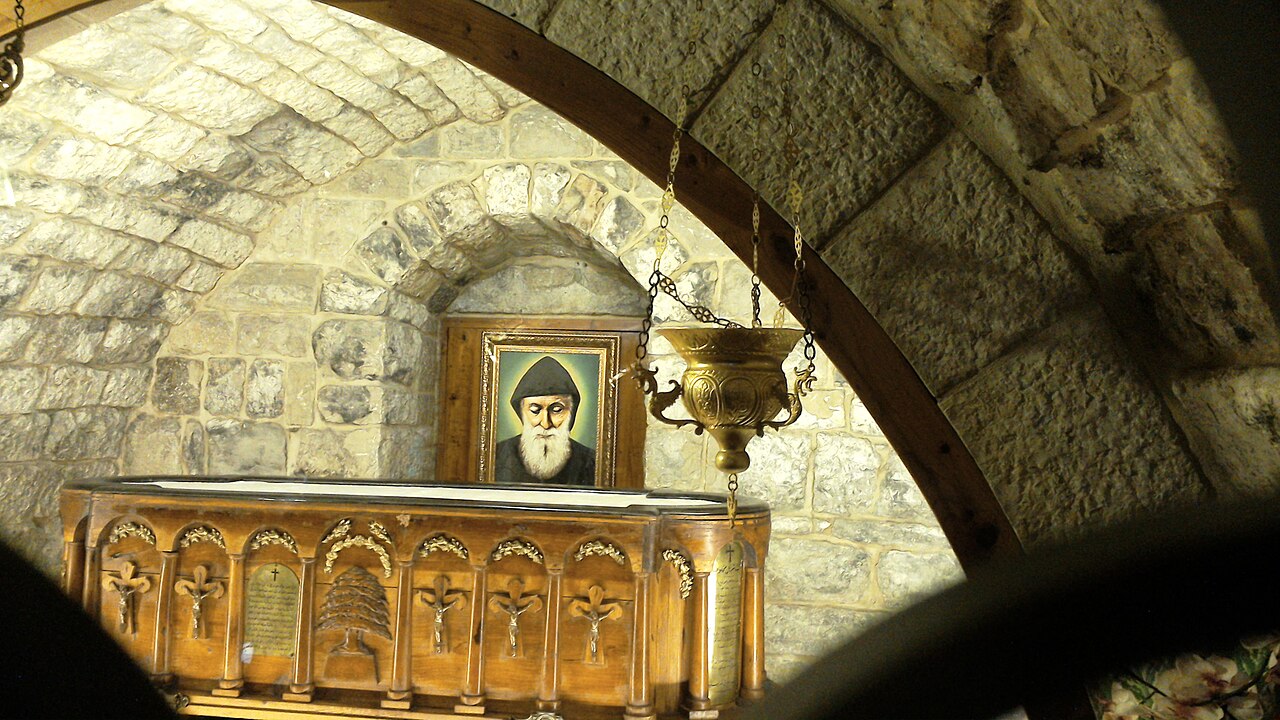
Charbel Makhlouf: The Accounts from the Tomb in Annaya

Annaya, Saint Maron Monastery · First exhumation April 15, 1899; later examinations and transfers

On April 15, 1899, at the first opening of Charbel's tomb, the monks and witnesses found a preserved, soft, and flexible body. Water and mud had entered the burial vault. Statements subsequently recorded for the ecclesiastical proceedings describe this initial discovery and the discharge of fluid. Treatments, further examinations, and changes followed over the next decades.

First Finding of Preservation in the Monastery's TraditionRead →
Incorruption

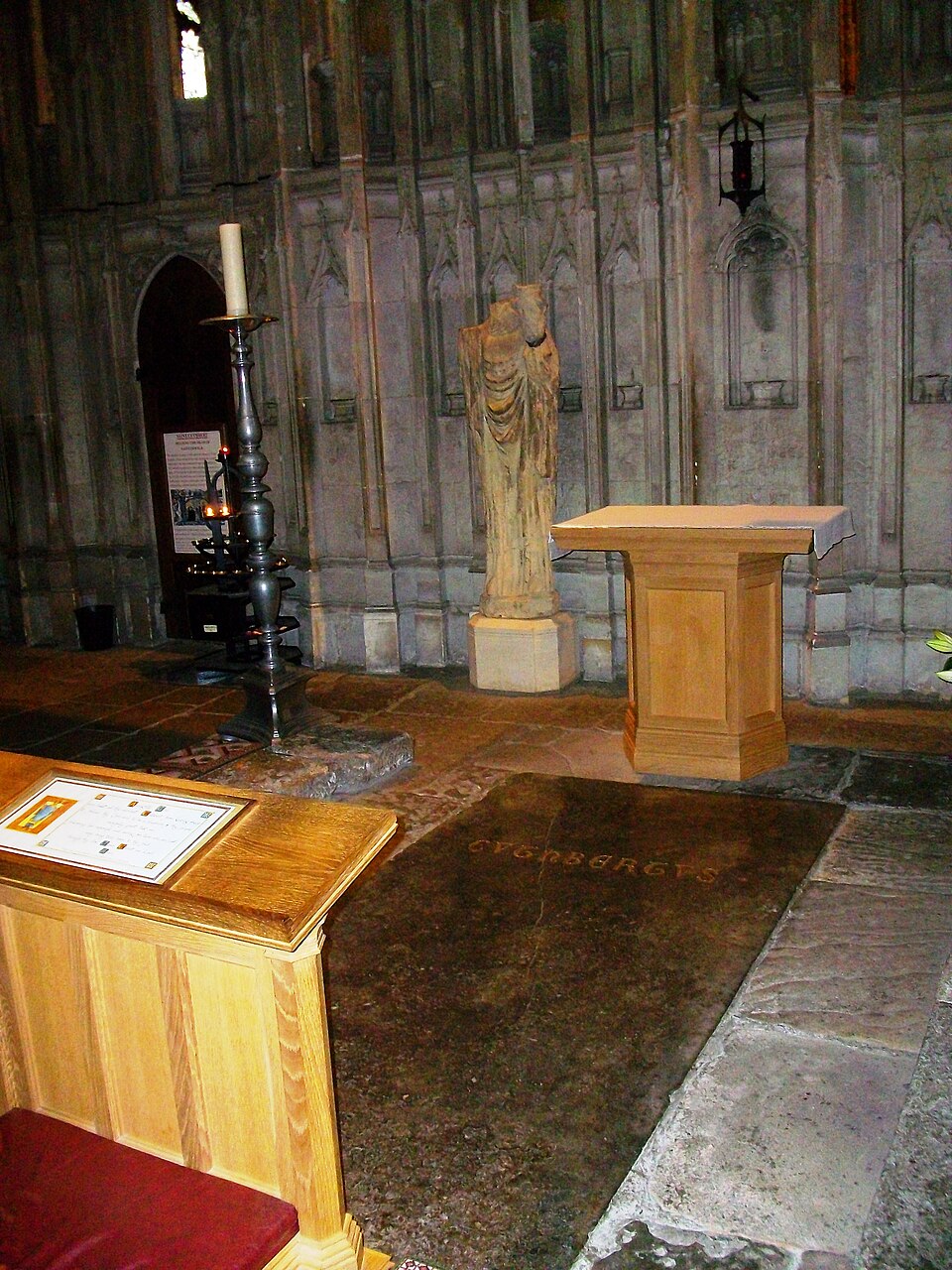
Cuthbert of Lindisfarne: Bede's Account and the Tomb in Durham

Lindisfarne and Durham · First exhumation March 20, 698; later examinations in 1827 and 1899

On March 20, 698, the monks of Lindisfarne opened Cuthbert's grave to transfer his bones. Bede's account describes their surprising discovery after eleven years: a preserved body with flexible joints and preserved garments. The brothers informed Bishop Eadbert and clothed the body anew at his instruction. The much later examinations in Durham form further stages in its history.

Early Exhumation Account in BedeRead →
Incorruption

Sister Wilhelmina Lancaster: The Preservation Findings at Gower

Gower, Missouri; Abbey of Our Lady of Ephesus · 2019–2024

On 28 April 2023, the Benedictine sisters of Gower found their foundress's body unexpectedly preserved after just under four years. She had been buried without embalming in a simple, unsealed wooden coffin. While the coffin lining had decayed, the body and religious habit remained preserved. Abbess Cecilia Snell and Prioress Scholastica Radel described the recovery; the medical team commissioned by the bishop examined the discovery.

Preservation at the first exhumation medically examinedRead →
Miracles · Catholon · EnglishUnderstand the relevant investigative approach · Image credits