Images and Relics of the Passion
Traces of the Passion

Images and Relics of the Passion

The Shroud of Turin, the Holy Face of Manoppello, and the Passion relics of Oviedo, Trier, and Argenteuil: their history and the findings of their examination.

Understanding the subject

The Passion of Christ in its surviving traces.

The Passion relics lead us to the suffering, death, and burial of Jesus Christ. The Shroud of Turin shows the scourged and crucified body from the front and back; the Holy Face of Manoppello directs our gaze to the face of the Redeemer. Photographic, optical, and materials examinations reveal the characteristics of these images.

The Sudarium of Oviedo, the Holy Robe of Trier, and the Tunic of Argenteuil each have their own history of transmission and examination. For the Sudarium, the focus is on the traces of blood and fluid and their relationship to the Shroud of Turin; for the garments, textile findings are considered alongside historical testimony.

The dossiers begin with the surviving objects and their documented journey. Named researchers, specific measurements, and the arguments for associating them with the Passion follow. Questions of dating, transmission, and image formation are then explored in greater depth through the respective objections and answers.

The investigation in detail
Discover · compare · read further

The dossiers in this category.

Choose a place, period, or subject. Explore the same selection as dossiers, on the map, or in the timeline.

Investigative approach and ecclesiastical judgment →

Dossiers: 5

01 · Testimony to the Passion

Miraculous images

Turin and Manoppello: the venerated image and its formation.

Read its specific investigative approach →
Images and Relics of the Passion
Miraculous image

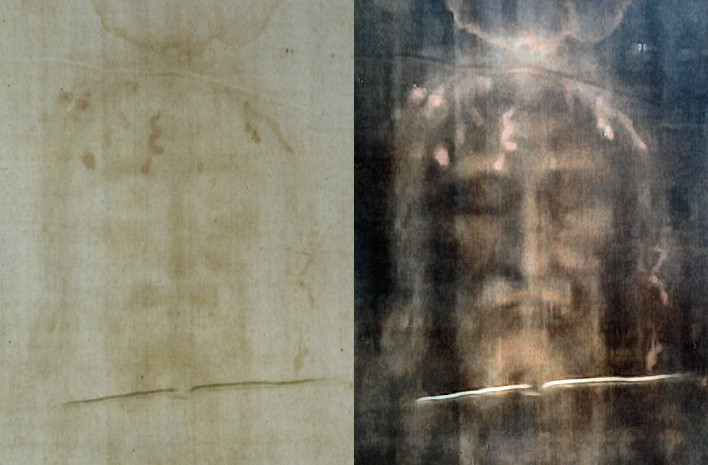
The Shroud of Turin

Cathedral of Saint John the Baptist, Turin · Relic of the Passion · securely documented since the 14th century

The Shroud of Turin shows a scourged and crucified body from the front and back: blood on the head, wounds at the hands and feet, an opened side, and traces of burial. These features lead directly to the Passion of Jesus Christ. Chemical evidence of blood, optical measurements, microscopic findings, and the image's distinctive spatial ordering give the surviving cloth extraordinary weight. For decades, specialists from various disciplines have examined its fibers, traces, and history. Views of the whole cloth and the corresponding Gospel passages unfold this connection step by step.

Relic of the Passion Venerated by the ChurchRead →
Images and Relics of the Passion
Miraculous image

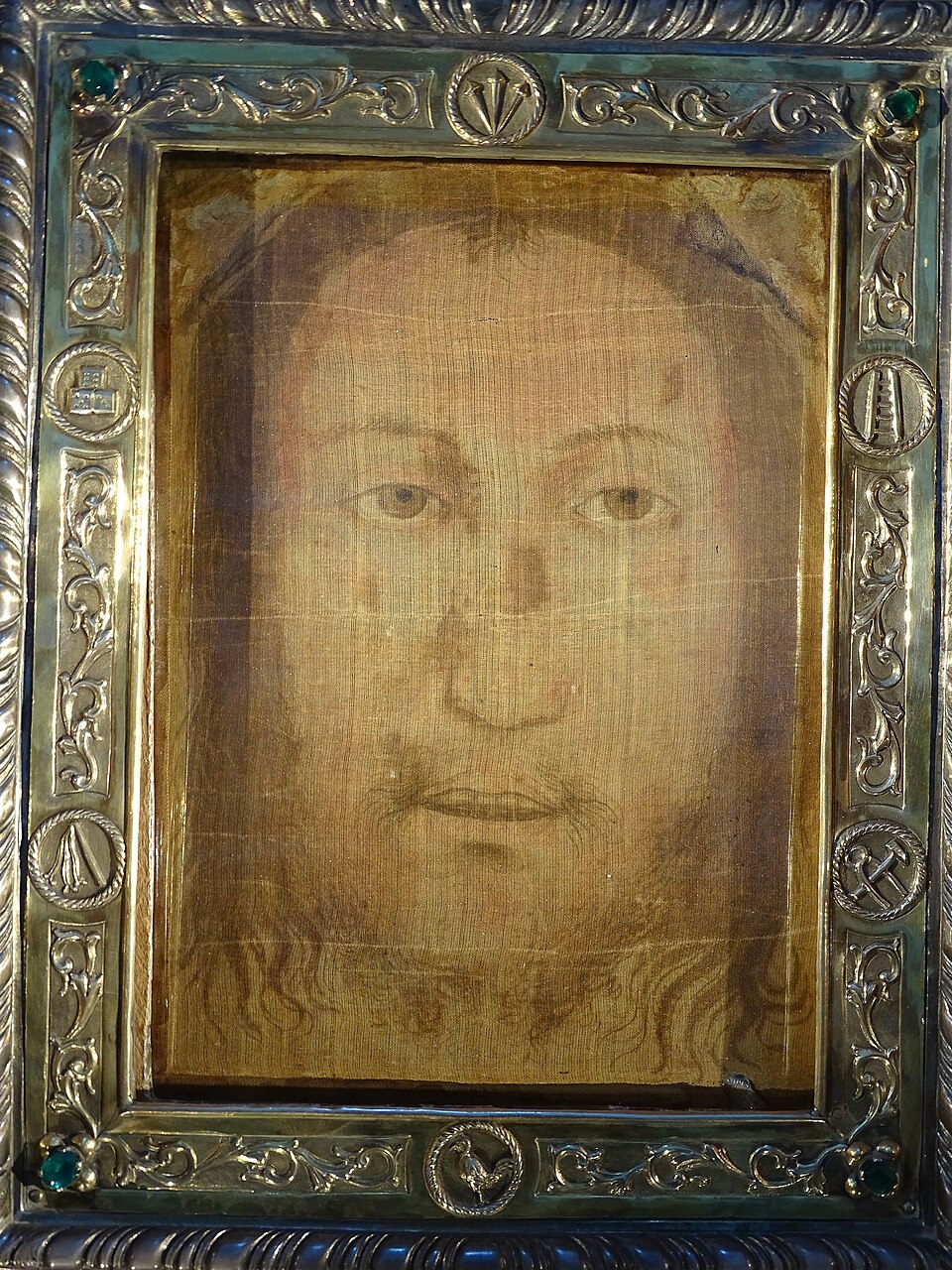
The Holy Face of Manoppello

Basilica of the Volto Santo, Manoppello · Veneration documented since the 17th century

On a small translucent veil in Manoppello appears the face of a bearded man with open eyes. Viewing angle and lighting change its effect; the image can be perceived from both sides. It has been guarded by the Capuchins since the 17th century. Historical research connects it with the Veronica tradition, while optical studies examine fibers, light, and image proportions. Benedict XVI made a pilgrimage to the shrine in 2006 and spoke about seeking the face of Christ. Here, contemplation of an image, research, and living devotion to Christ meet.

Image of Christ Venerated by the ChurchRead →
02 · Testimony to the Passion

Passion relics

Oviedo, Trier, and Argenteuil: provenance, material, and veneration of the surviving objects.

Read its specific investigative approach →
Images and Relics of the Passion
Passion relic

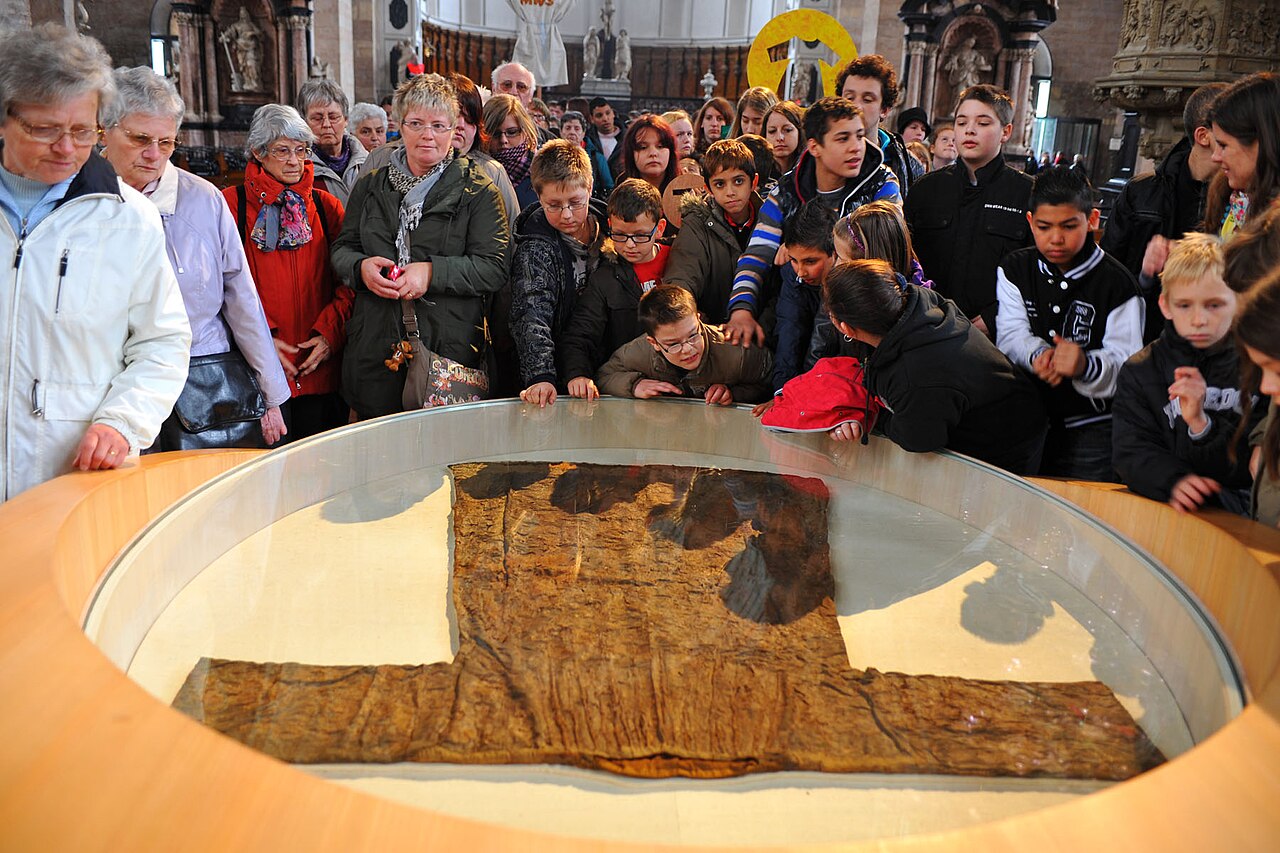
The Holy Robe of Trier

Trier Cathedral · Securely documented since 1196; first public display in 1512

The Holy Robe is among the most important relics of the Passion in the German-speaking world. Within its traditional garment form, it preserves an ancient woolen textile core. Trier's tradition connects it with Saint Helena and with Christ's tunic, for which the soldiers cast lots beneath the cross. Its veneration has been documented since the Middle Ages; the public display of 1512 established a pilgrimage with a wide reach. The textile's history and Saint Cyprian's interpretation together lead to the image of the undivided garment and the unity of the Church.

Relic of the Passion Venerated in Trier CathedralRead →
Images and Relics of the Passion
Passion relic

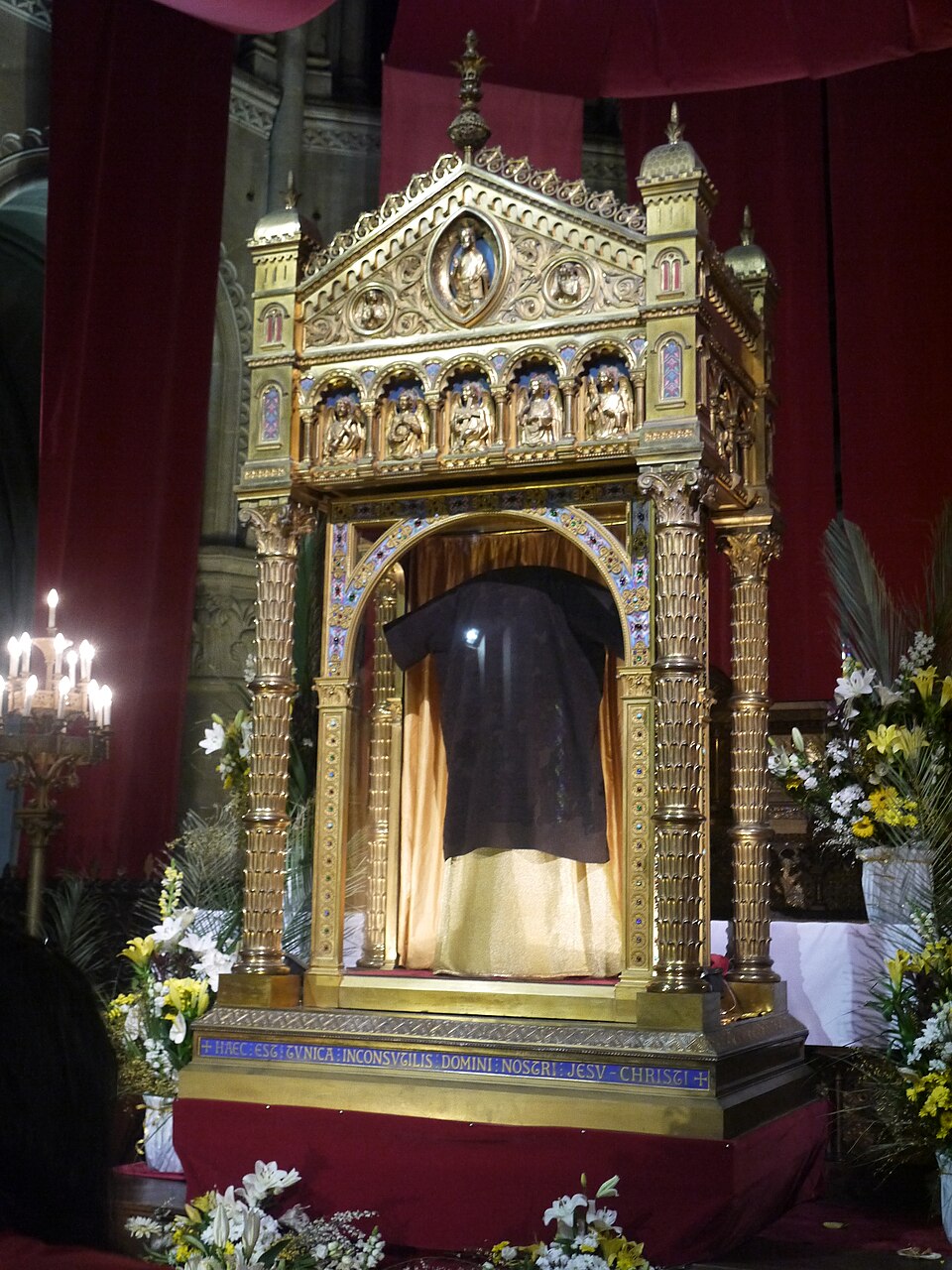
The Holy Tunic of Argenteuil

Basilica of Saint-Denys, Argenteuil · Public veneration since the Middle Ages; public display in 2025

In Argenteuil near Paris, an old woolen garment is venerated as Christ's tunic. Its fragments bear traces of an eventful history: hidden storage, medieval pilgrimage, rescue during the French Revolution, and careful restoration. The shrine connects the tradition with examinations of fabric, bloodstains, and pollen. Solemn public displays continue into the present; the tunic was shown publicly again in 2025. At the center stands remembrance of Christ's bodily self-giving and the undivided garment beneath the cross.

Relic of the Passion Venerated by the ChurchRead →
Images and Relics of the Passion
Passion relic

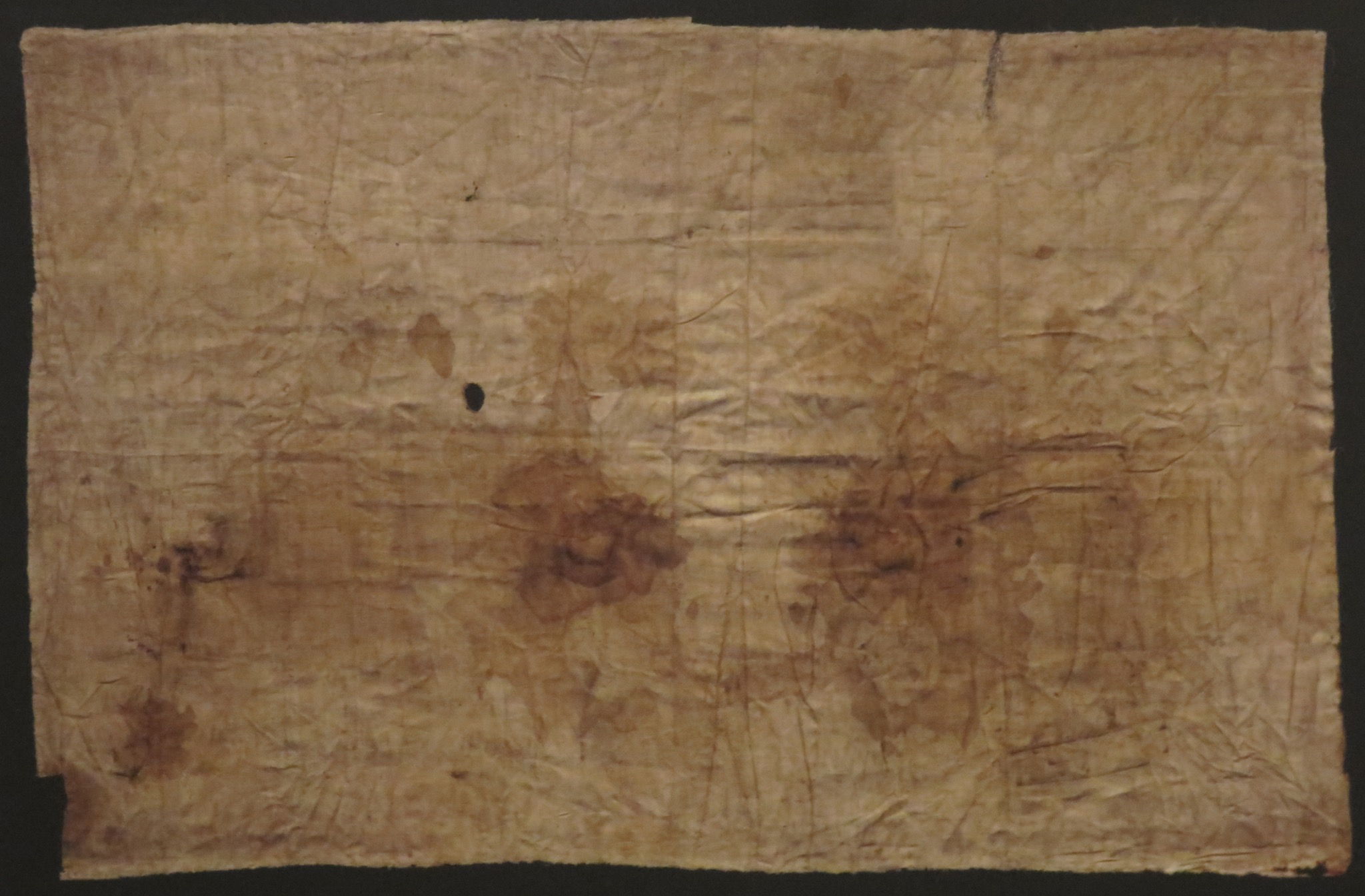
The Sudarium of Oviedo

Cámara Santa, Cathedral of Oviedo · Medieval veneration; modern studies since 1965

A small linen cloth is venerated as Christ's head cloth in the Cámara Santa of Oviedo. Its folds and stains allow a vivid reconstruction of care for a deceased person. Giulio Ricci, the Spanish EDICES team, and other researchers examined the fabric, bloodstains, and connections to the Shroud of Turin. Comparisons at the nose, mouth, and back of the head, and the possible sequence in which the two cloths were used, are particularly revealing. Its history leads from the Arca Santa and medieval pilgrims to present-day forensic and microscopic investigations.

Relic of the Passion Venerated in the CathedralRead →
Miracles · Catholon · EnglishUnderstand the relevant investigative approach · Image credits