Signs in the Lives of the Saints
Grace in History

Signs in the Lives of the Saints

Stigmata, bilocation, miraculous preservation, and other extraordinary events: the saints, their witnesses, and the investigations.

Understanding the subject

God's work in the lives of the saints.

The lives of the saints contain extraordinary deeds and bodily signs: the wounds of Saint Francis, help in hopeless situations, and attested presence in different places. Accounts close to the events, letters, medical observations, and the records of ecclesiastical proceedings preserve these occurrences.

The dossiers first recount the events and name the people who observed them or passed on the accounts. They also show how the events relate to the saint's prayer, service, and life of faith.

The investigation depends on the event. For stigmata, the focus is on the wounds and their course; for bilocation, on independent information about the person, place, and time. Appropriate chemical and physical findings are consulted for material changes. Specific objections and answers follow the presentation of testimony.

The investigation in detail
Discover · compare · read further

The dossiers in this category.

Choose a place, period, or subject. Explore the same selection as dossiers, on the map, or in the timeline.

Investigative approach and ecclesiastical judgment →

Dossiers: 14

Signs in the Lives of the Saints

Alphonsus Liguori at the Pope's Deathbed

Arienzo; reported presence in Rome · September 21–22, 1774

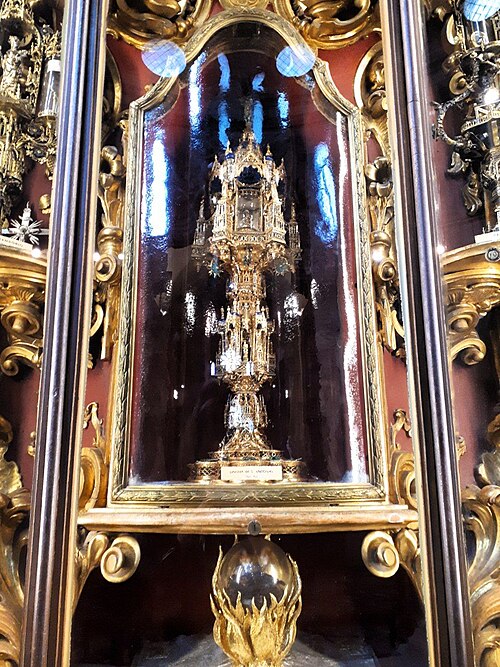
On September 21, 1774, after Mass, Bishop Alphonsus Liguori sat silent and motionless in his armchair in Arienzo. The state lasted until the following day. He then called the household members and declared that he had assisted Pope Clement XIV, who had now died. Only the news from Rome made the significance of his words clear to those present. Antonio Maria Tannoia preserved the account with named participants; it was explicitly discussed in the later ecclesiastical proceedings. The episode attests to a special spiritual assistance to the dying pope and the saint's deep bond with the Church.

Account discussed in the canonization proceedingsRead →
Signs in the Lives of the Saints

Anthony of Padua and the Sermon to the Fish

Rimini, river mouth by the sea · During the saint's lifetime; recorded in writing from around 1300

When the people of Rimini rejected Anthony's preaching, he turned to the fish at the shore. The Fioretti preserve the sequence: small and large fish gathered in order before him as he praised the gifts of their Creator. The people came, recognized their own closed hearts, and now listened to his teaching. Only after his blessing did the fish swim away. The medieval tradition shows God's action through an unusual call to conversion. The Shrine of Saint Anthony still receives the sermon to the fish as an invitation to listen attentively to Christ.

Medieval hagiographical traditionRead →
Signs in the Lives of the Saints

Benedict and the Shattered Poisoned Cup

Subiaco and surrounding area · Early sixth century; written down around 593/594

When monks sought to poison their abbot Benedict, the cup shattered at the sign of the cross. Gregory the Great records the incident in his early life of the saint and names four informants from Benedict's monastic circle for his accounts. The monks had themselves asked Benedict to be their abbot but resisted his spiritual discipline. At a meal, they offered him poisoned wine. Benedict blessed the vessel; it shattered, and the plot was exposed. He responded with forgiveness and returned to solitude. God's protection and the Christian response to hatred form the unity of this miracle.

Early hagiographical traditionRead →
Signs in the Lives of the Saints

Catherine of Siena: Hidden Stigmata

Santa Cristina, Pisa · April 1, 1375

On April 1, 1375, after Holy Communion in Santa Cristina in Pisa, Catherine of Siena received the wounds of Christ. Her confessor Raymond of Capua was present and recorded the sequence. Catherine saw the Crucified One in great light; five rays struck her hands, feet, and heart. At her request, the wounds remained hidden. She continued to bear their pain while her life belonged to prayer, the sick, and service to the Church. Raymond's account preserves both his observations and the subsequent conversation in which Catherine explained the grace she had received.

Traditional mystical grace of a Doctor of the ChurchRead →
Signs in the Lives of the Saints

Don Bosco: The Multiplication of the Hosts

Turin, Oratory of Valdocco · Around 1848; confirmation recorded for October 18, 1863

At a festive Mass in the Turin Oratory, the newly prepared Hosts were missing: Giuseppe Buzzetti had forgotten to place them on the altar in time. When Don Bosco noticed the small supply in the ciborium, he looked toward heaven and continued distributing Communion. All the young people received a whole consecrated Host. Buzzetti later testified repeatedly to the event; Lemoyne also transmits Don Bosco's explicit confirmation from 1863. The multiplication of the Hosts led the saint himself to the greater mystery of consecration. The miracle served the young people he had prepared for Holy Communion.

Salesian tradition of testimonyRead →
Signs in the Lives of the Saints

Francis on La Verna: The Wounds of Christ

La Verna, Tuscany · September 1224

In September 1224, Francis received the wounds of Christ on Mount La Verna. During a period of prayer and fasting, he saw a crucified seraph. Afterward, he bore the signs on his hands, feet, and right side. The early Franciscan sources name observers of the wounds during his lifetime and on his body after death; Brother Leo's note and Thomas of Celano's early life anchor the event in the very first generation. Bonaventure collected further statements from companions still alive. The Church venerates the stigmata as a visible expression of the saint's conformity to the crucified Christ.

Stigmatization received ecclesiastically and liturgicallyRead →
Signs in the Lives of the Saints

Helena and the Finding of the Holy Cross

Jerusalem, Golgotha and the Church of the Holy Sepulchre · Constantinian period; testimonies of the fourth and fifth centuries

Saint Helena ordered a search for Christ's cross in Jerusalem. The ecclesiastical historian Socrates records the discovery of three crosses and the healing of a dying woman: when she touched the Lord's cross, she immediately became well. Bishop Macarius recognized in this the answer to the question of which cross Christ had carried. Already in the fourth century, Cyril of Jerusalem attests to the distribution of wood of the cross; the pilgrim Egeria describes its public veneration. These early testimonies anchor devotion to the cross in the ancient Church. Veneration is directed toward the Redeemer who died for humanity on this wood.

Ancient ecclesiastical traditionRead →
Signs in the Lives of the Saints

Joseph of Copertino: Accounts of Levitation

Copertino, Assisi, and Osimo · Seventeenth century, especially after 1628

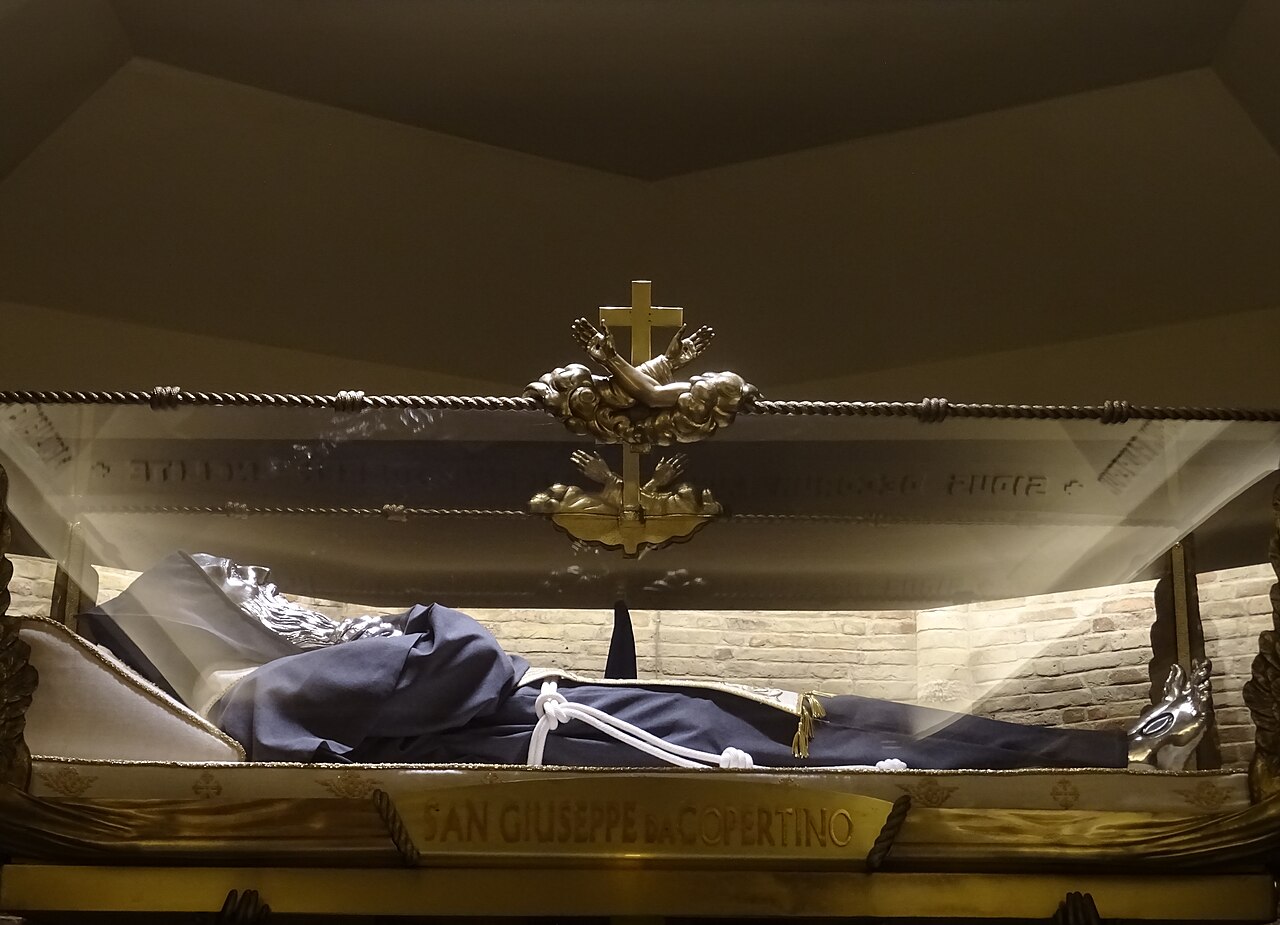
Joseph of Copertino was repeatedly raised from the ground during prayer. People from his circle testified to this in ecclesiastical proceedings. The elevations were associated with profound ecstatic states that could be triggered by religious words, music, or Holy Mass. The Franciscan did not seek public attention; the events also led to investigations, transfers, and restrictions. His humility and obedience shaped his response. The surviving body of testimony makes the levitations a historical case open to concrete investigation.

Extraordinary phenomena attested in early proceedingsRead →
Signs in the Lives of the Saints

Padre Pio: The Wounds and Their Examination

San Giovanni Rotondo · 1918–1968; canonization 2002

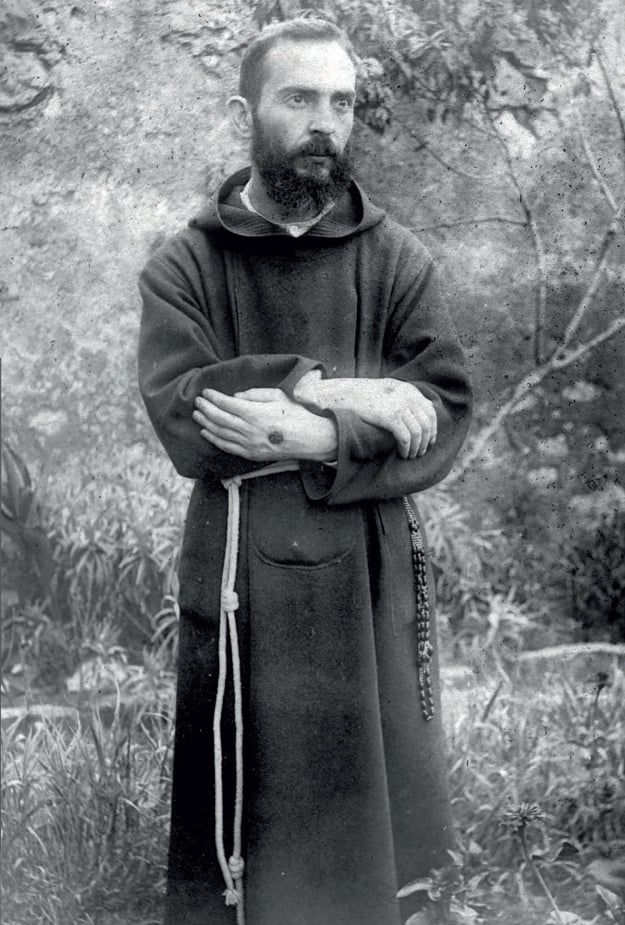
On September 20, 1918, after Holy Mass, Padre Pio received the wounds on his hands, feet, and side. A month later, he described the event to his superior, Father Benedetto: the vision of a bleeding figure, the wounds on his own body, and his desire to conceal the outward signs. Several physicians examined the injuries. Luigi Romanelli and Giorgio Festa reached positive judgments concerning their extraordinary character. The surviving letters and reports give the case unusually close documentation. Pio's life connected suffering with confession, prayer, and practical help for the sick.

Saint; stigmata historically examinedRead →
Signs in the Lives of the Saints

Philip Neri: A Heart in the Fire of Love

Catacombs of San Sebastiano, Rome · Around Pentecost 1544

Around Pentecost 1544, Philip Neri prayed in the Roman catacombs for the gifts of the Holy Spirit. The early biographer Pietro Giacomo Bacci recounts how a ball of fire entered his chest and filled him with burning love for God. A conspicuous swelling and later powerful heartbeats accompanied the experience. After his death, physicians described changes to two ribs and the heart region. The grace stands at the beginning of his long work as the Apostle of Rome. Prayer, visits to the sick, spiritual guidance, and community life gave rise to the Oratory.

Traditionally venerated mystical Pentecost experienceRead →
Signs in the Lives of the Saints

Rosalia and Palermo's Deliverance from the Plague

Palermo and Monte Pellegrino · 1624–1625

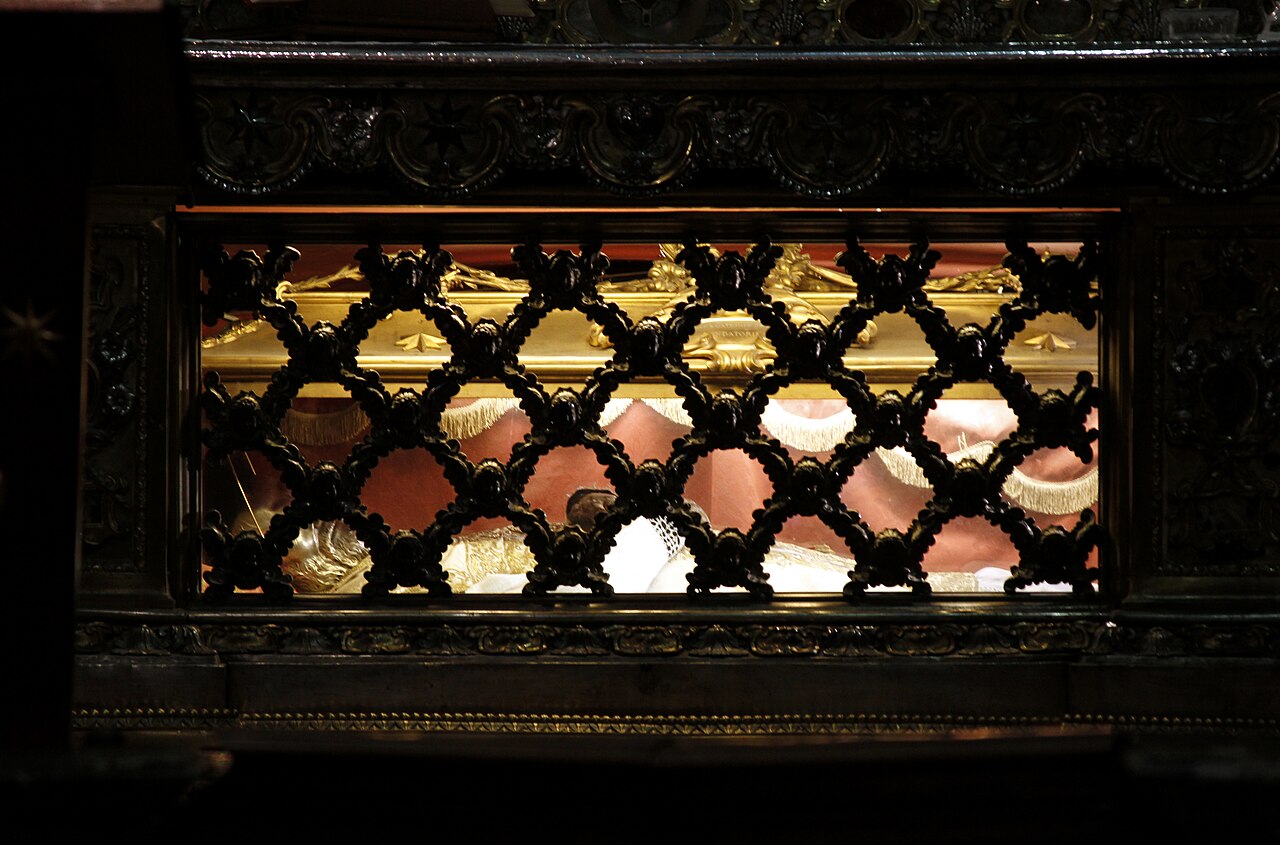
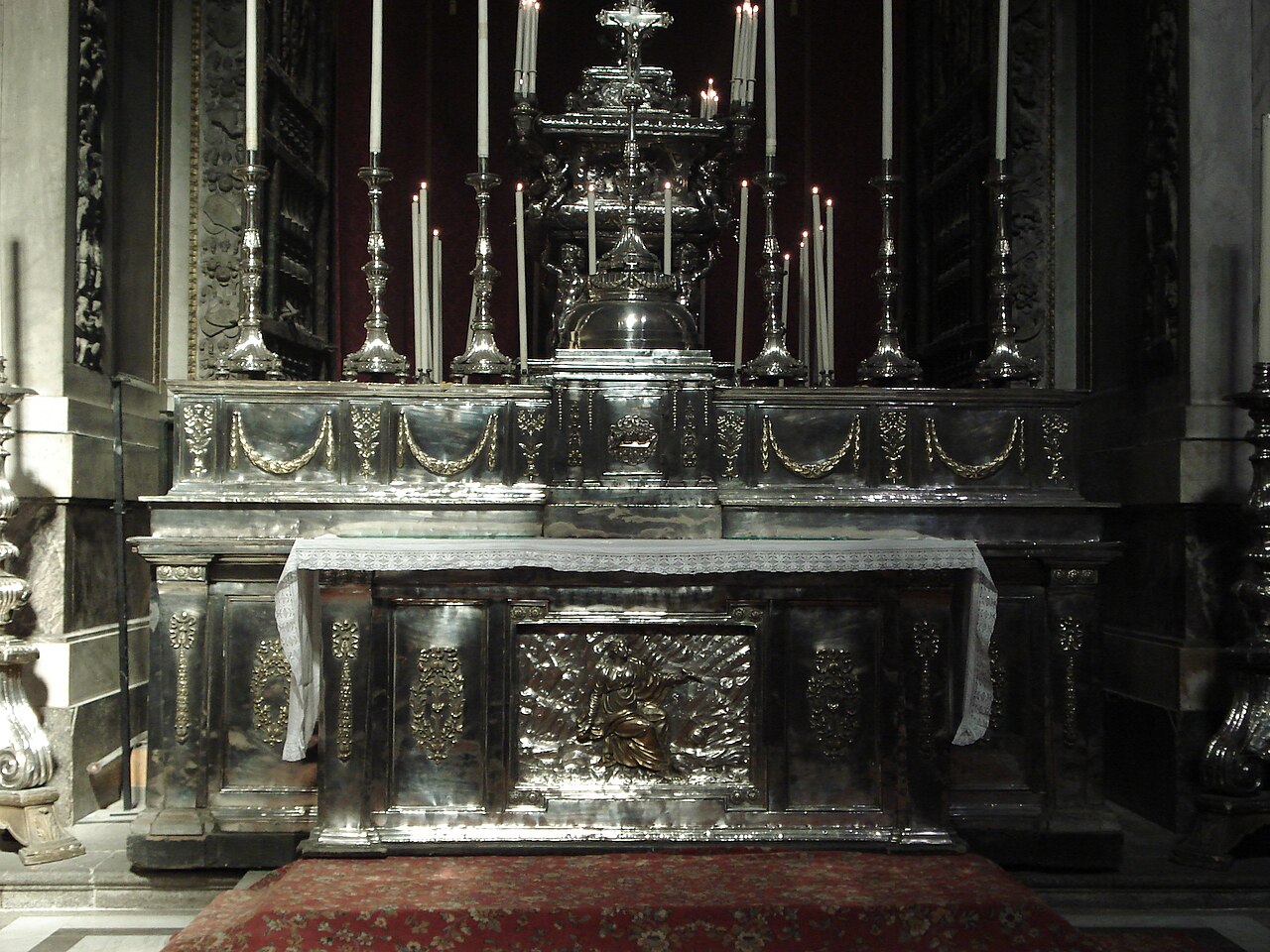
When plague struck Palermo in 1624, the people turned to Saint Rosalia. The tradition preserves her appearance to Girolama La Gattuta, the discovery of the bones on Monte Pellegrino, and the later instruction for a procession received by Vincenzo Bonello. Cardinal Giannettino Doria had the relics examined; their handover is precisely documented by a notarial deed of 1625. On June 9, the great procession passed through the city. Palermo connects deliverance from the plague and the reported healings with Rosalia's intercession. Gratitude continues to shape veneration of its patron saint.

Tradition of deliverance maintained by the ChurchRead →
Signs in the Lives of the Saints

San Gennaro: The Liquefaction of the Blood Relic

Naples Cathedral · Attested since the late fourteenth century; recurring

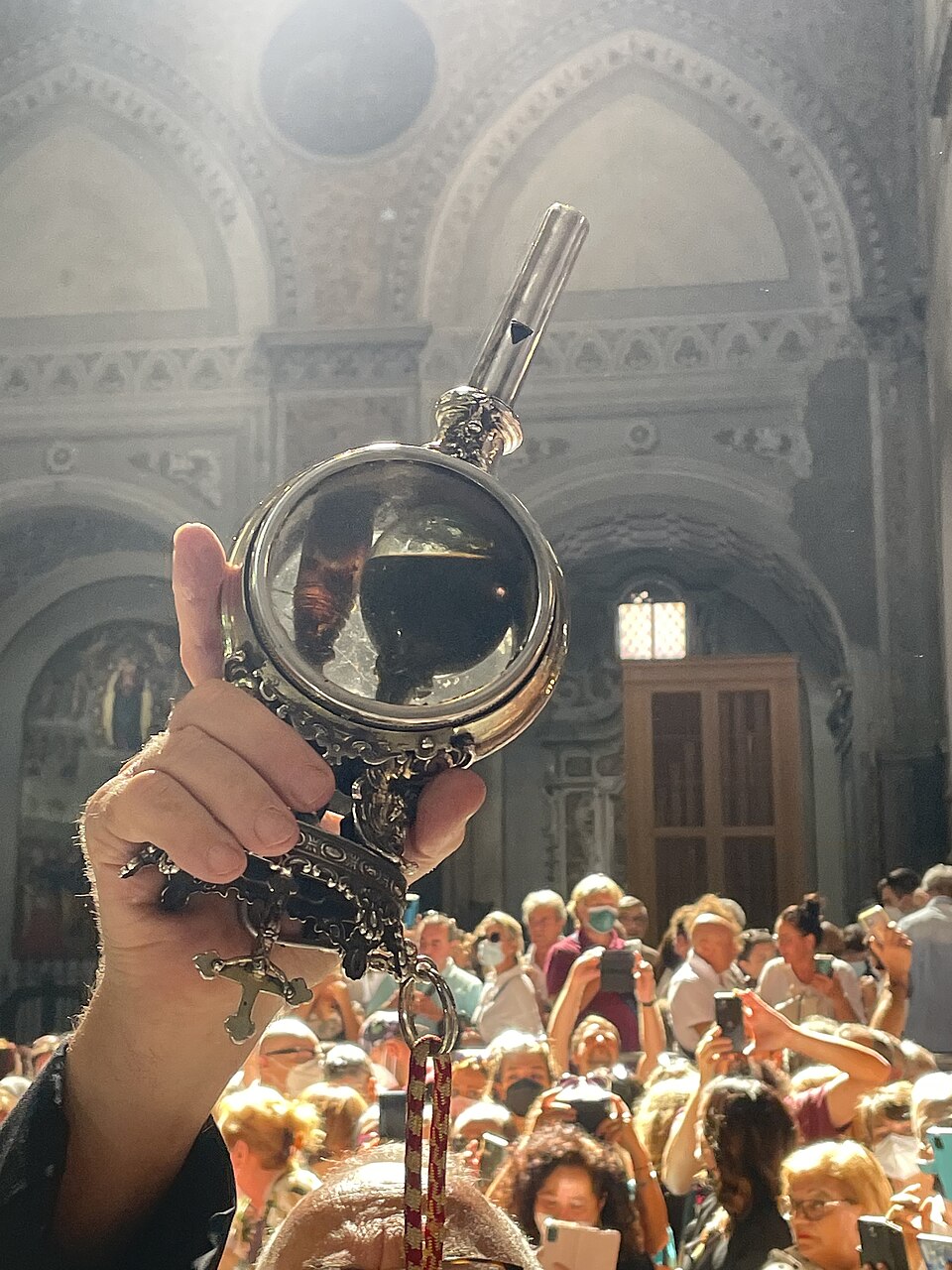
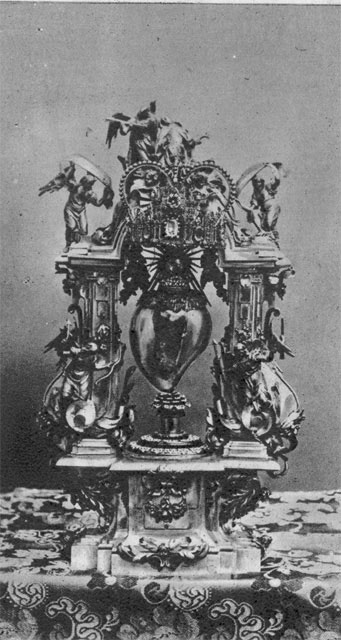
At the public celebrations of Saint Januarius in Naples, the mass preserved in the reliquary repeatedly becomes liquid. The faithful observe the change in the sealed vessel and thank God for the event venerated as a blood miracle. This tradition of observation reaches back to the late Middle Ages. The Church of Naples connects it with Holy Mass, prayer, and veneration of its martyr patron. The liquefaction is a real, publicly observable phenomenon. Explaining it requires close consideration of the relic itself; a reproduced model material cannot replace examination of the original.

Venerated and publicly observed phenomenonRead →
Signs in the Lives of the Saints

Teresa of Ávila: The Piercing of the Heart

Ávila; heart relic in Alba de Tormes · Around 1560; described in the Book of Her Life

In the Book of Her Life, Teresa of Ávila attests to a special grace of divine love: an angel appeared with a golden, fiery point and pierced her heart to its innermost depths. The experience filled her with intense pain and, at the same time, a love for God from which she did not wish to be released. Teresa herself describes how spirit and body shared in it. She submitted her experiences to spiritual advisers for examination and carried their fruits into the reform of Carmel. The Church venerates the transverberation as a special grace in the saint's life; it is commemorated liturgically in Carmel.

Mystical grace venerated by the ChurchRead →
Signs in the Lives of the Saints

The Manna of Saint Nicholas in Bari

Basilica of San Nicola, Bari · Medieval tradition; investigations 1925

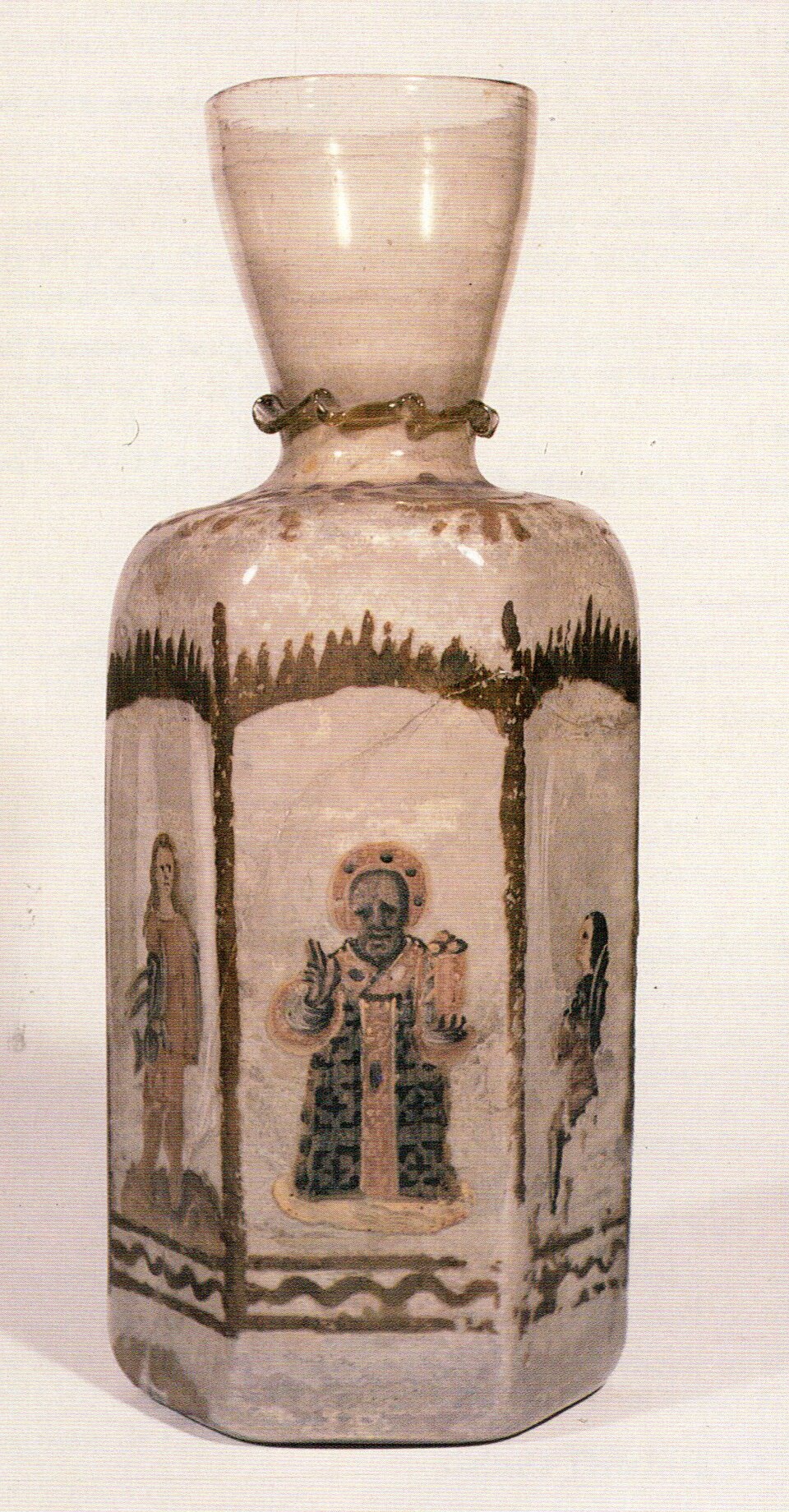
A small amount of water still collects at Saint Nicholas's tomb in Bari and is venerated as manna or myron. The tradition reaches back to his burial place in Myra and continued in Bari after the transfer of the relics in 1087. The liquid is collected annually on May 9. Investigations by the University of Bari in 1925 found nearly pure water and clear differences from an external comparison sample of that time. The published reports preserve the measurements. The manna connects the saint's memory with prayer for his intercession; the precise physical origin of the water remains a subject of separate questions.

Venerated relic fluid; origin debatedRead →
Miracles · Catholon · EnglishUnderstand the relevant investigative approach · Image credits