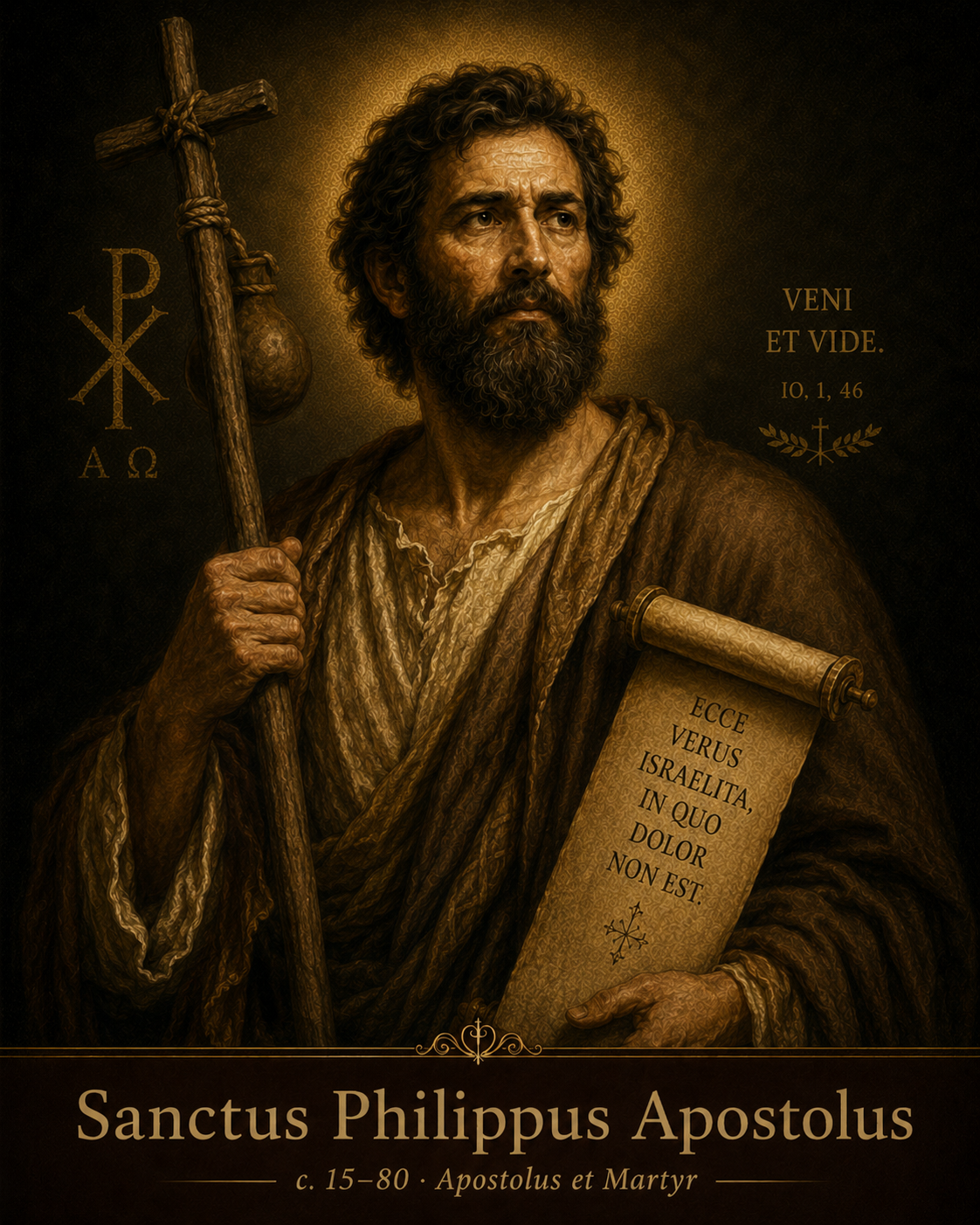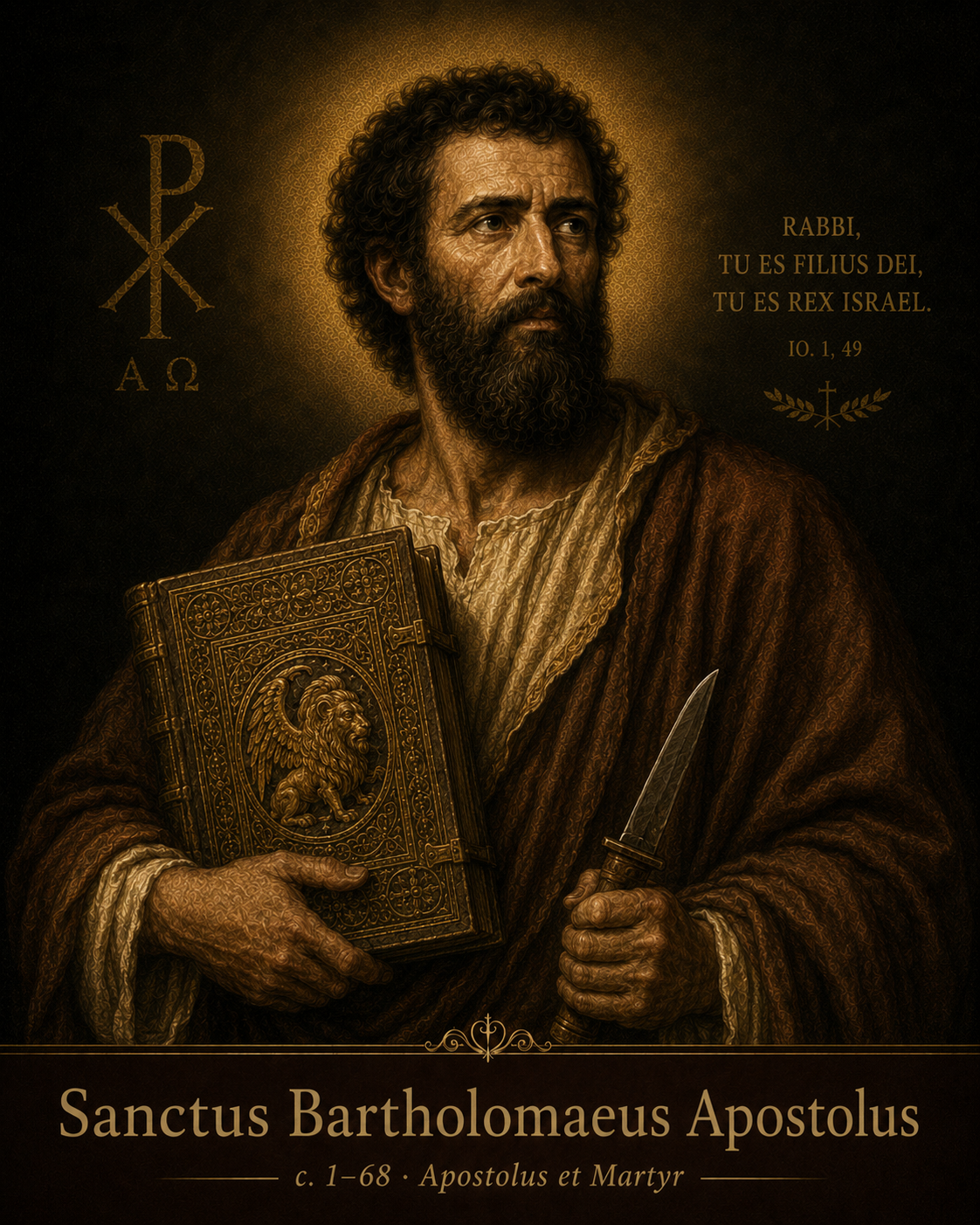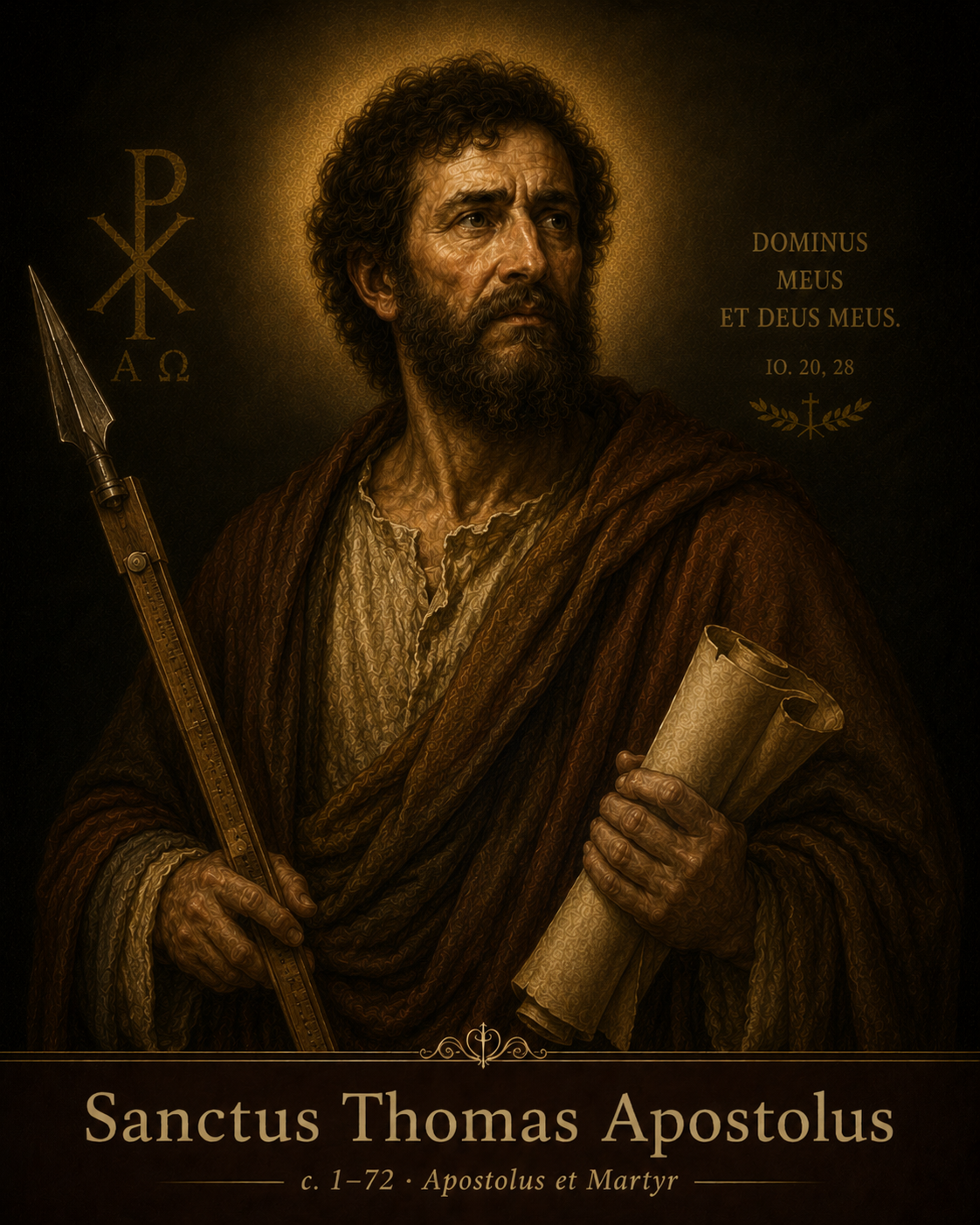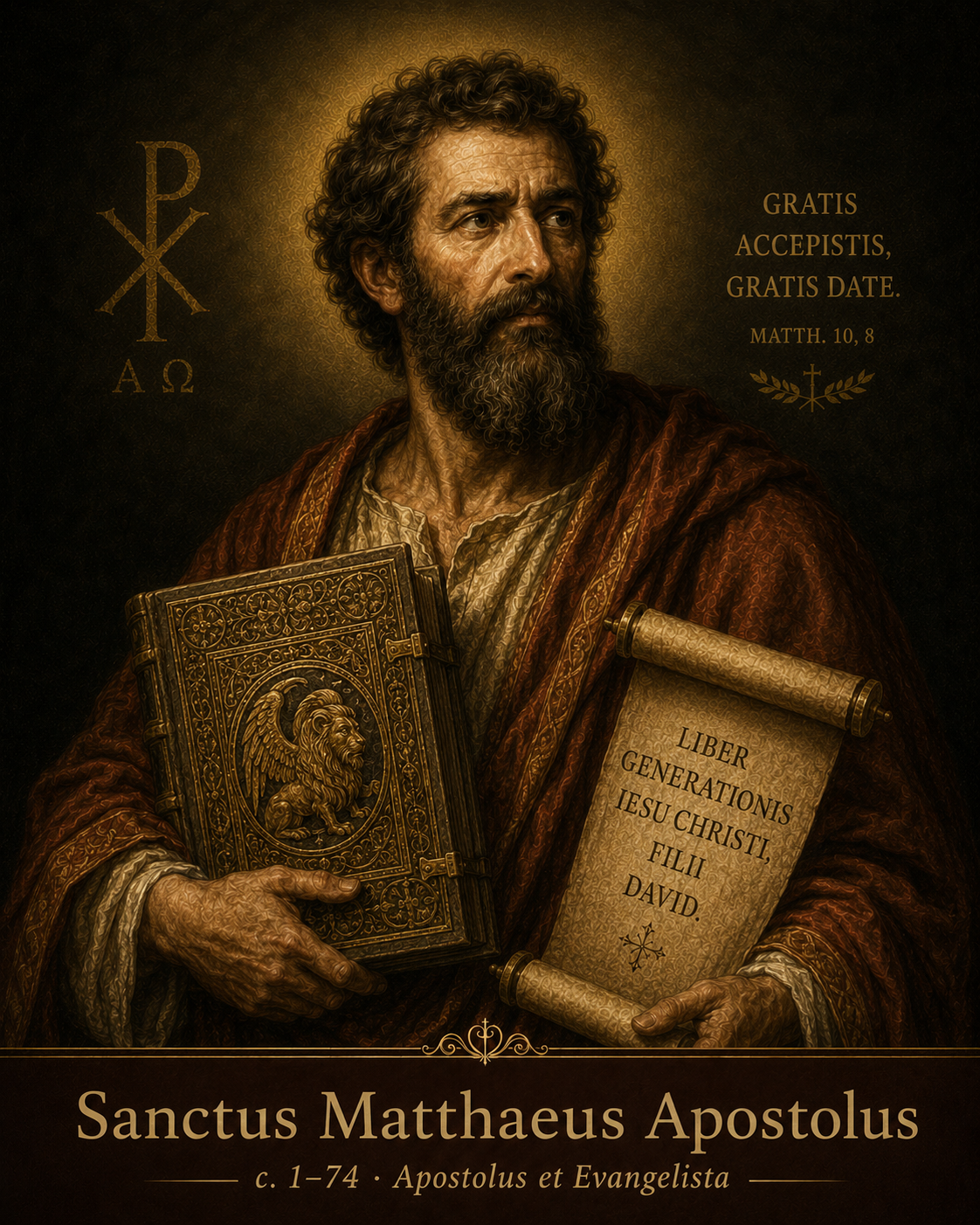
Apostoli Domini

The Twelve Apostles and Paul

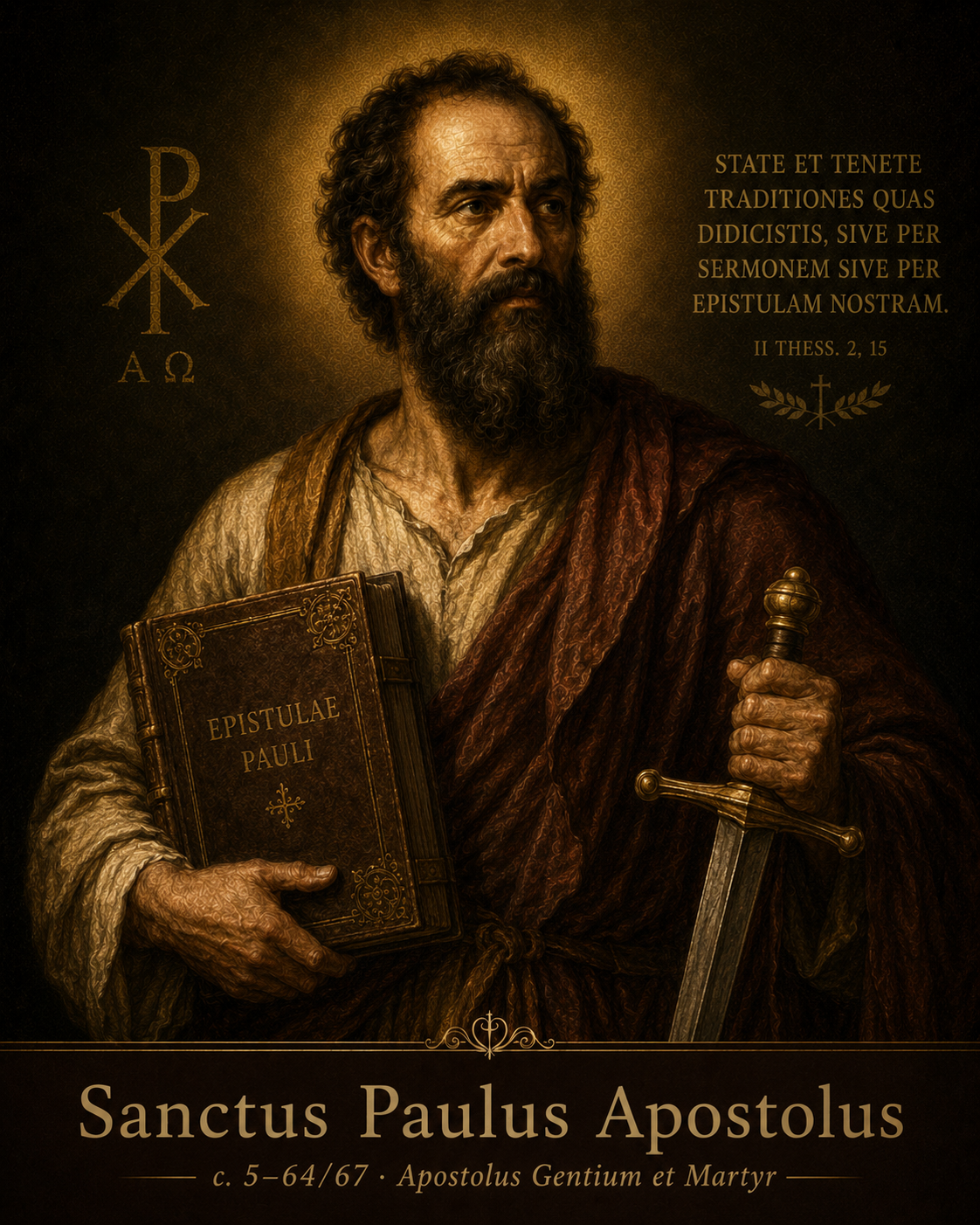
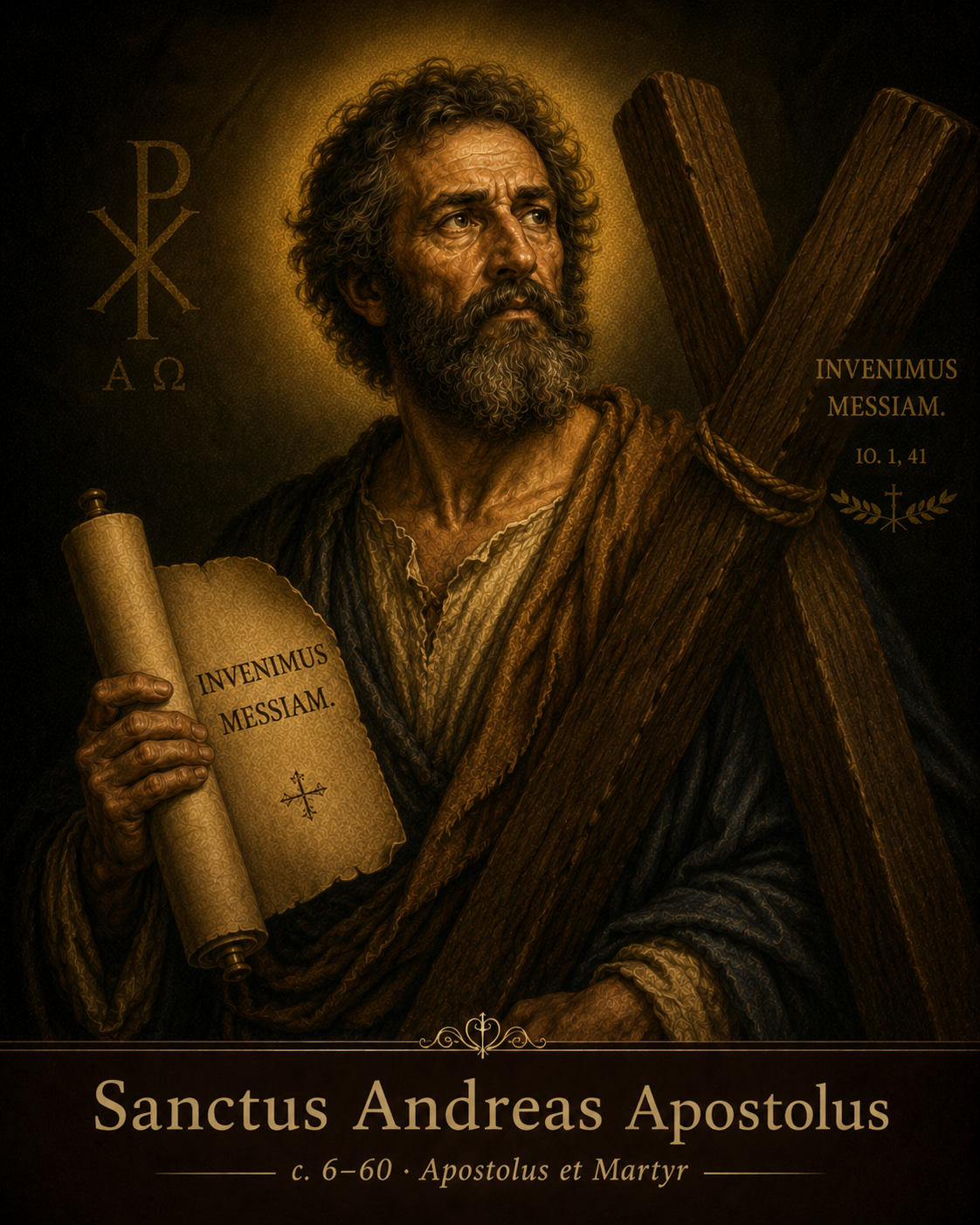
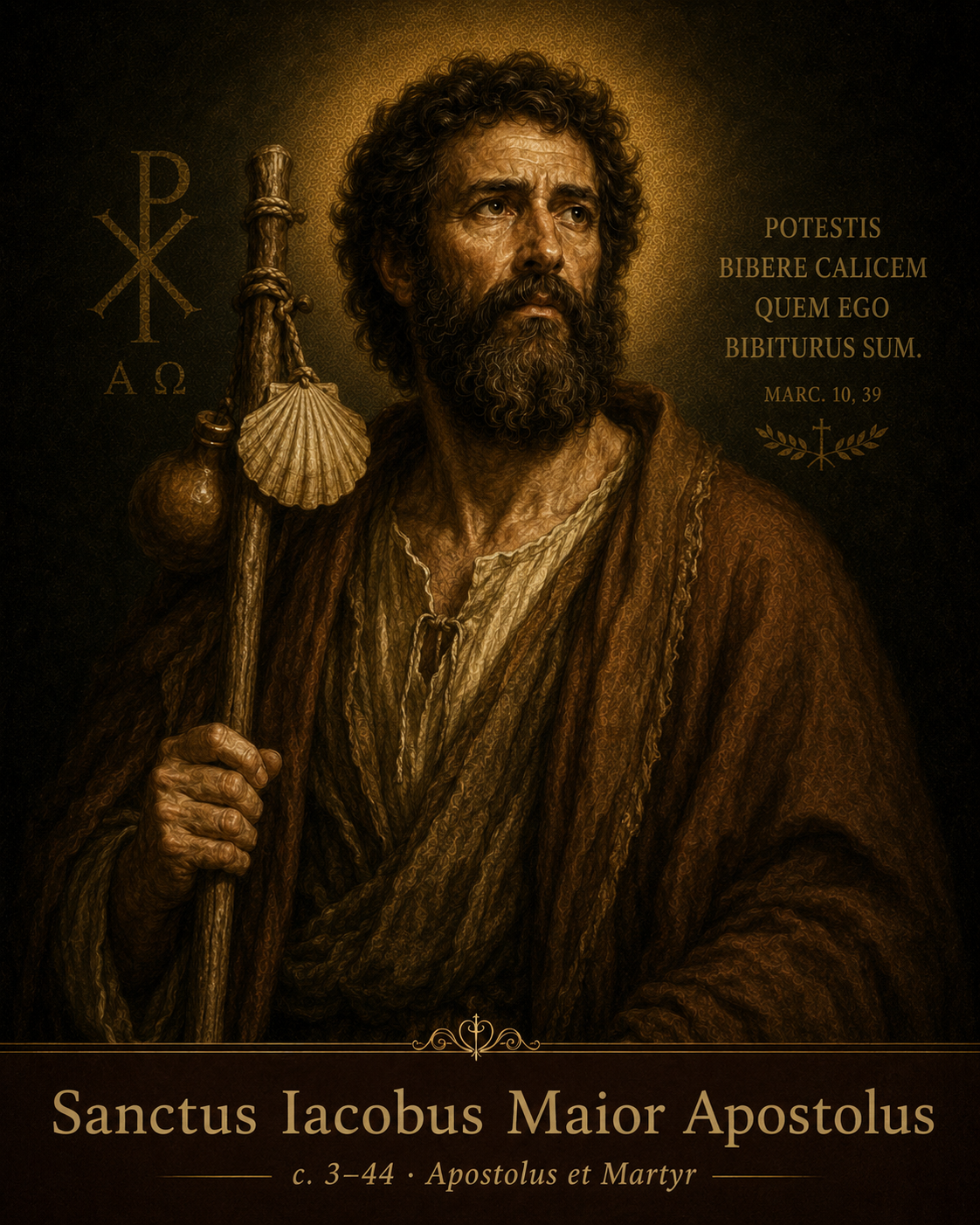
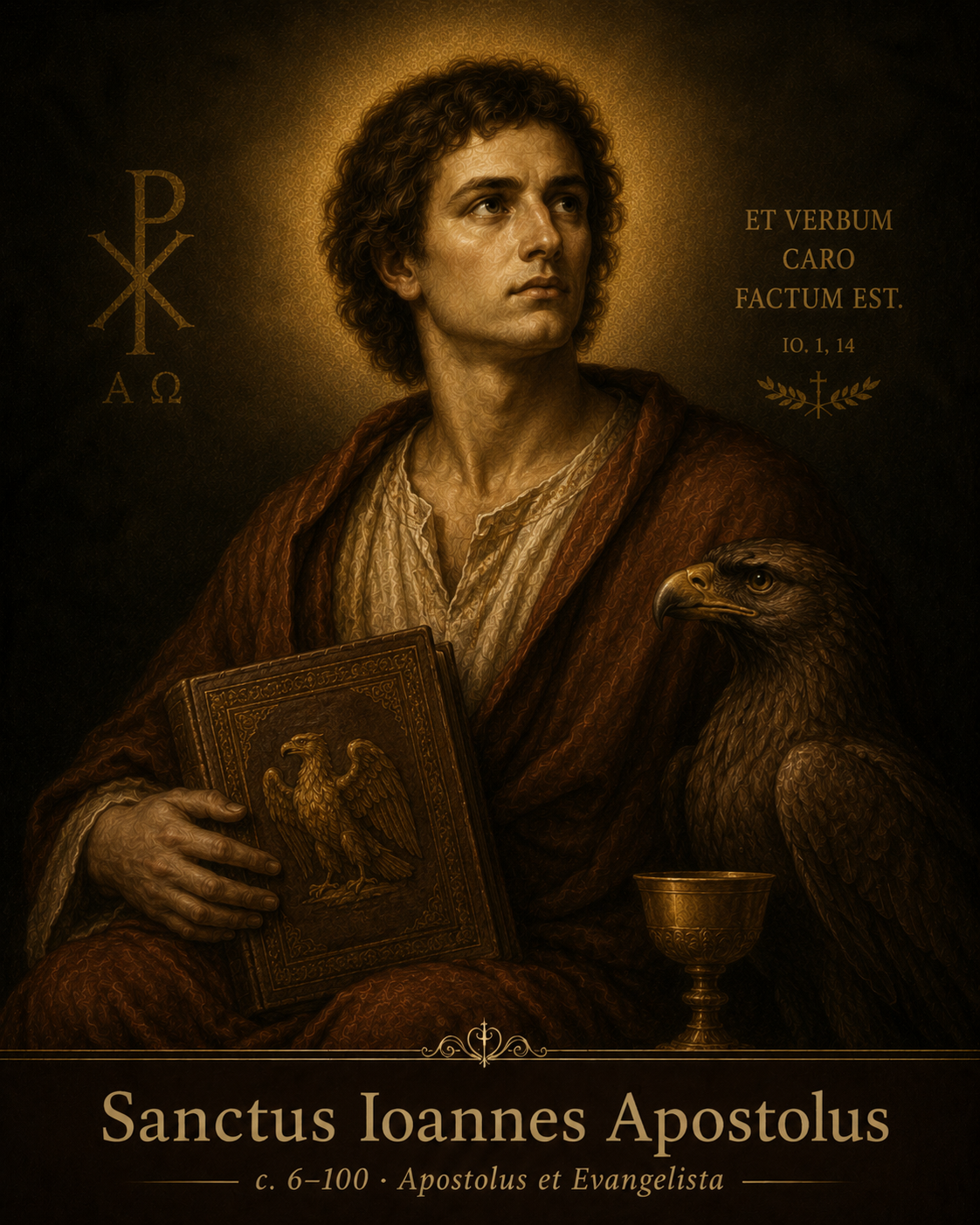
The apostolic Church begins with men chosen, formed and sent by Christ: witnesses of His Resurrection, teachers of His doctrine, ministers of baptism and the Eucharist, and foundations of the visible Church that continues through episcopal succession.

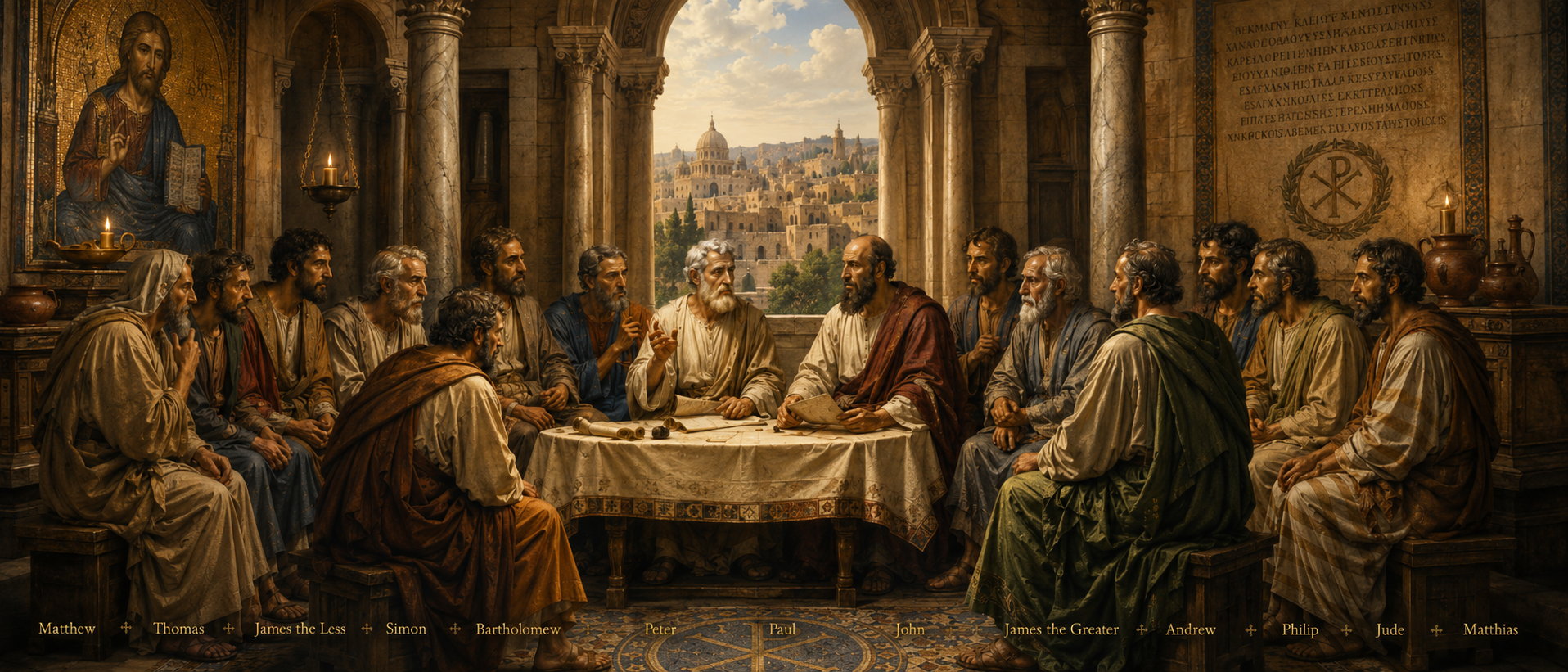
The apostles gathered in council with Saint Paul
The apostles gathered around the apostolic witness.

Apostolic foundation

Christ forms a visible apostolic body before the Church spreads to the nations

The apostles are not merely inspiring figures. They are a corporate foundation: called by name, taught by the Lord, witnesses of the Resurrection, sent to teach all nations, and entrusted with baptism, Eucharistic worship, discipline and the handing on of doctrine.

Calling and formation

The apostolic history begins before Pentecost. Christ chooses the Twelve, gives them authority, teaches them the mysteries of the kingdom, corrects their false expectations and prepares them to confess Him before Israel and the Gentiles. Their faith is personal, but their mission is public and ordered.

Peter and the apostolic college

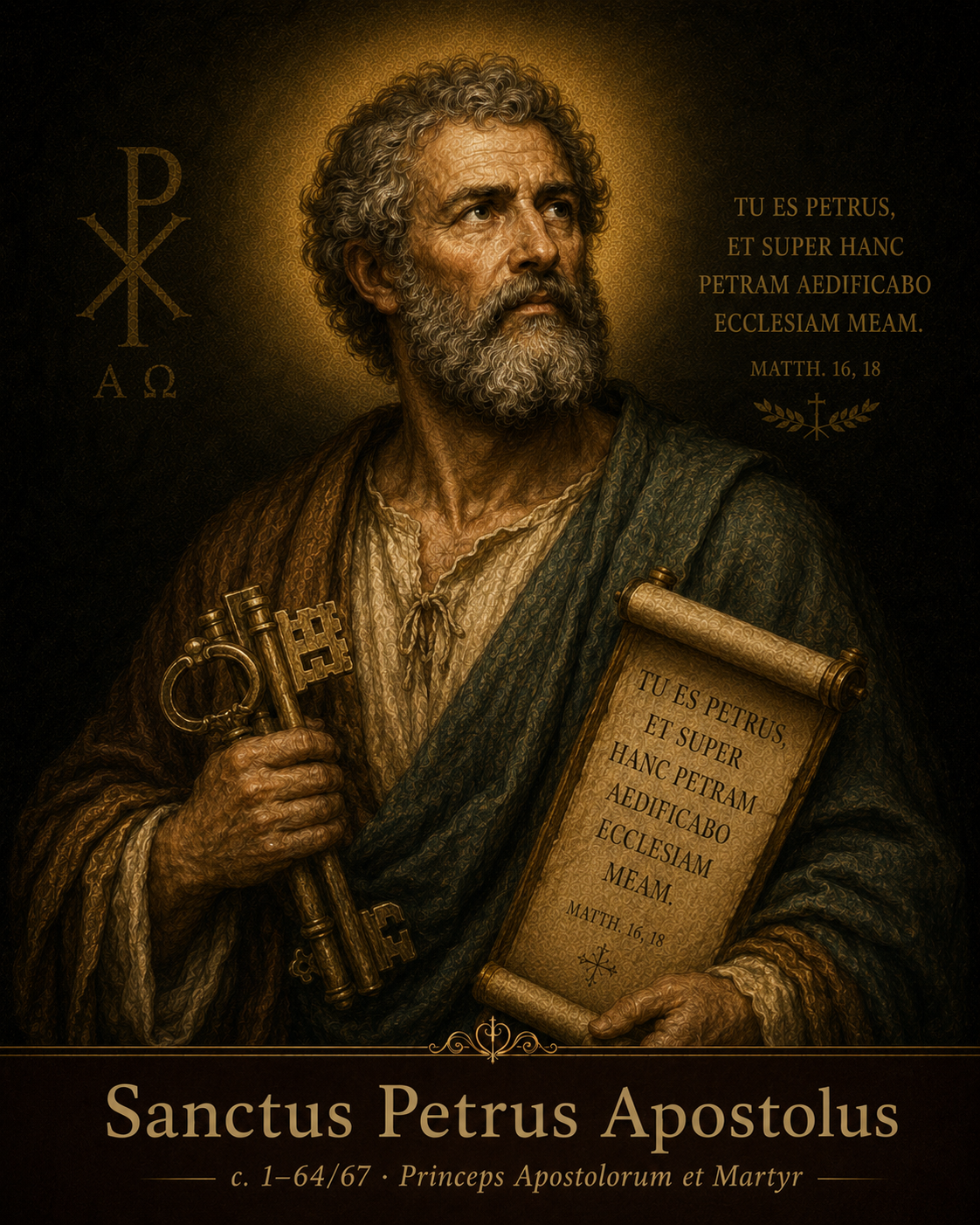
Peter is named first and receives a distinctive charge, yet the apostolic mission is not reduced to a private individual. The Twelve act as a college around Christ, with Peter serving as visible principle of unity and witness in decisive moments of confession, preaching and judgement.

Scripture inside mission

The New Testament is written from inside this living apostolic mission. Gospels, Acts, epistles and Apocalypse do not replace the apostolic Church; they witness to its Lord, doctrine, worship and discipline.

Sacramental order

The apostolic preaching is joined to baptism, laying on of hands, Eucharistic breaking of bread, forgiveness of sins and pastoral government. Doctrine and sacramental life belong together from the beginning.

Succession

As the apostles found local churches, they appoint and form ministers. The Church does not survive as memory alone, but as a visible communion with doctrine, worship, shepherds and concrete local sees.

Acts of the Apostles

A short complete course through the apostolic age

The apostolic history moves from Jerusalem to the ends of the earth. The line is not chaotic: prayer, preaching, baptism, Eucharist, persecution, councils and missions form a single visible expansion.

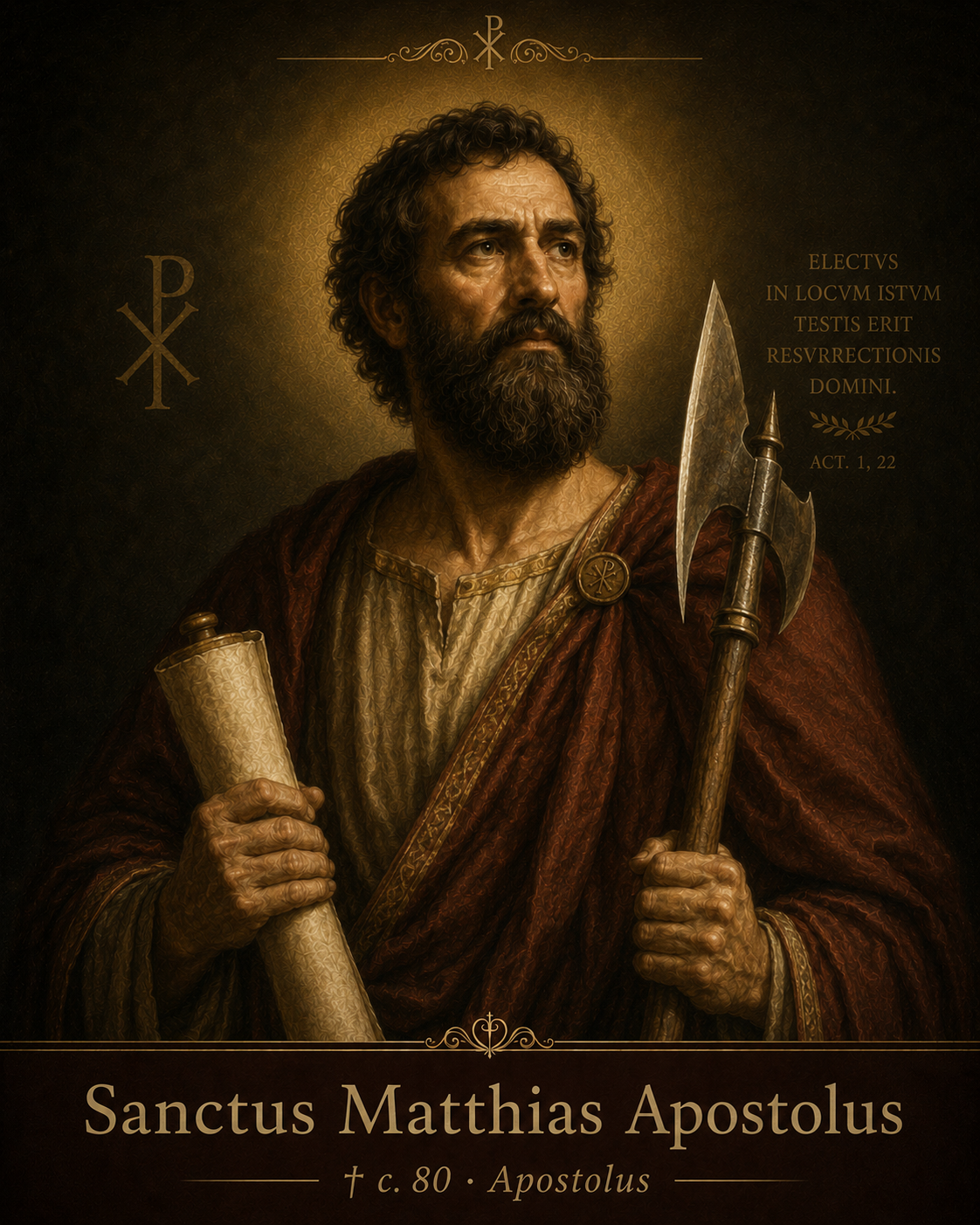
1 · Ascension and waitingThe disciples gather in prayer with Mary; Matthias is chosen so that the apostolic number is restored.
2 · PentecostThe Holy Ghost descends; Peter preaches Christ crucified and risen; baptism gathers the first visible community.
3 · JerusalemThe Church perseveres in apostolic teaching, fellowship, breaking of bread and prayers, while persecution begins.
4 · SamariaThe mission crosses the first boundary; apostolic laying on of hands confirms ecclesial unity.
5 · AntiochA new missionary centre emerges; disciples are called Christians and the Gentile mission becomes public.
6 · PaulThe persecutor becomes apostle to the nations, binding synagogue preaching, Gentile conversion and local churches.

Mission map

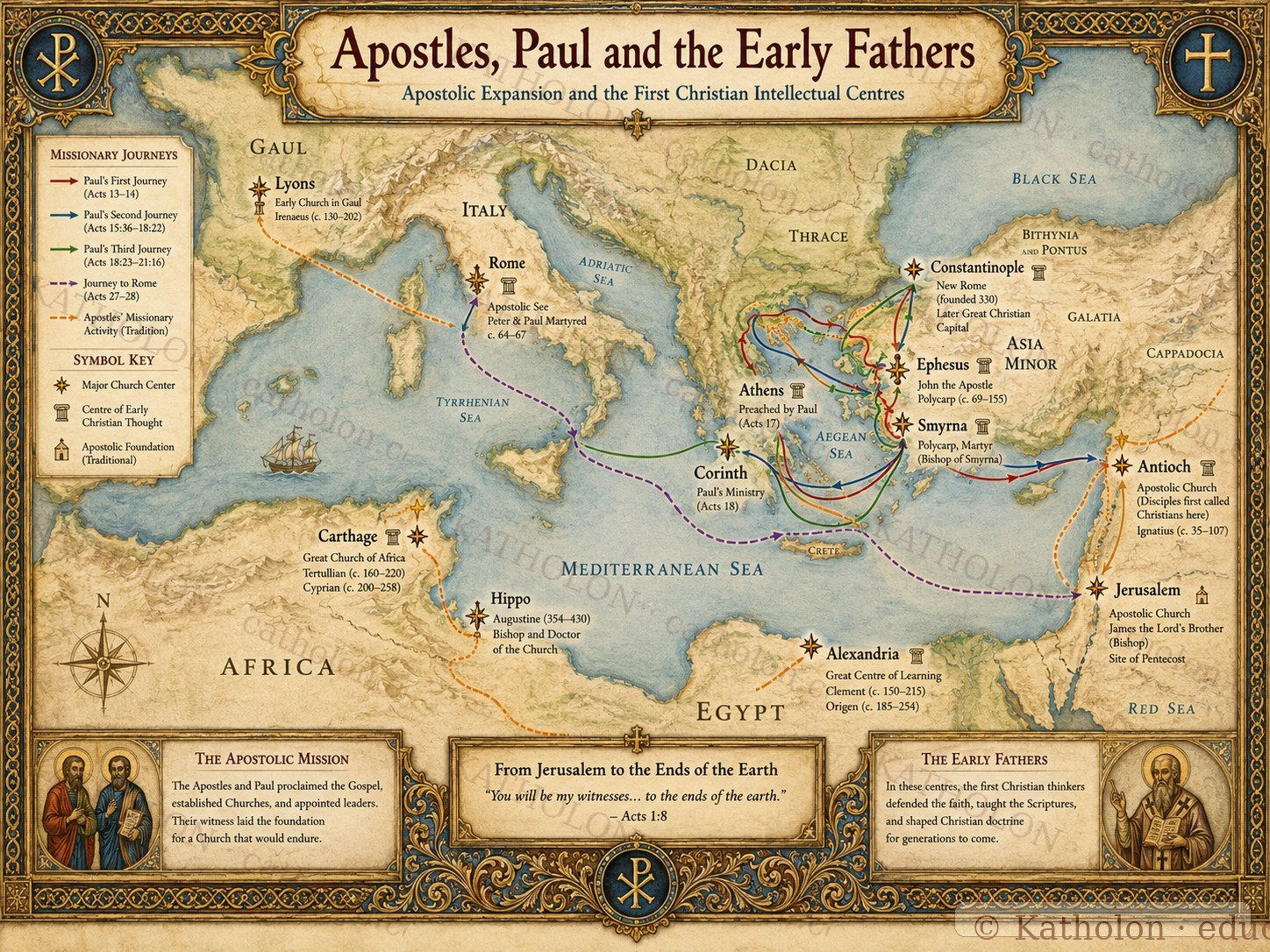
Apostolic journeys and early expansion

The map shows the movement from Jerusalem toward Antioch, Asia Minor, Greece, Rome and the wider apostolic horizon. It joins the biblical narrative of Acts with later ecclesial memory: apostolic churches, martyrdoms, missionary routes and early centres of succession.

Click the map to enlarge it. The enlarged view is meant for study: the page remains readable, while the map opens as a focused visual tool.

Apostolic journeys and the early spread of the Church
Apostolic journeys and early expansion.The history map links Jerusalem, Antioch, Pauline routes, apostolic cities and the first expansion of the Church.

Mission history

From one upper room to many local churches

Apostolic mission is not simple travel. It is the extension of one doctrine, one baptism and one Eucharistic communion into new peoples and cities.

PhaseMovementEcclesial meaning
JerusalemPeter, John, James and the apostolic group preach in the Temple area and form the first community.The Church appears publicly as a worshipping, teaching and sacramental body.
Judea and SamariaPersecution scatters believers; Philip preaches; Peter and John confirm communion by apostolic visitation.Expansion remains tied to apostolic oversight, not independent enthusiasm.
AntiochJewish and Gentile believers are formed into a missionary church; Barnabas and Paul are sent.The Gentile mission receives stable ecclesial form.
Asia Minor and GreecePauline missions found churches in cities such as Philippi, Thessalonica, Corinth and Ephesus.Episcopal, presbyteral and diaconal structures begin to appear around apostolic doctrine and worship.
Jerusalem CouncilThe apostolic Church decides the Gentile question in council, with Scripture, testimony and authoritative decree.Acts 15 becomes the biblical pattern for conciliar judgement.
RomePeter and Paul bear witness in the imperial city and seal the Roman Church with martyrdom.The Roman succession becomes the visible reference point of catholic unity.

Doctrine and organisation

The apostolic Church is already doctrinal, sacramental and hierarchical

The apostolic age is sometimes falsely imagined as unstructured enthusiasm. The New Testament itself shows confession, liturgy, office, discipline, councils, excommunication, missionary delegation and succession.

Core proclamation

  • Jesus is the Christ promised by the Scriptures.
  • He was crucified, buried and raised.
  • He sits at the right hand of the Father.
  • He will judge the living and the dead.

Sacramental life

  • Baptism incorporates believers into Christ.
  • The breaking of bread forms Eucharistic communion.
  • Prayer, blessing and laying on of hands accompany ministry.
  • Sin and reconciliation are treated ecclesially.

Visible order

  • Peter and the apostles act publicly.
  • Matthias replaces Judas.
  • Deacons are appointed for ordered service.
  • Presbyters and overseers appear in local churches.

From apostles to bishops

The apostolic office is unique because it rests on direct witness of the risen Lord. Yet the government, teaching and sacramental care entrusted to the apostles continues in the episcopal structure of the Church. This is why later Fathers speak of succession, rule of faith and communion with apostolic sees.

From mission to Catholicity

The movement from Jerusalem to the nations does not create many rival religions. It manifests Catholicity: the same Christ, the same baptism, the same Eucharistic sacrifice and the same apostolic faith taking root in many tongues and peoples.

Continue the study

Follow the apostolic witness through the rest of Katholon