
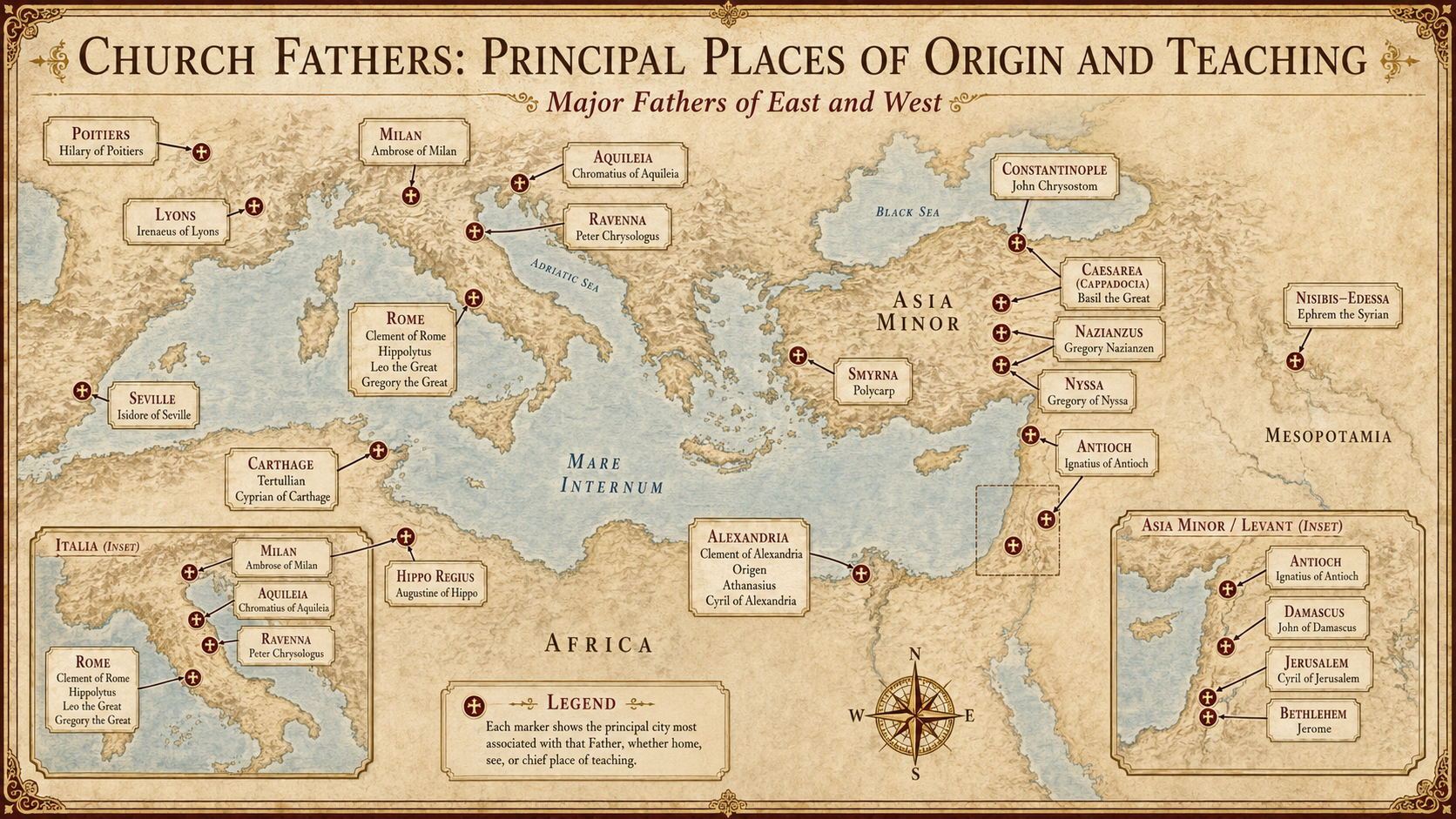
Apostolic nearness
The Apostolic Fathers stand close to the disciples of the Apostles. Ignatius of Antioch, Clement of Rome, Polycarp of Smyrna and the early Roman, Antiochene and Asian witnesses show a Church already visible, hierarchical, sacramental and Eucharistic.
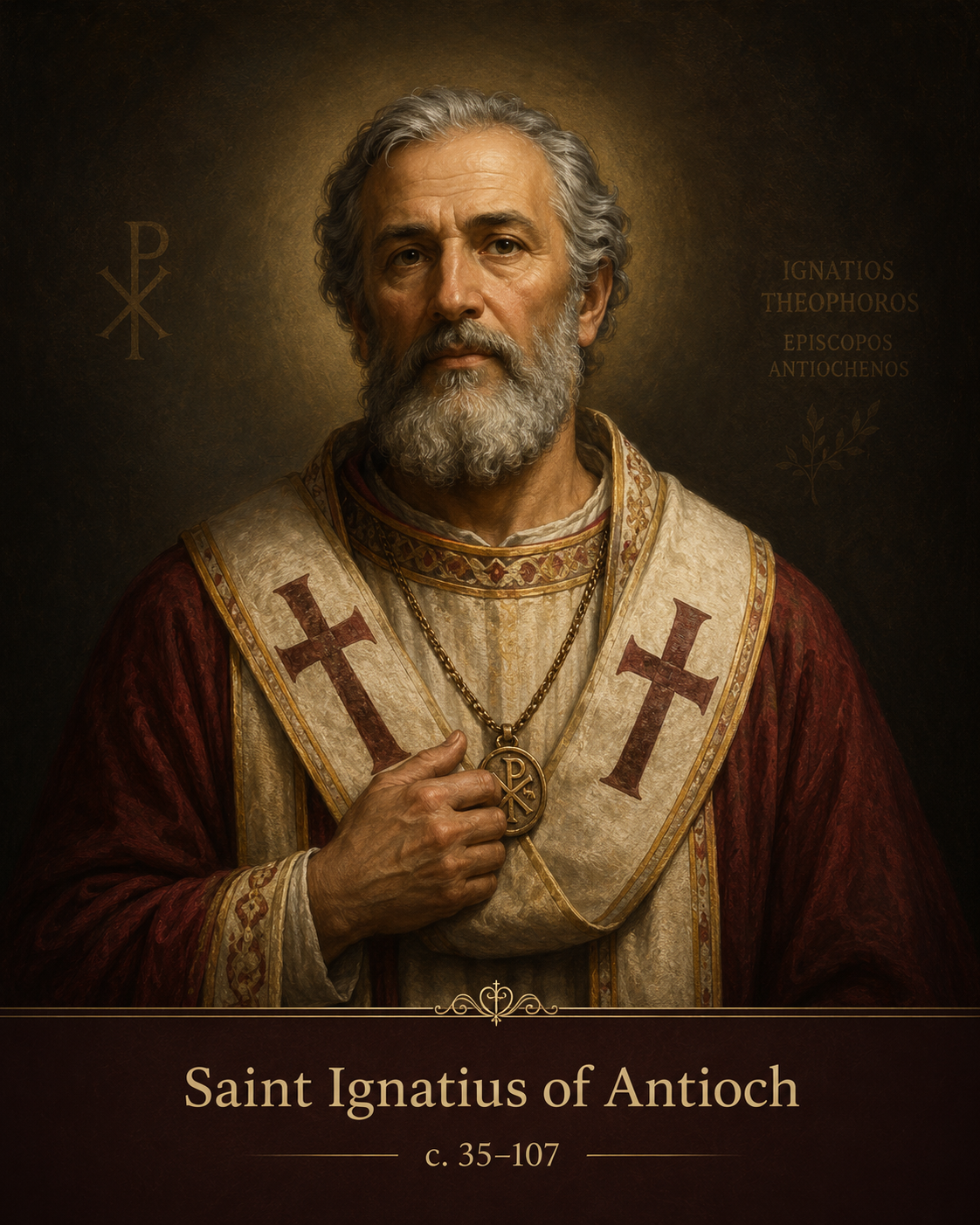 Sanctus Ignatius Antiochenus
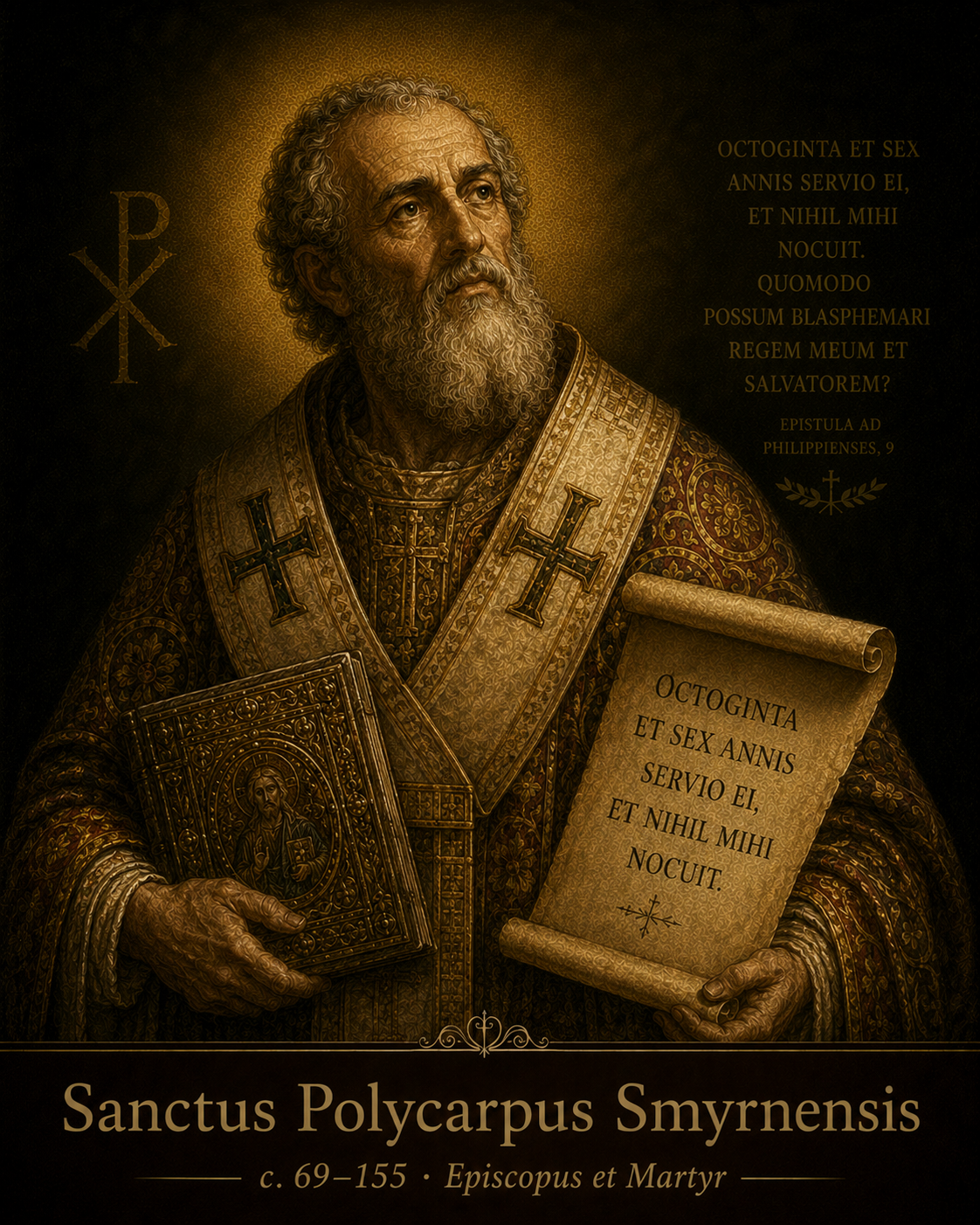 Sanctus Polycarpus Smyrnensis
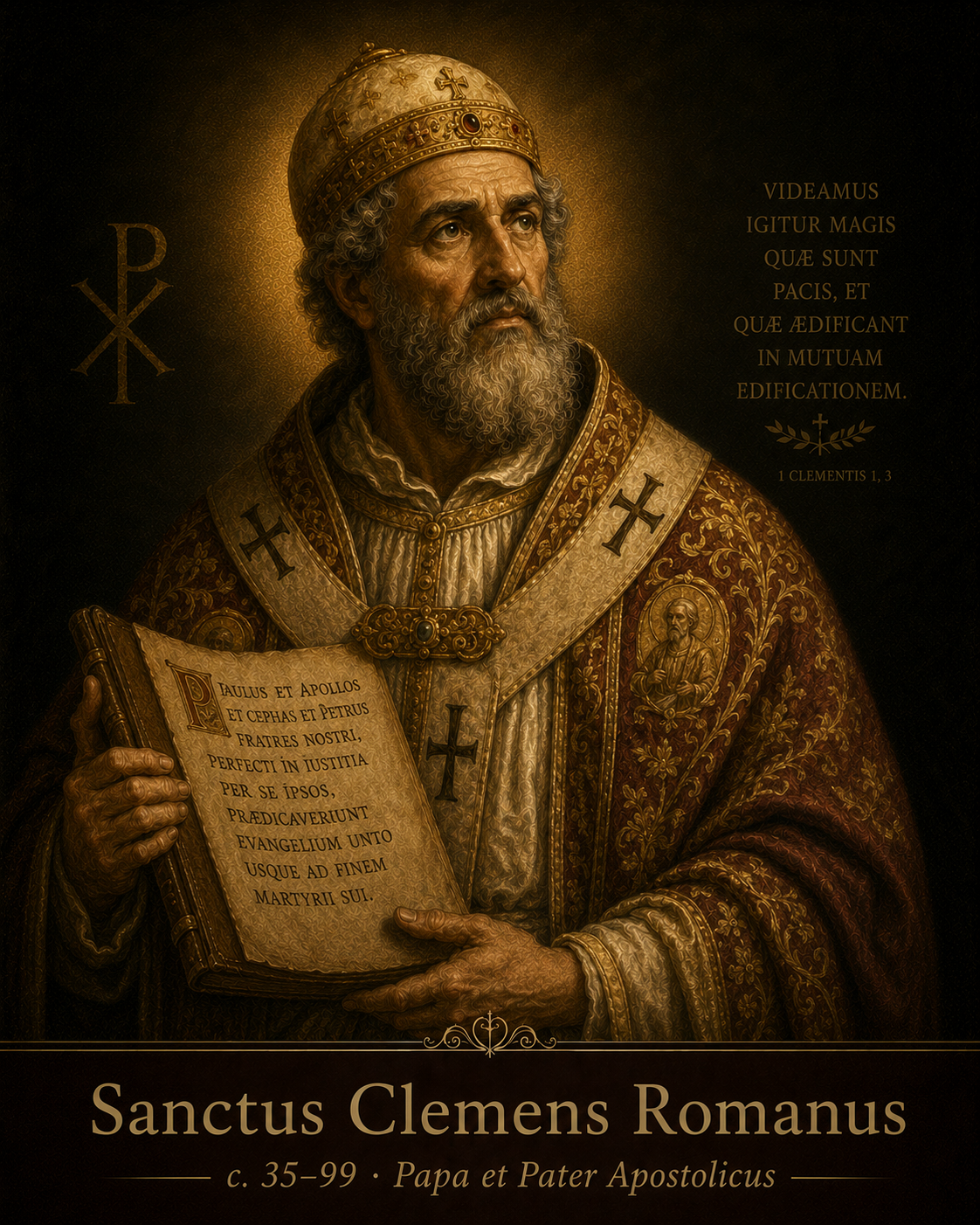 Sanctus Clemens Romanus
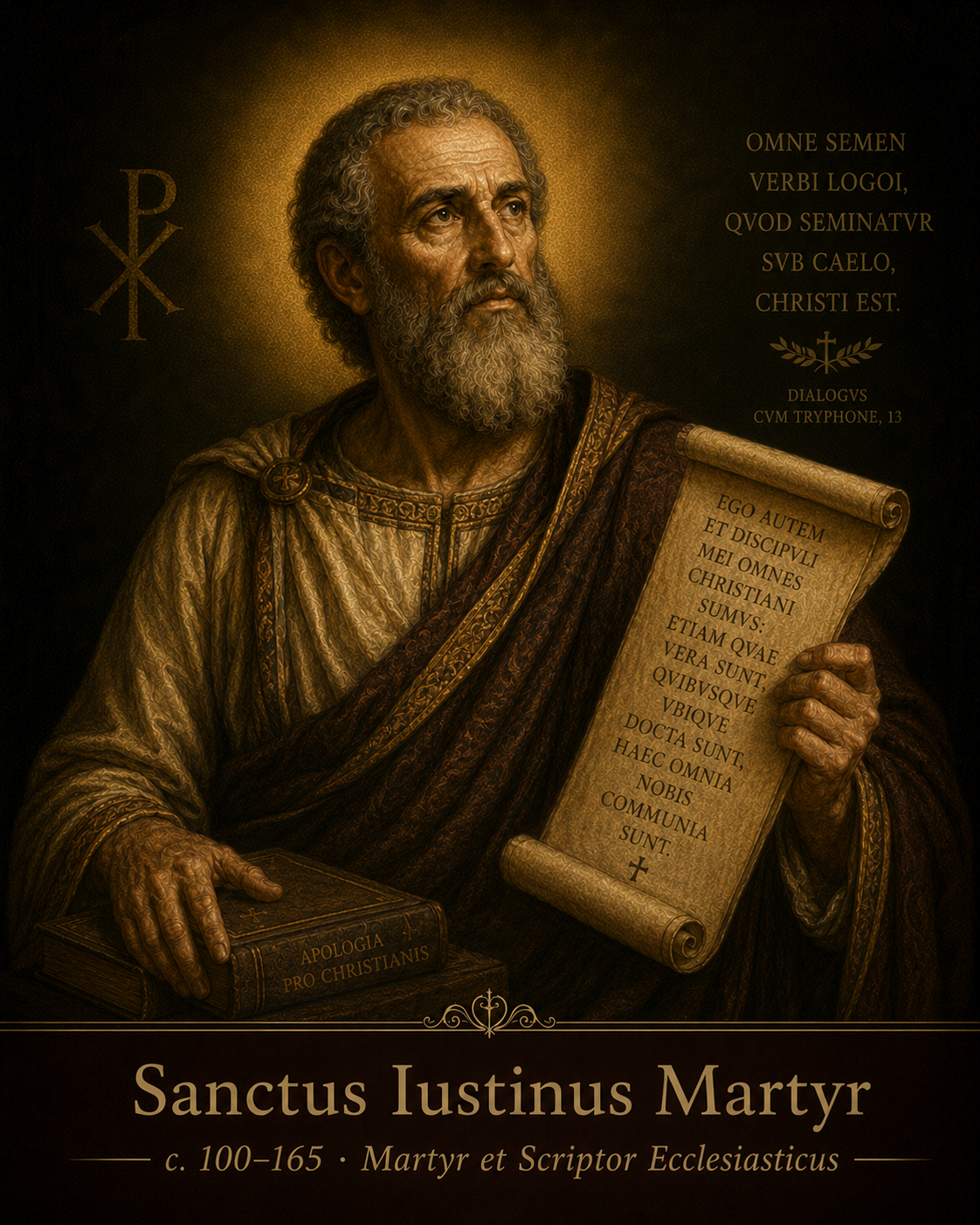 Sanctus Iustinus Martyr
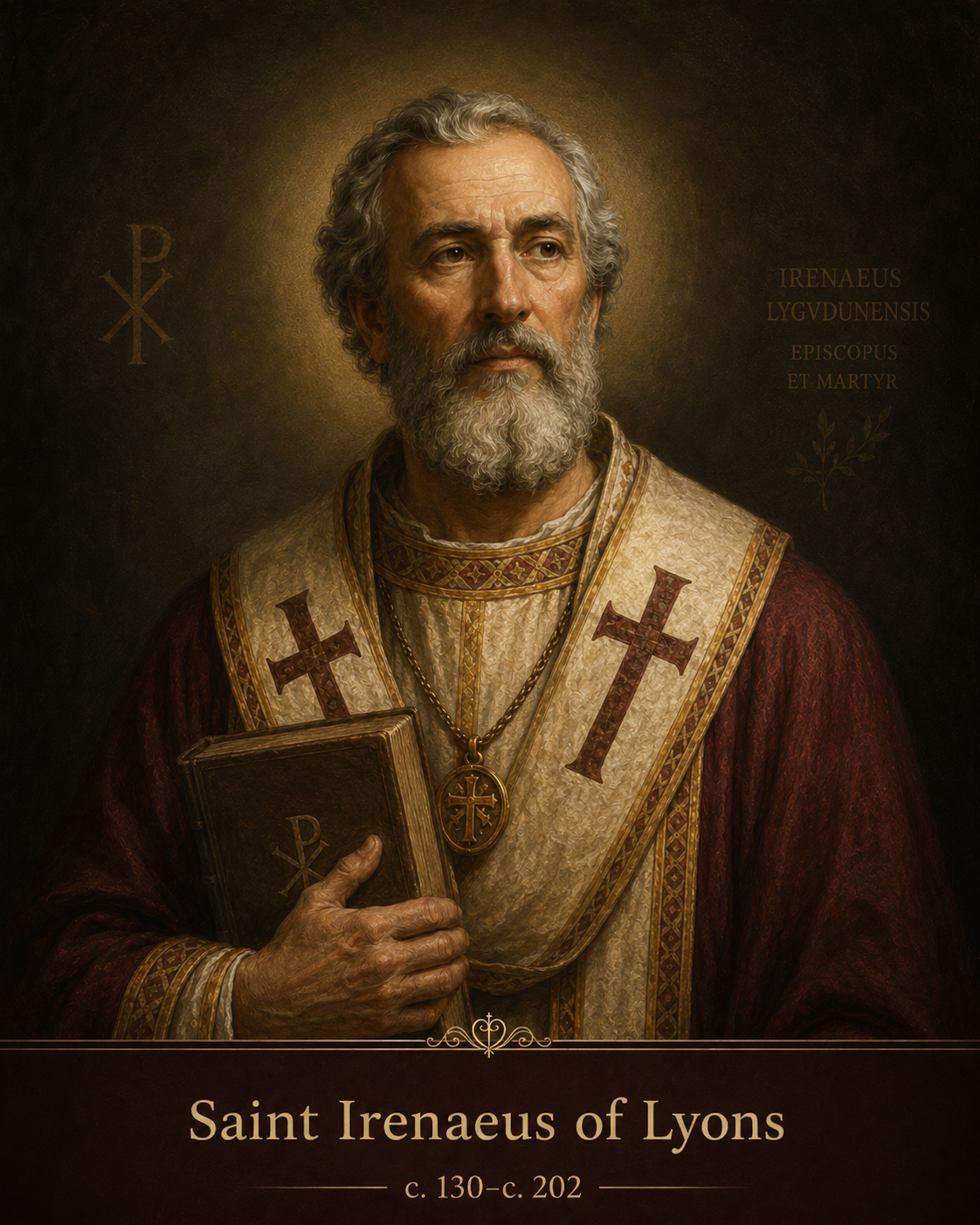 Sanctus Irenaeus Lugdunensis
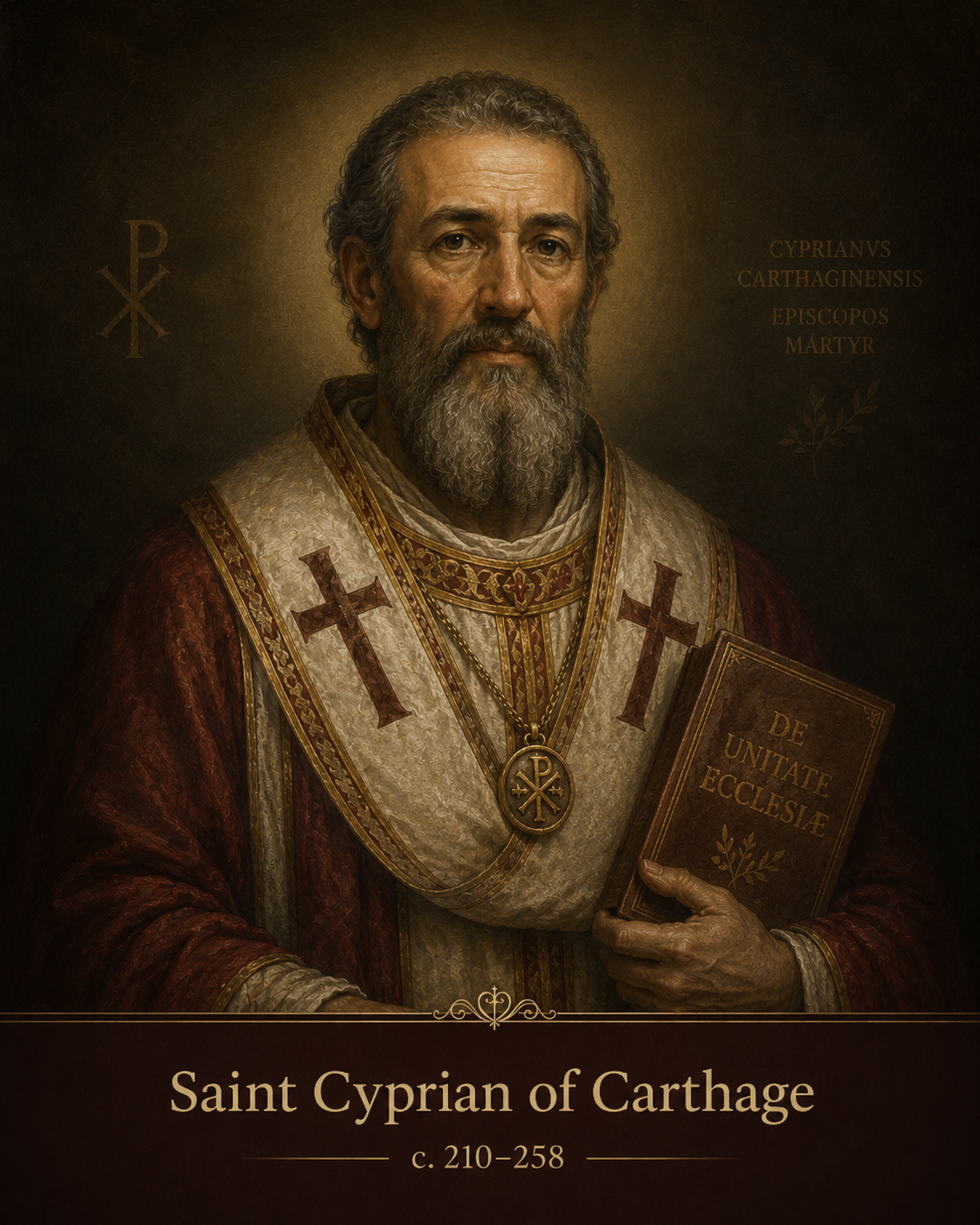 Sanctus Cyprianus Carthaginensis
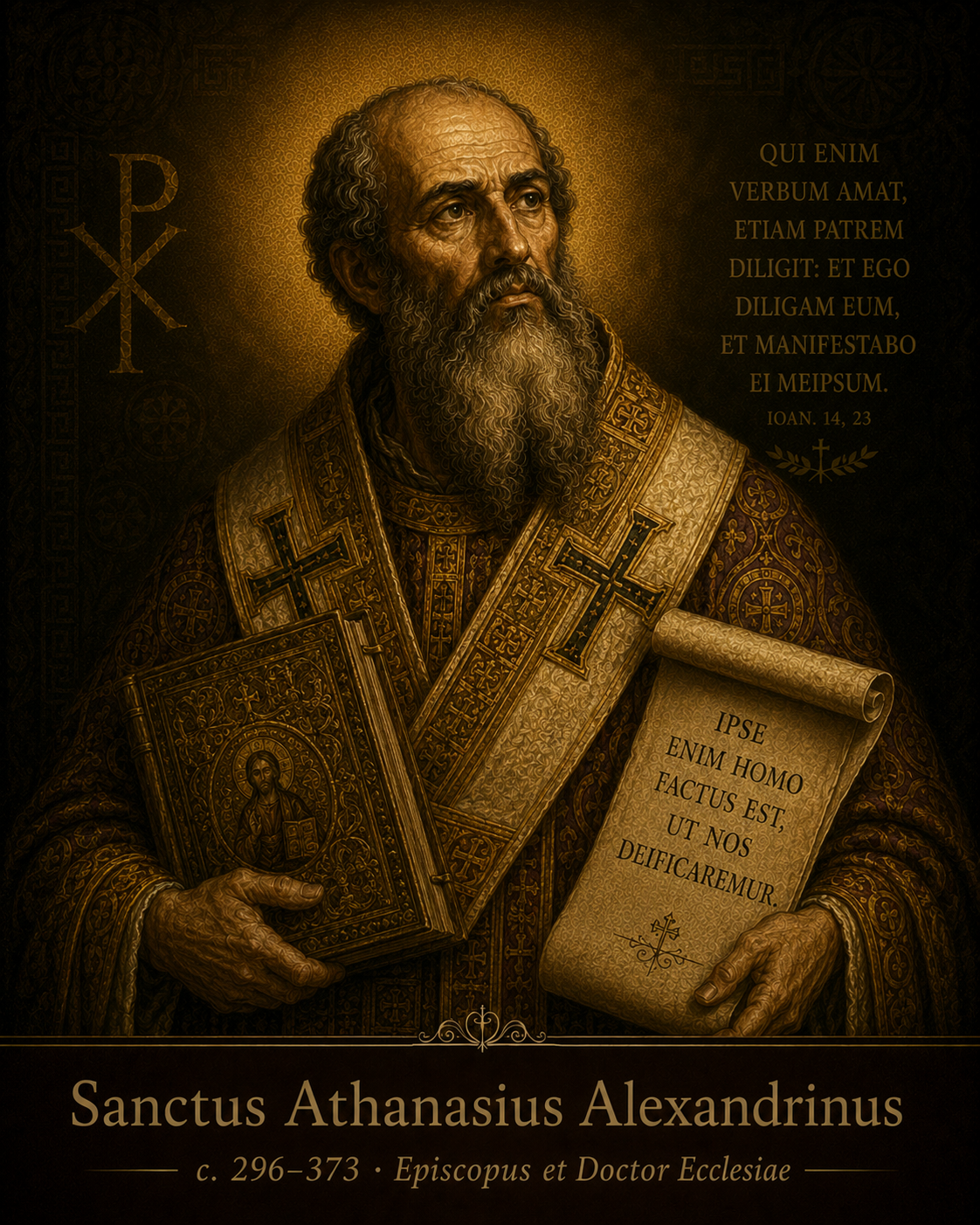 Sanctus Athanasius Alexandrinus
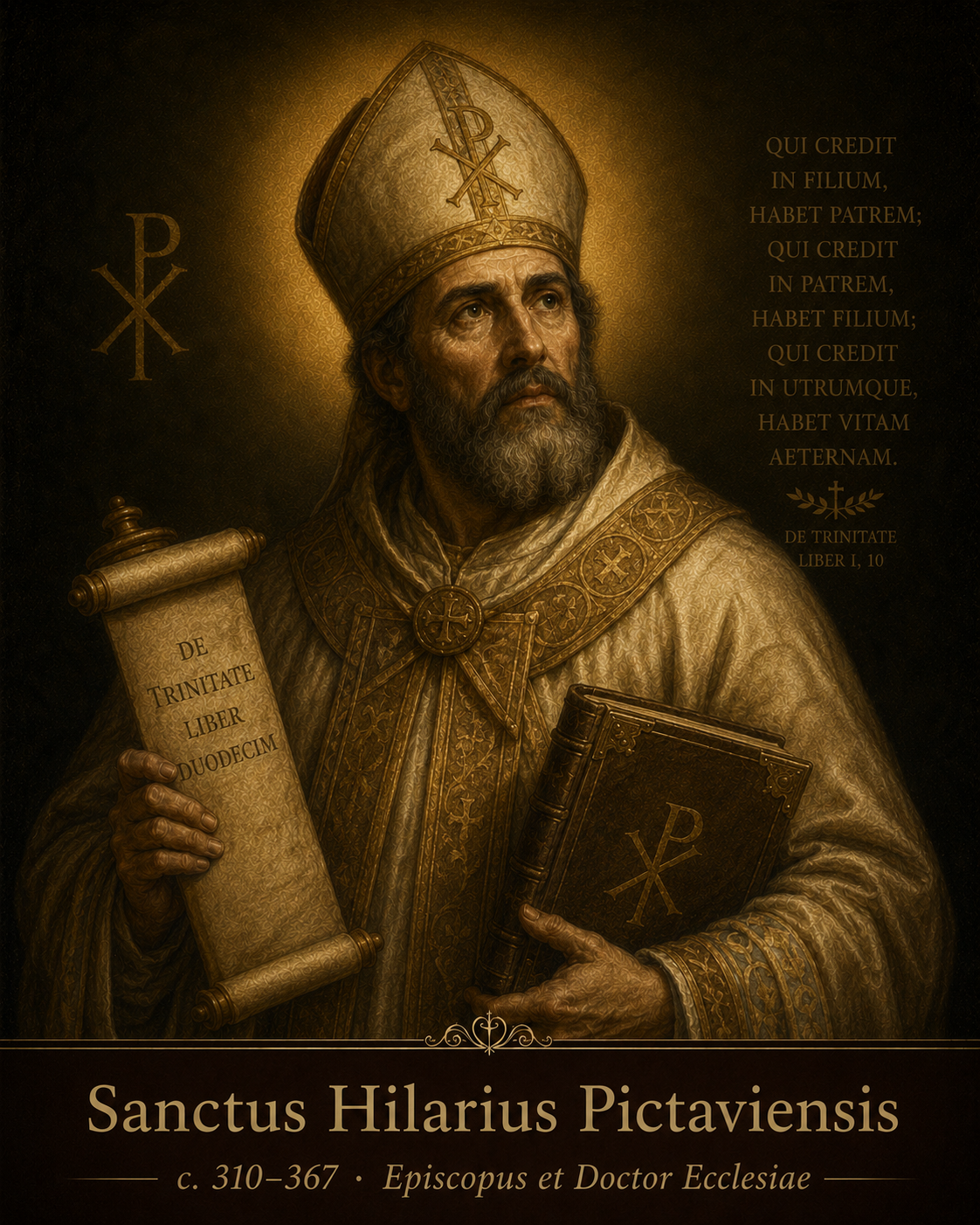 Sanctus Hilarius Pictaviensis
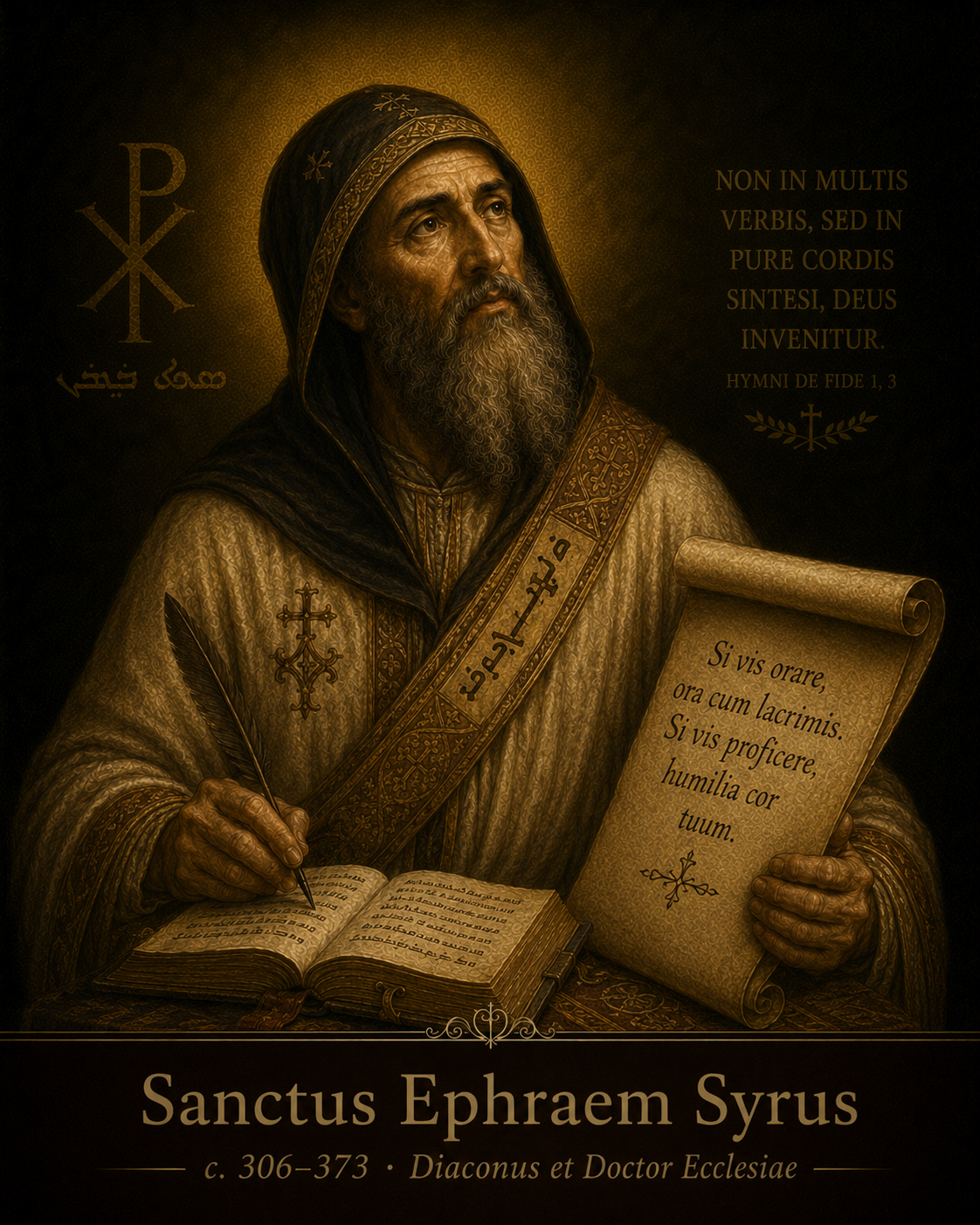 Sanctus Ephraem Syrus
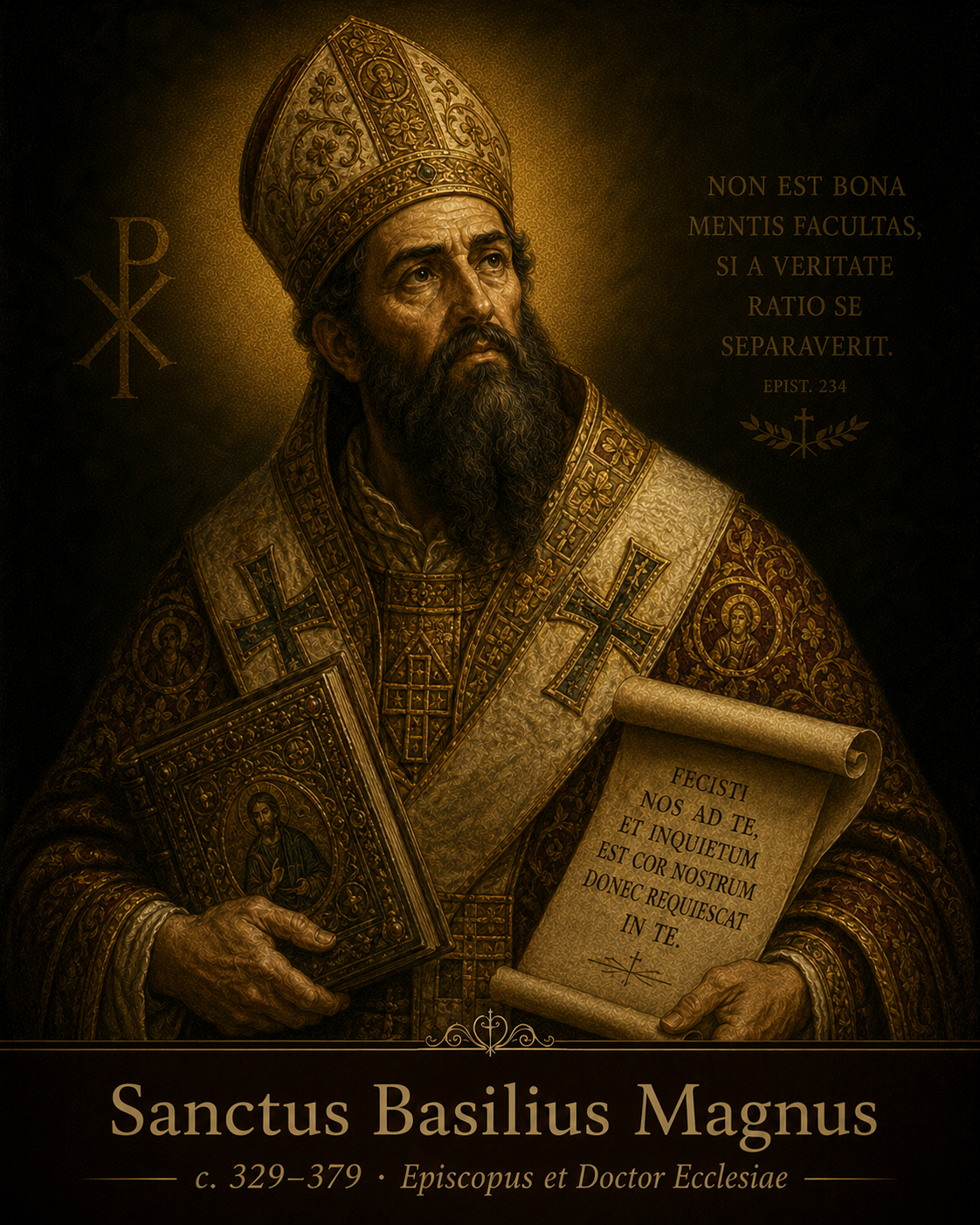 Sanctus Basilius Magnus
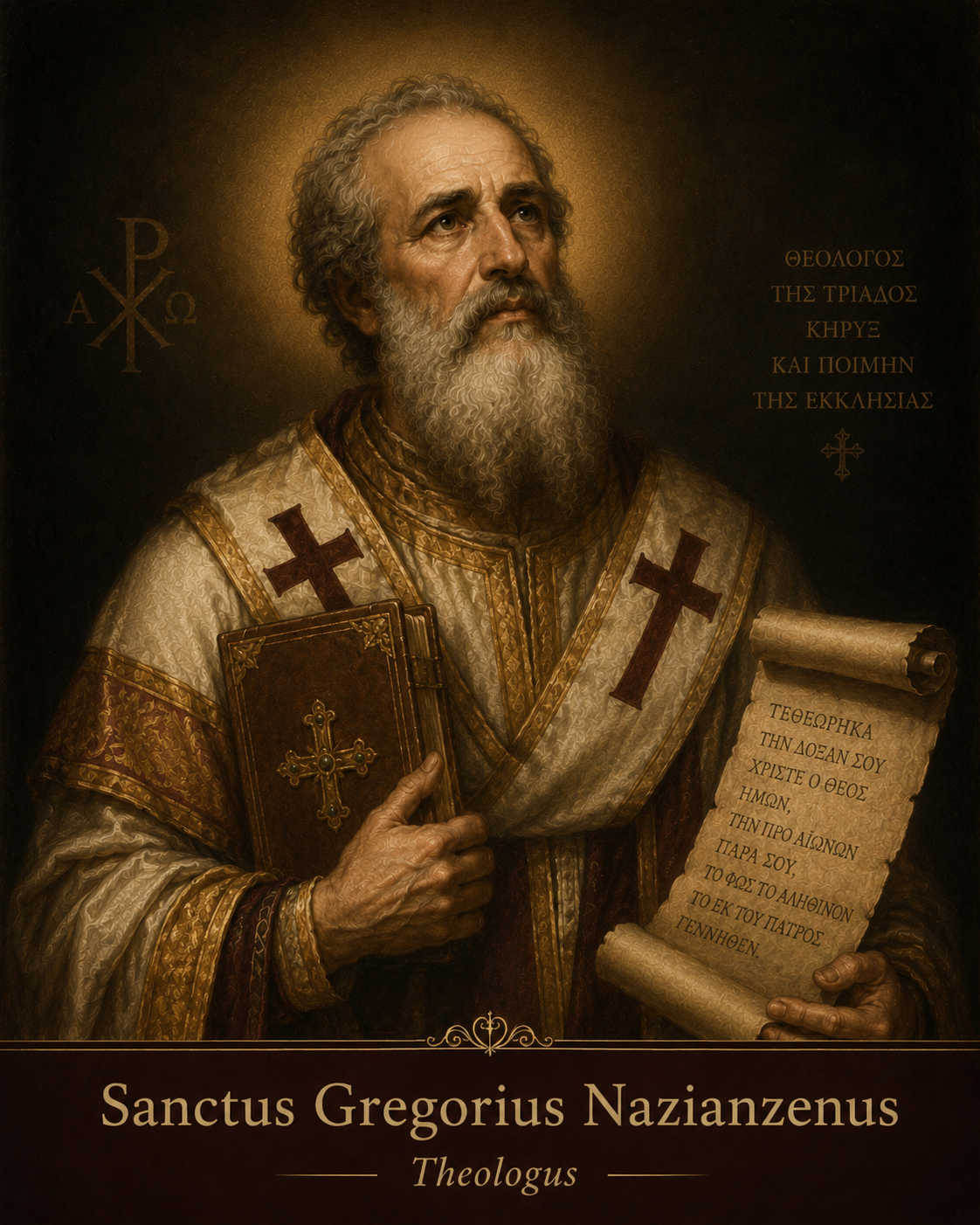 Sanctus Gregorius Nazianzenus
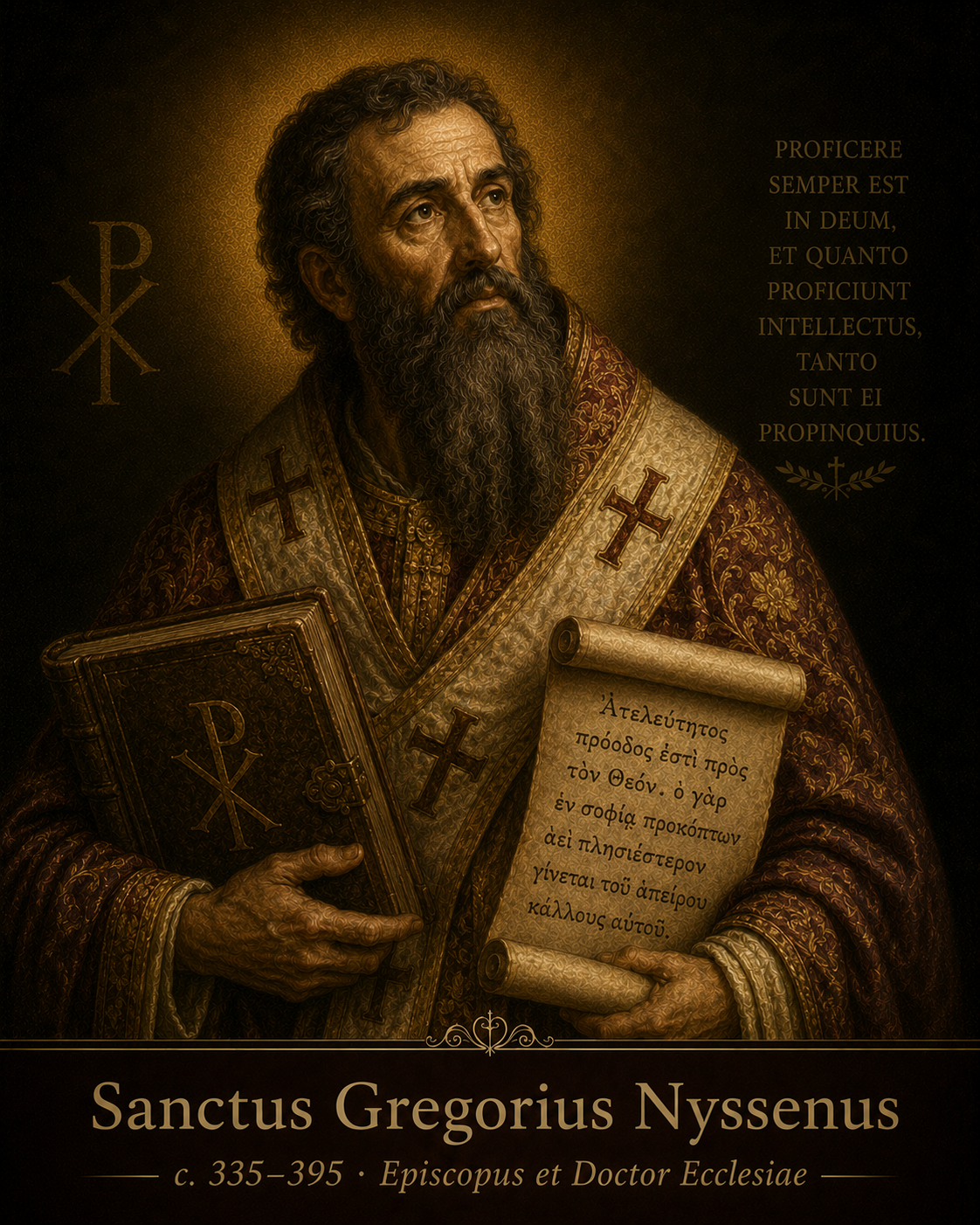 Sanctus Gregorius Nyssenus
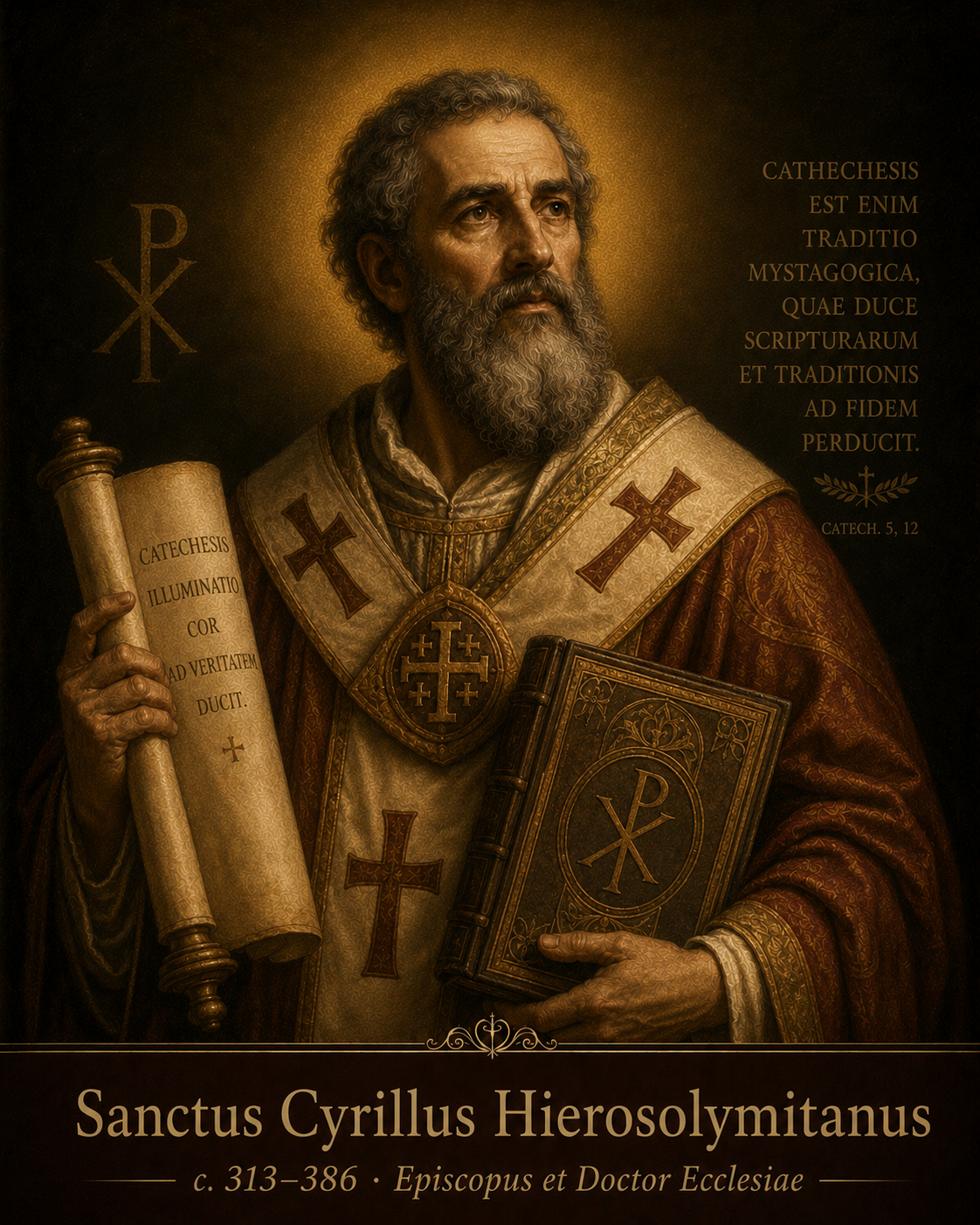 Sanctus Cyrillus Hierosolymitanus
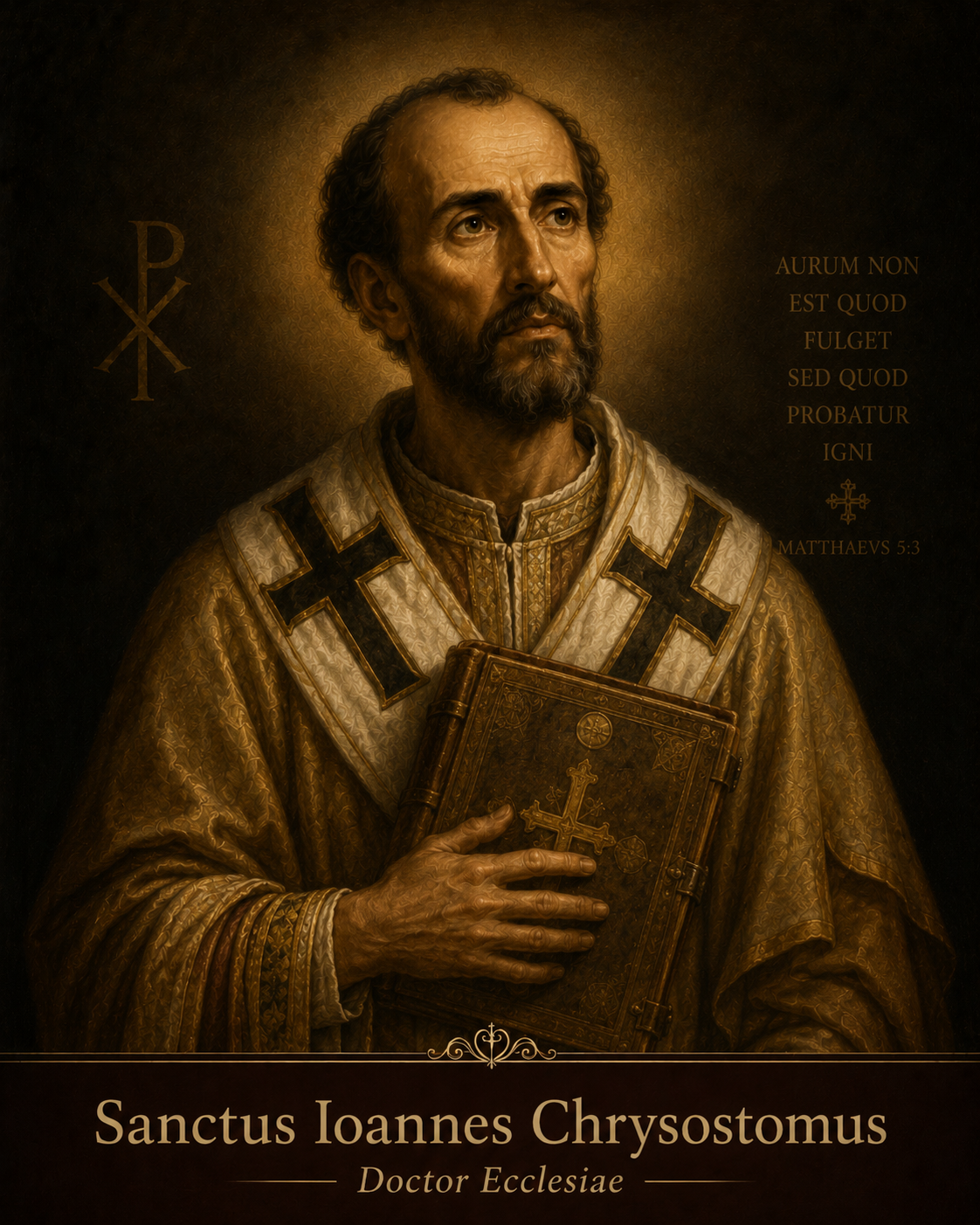 Sanctus Ioannes Chrysostomus
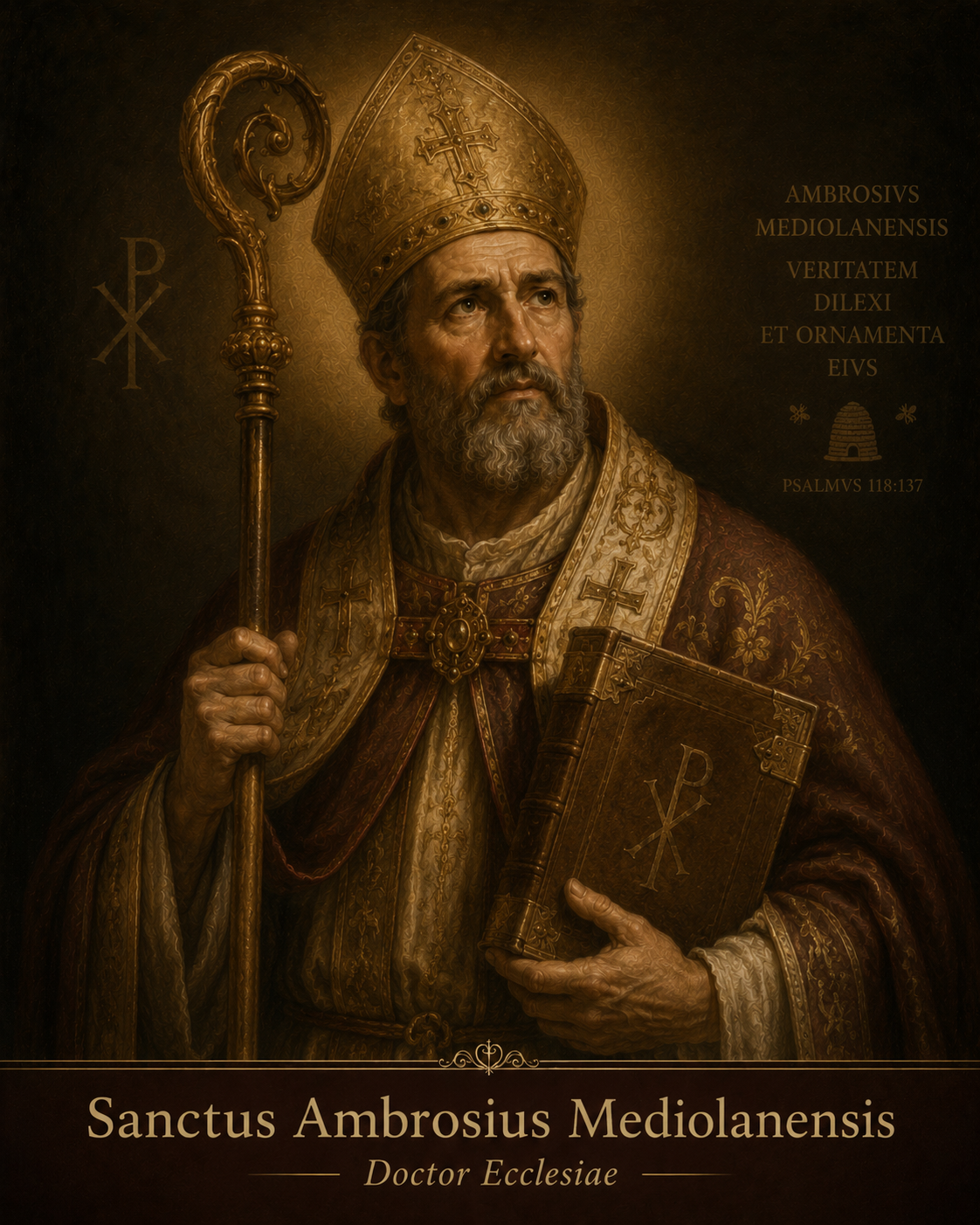 Sanctus Ambrosius Mediolanensis
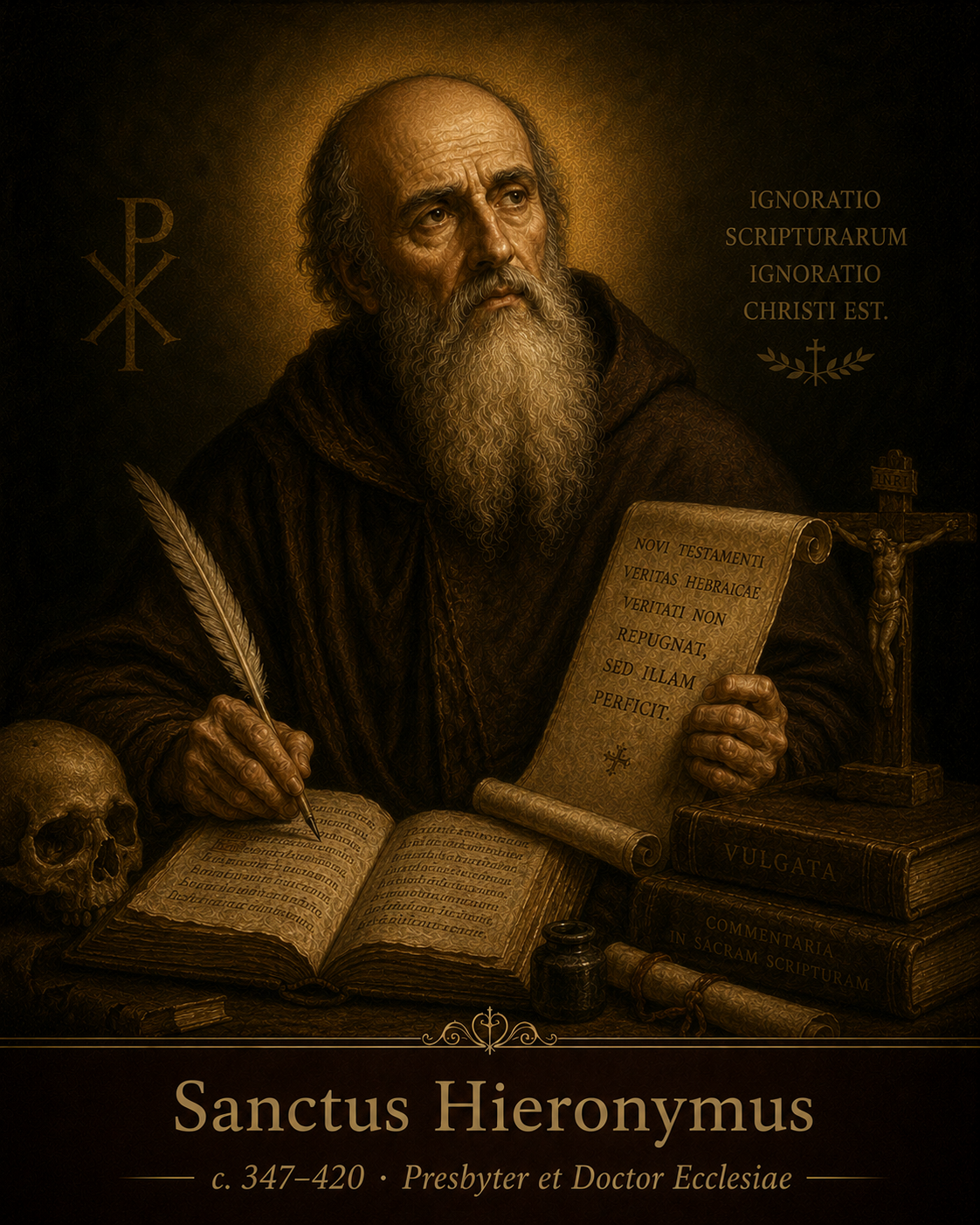 Sanctus Hieronymus
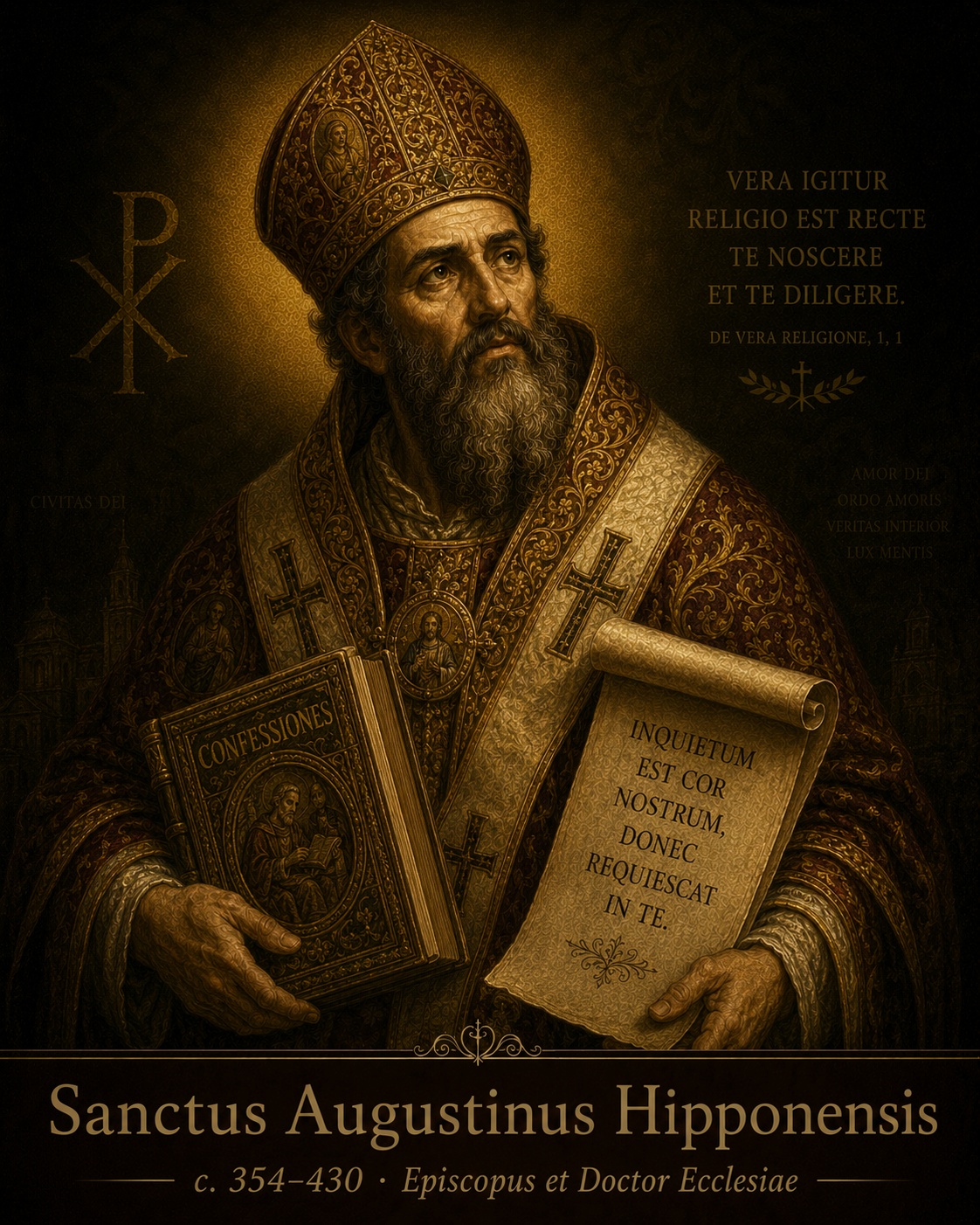 Sanctus Augustinus Hipponensis
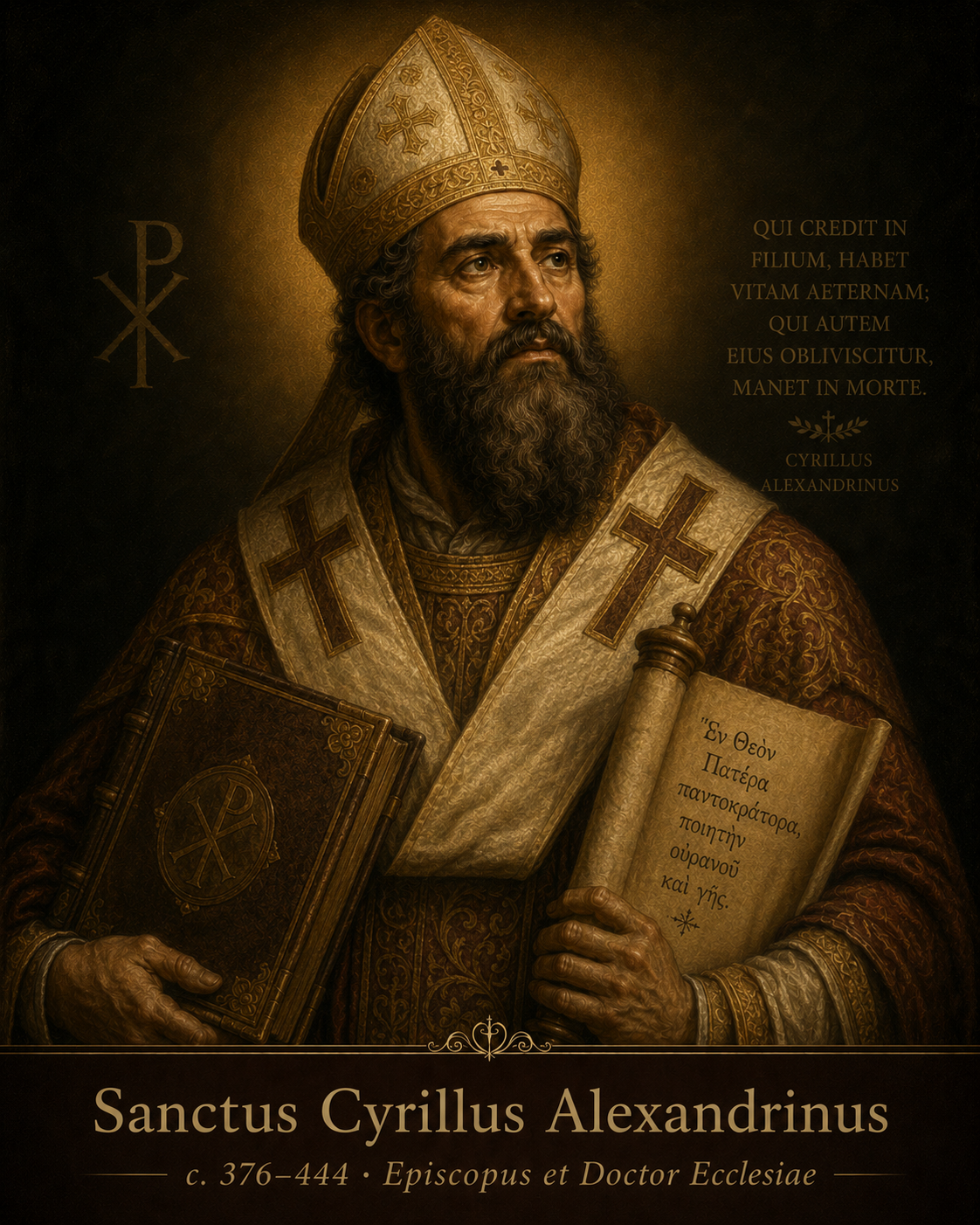 Sanctus Cyrillus Alexandrinus
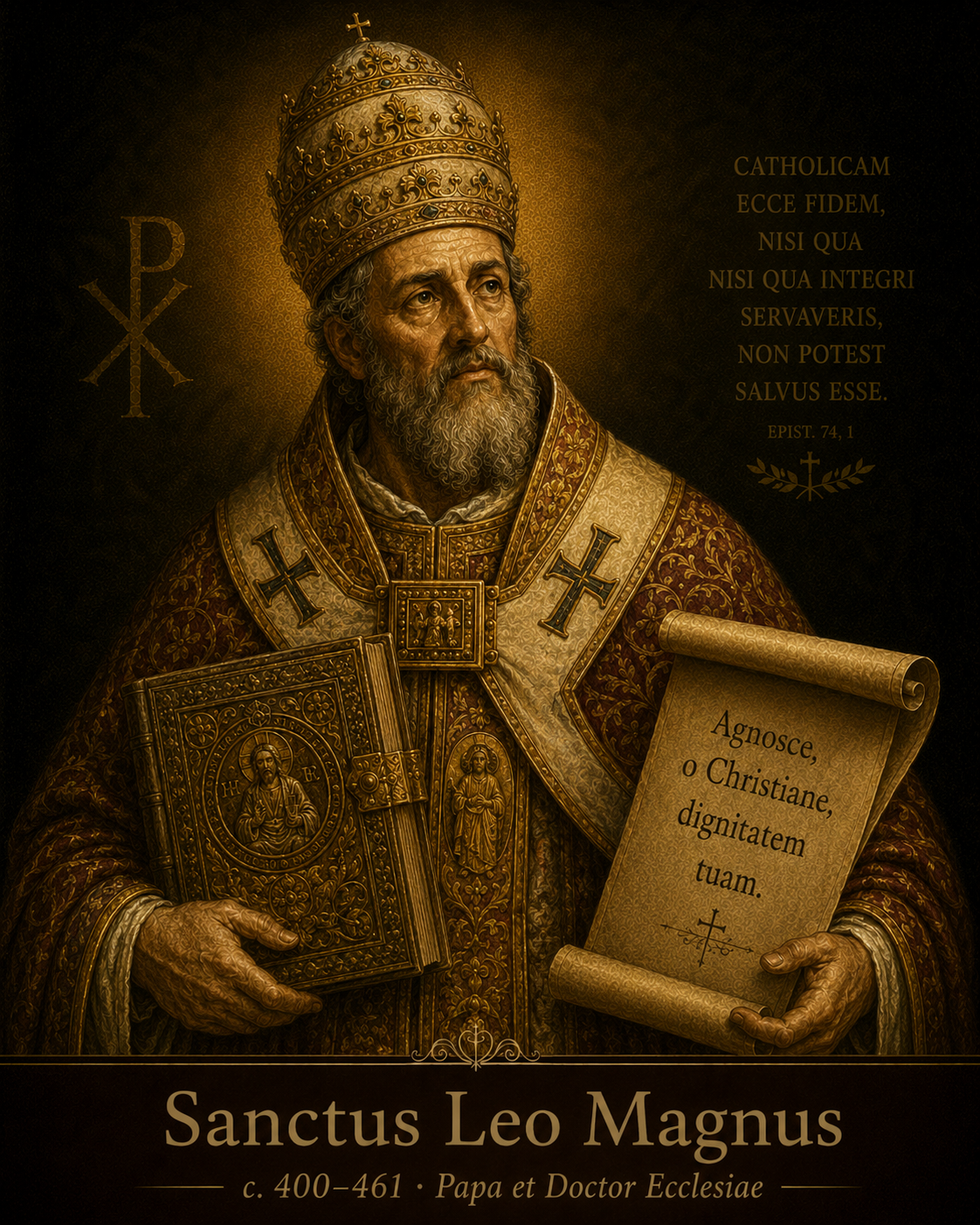 Sanctus Leo Magnus
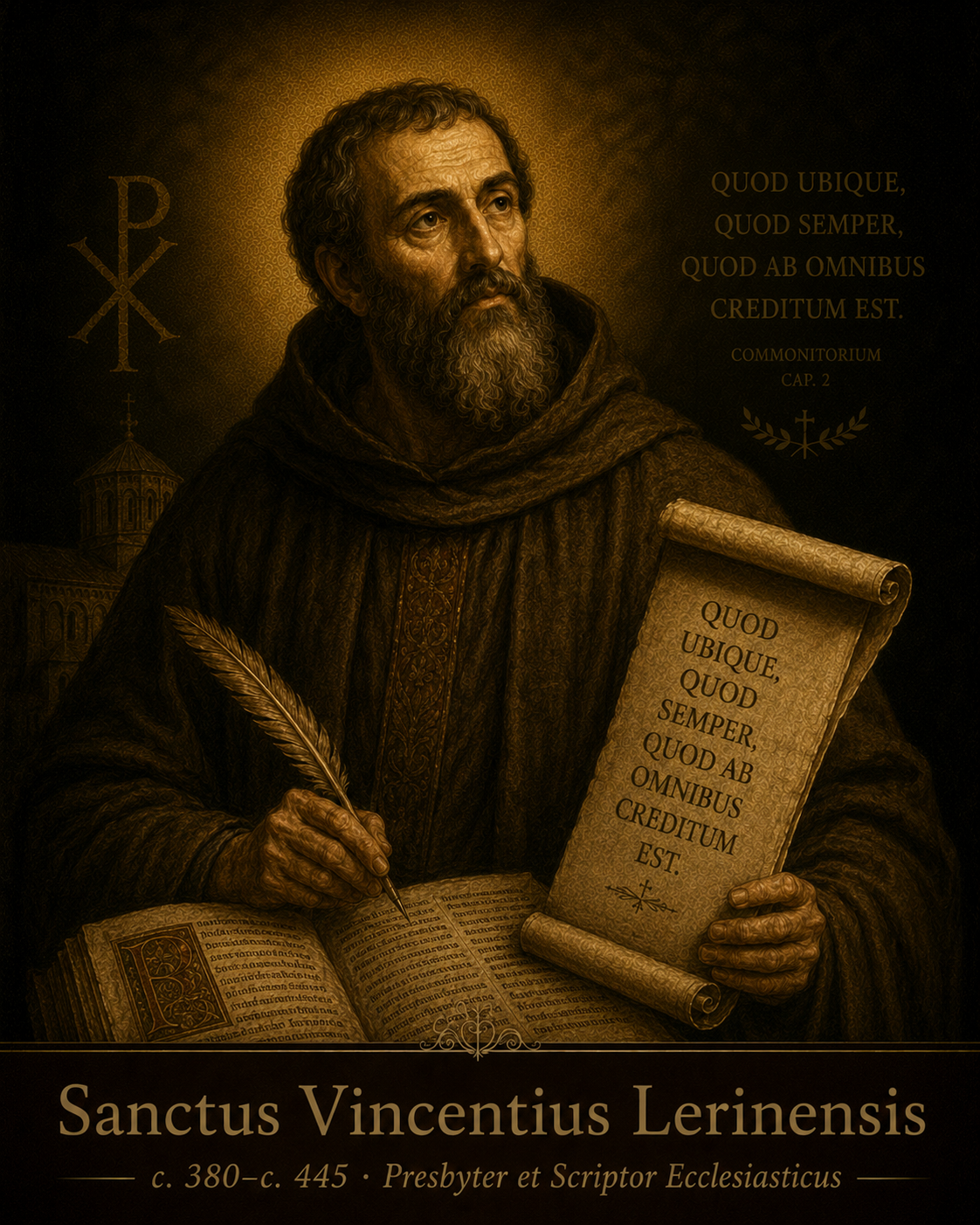 Sanctus Vincentius Lerinensis
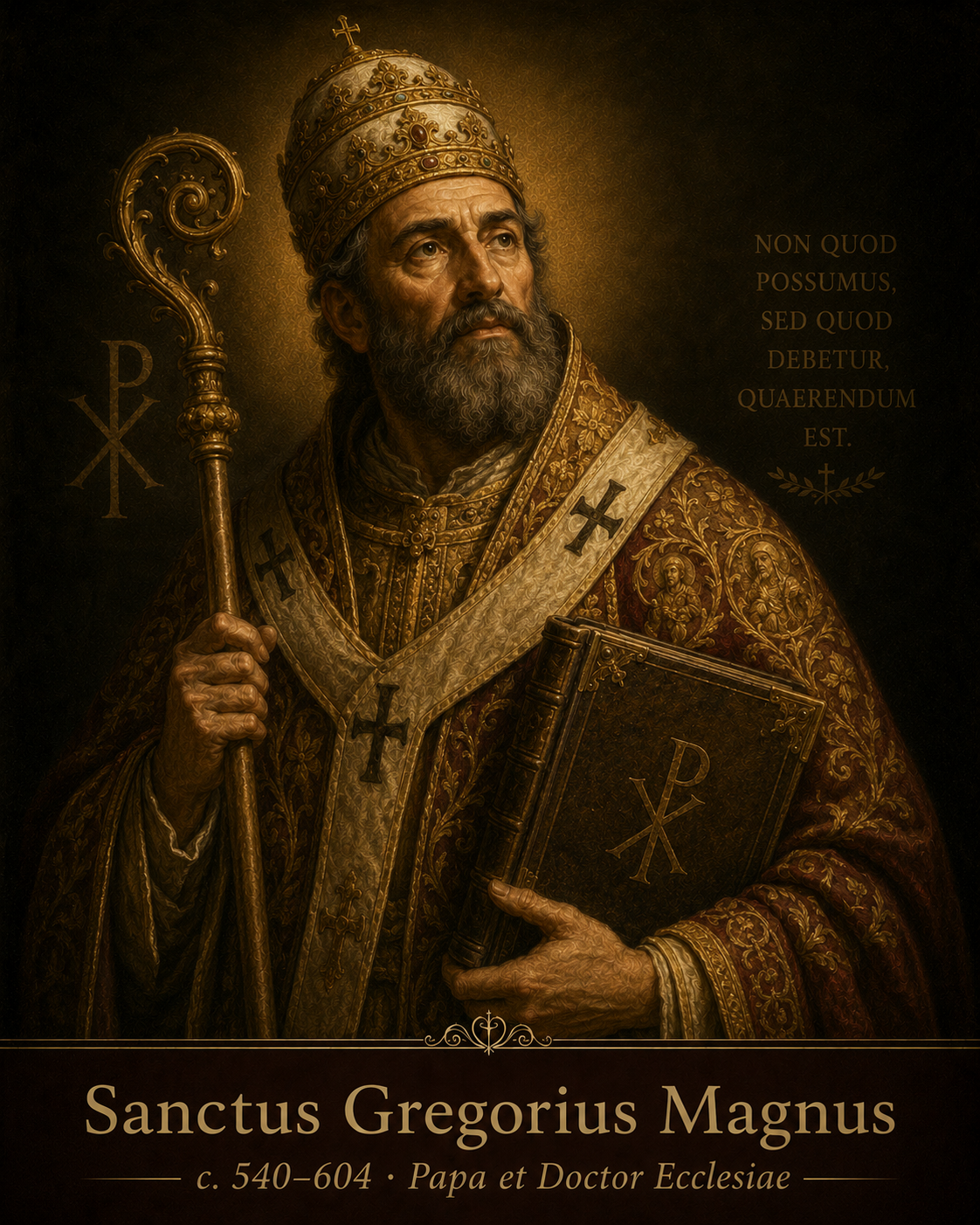 Sanctus Gregorius Magnus
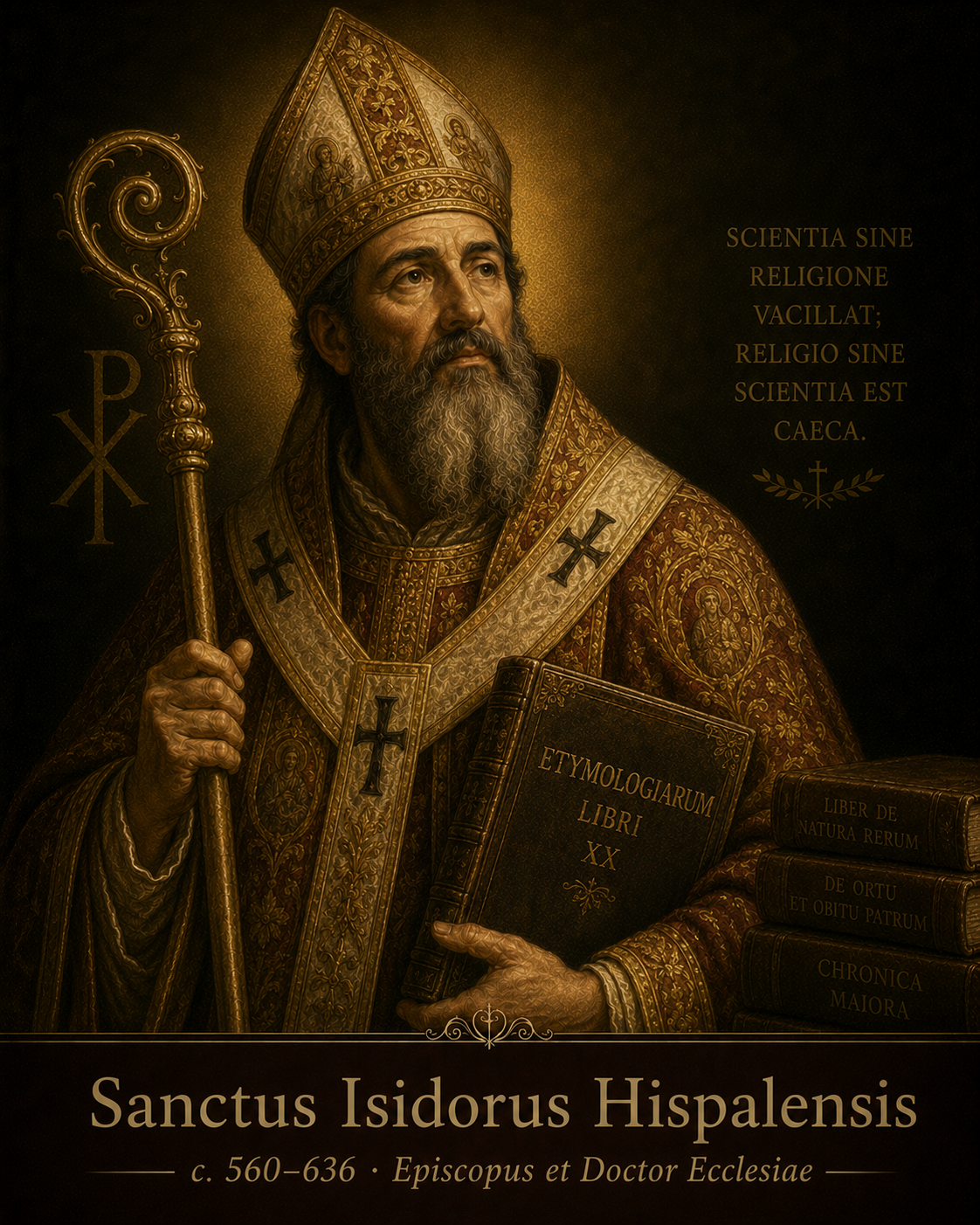 Sanctus Isidorus Hispalensis
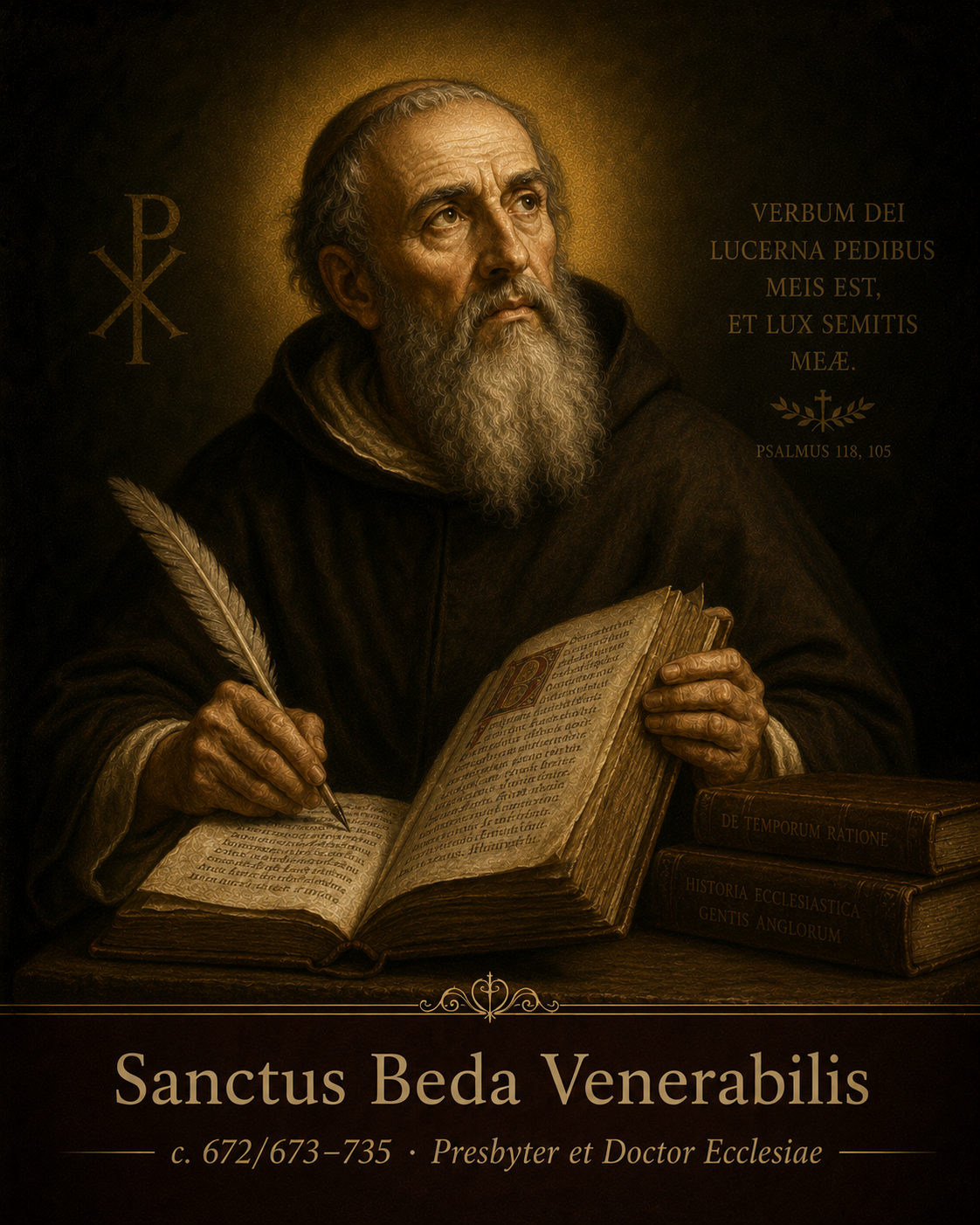 Sanctus Beda Venerabilis
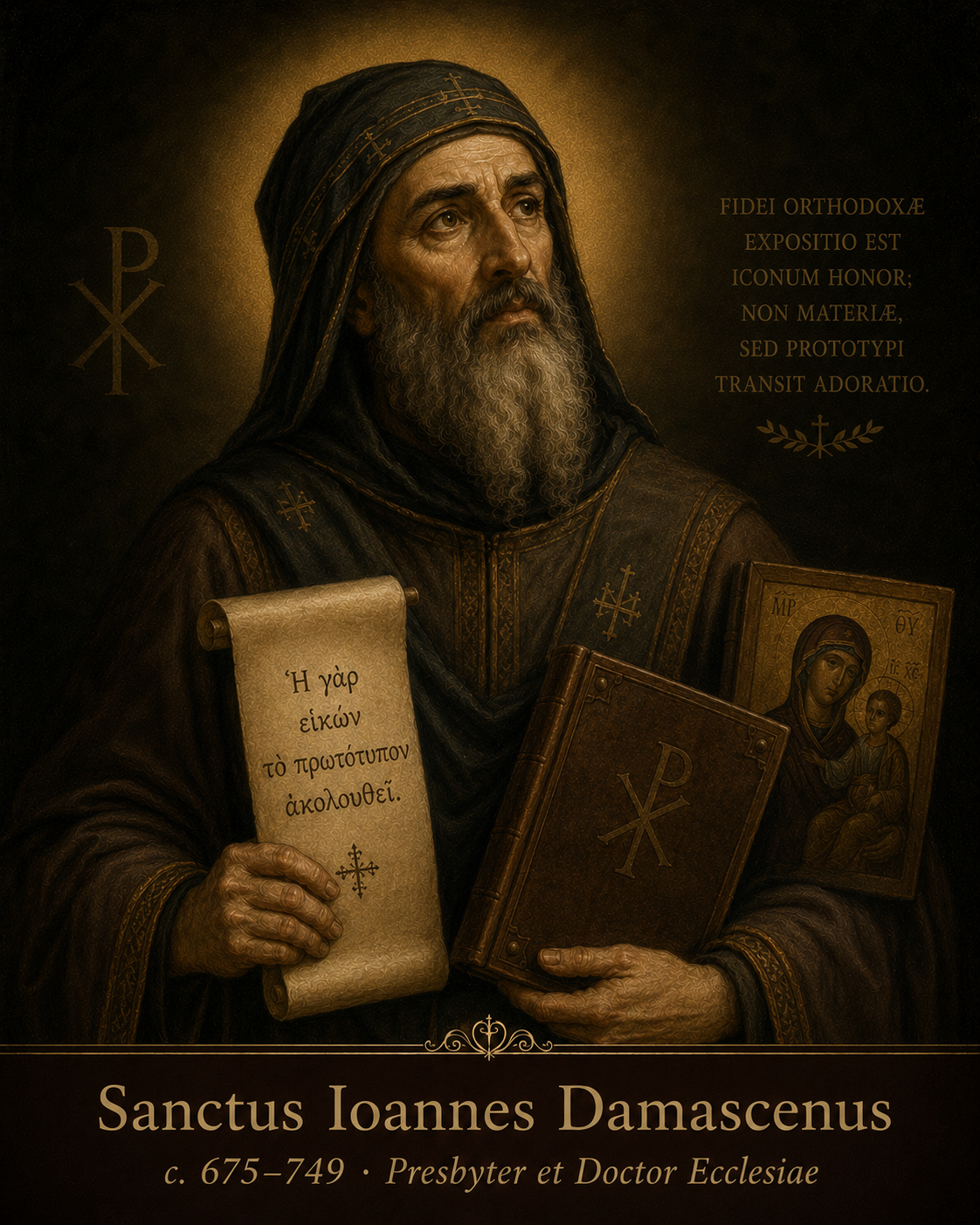 Sanctus Ioannes Damascenus
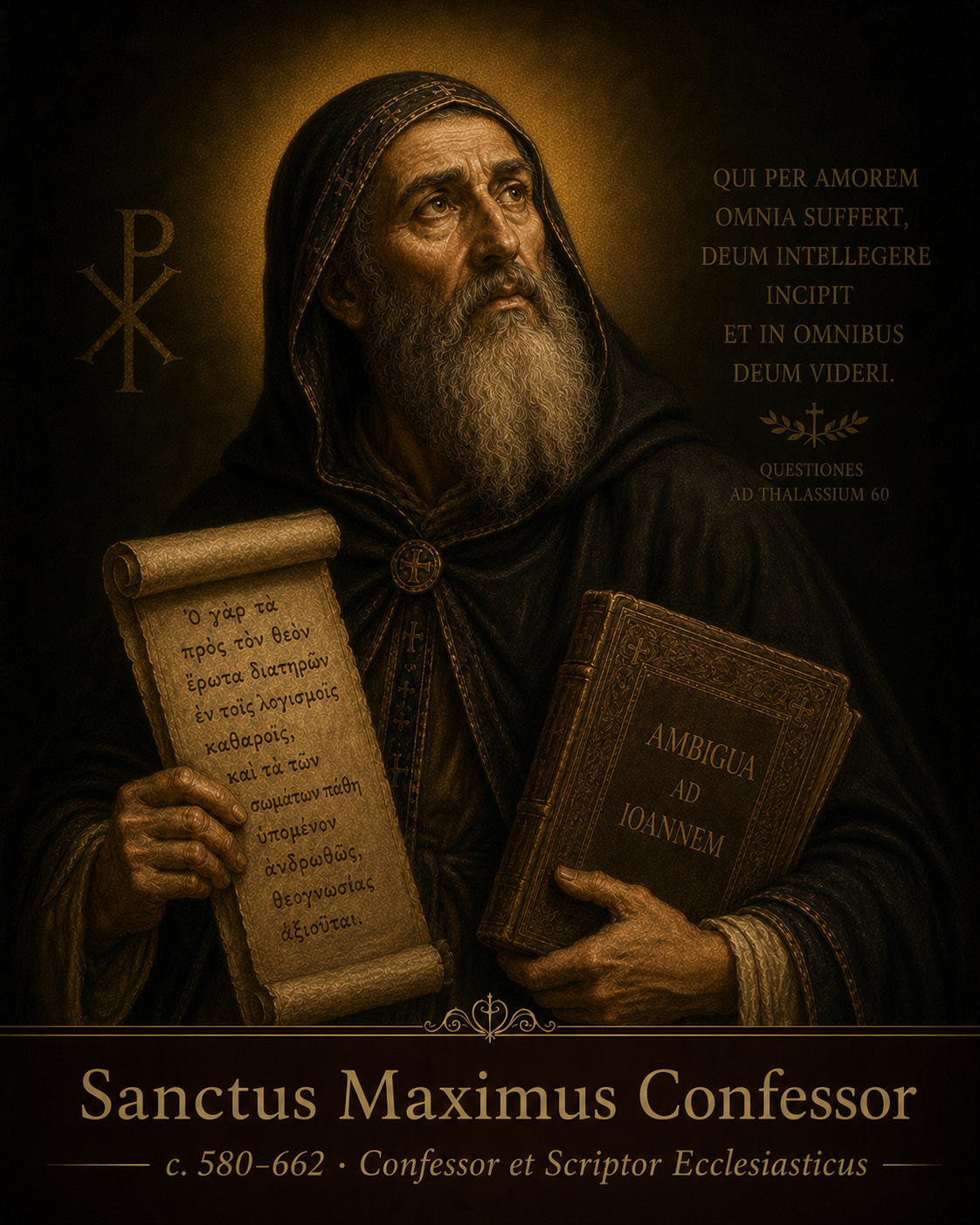 Sanctus Maximus Confessor