
Creation
God creates freely from nothing. The creature is good but not divine; the world is intelligible but not self-sufficient. This is the first guard against both materialism and pantheism.
Fides Catholica
The faith is God’s revelation received by the visible Church: prepared through creation and the Old Covenant, fulfilled in Jesus Christ, confessed in the Creed, celebrated in the sacraments, guarded by the Magisterium and lived in charity.
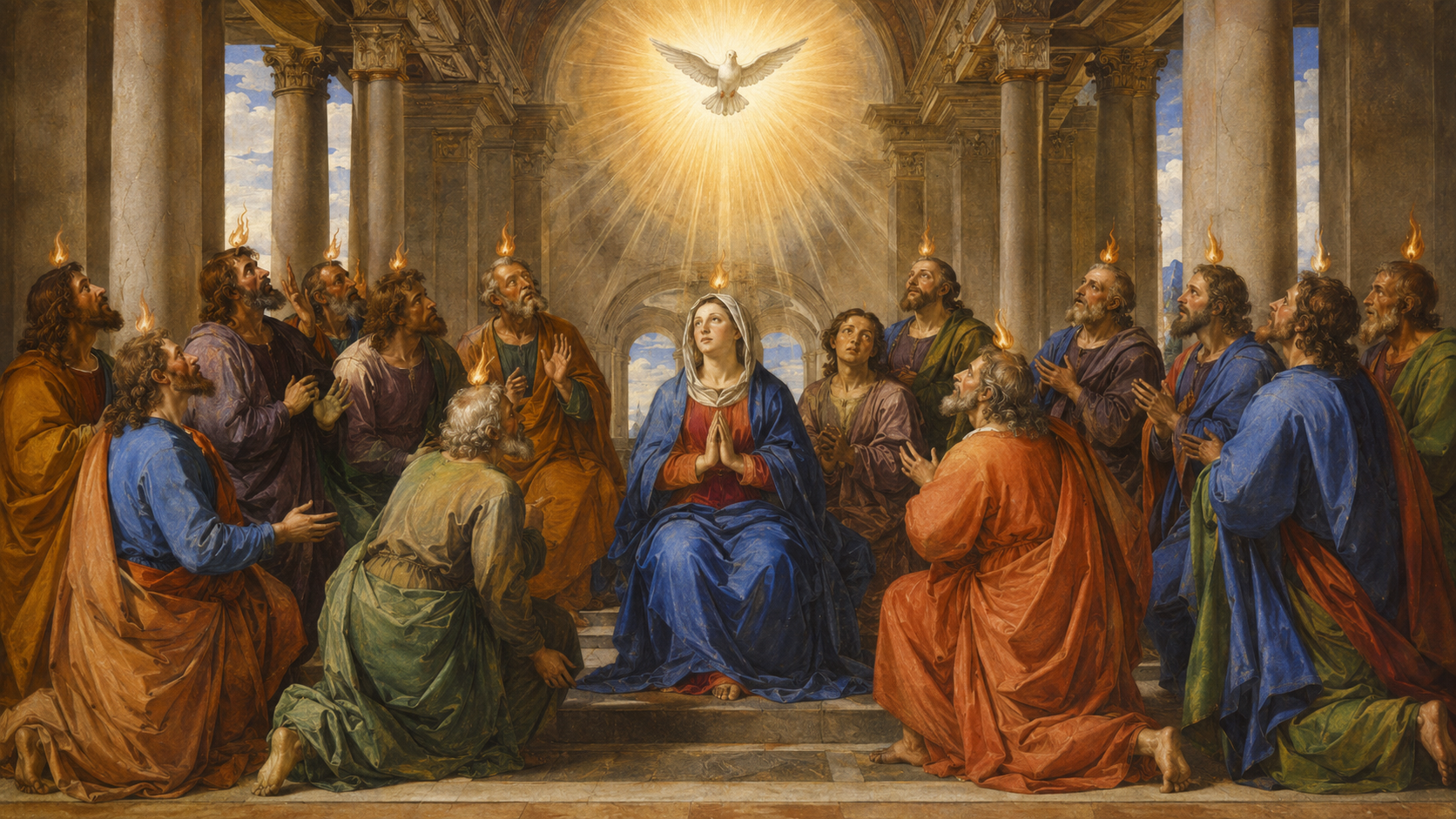
I · Creation and revelation
Faith does not begin with a private feeling. It begins with reality itself: the world receives being, order and goodness from God. Man is created in the image of God and is therefore capable of truth, worship, moral responsibility and supernatural elevation.
God creates freely from nothing. The creature is good but not divine; the world is intelligible but not self-sufficient. This is the first guard against both materialism and pantheism.
Man has intellect and will, and is called beyond natural happiness to communion with God. Human dignity is real, but its final fulfilment is supernatural.
God can be known from creation, yet He also speaks. Revelation is God’s condescension: He discloses His will, His covenant, His promises and finally His Son.
II · Old Testament preparation
The Old Testament is the divine pedagogy of faith. It teaches creation, fall, promise, election, covenant, sacrifice, law, priesthood, kingship, wisdom, prophecy and expectation. These are not dead figures; they are the grammar by which Christ is recognised.
Sin wounds man, but God promises victory over the serpent. The first Gospel opens the line of expectation.
Noah, Abraham and Melchizedek show altar, blessing, faith and covenant before the Mosaic sanctuary.
Israel is delivered by blood, water and divine power; the Law and sanctuary form a holy people.
Davidic kingship, Psalms, wisdom and prophecy converge toward the Messiah and the new covenant.
III · Fulfilment in Christ
Christ is not merely a founder among founders. He is the eternal Son made man, the new Adam, true Israel, definitive Prophet, Priest and King, the Lamb of God, the Head of the Church and the Mediator of grace.
The Word becomes flesh without ceasing to be God. Catholic faith confesses one divine Person in two natures: true God and true man.
The Cross is sacrifice, victory, satisfaction and love. The Resurrection is bodily and real, the beginning of the new creation.
Christ gathers a visible Church, gives apostolic authority and establishes sacramental means by which His grace reaches men.
IV · Creed
The Creed is the compact architecture of Catholic faith. It protects the divine source of salvation, the identity of Christ, the mission of the Spirit, the visibility of the Church and the final destiny of man.
Creator of heaven and earth, source of all being and providence.
Only-begotten Son, Lord, incarnate for us and for our salvation.
Crucified, dead, buried, risen and ascended in glory.
Lord and giver of life, sanctifier of the Church and souls.
One, holy, catholic and apostolic: visible, sacramental and missionary.
Sin is remitted through Christ’s grace, especially in Baptism and Penance.
The body is called to resurrection; salvation is not escape from creation.
Judgment, heaven, purgation and loss give history its final seriousness.
Patres Ecclesiae
The Fathers show that Catholic language, sacramental life, apostolic succession and ecclesial authority are rooted in the earliest centuries. They are not later ornaments added to a simpler Christianity; they are witnesses of the Church receiving, defending and explaining the apostolic deposit.
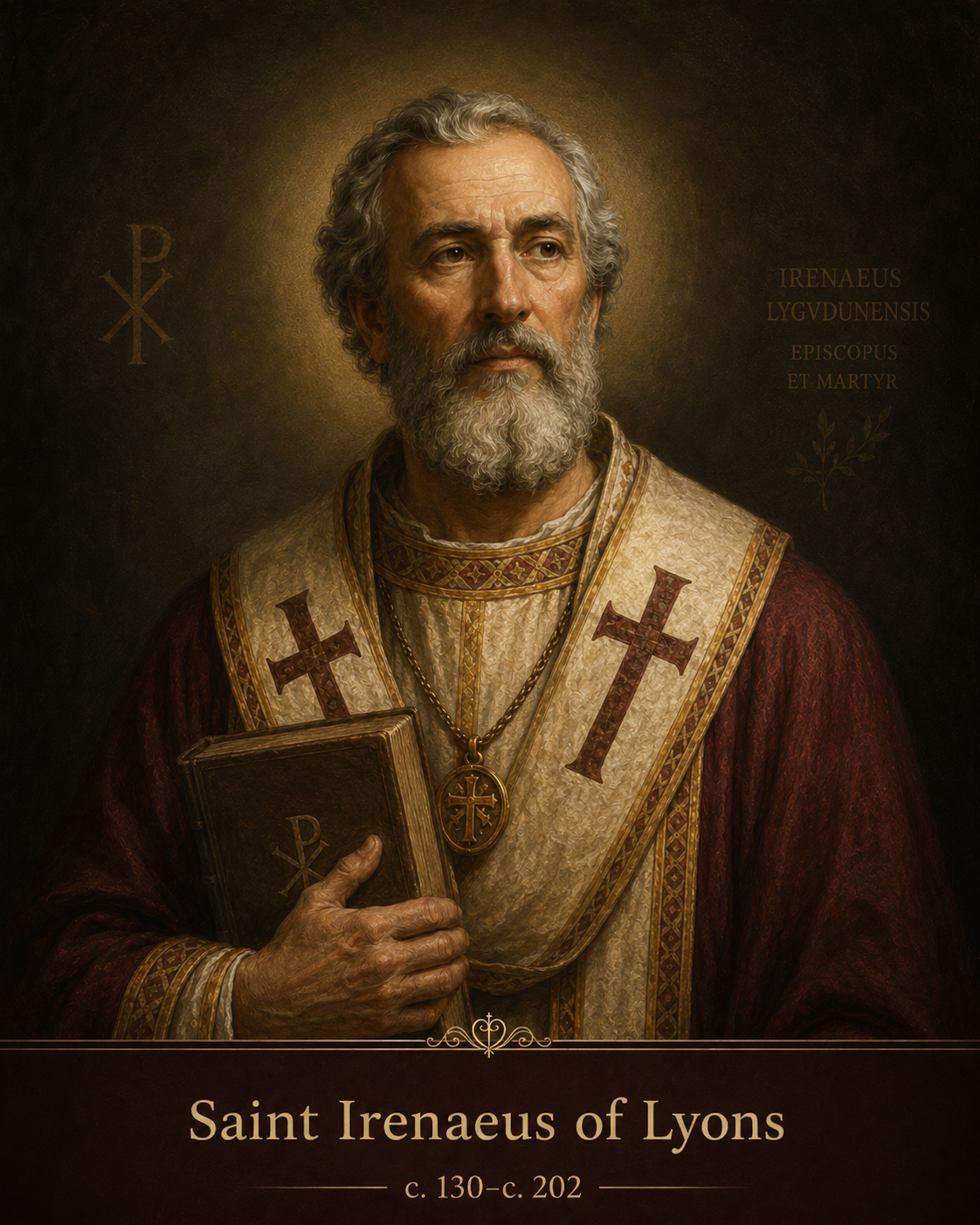
Traditionem itaque apostolorum in toto mundo manifestatam, in omni ecclesia adest perspicere.
The tradition of the apostles, manifested throughout the whole world, can be clearly seen in every Church.
Irenaeus of Lyons · Adversus HaeresesV · Four pillars
Catholic formation is ordered by what is believed, received, lived and prayed. This prevents doctrine from becoming abstract and devotion from becoming rootless.
The Creed gives the grammar of revelation and the hierarchy of truths.
The sacraments communicate grace through visible signs instituted by Christ.
The commandments and virtues order freedom toward charity and beatitude.
The Our Father, liturgy and interior prayer unite the soul to God.
VI · Continue through Katholon
The overview now opens into the specialised areas of the platform. Each link is placed where it belongs in the logic of faith.
VII · Ordered formation
The overview now opens into a sustained course rather than a collection of disconnected links. Begin with the way God reveals, proceed through the credibility and authority of faith, and then enter the mysteries in their theological order.
Each dossier distinguishes dogma, definitive teaching, authentic non-definitive doctrine, discipline and theological opinion so that confidence is joined to exactness.