Why the Fathers matter
The Fathers are not a decorative appendix; they are witnesses of Catholic continuity
The patristic age shows how apostolic doctrine was confessed, preached, defended and handed on before medieval scholastic systematization. The Fathers do not replace Scripture or the Magisterium; they show how the Church read Scripture within worship, episcopal succession, sacramental life and the rule of faith.
Apostolic nearness
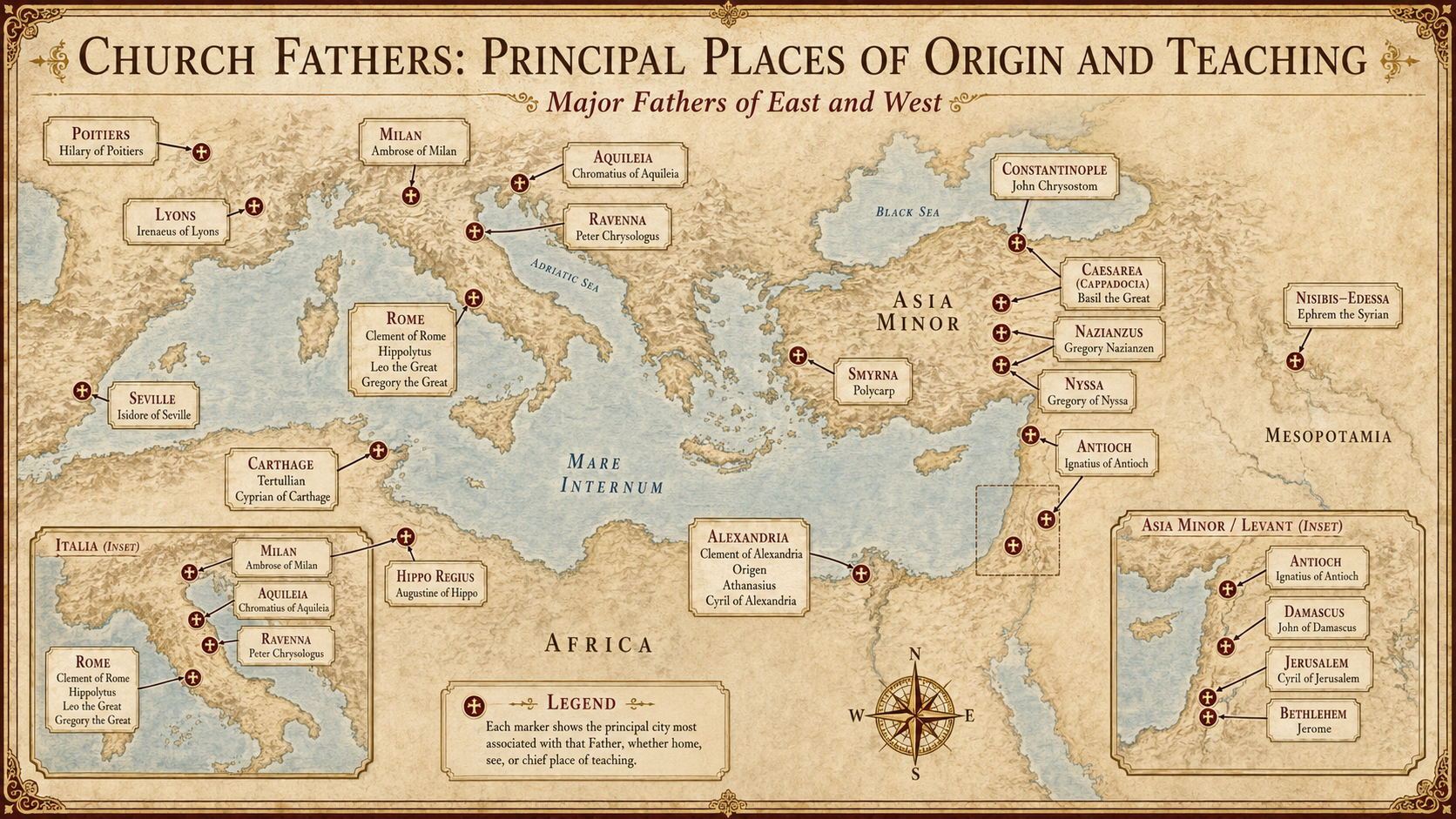
The Apostolic Fathers stand close to the disciples of the Apostles. Ignatius of Antioch, Clement of Rome, Polycarp of Smyrna and the early Roman, Antiochene and Asian witnesses show a Church already visible, hierarchical, sacramental and Eucharistic.
Schools and sees
Alexandria, Antioch, Rome, Carthage, Cappadocia, Milan and Hippo became centres where Scripture, doctrine and pastoral controversy were interpreted within the Catholic rule of faith. Geography therefore matters: doctrine travelled through real sees and teachers.
Against heresy
The Fathers fought Gnosticism, Arianism, Nestorianism, Monophysitism, Pelagianism and other errors not by inventing new religion, but by defending what the Church had received.
Into the councils
The language of Nicaea, Constantinople, Ephesus and Chalcedon is prepared by patristic exegesis, liturgical confession and episcopal judgement.
For the reader
Read the Fathers historically and doctrinally: note the author, city, controversy, biblical passages and later reception in councils and magisterial teaching.

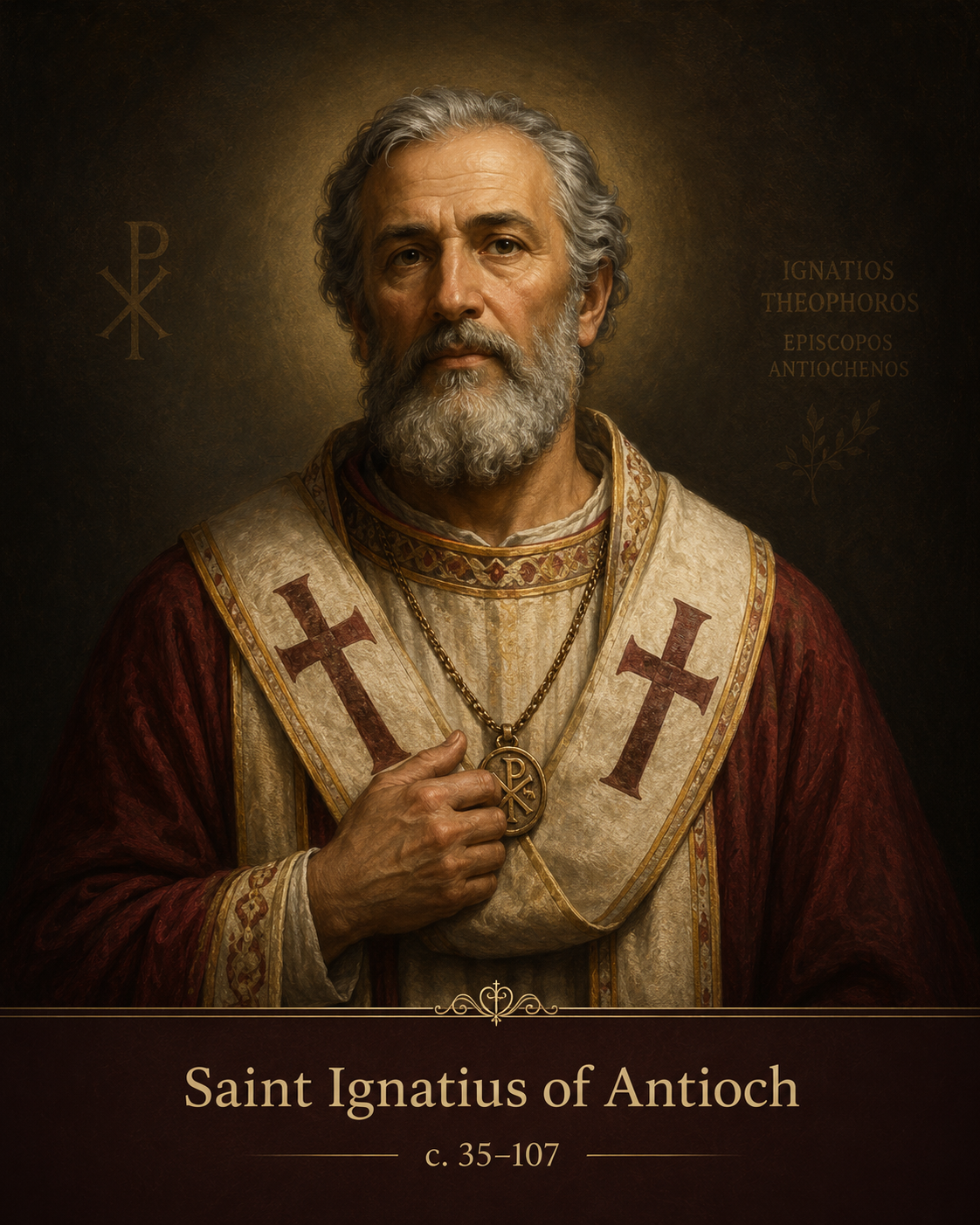 Sanctus Ignatius Antiochenus
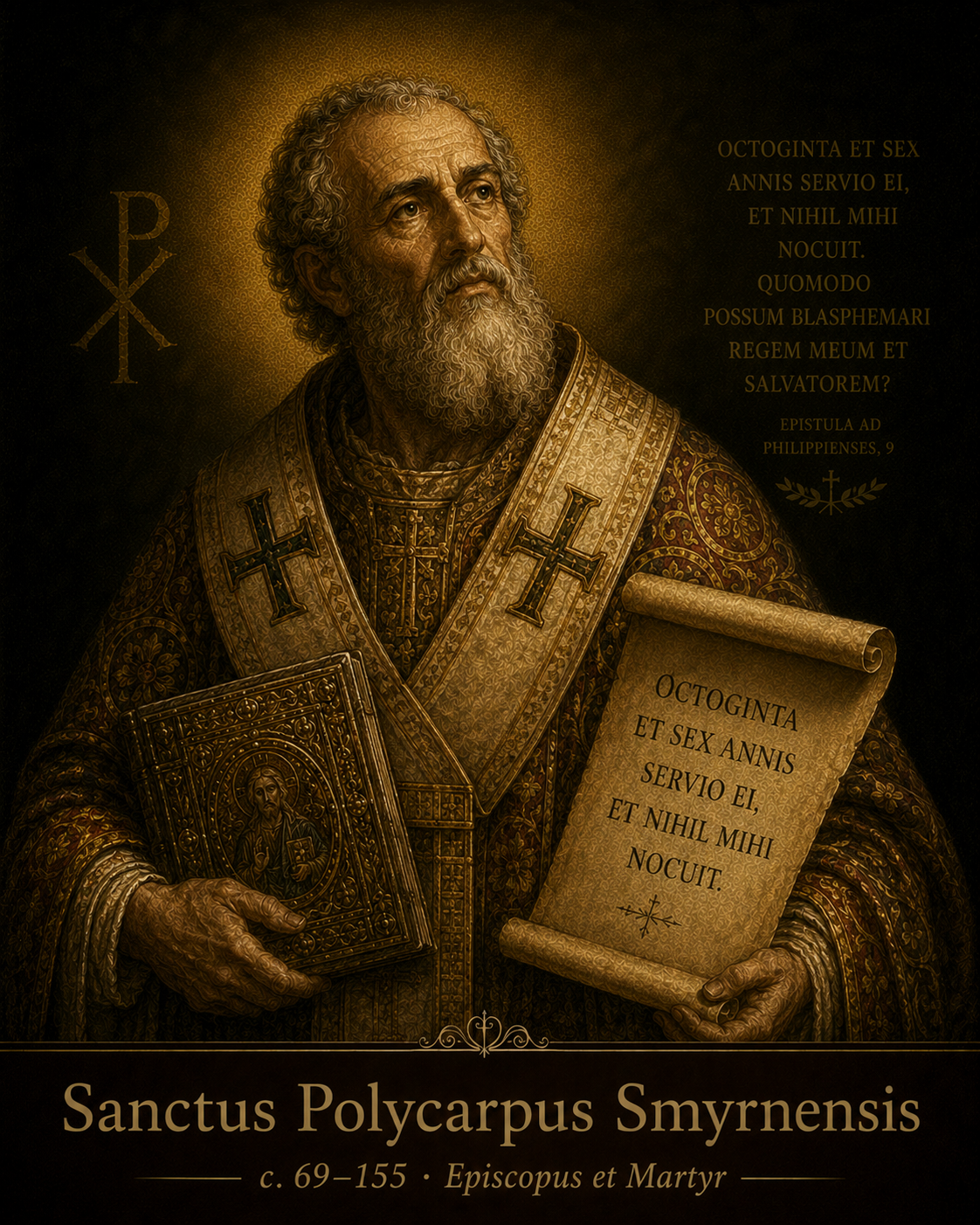 Sanctus Polycarpus Smyrnensis
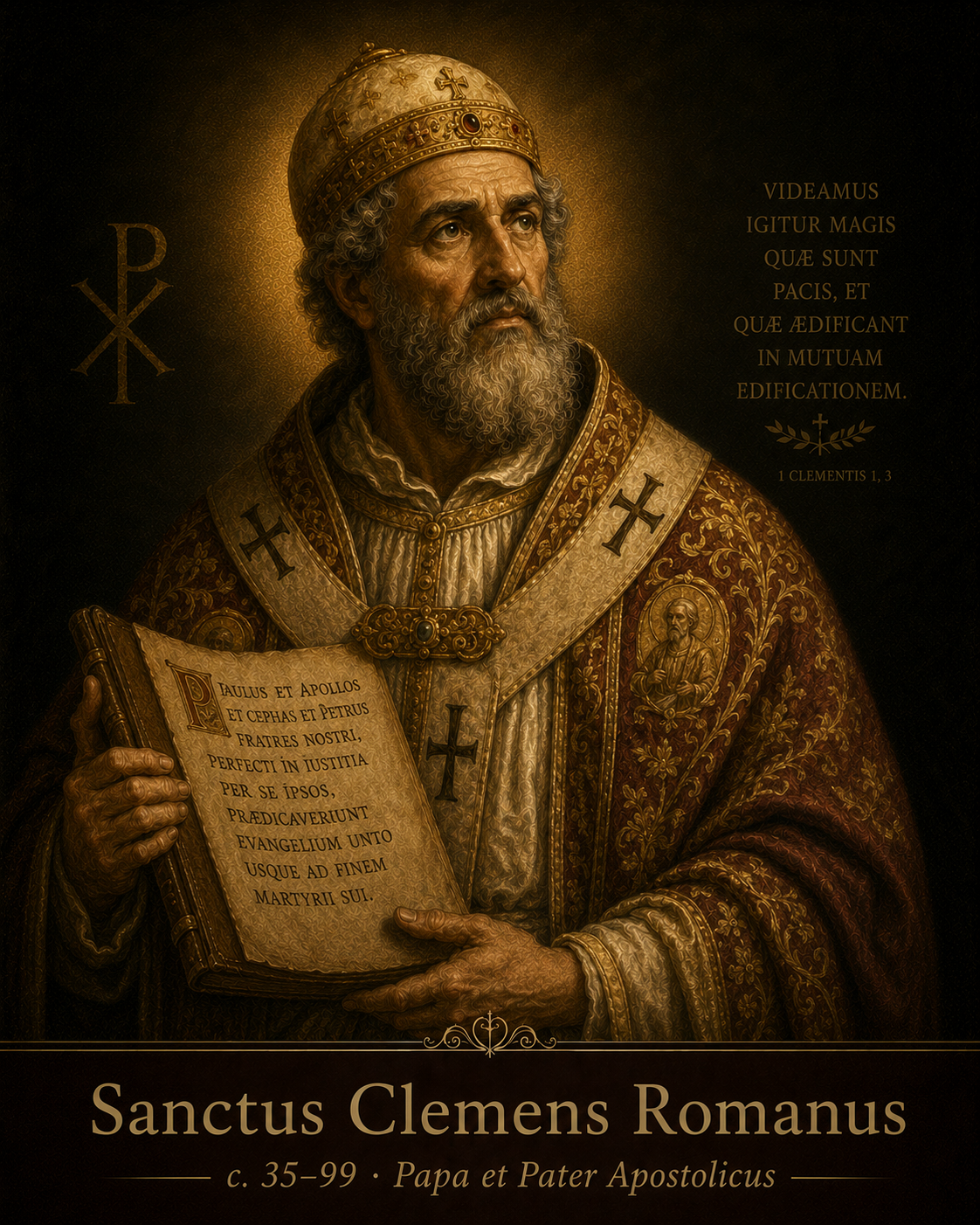 Sanctus Clemens Romanus
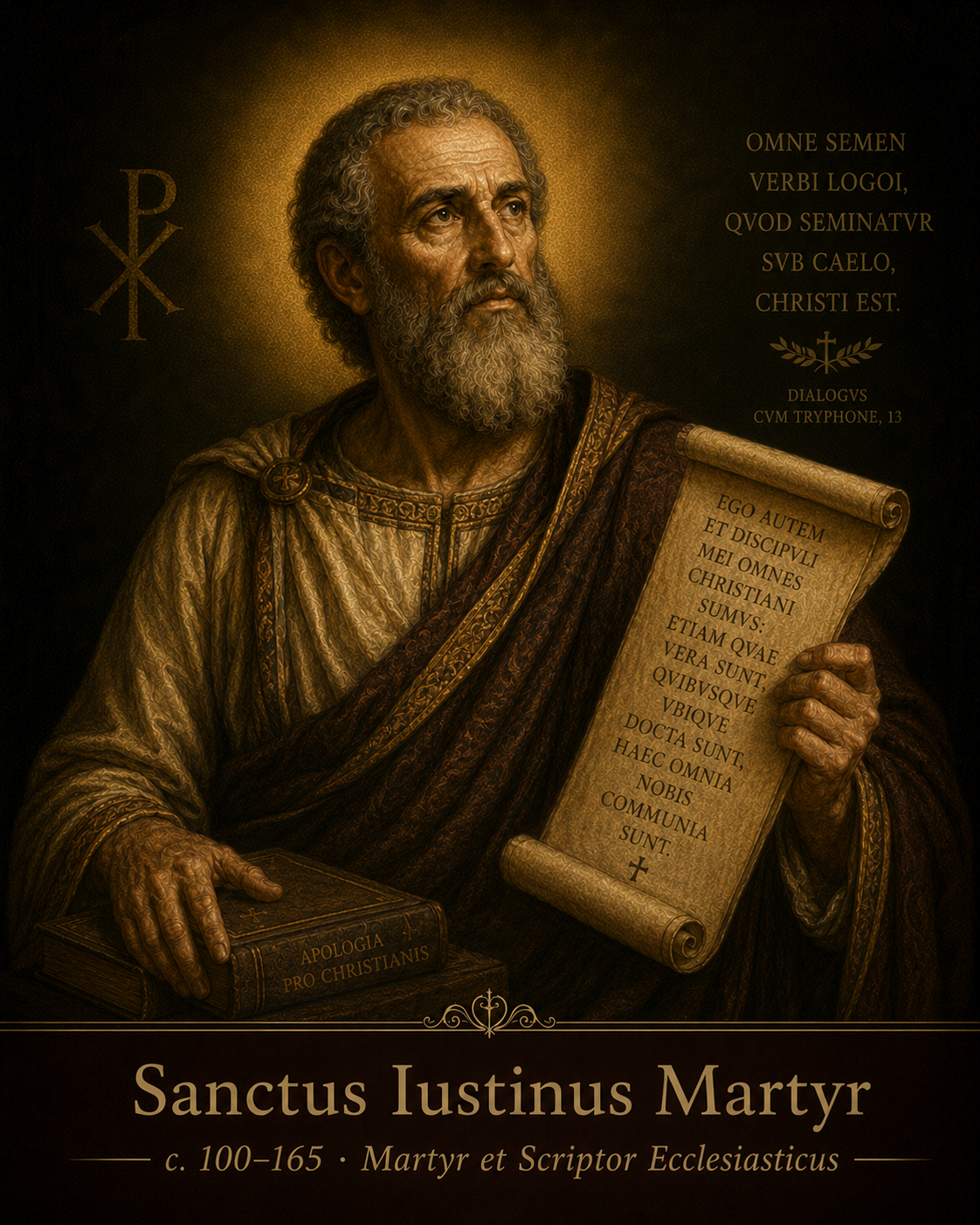 Sanctus Iustinus Martyr
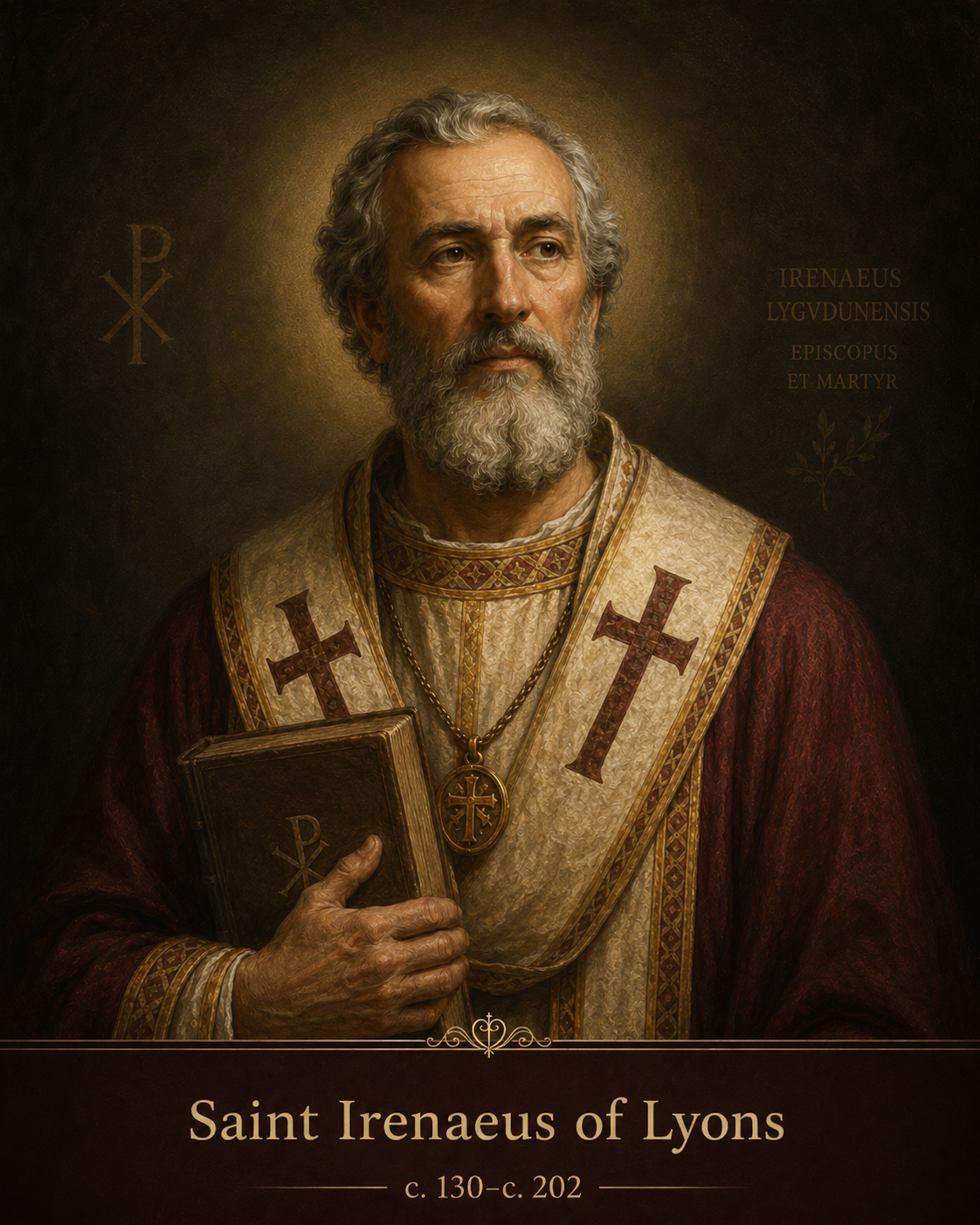 Sanctus Irenaeus Lugdunensis
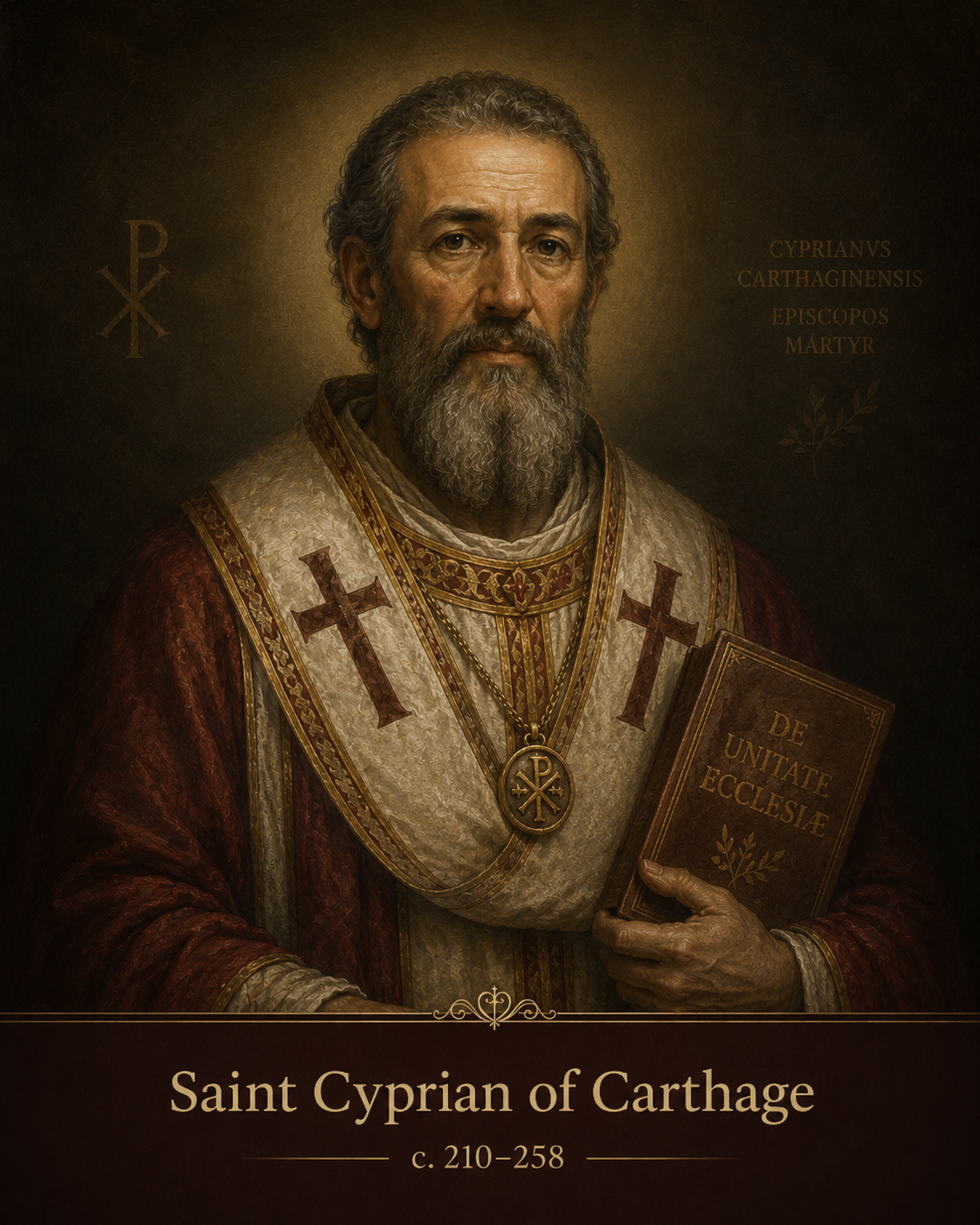 Sanctus Cyprianus Carthaginensis
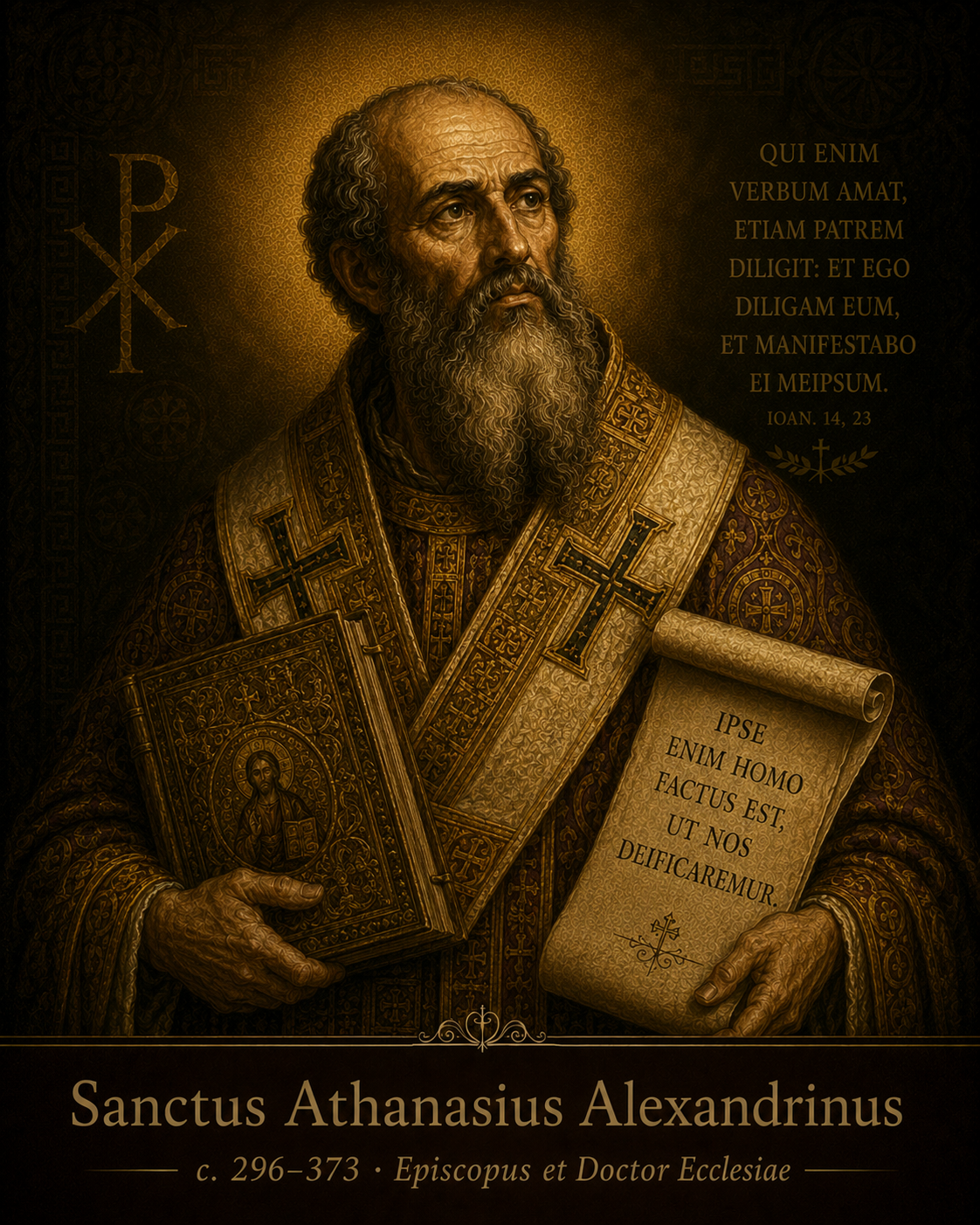 Sanctus Athanasius Alexandrinus
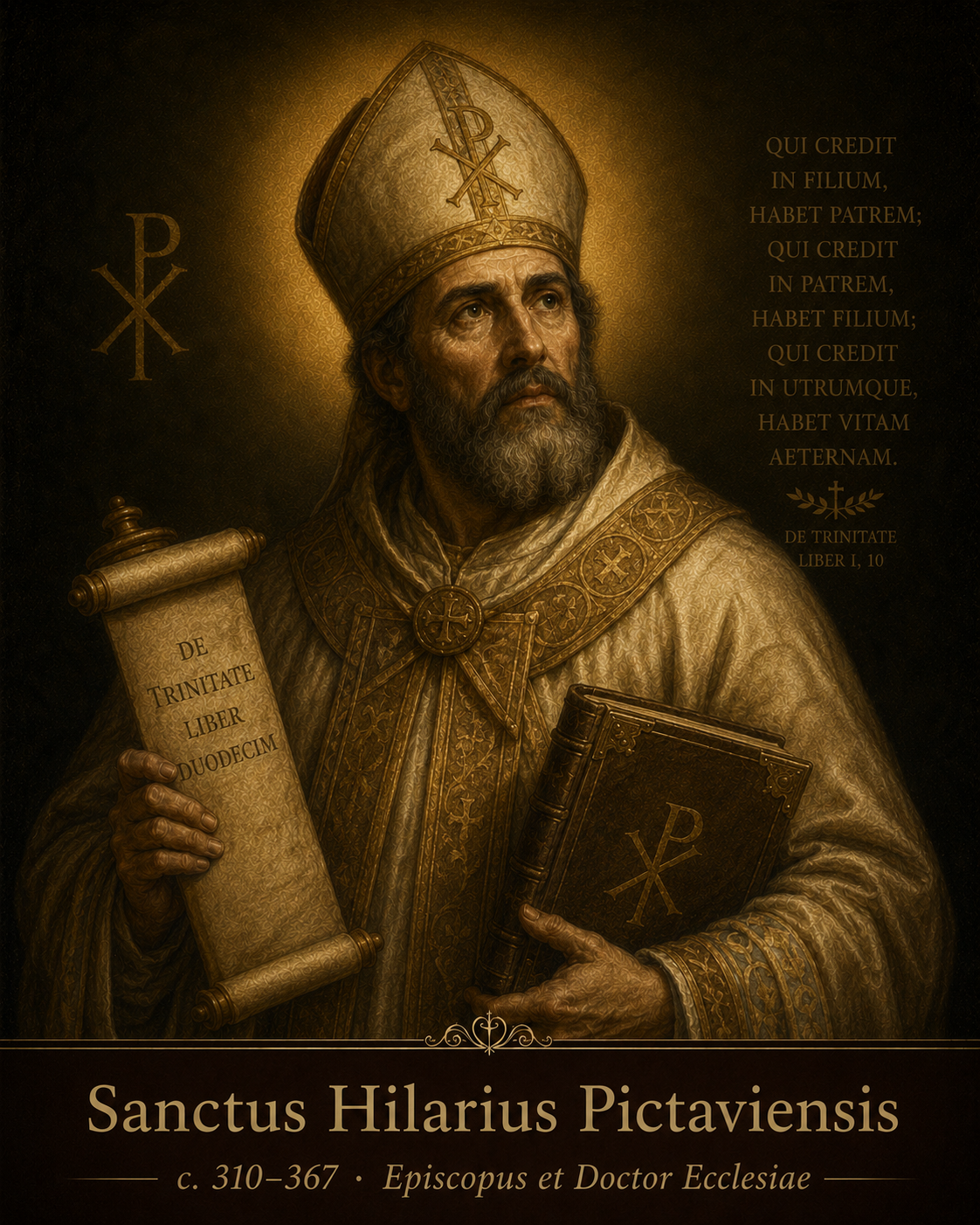 Sanctus Hilarius Pictaviensis
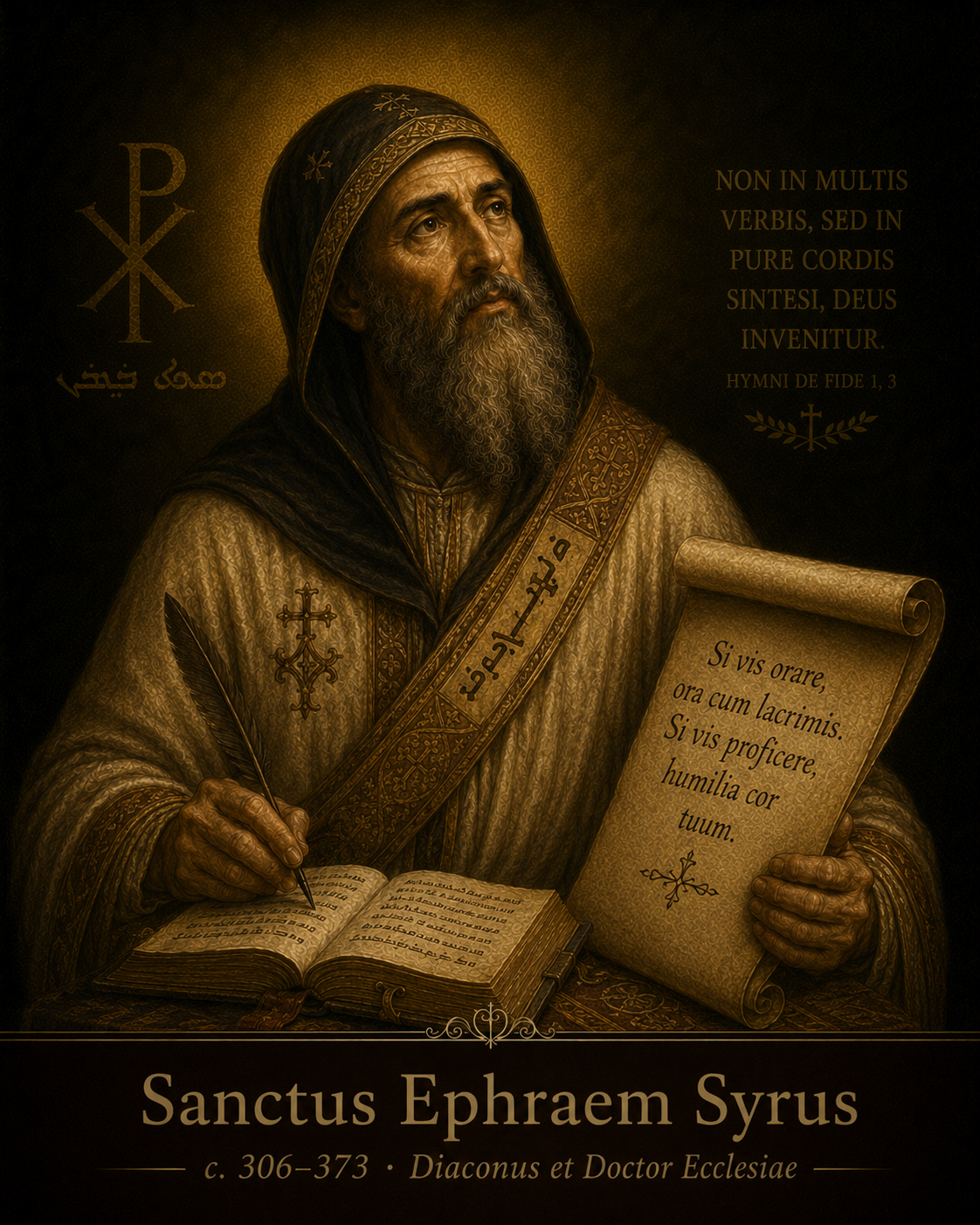 Sanctus Ephraem Syrus
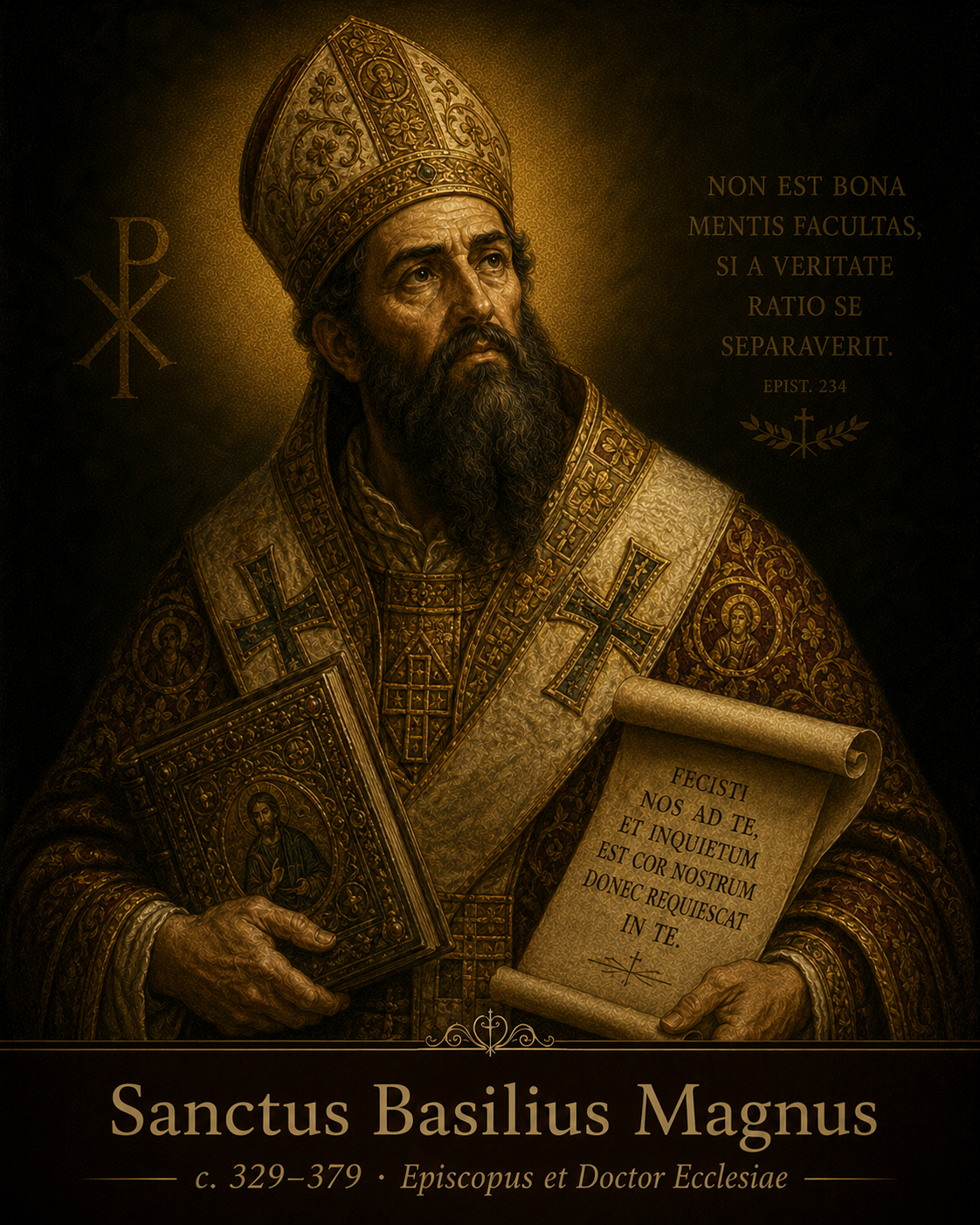 Sanctus Basilius Magnus
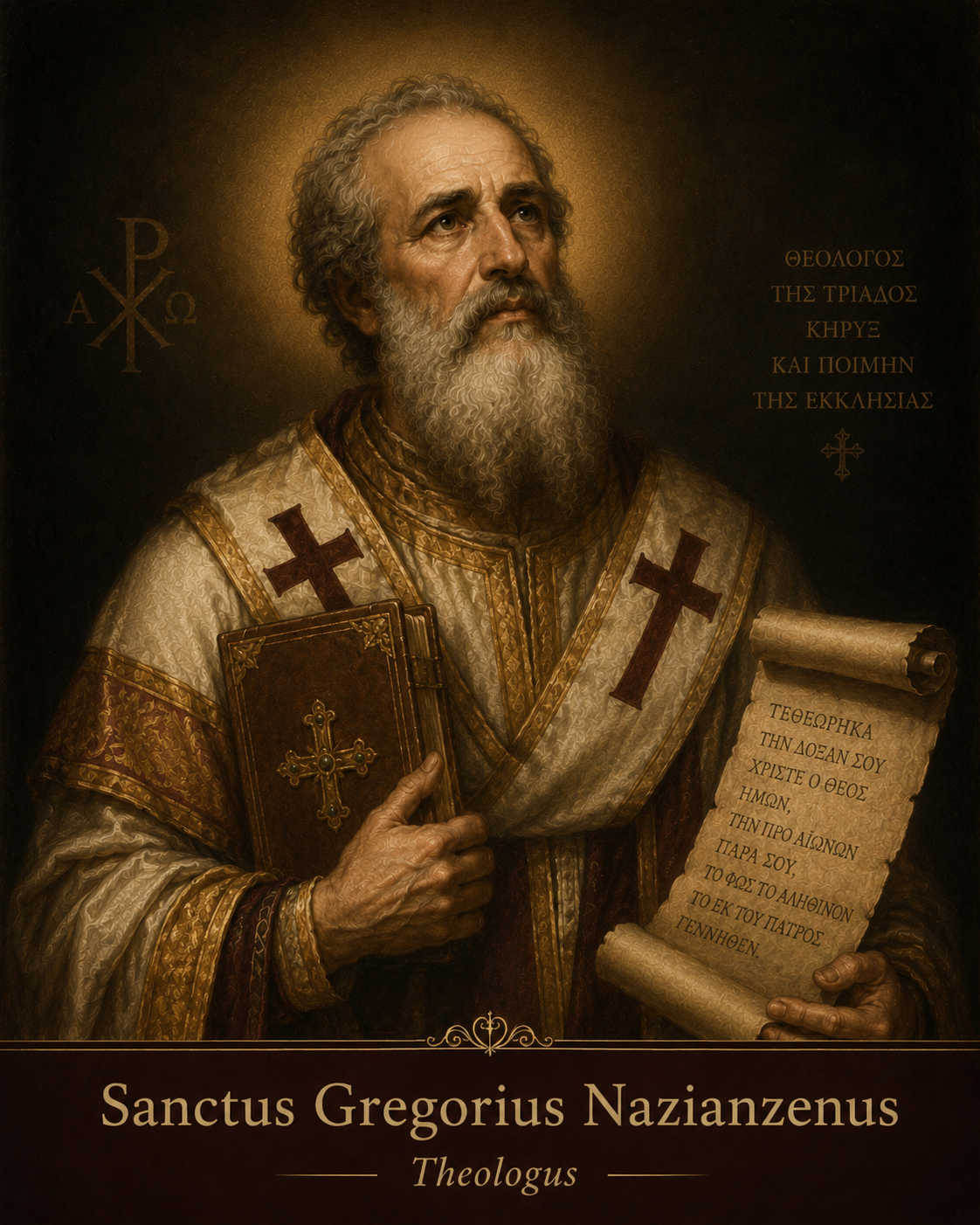 Sanctus Gregorius Nazianzenus
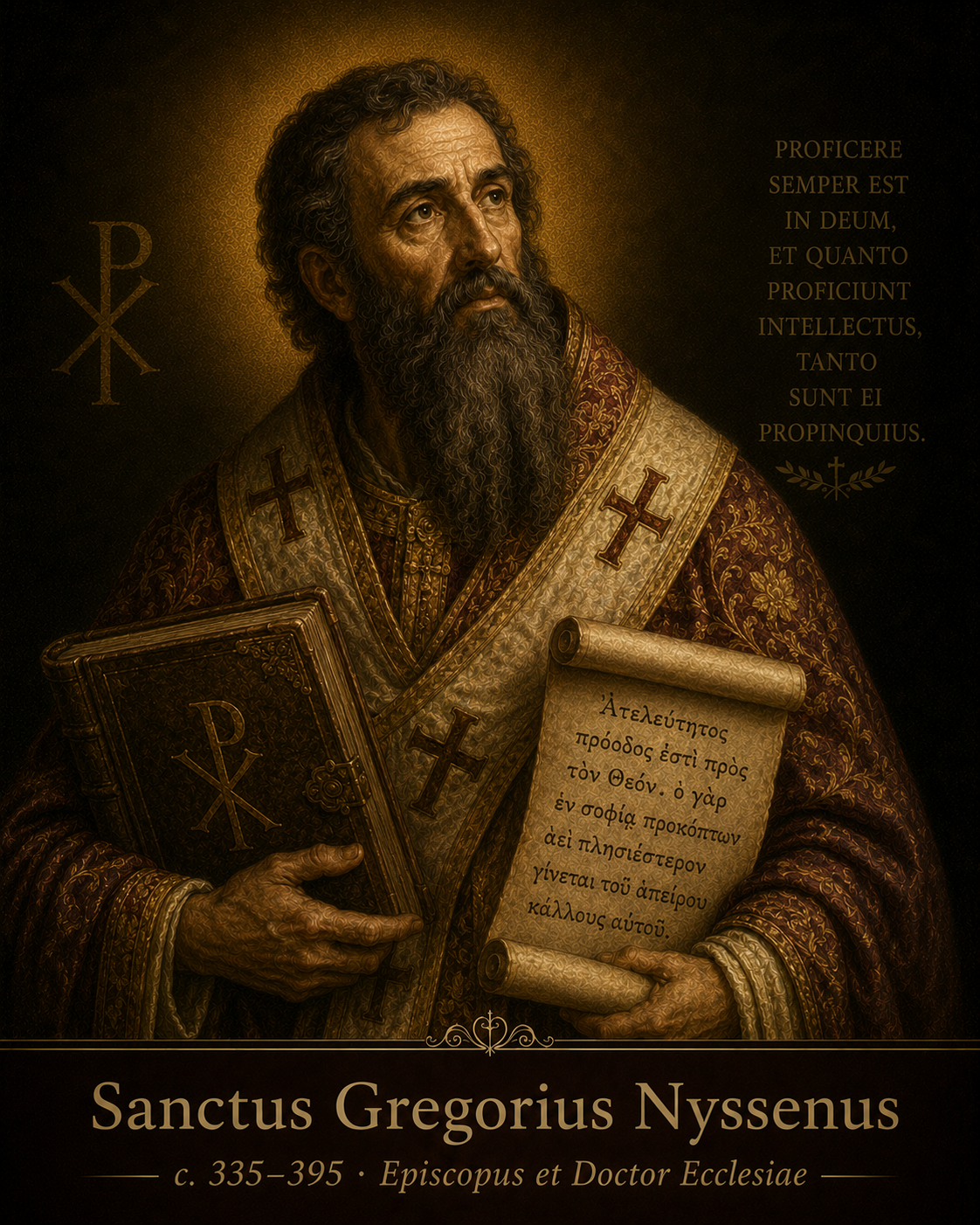 Sanctus Gregorius Nyssenus
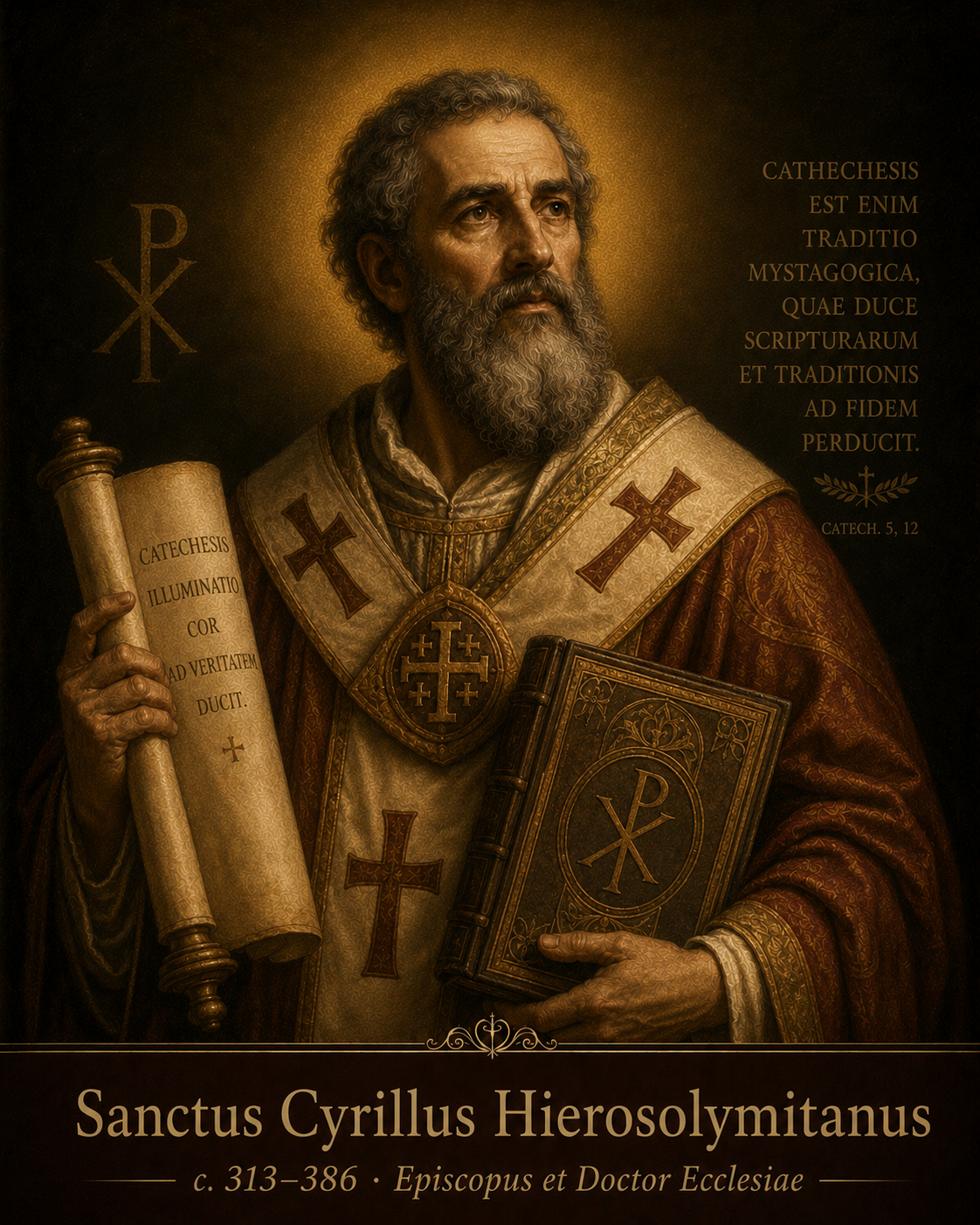 Sanctus Cyrillus Hierosolymitanus
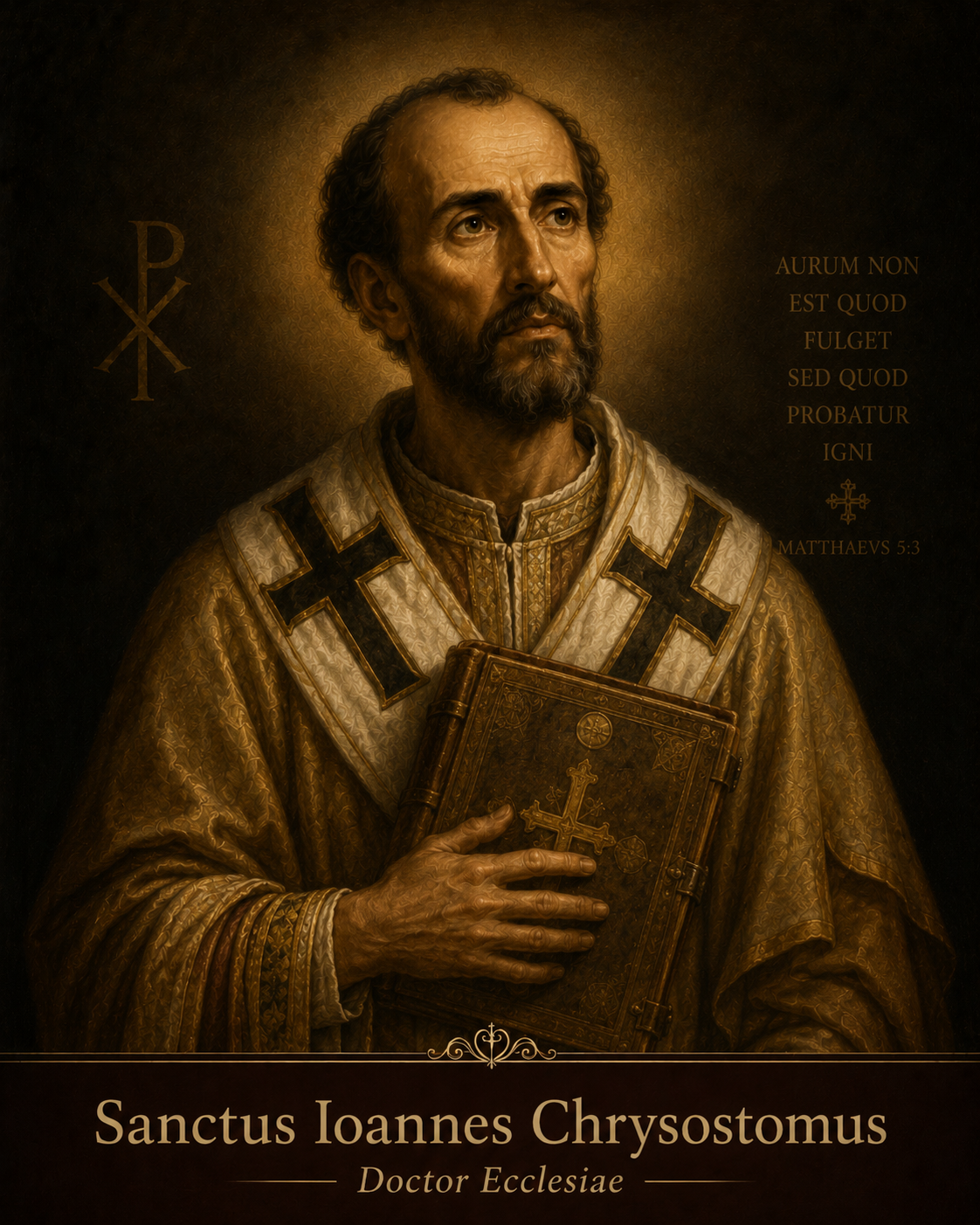 Sanctus Ioannes Chrysostomus
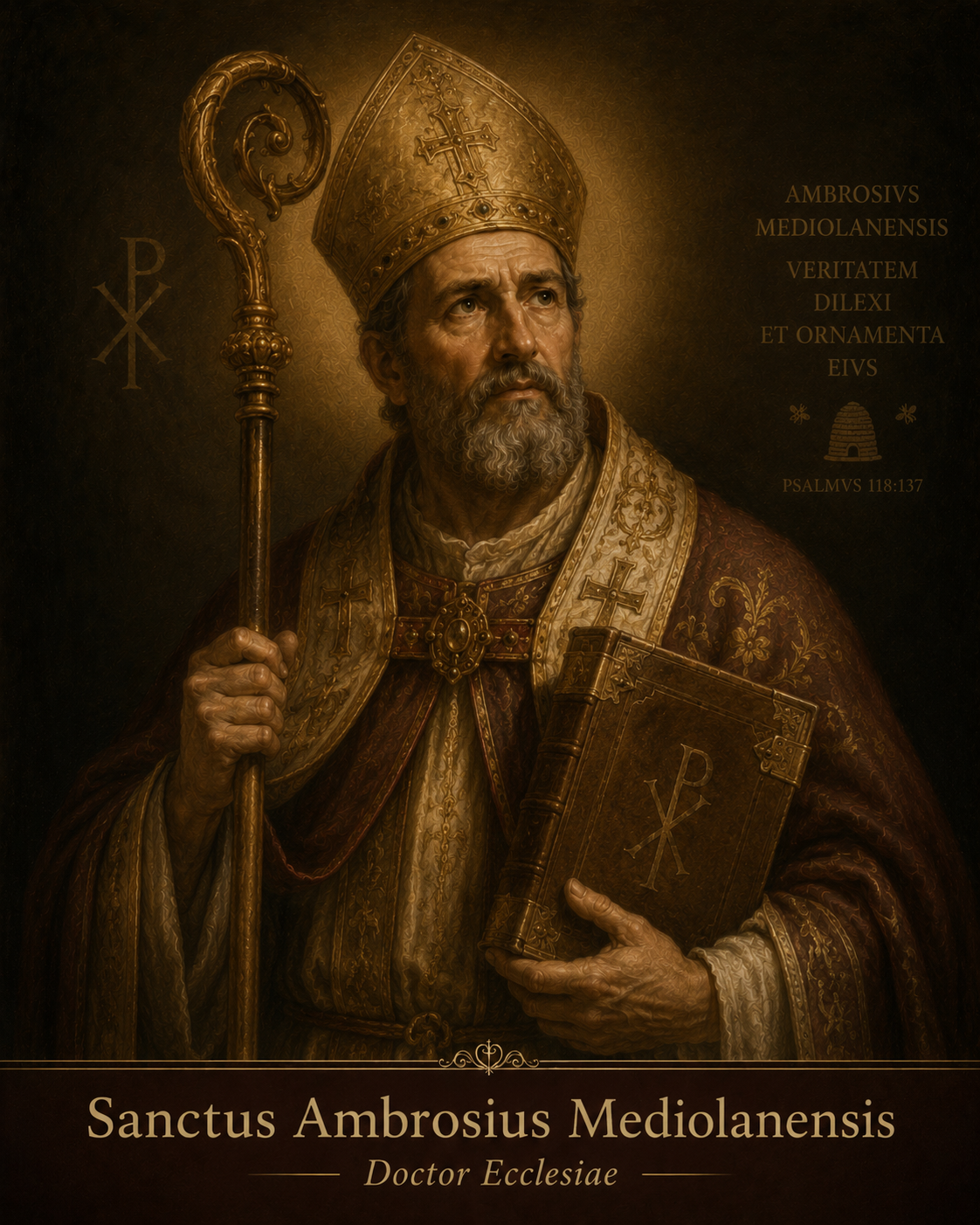 Sanctus Ambrosius Mediolanensis
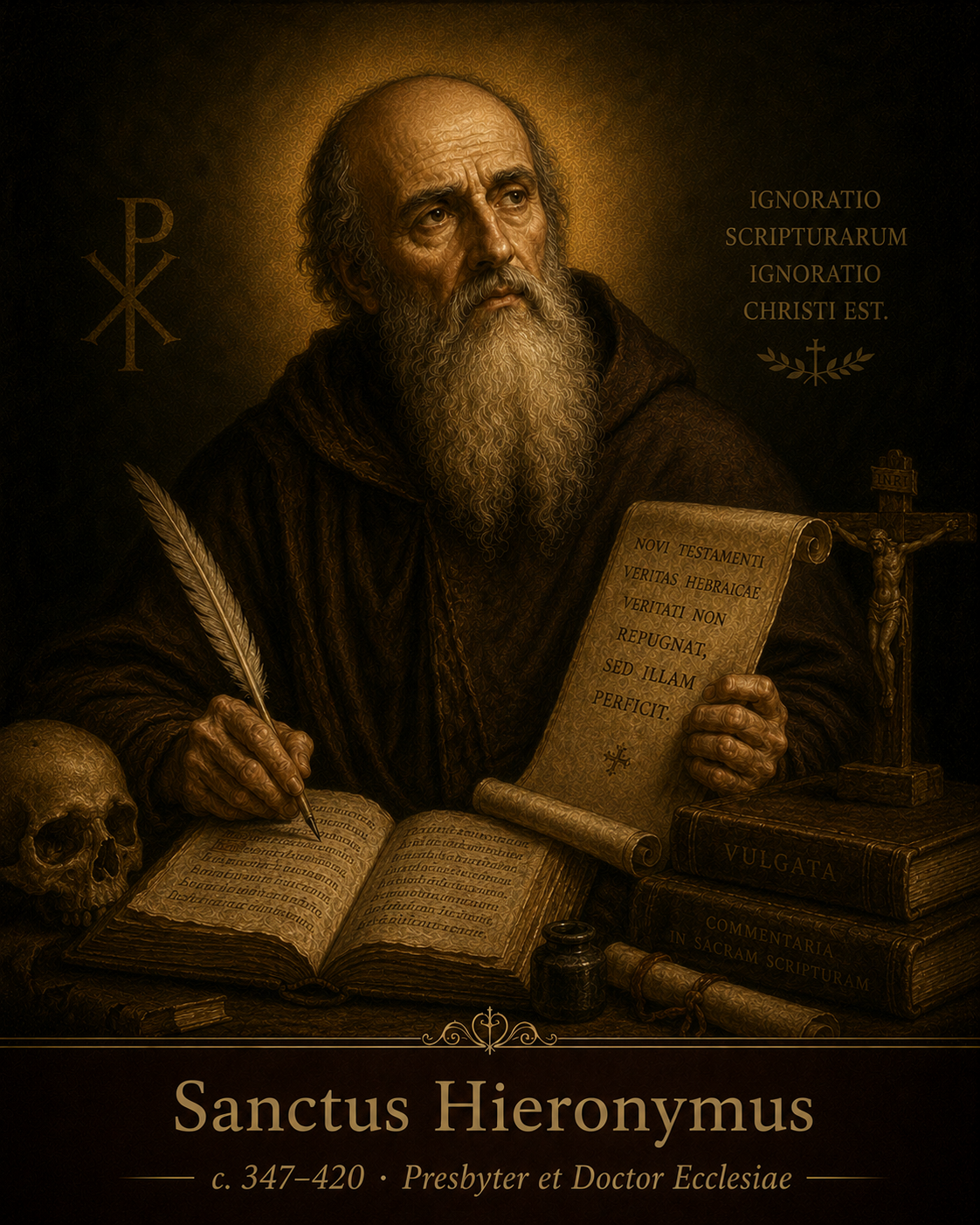 Sanctus Hieronymus
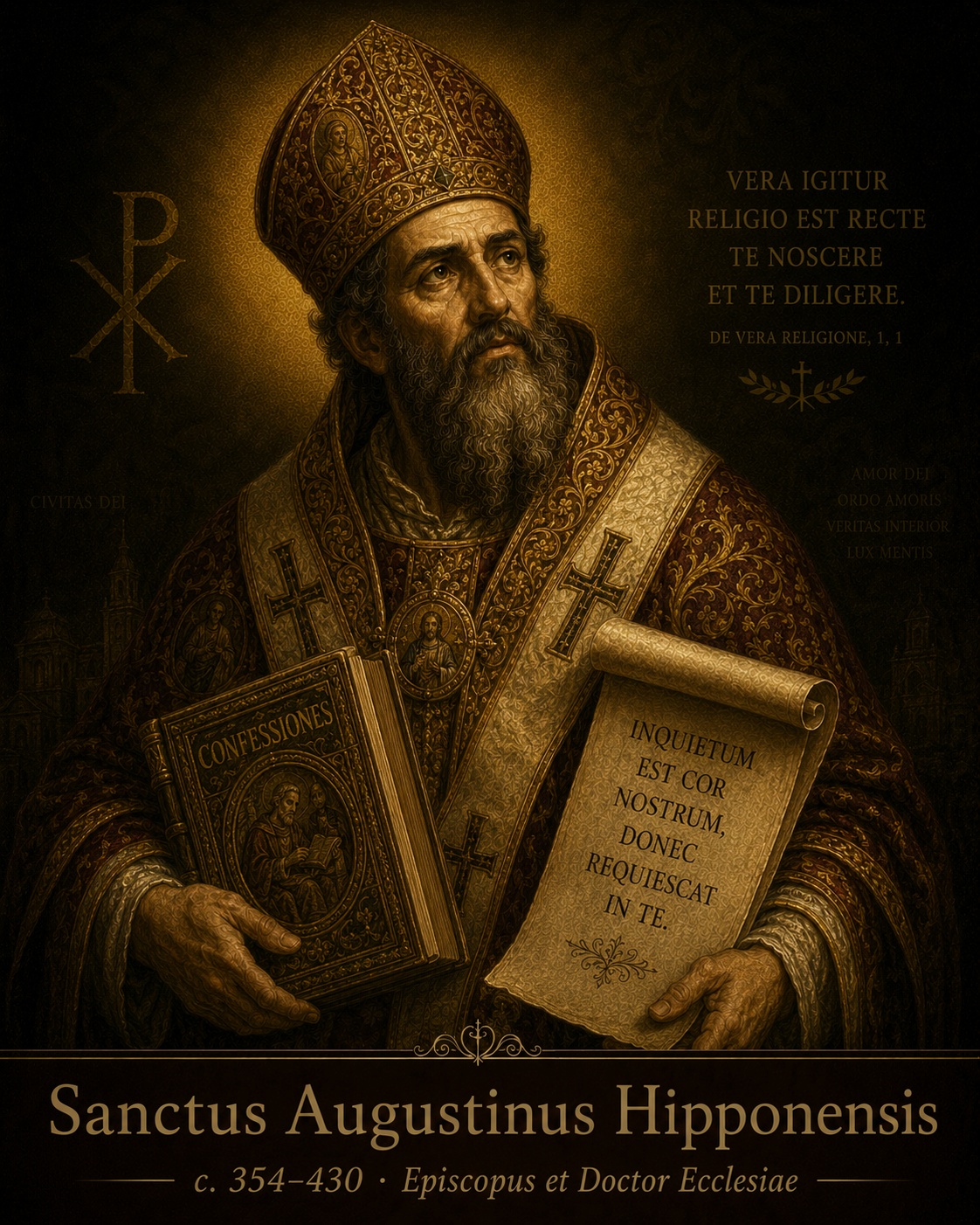 Sanctus Augustinus Hipponensis
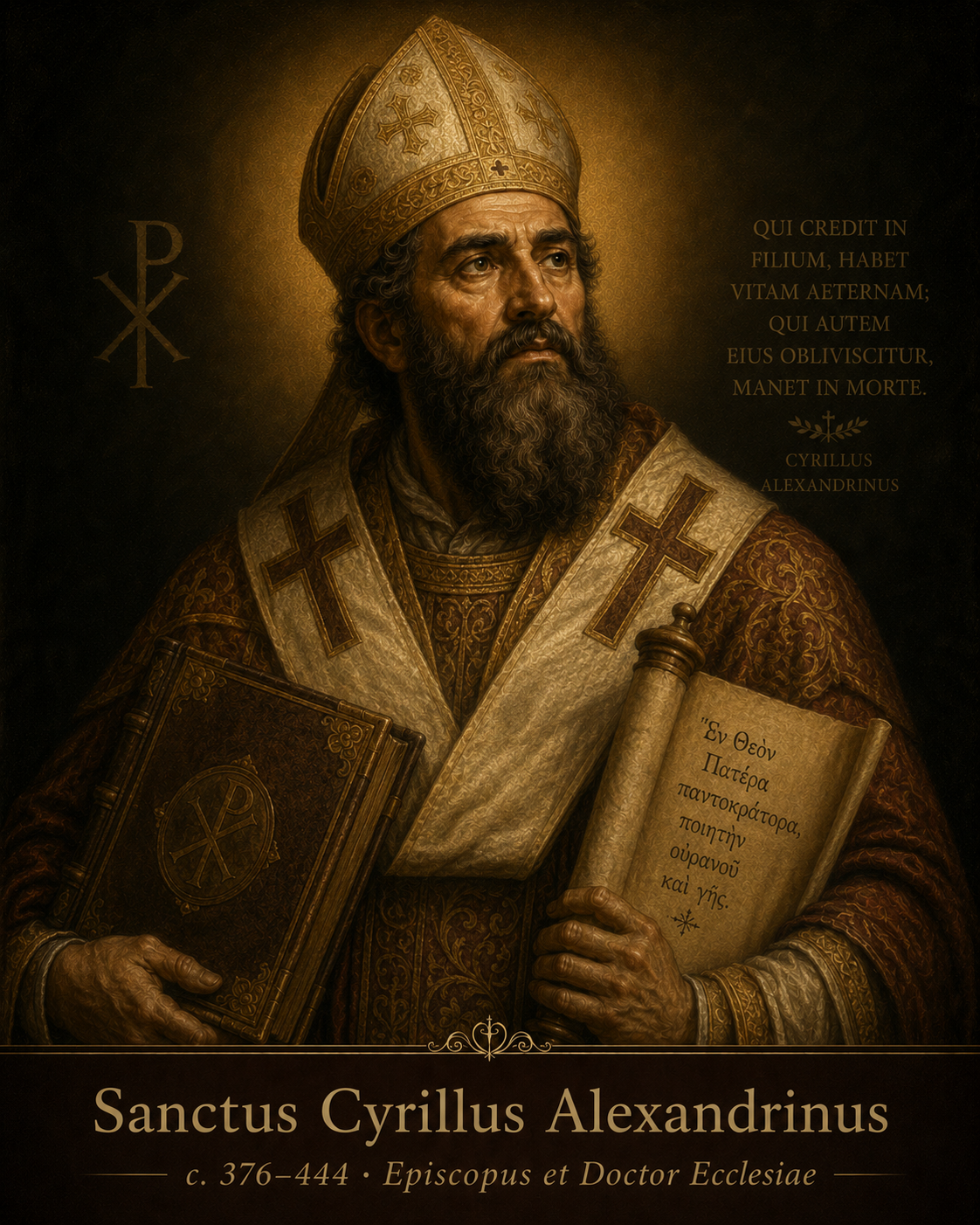 Sanctus Cyrillus Alexandrinus
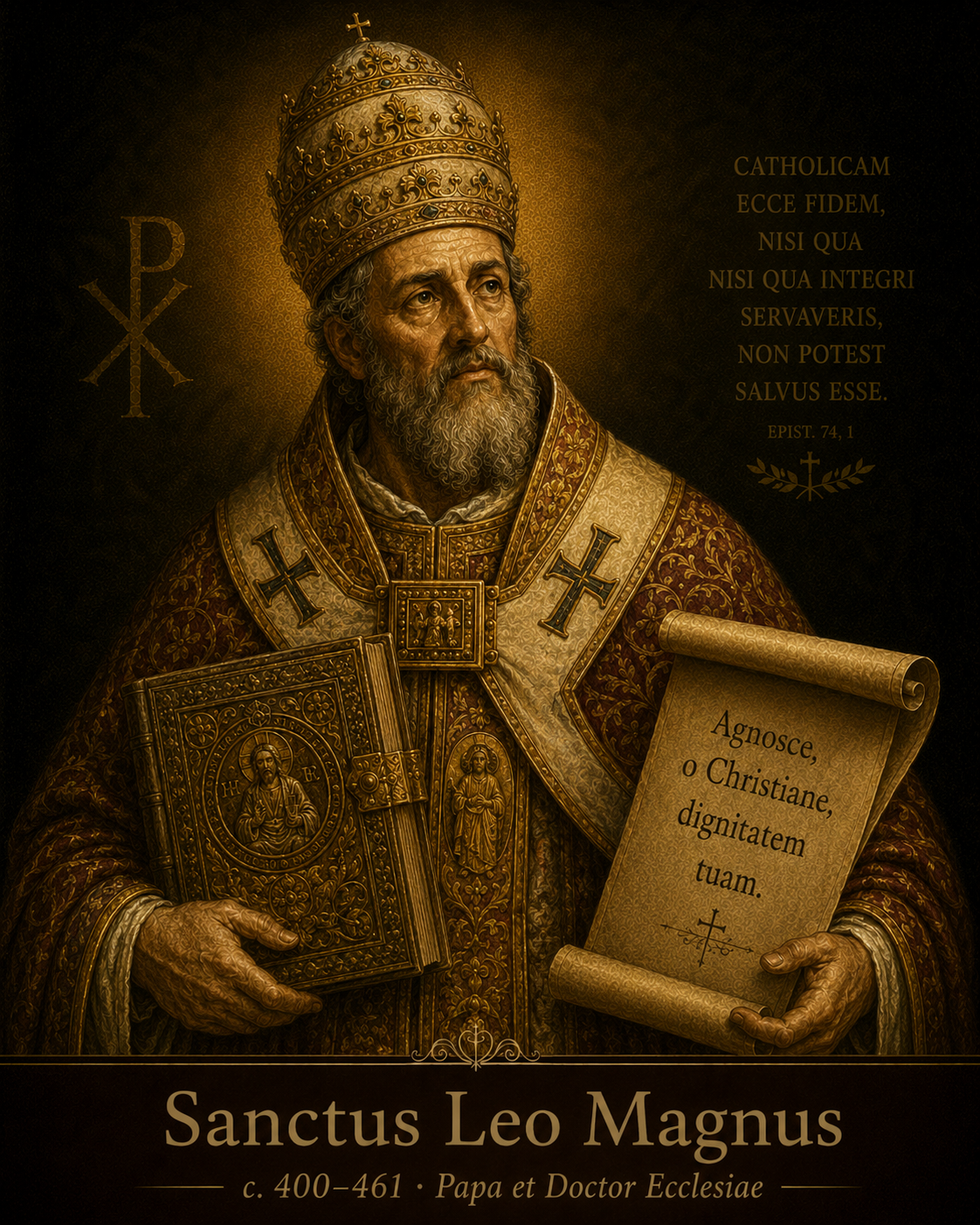 Sanctus Leo Magnus
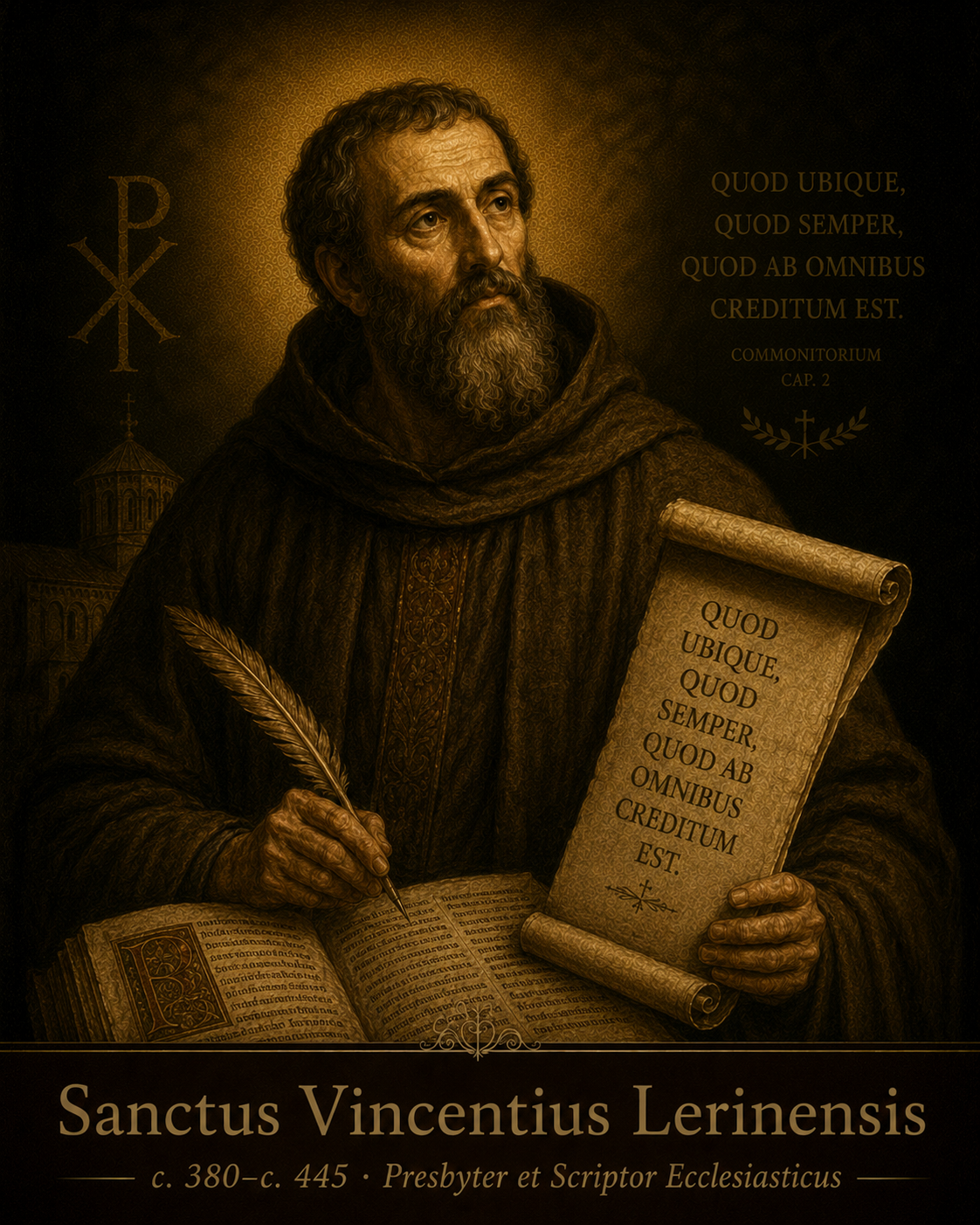 Sanctus Vincentius Lerinensis
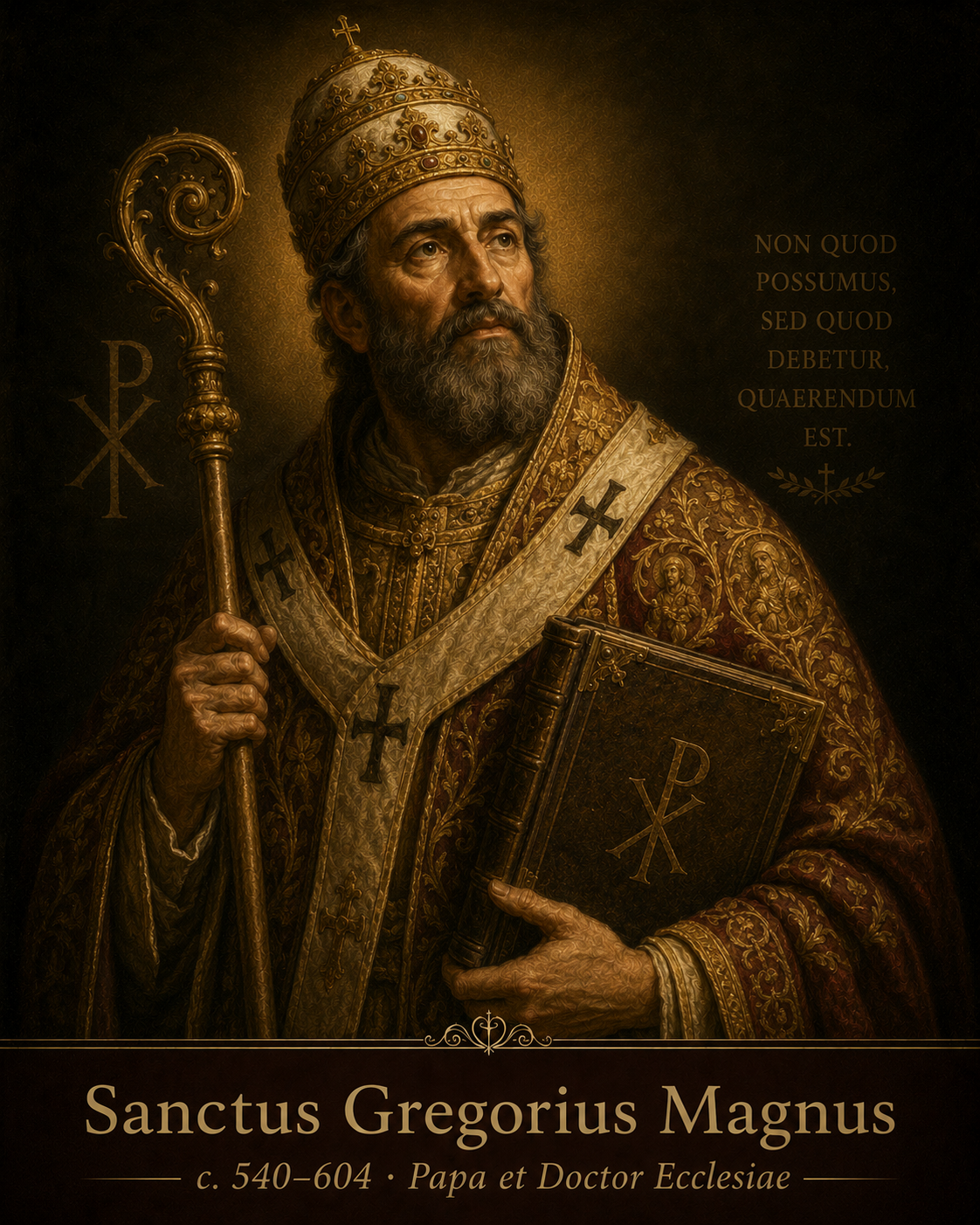 Sanctus Gregorius Magnus
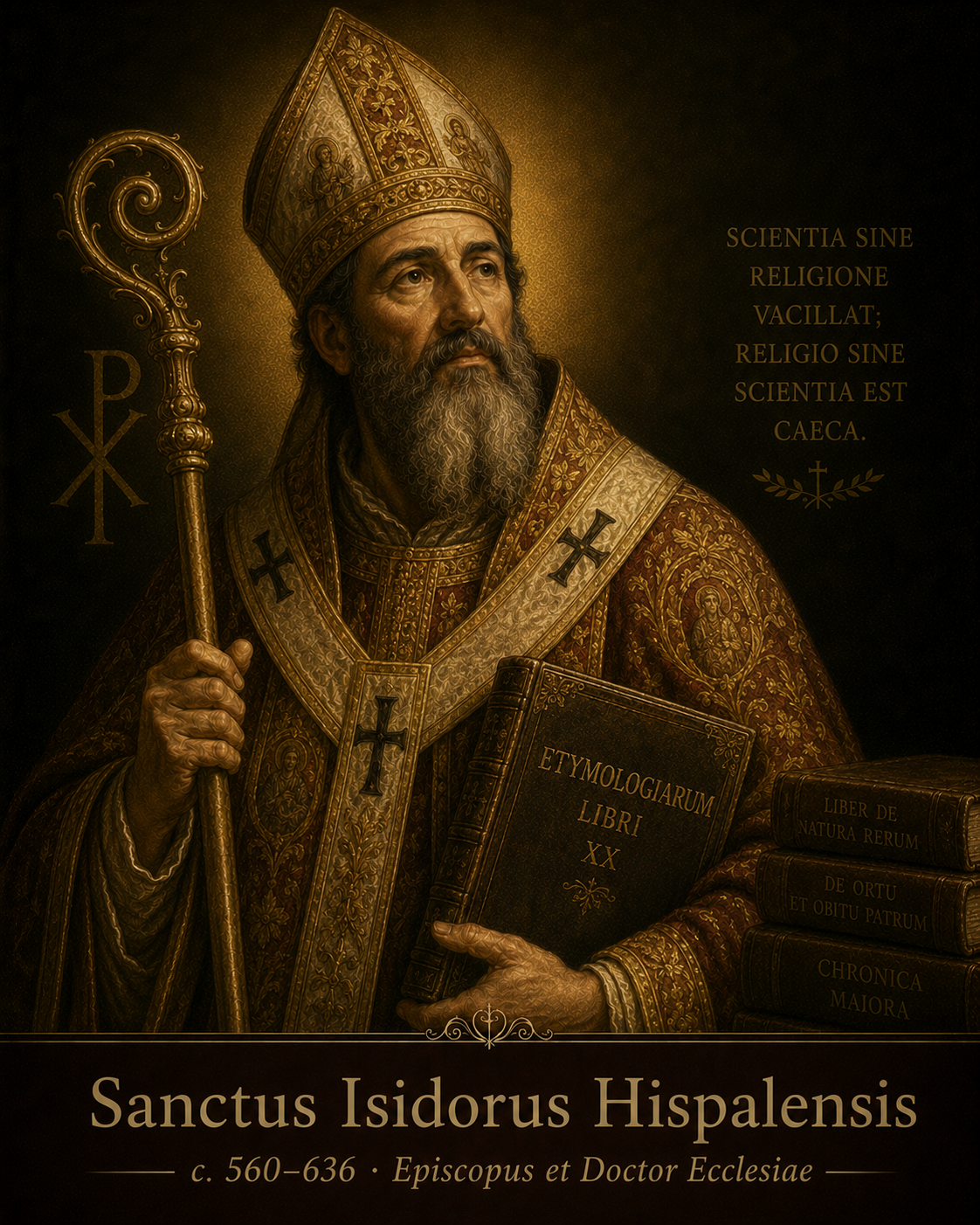 Sanctus Isidorus Hispalensis
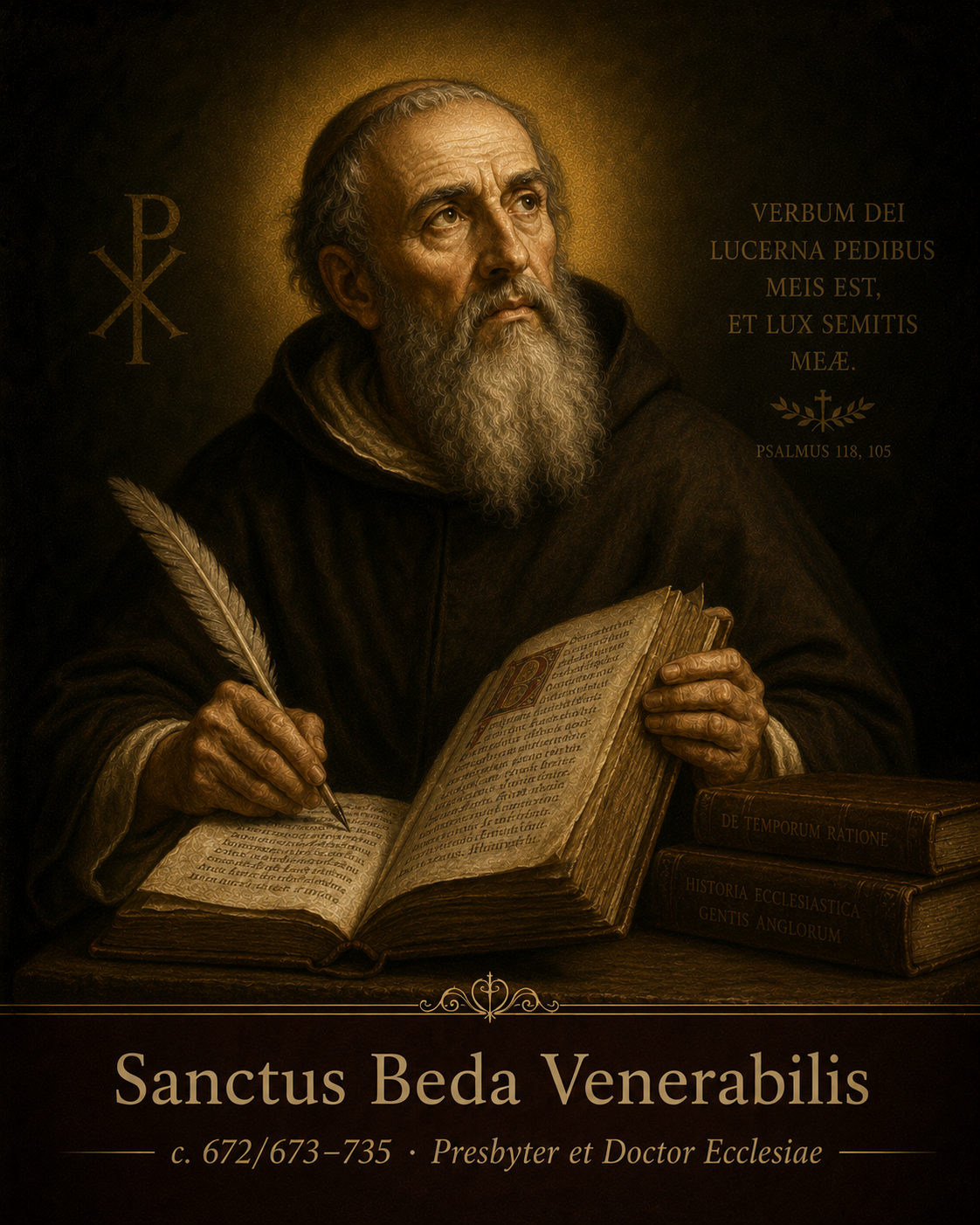 Sanctus Beda Venerabilis
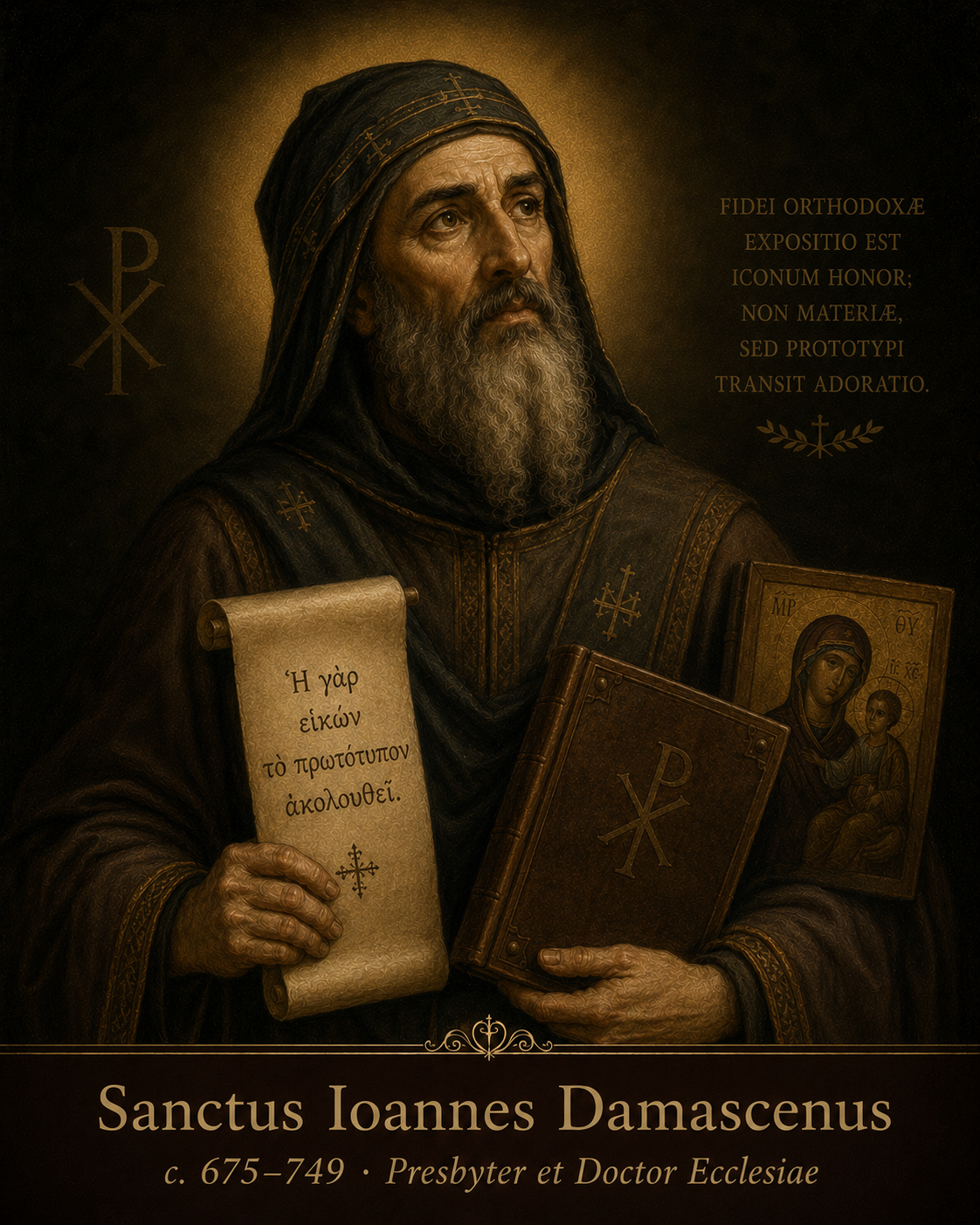 Sanctus Ioannes Damascenus
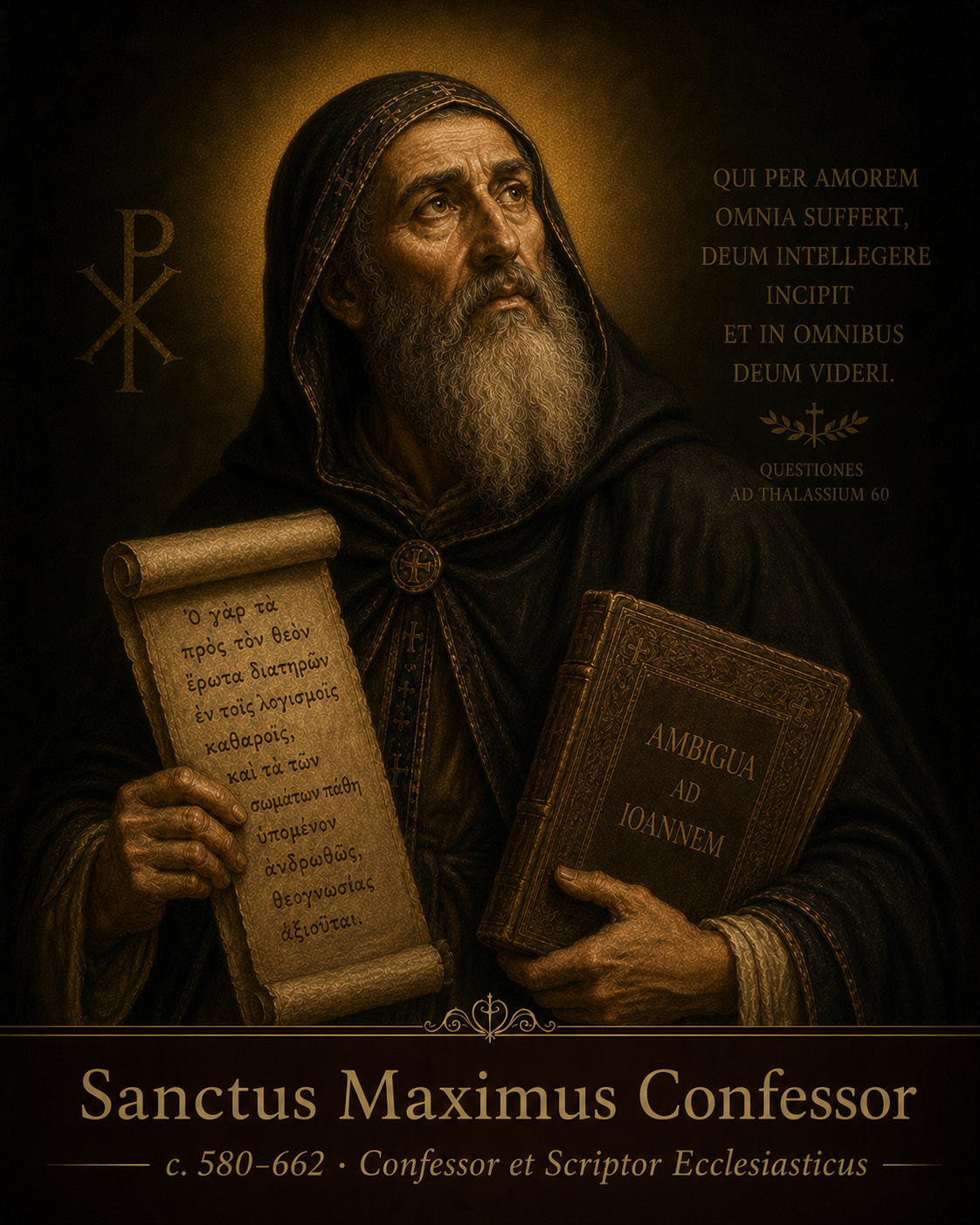 Sanctus Maximus Confessor