Andrew the Apostle
Life and witness
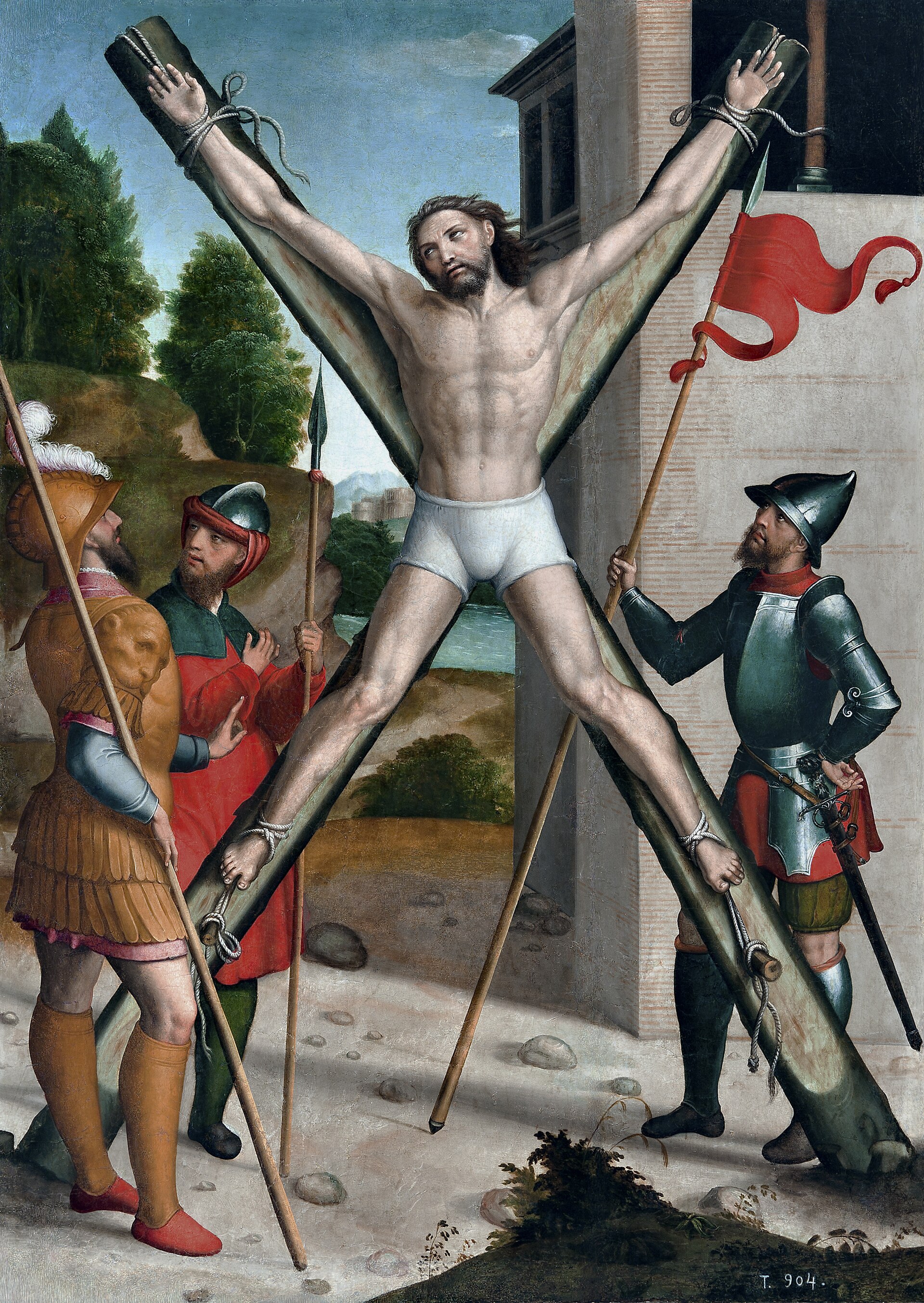
Roman Martyrology (traditional English edition; normalized OCR transcription): At Patras, in Achaia, the birth-day of St. Andrew the apostle, who preached the gospel of Ohrist in Thracia and Scythia; he was apprehended by iEgeas, the proconsul, and first cast into prison, afterwards most cruelly beaten, and lastly fastened to a cross, and hanging alive thereon for two whole days together, he preached to the people, and having besought our Lord that he might not be taken down from the cross, being environed with a great light from heaven, which afterwards vanished, he gave up his holy soul to God.
Biographical overview
Andrew the Apostle (Koine Greek: Ἀνδρέας, romanized: Andréas [anˈdre.aːs̠]; Latin: Andreas [än̪ˈd̪reː.äːs]; Hebrew: אַנדּרֵאוָס; Classical Syriac: ܐܰܢܕ݁ܪܶܐܘܳܣ, romanized: ʾAnd'raʾwās) was an apostle of Jesus. According to the New Testament, he was a fisherman and one of the Twelve Apostles chosen by Jesus. The title First-Called (Πρωτόκλητος, Prōtoklētos) used by the Eastern Orthodox Church stems from the Gospel of John, where Andrew, initially a disciple of John the Baptist, follows Jesus and, recognising him as the Messiah, introduces his brother Simon Peter to him. According to Eastern Orthodox tradition, the apostolic successor to Andrew is the Ecumenical Patriarch of Constantinople.
Martyrologium Romanum · Latin witness
Apud Patras, in Achaja, natalis sancti Andreae Apostoli, qui in Thracia et Scythia sacrum Christi Evangelium praedicavit. Is, ab Aegea Proconsule comprehensus, primum in carcere clausus est, deinde gravissime caesus, ad ultimum suspensus in cruce, in ea populum docens biduo supervixit; et, rogato Domino ne eum sineret de cruce deponi, circumdatus est magno splendore de caelo, et, abscedente postmodum lumine, emisit spiritum.