
Fantinus
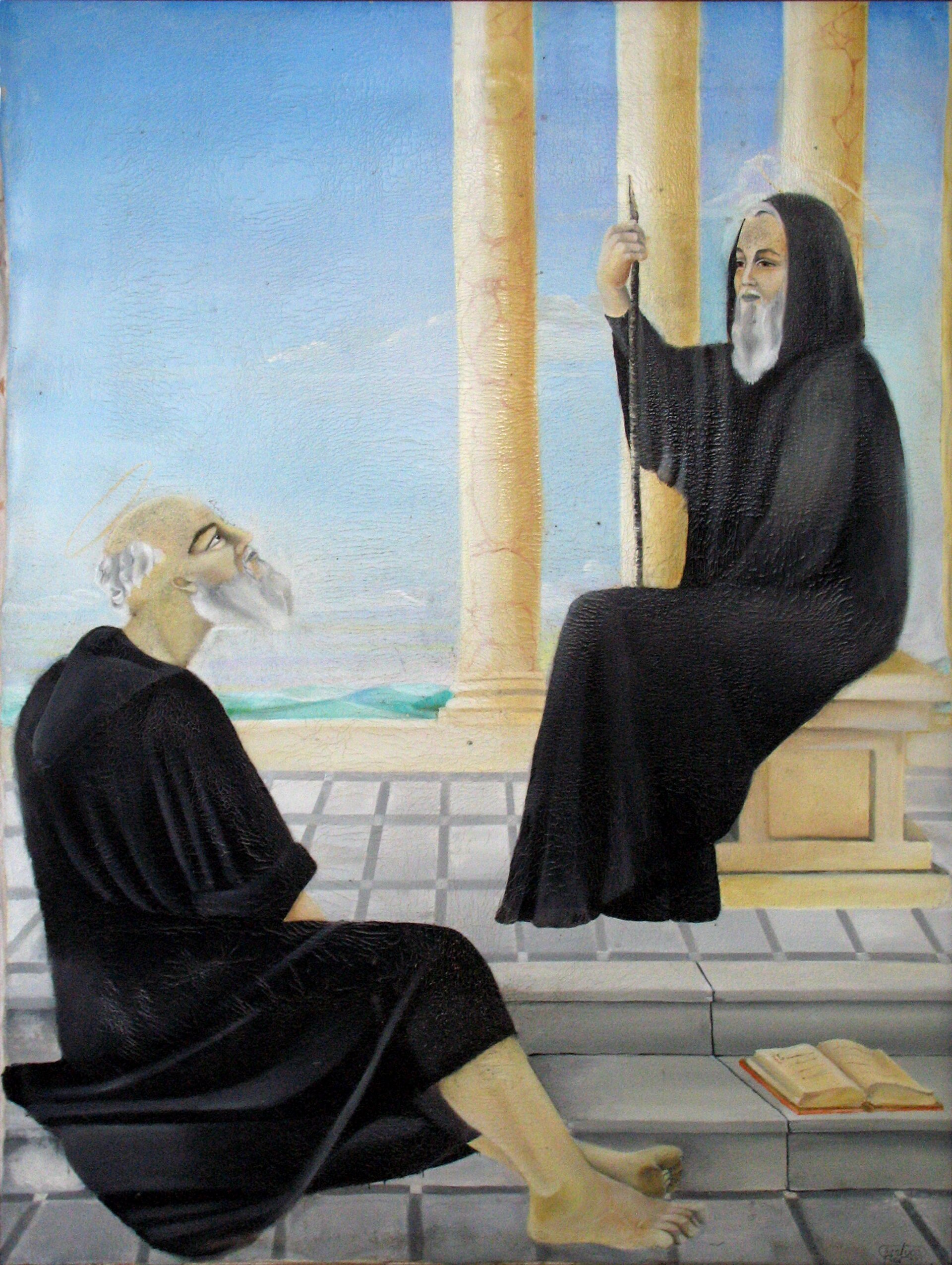
Life and witness
At Thessalonica, of St. Fantinus, confessor, who having suffered much by tho Saracens, and driven out of his monastery, where he lived in great abstinence, after he had brought many to the way of salvation, rested at last in a good old age.
The Lives Of The Saints: Volume 09, August · ■ S. Fantinus, Mk. at Thessalonica ; g th cent.
■ S. Fantinus, Mk. at Thessalonica ; g th cent.
SS. FELIX AND ADAUCTUS, MM.
(about a.d. 304.)
TRoman Martyrology. Ado, Usuardus, and almost all Latin Martyr- ologies. Authority Mention in the Martyrologies, the ancient Acts, and a poem by Marbod of Rennes. ]
AINT FELIX, a Roman priest, was taken in the persecution of Diocletian and condemned to lose his head. As he was being led to execu- tion he was met by a stranger, who, being a Christian, was so moved by the sight that he cried out with a loud voice, “ I also confess the same law as this man. I confess the same Jesus Christ ; and I am ready to lay down my life in witness of these truths.” He was at once seized, led before the magistrate, hastily sentenced, and the martyrs were both beheaded together. The real name of the stranger was never ascertained. He was therefore called Adauctus, or one who had joined himself to the martyr Felix.
Lives of the Saints.
[August qa
*-
-*
384
Biographical overview
Fantinus (Italian: Fantino) (c. 927–1000) was an Italian saint. He is sometimes called Fantinus of Calabria or Fantinus the Younger (Fantino il Giovane) to distinguish him from Fantinus the Wonderworker (or the Elder), an earlier Calabrian saint. Born in Calabria in a locality described as being the "closest to Sicily", Fantinus was introduced as a child to Saint Elias the Cave-Dweller. Fantinus' parents were named George and Vriena. Fantinus' spiritual education was entrusted to Elias, and Fantinus became a monk at the age of thirteen and worked as a cook and afterwards as a porter. At the age of thirty-three, he became a hermit in the region of Mount Mercurion in the north of Calabria. There, many monasteries and hermitages had been established under the Basilian rule. Fantinus lived a life of extreme asceticism, eating only raw vegetables, and occupying his time copying manuscripts. He also experienced a vision of heaven and hell. Fantinus lived both as a hermit and as a monk and abbot. He subsequently convinced his aged parents, as well as his two brothers, Luke and Cosmas, and sister Caterina, to enter the monastic life. When he became a hermit, he left his brother Lucas in charge of the monastery for men he had founded. Though a hermit, he often returned from the wild in order to serve as a guide and spiritual teacher to disciples, such as Nilus the Younger and Nicodemus of Mammola.
Martyrologium Romanum · Latin witness
Thessalonicae sancti Fantini Confessoris, qui, multa a Saracenis perpessus, atque e monasterio, in quo abstinentia vixerat admirabili, expulsus, demum, cum plurimos ad viam salutis perduxisset, in senectute bona quievit.