I. Knowledge of God
The path does not begin with lists of sects, but with reason, creation, conscience, truth, cause, order and the question of God.

Apologetic path
After presenting the Catholic faith, Katholon follows the rational path: first the knowledge of God and the critique of false worldviews; then religions in historical order, from ancient religions through Hinduism and Buddhism to Israel, to the Catholic Church as fulfilment in Christ, and then to Islam; finally Christian ruptures are tested by Scripture, Tradition, councils, apostolic succession, sacraments and visible unity.
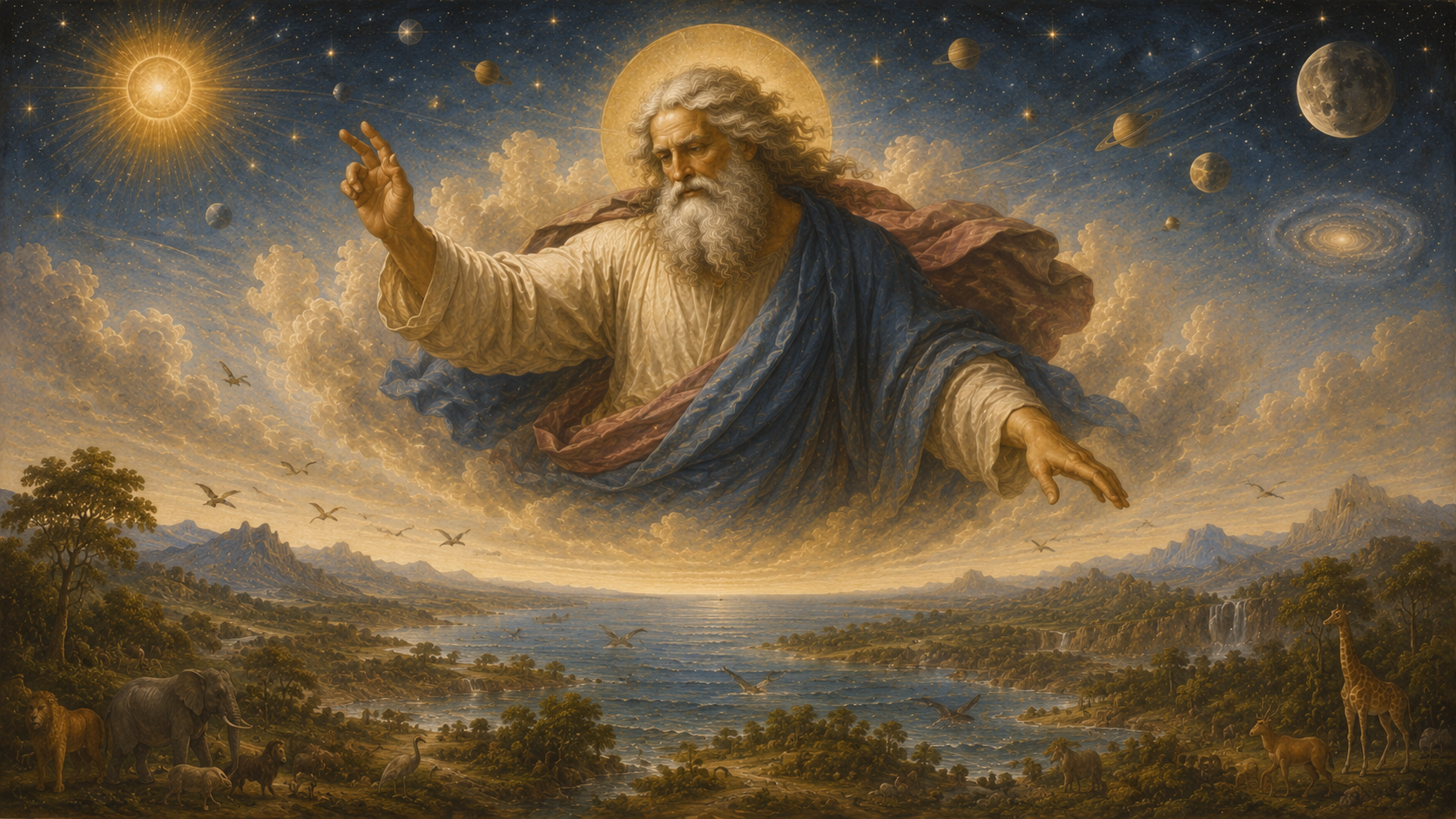
The path does not begin with lists of sects, but with reason, creation, conscience, truth, cause, order and the question of God.
Religions are not blended together, but compared in order: revelation, doctrine of God, salvation, worship, history and claim.
Christian bodies are examined by Christ, sacraments, apostolic succession, Magisterium, councils and visible unity.
The goal is not debate for its own sake, but the question of the Church founded by Christ: one, holy, catholic and apostolic.
Katholon does not arrange objections as a loose collection, but as a path: from God, to Christ, to the apostolic Church, to the sacraments and to the Catholic fullness of truth.
Catholic Home Hub
The Greek expression katholou means according to the whole. Katholon takes this horizon seriously: Scripture, Tradition, Magisterium, liturgy, catechesis, apologetics, media and community are not scattered fragments, but ordered entrances into the one Catholic form of life.
The name points toward catholicity: the faith received from Christ, kept in the Church, taught through the ages and ordered toward all nations.
Saint Ignatius of Antioch witnesses: “wherever Jesus Christ is, there is the Catholic Church.”
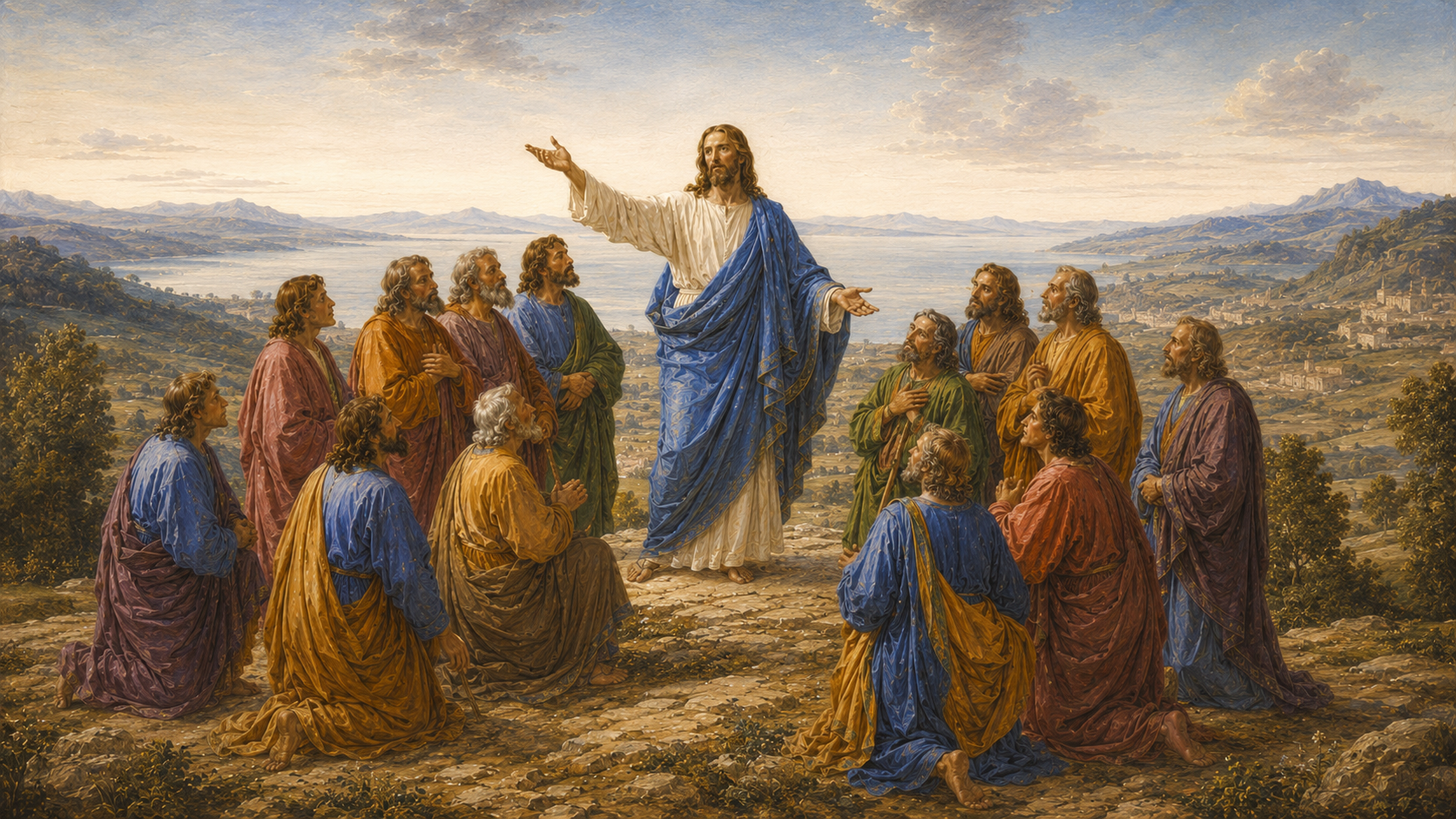
“Euntes ergo docete omnes gentes”: the missionary command belongs to the heart of the Catholic name.
Apostolic Continuity
Katholon presents the Catholic line not as a late invention, but as a received witness: Christ founds the Church, the Apostles hand on word and writing, and the Fathers testify to the same rule of faith.
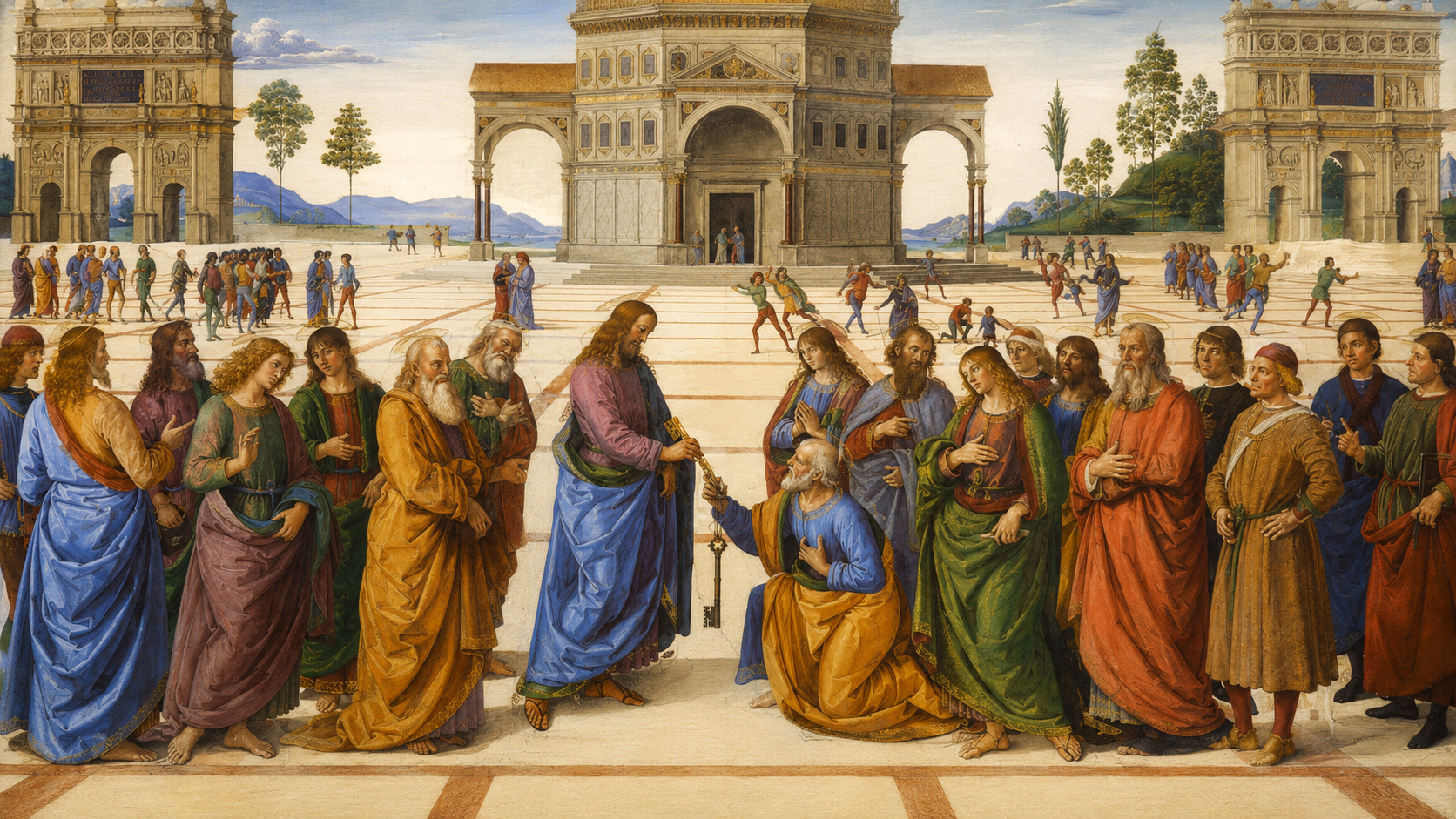
Matth. 16, 18
Tu es Petrus, et super hanc petram aedificabo Ecclesiam meam.
You are Peter, and upon this rock I will build my Church.
II Thess. 2, 15
State et tenete traditiones quas didicistis, sive per sermonem sive per epistulam nostram.
Stand firm and hold the traditions you were taught, whether by word or by our letter.
Apostles
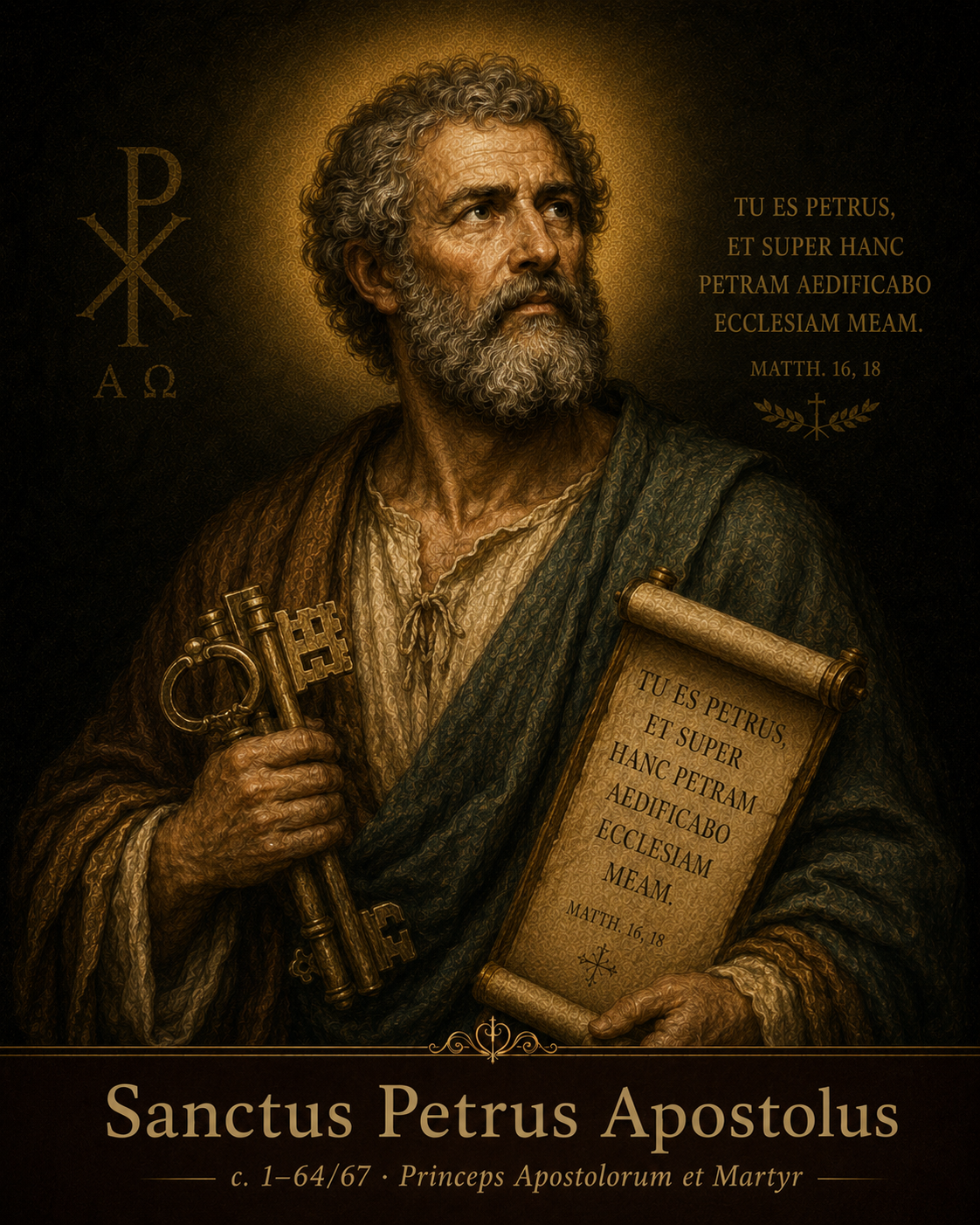 Sanctus Petrus Apostolusc. 1–64/67 · Princeps Apostolorum et Martyr
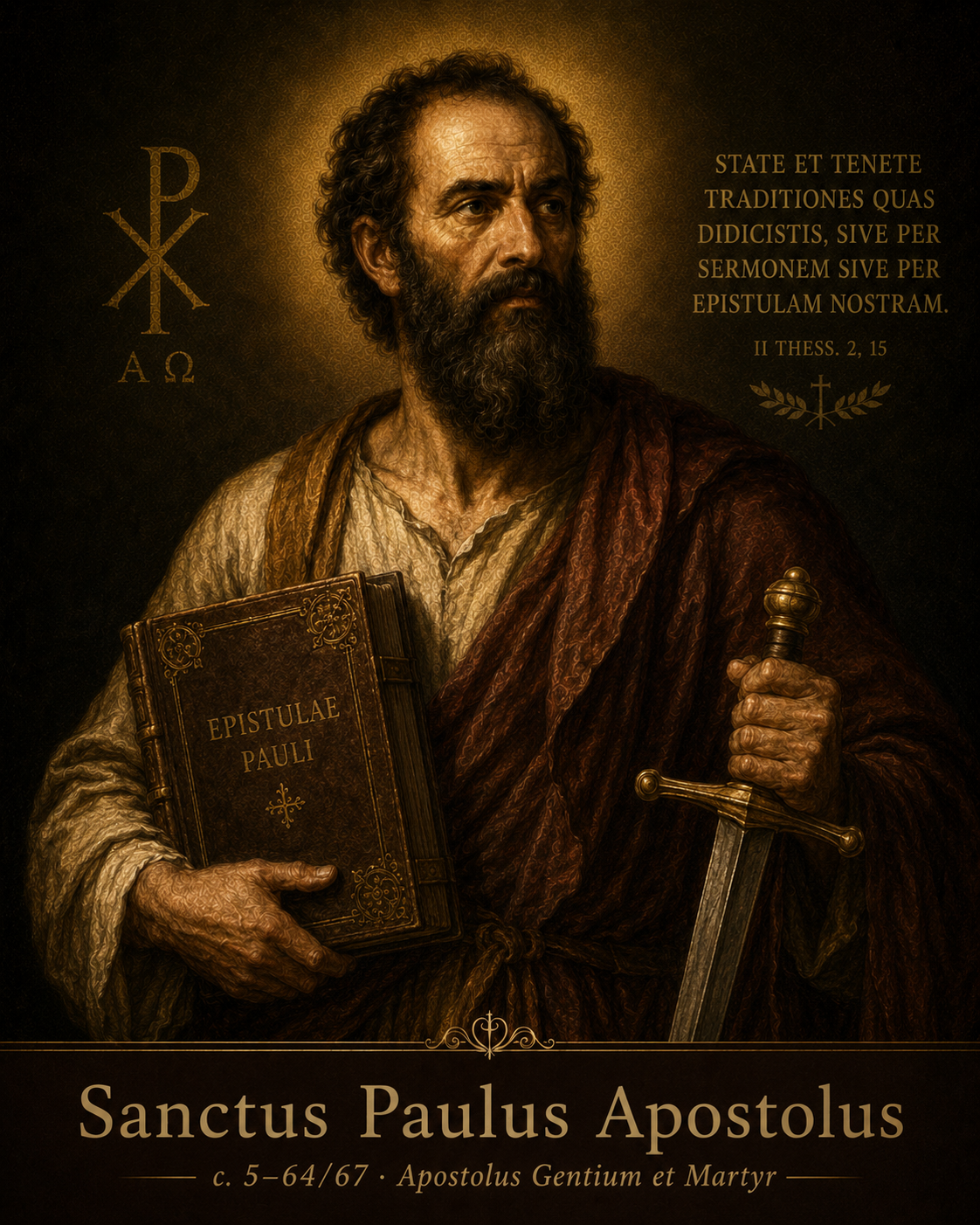 Sanctus Paulus Apostolusc. 5–64/67 · Apostolus Gentium et Martyr
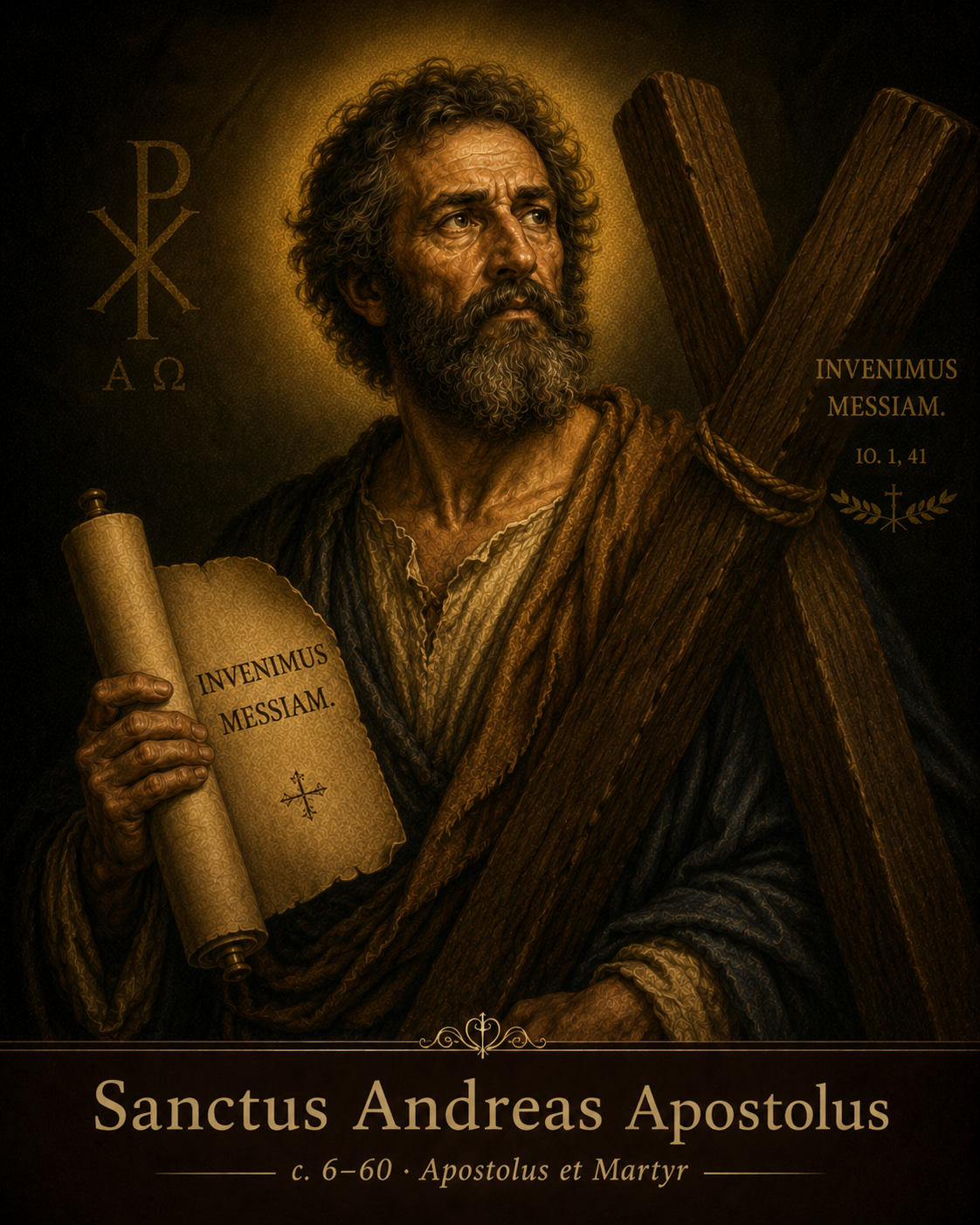 Sanctus Andreas Apostolusc. 6–60 · Apostolus et Martyr
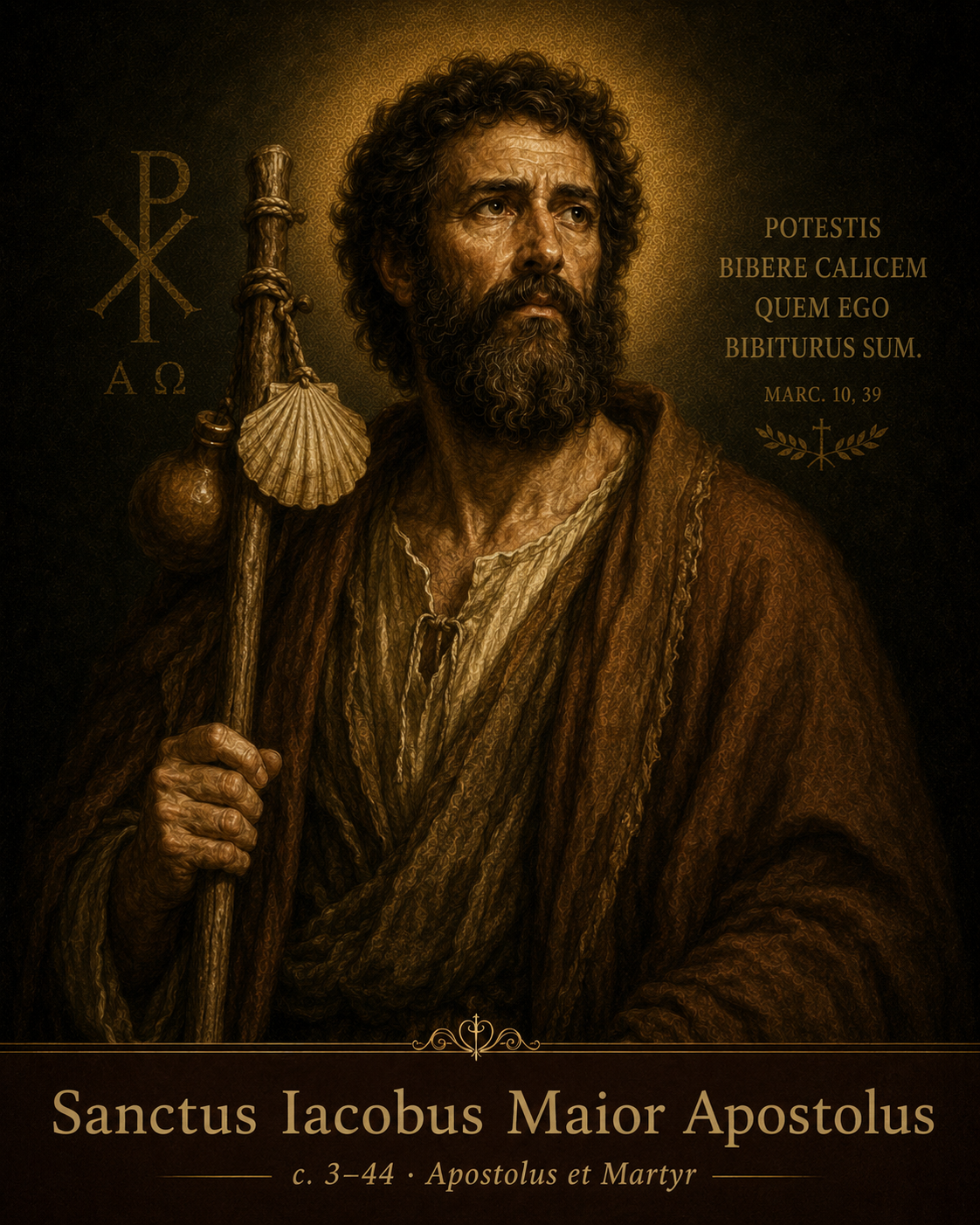 Sanctus Iacobus Maior Apostolusc. 3–44 · Apostolus et Martyr
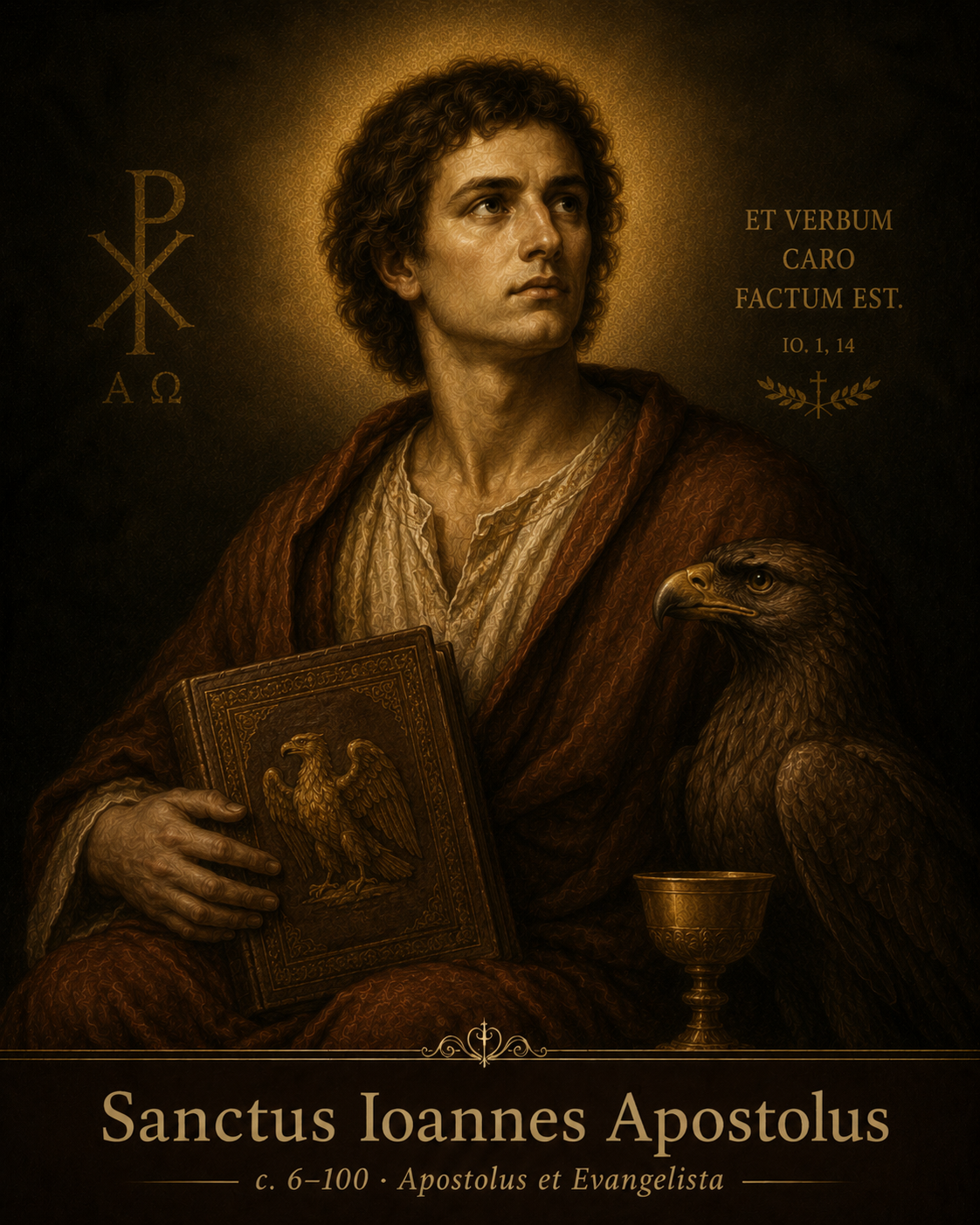 Sanctus Ioannes Apostolusc. 6–100 · Apostolus et Evangelista
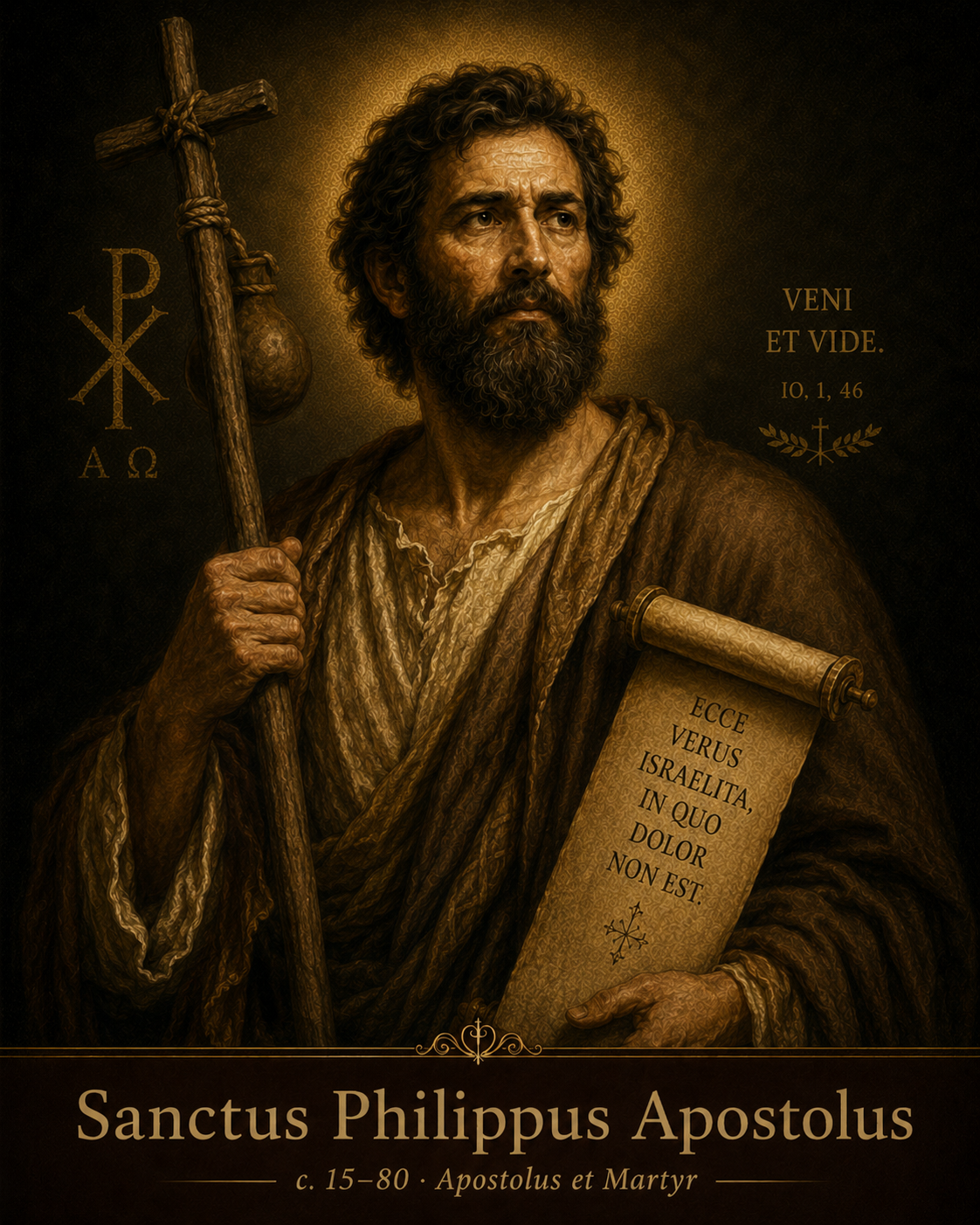 Sanctus Philippus Apostolusc. 15–80 · Apostolus et Martyr
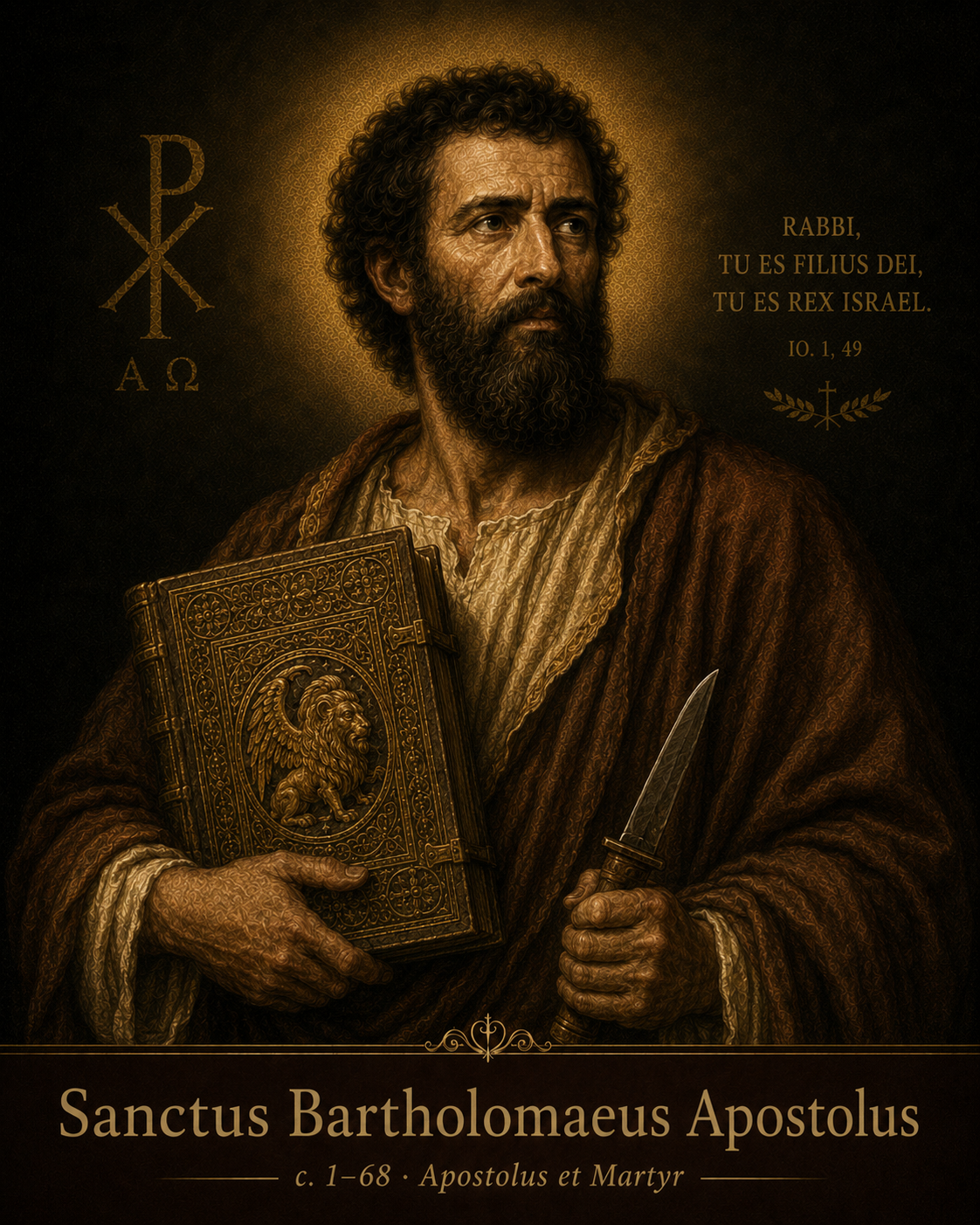 Sanctus Bartholomaeus Apostolusc. 1–68 · Apostolus et Martyr
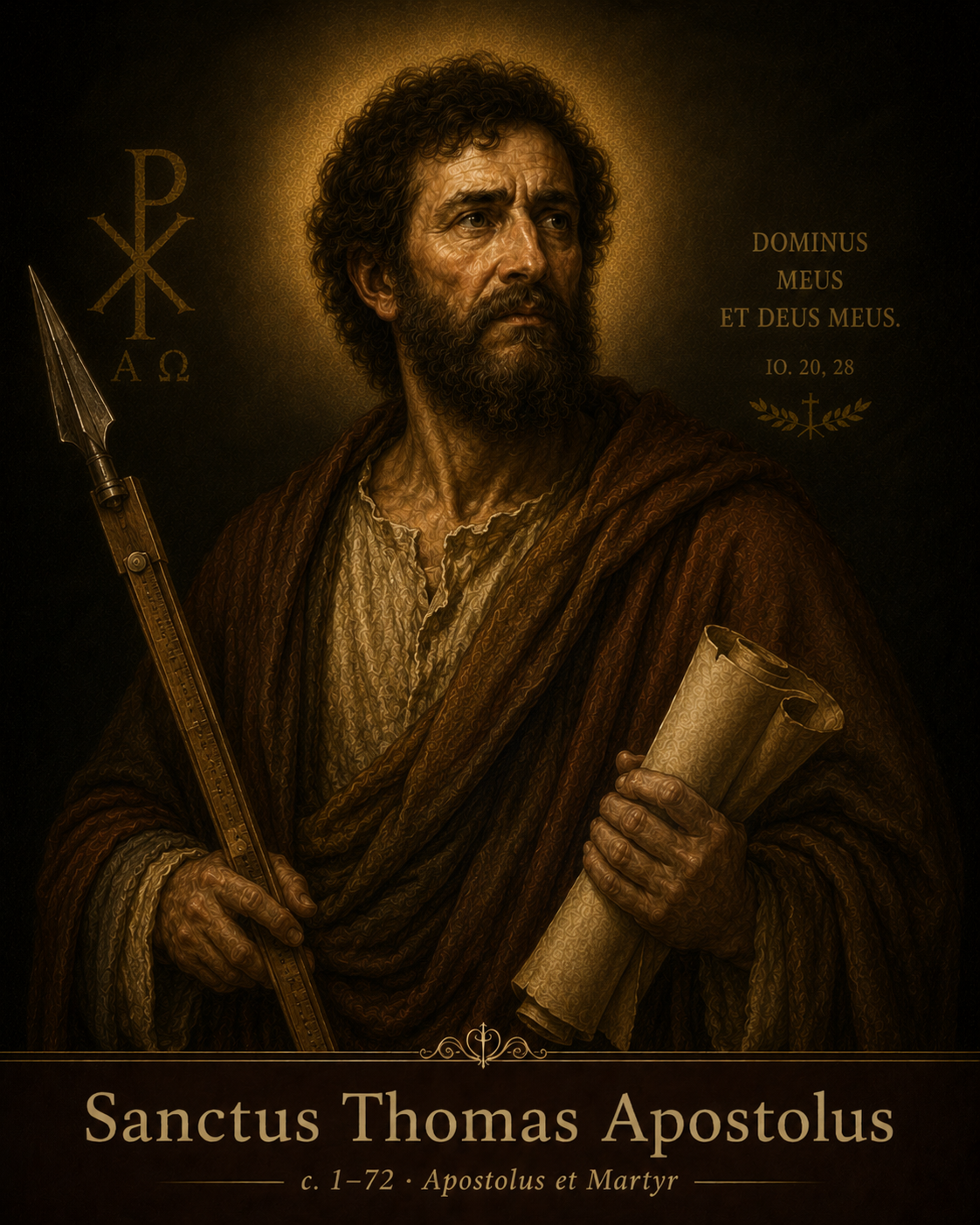 Sanctus Thomas Apostolusc. 1–72 · Apostolus et Martyr
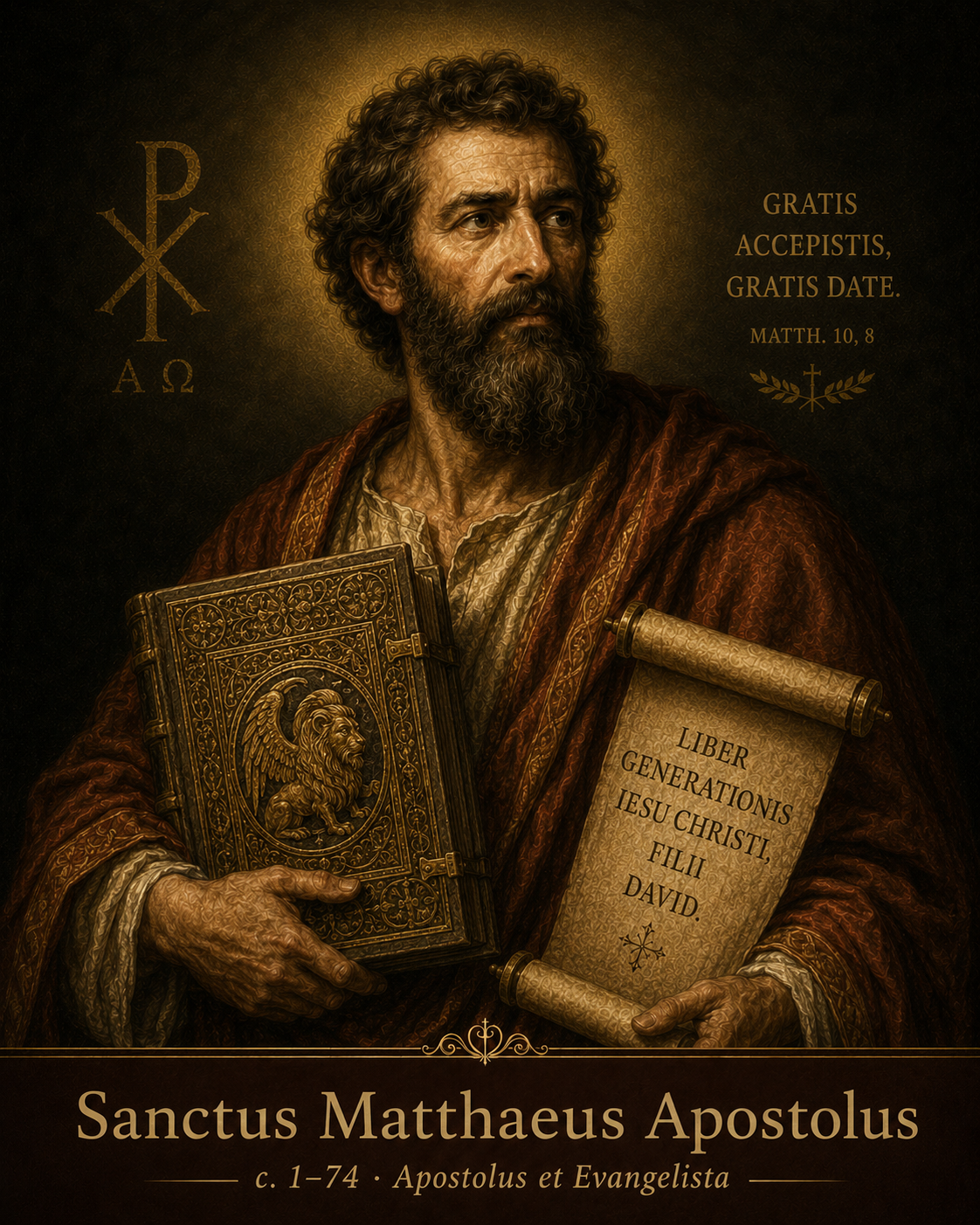 Sanctus Matthaeus Apostolusc. 1–74 · Apostolus et Evangelista
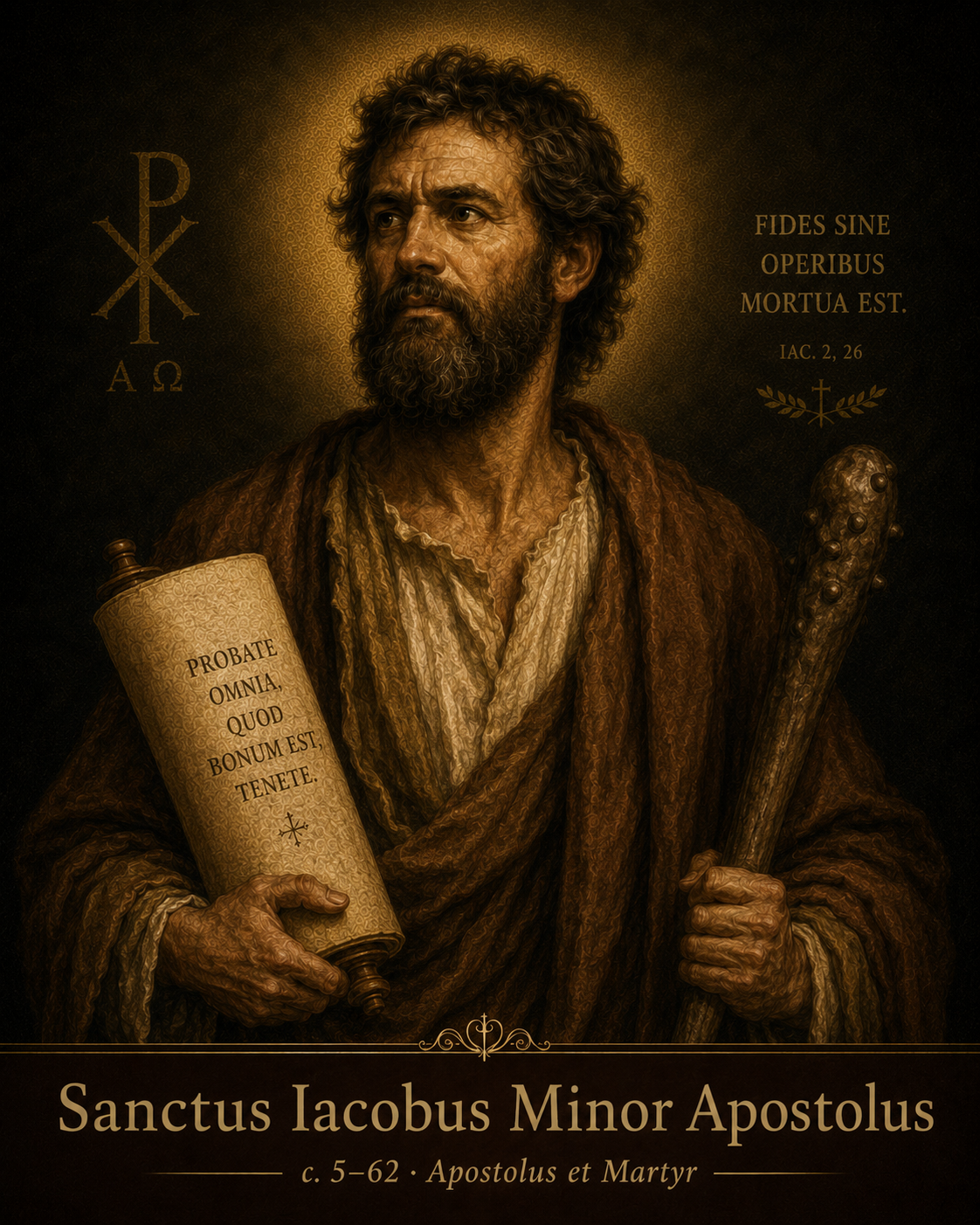 Sanctus Iacobus Minor Apostolusc. 5–62 · Apostolus et Martyr
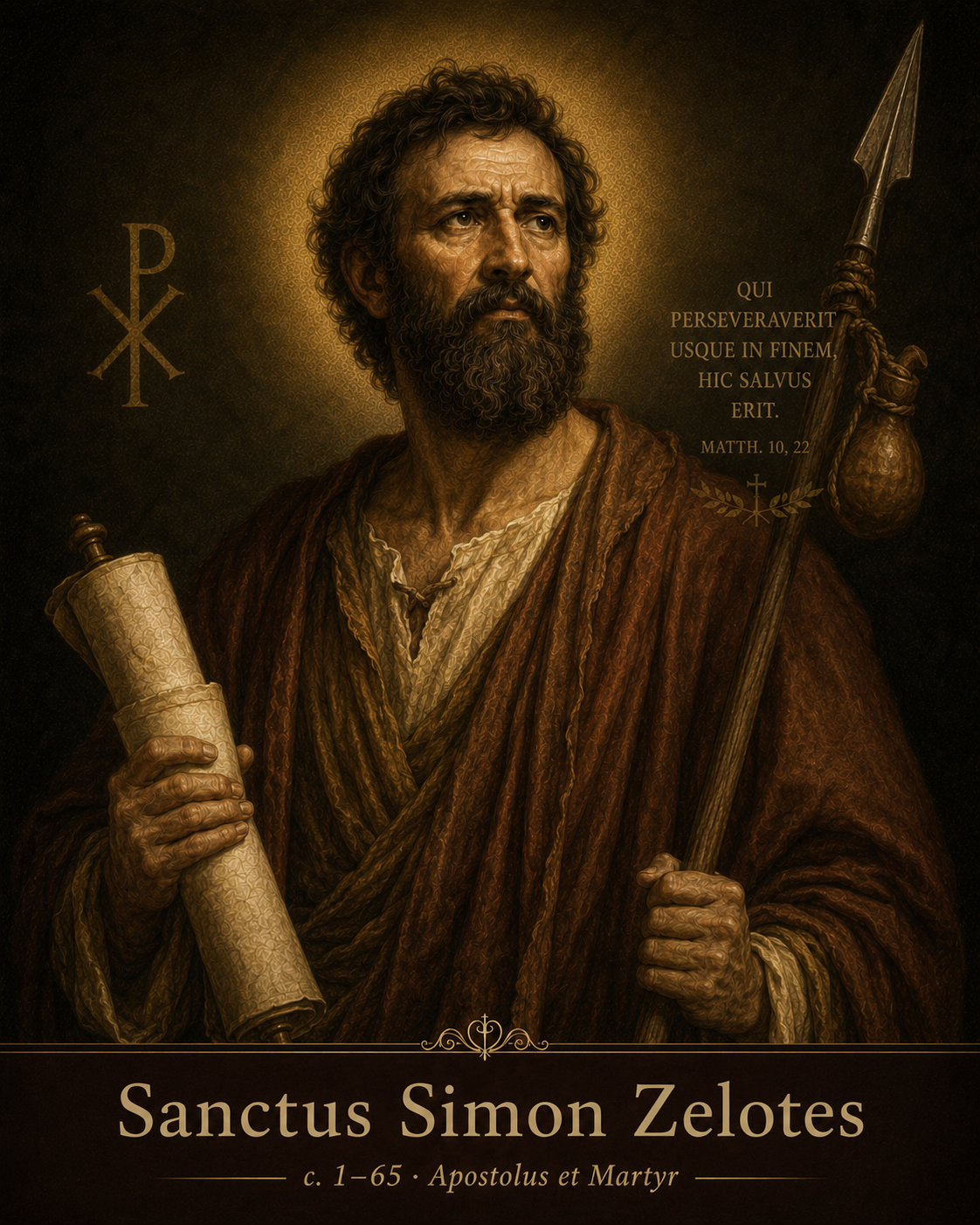 Sanctus Simon Zelotesc. 1–65 · Apostolus et Martyr
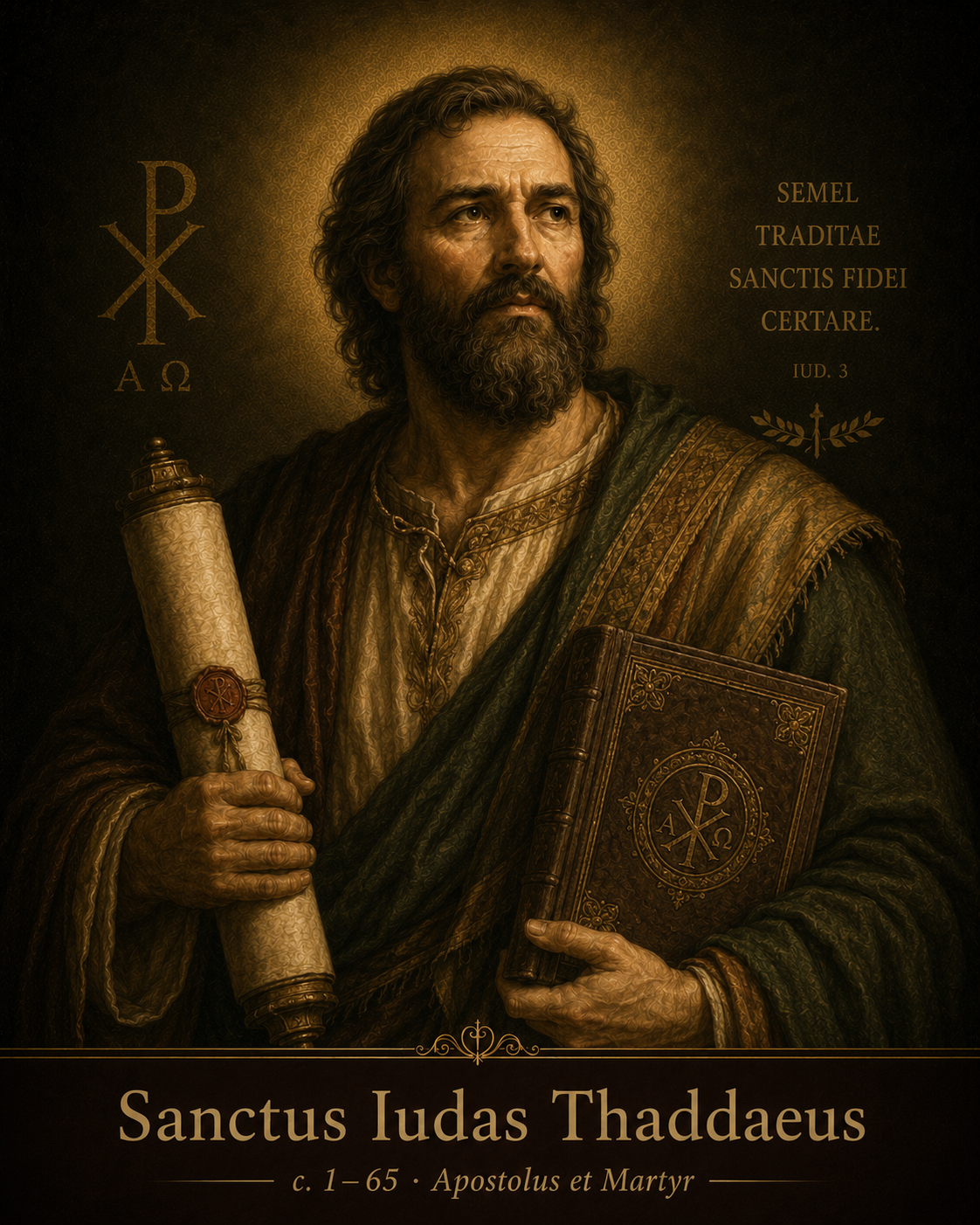 Sanctus Iudas Thaddaeusc. 1–65 · Apostolus et Martyr
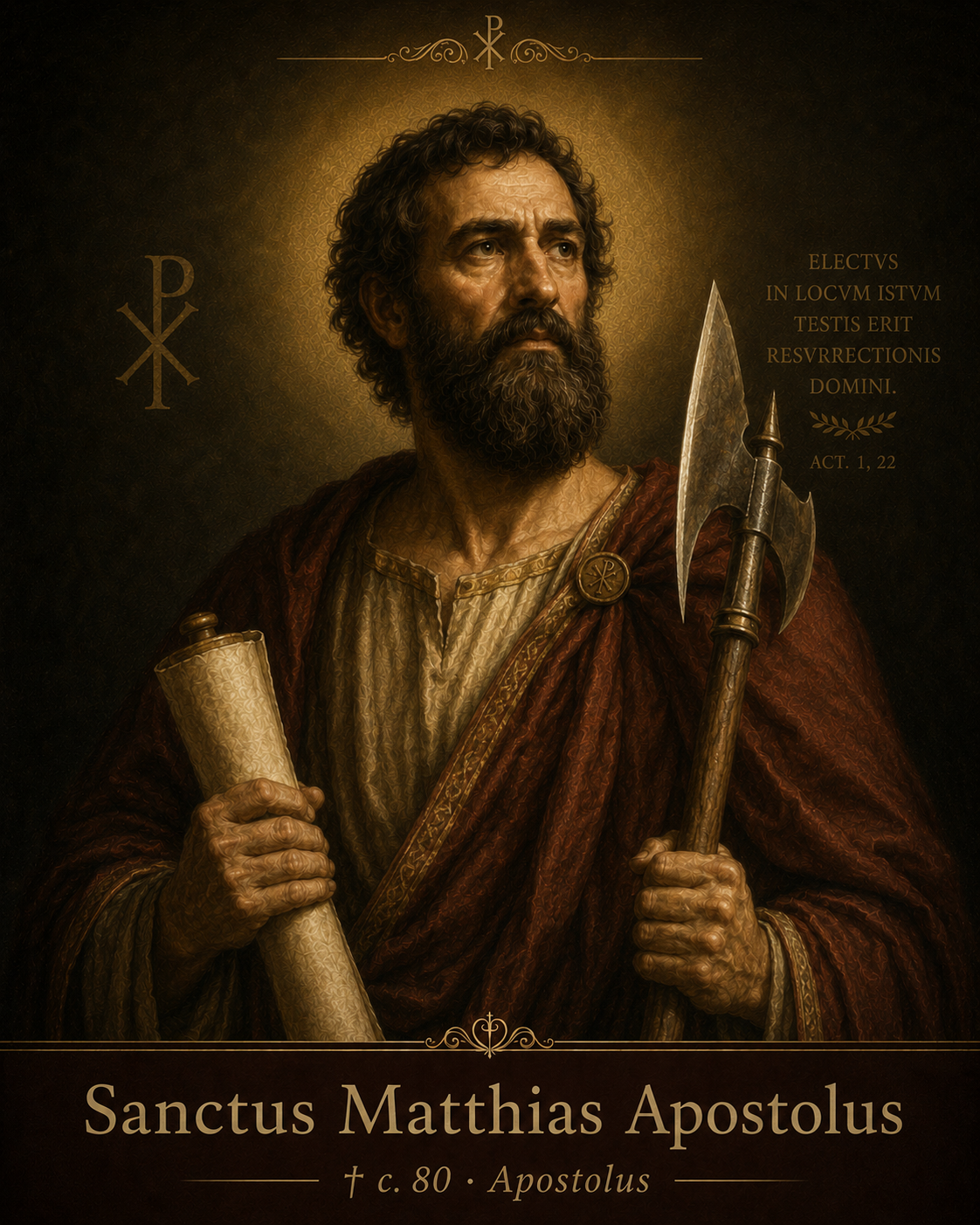 Sanctus Matthias Apostolusc. 1–80 · Apostolus
Patres Ecclesiae
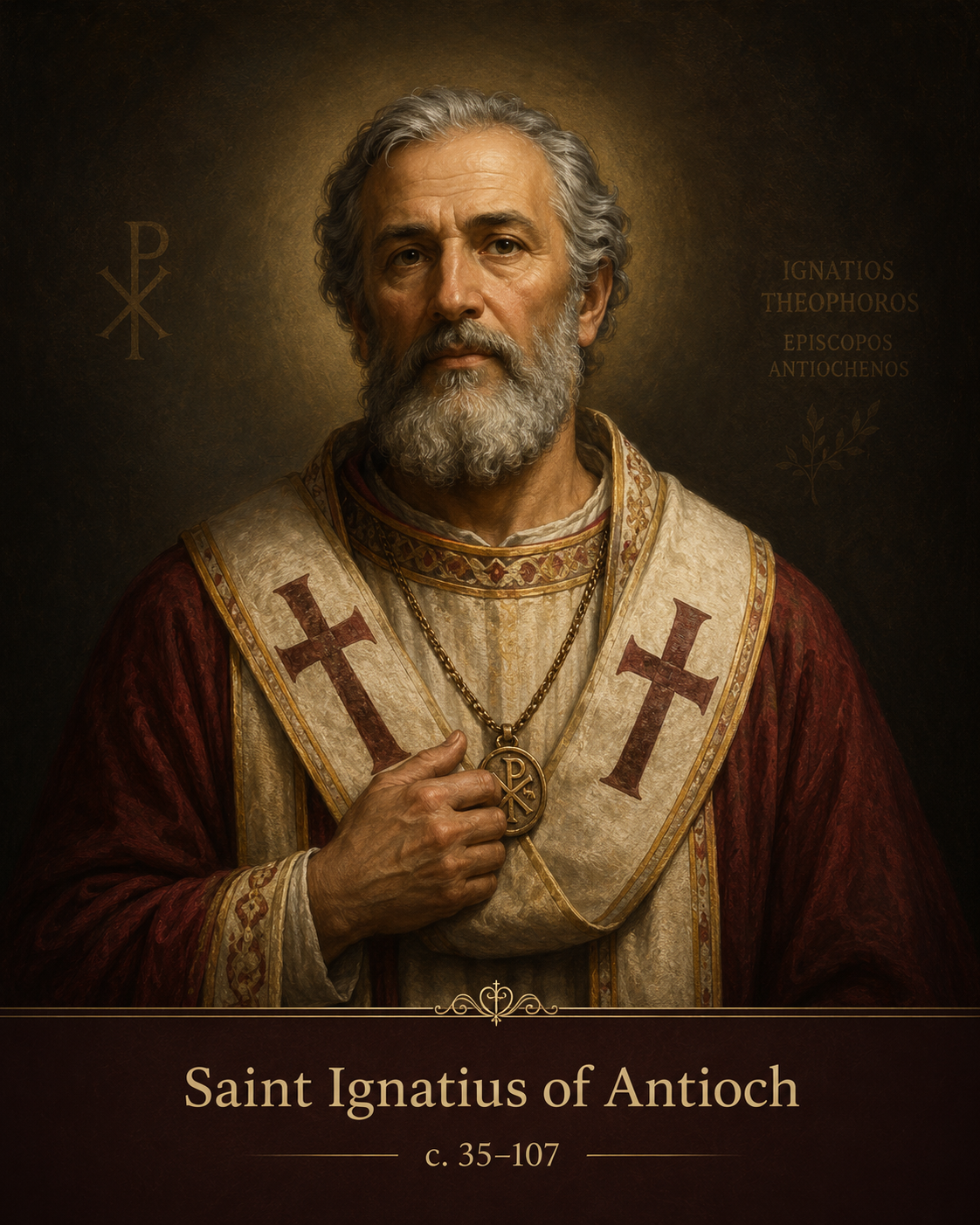 Sanctus Ignatius Antiochenusc. 35–107Patres Ecclesiae
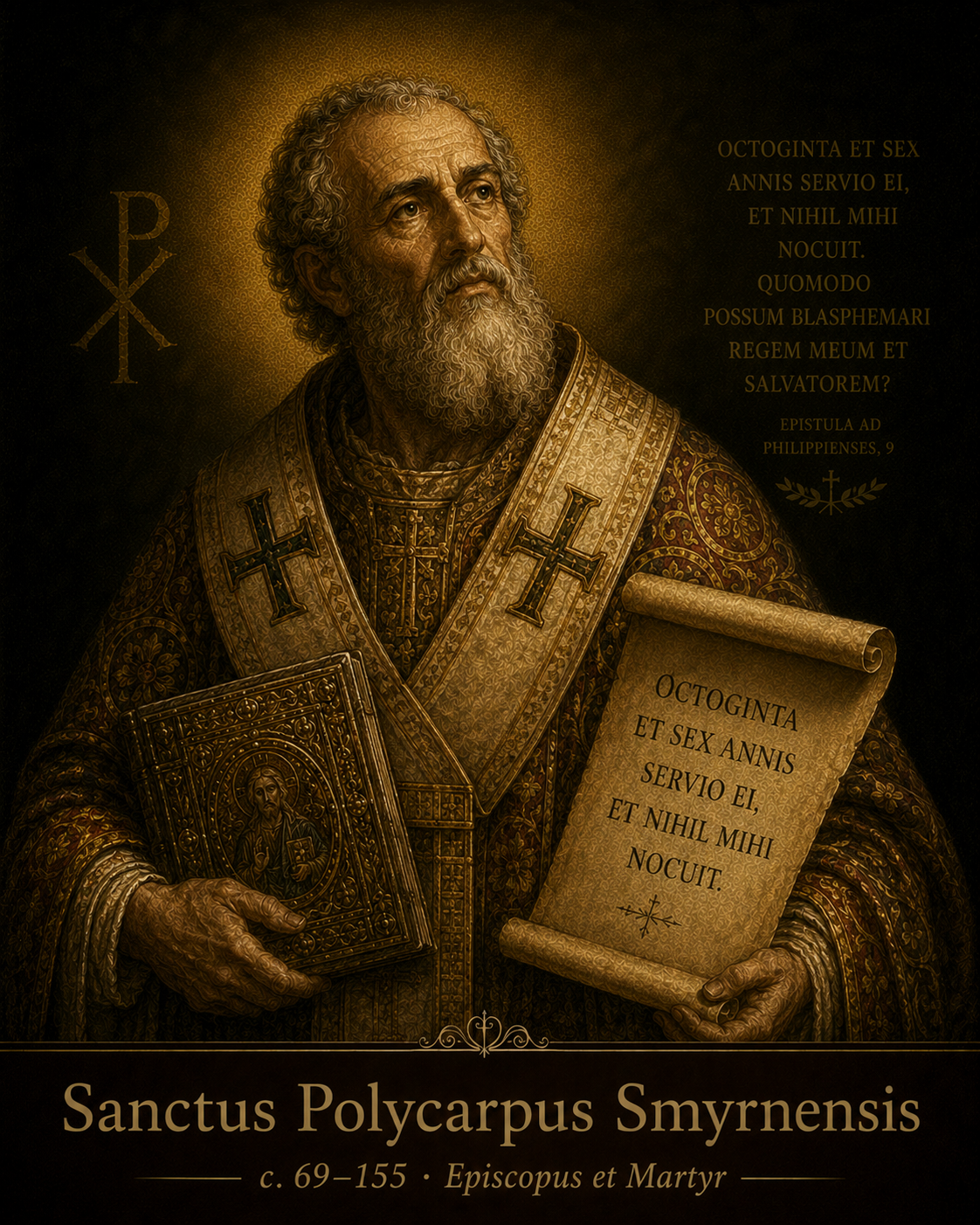 Sanctus Polycarpus Smyrnensisc. 69–155Patres Ecclesiae
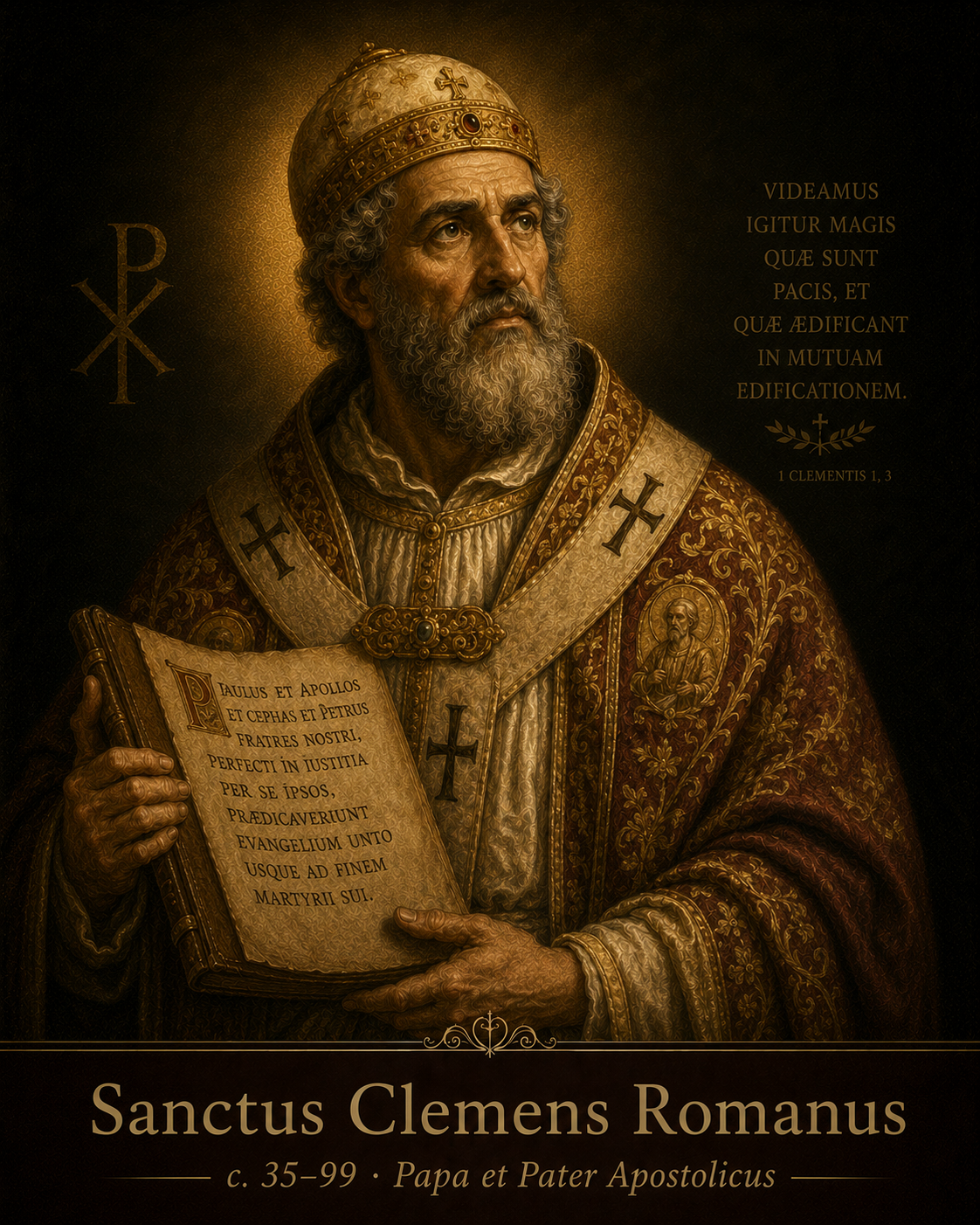 Sanctus Clemens Romanusc. 35–99Patres Ecclesiae
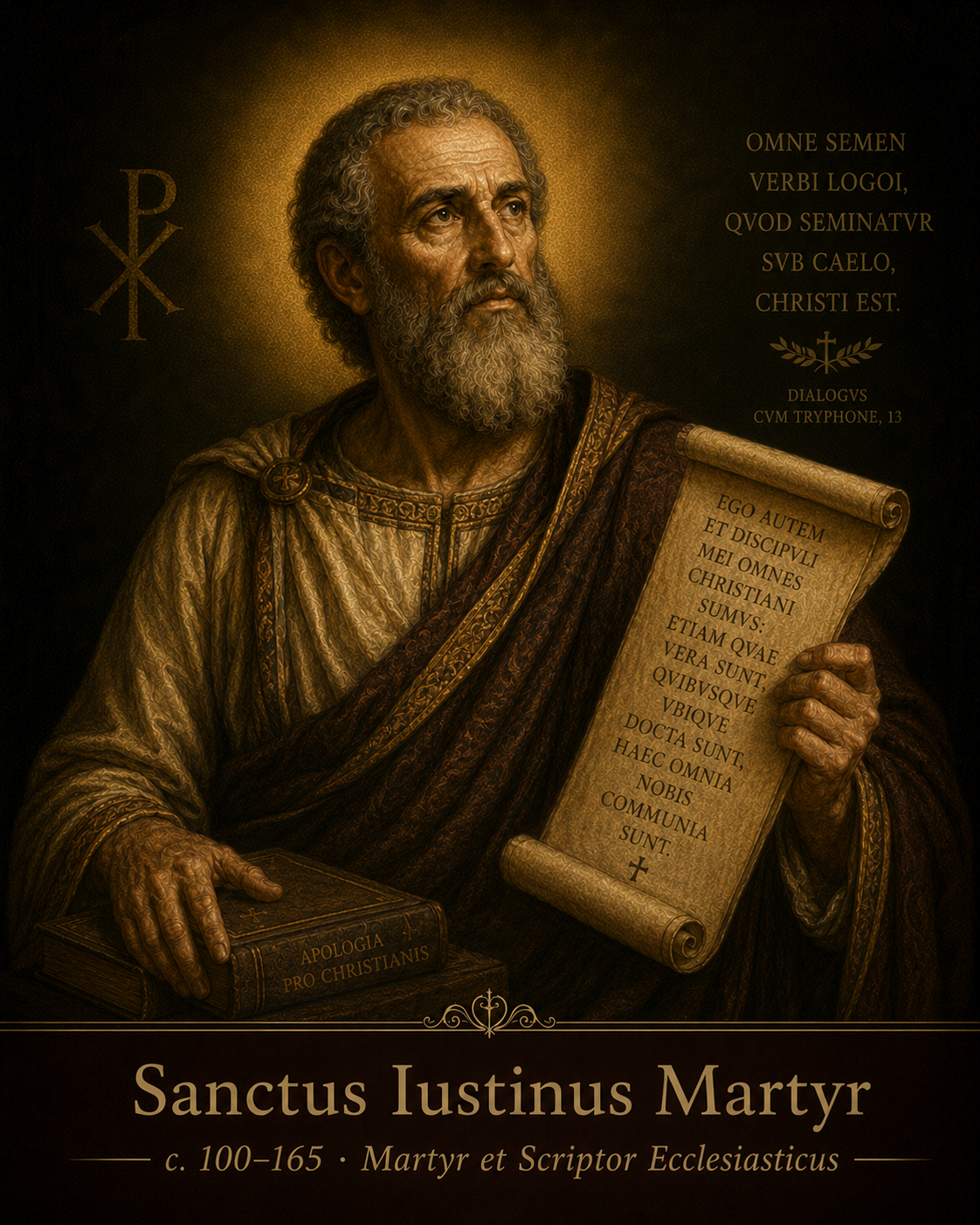 Sanctus Iustinus Martyrc. 100–165Patres Ecclesiae
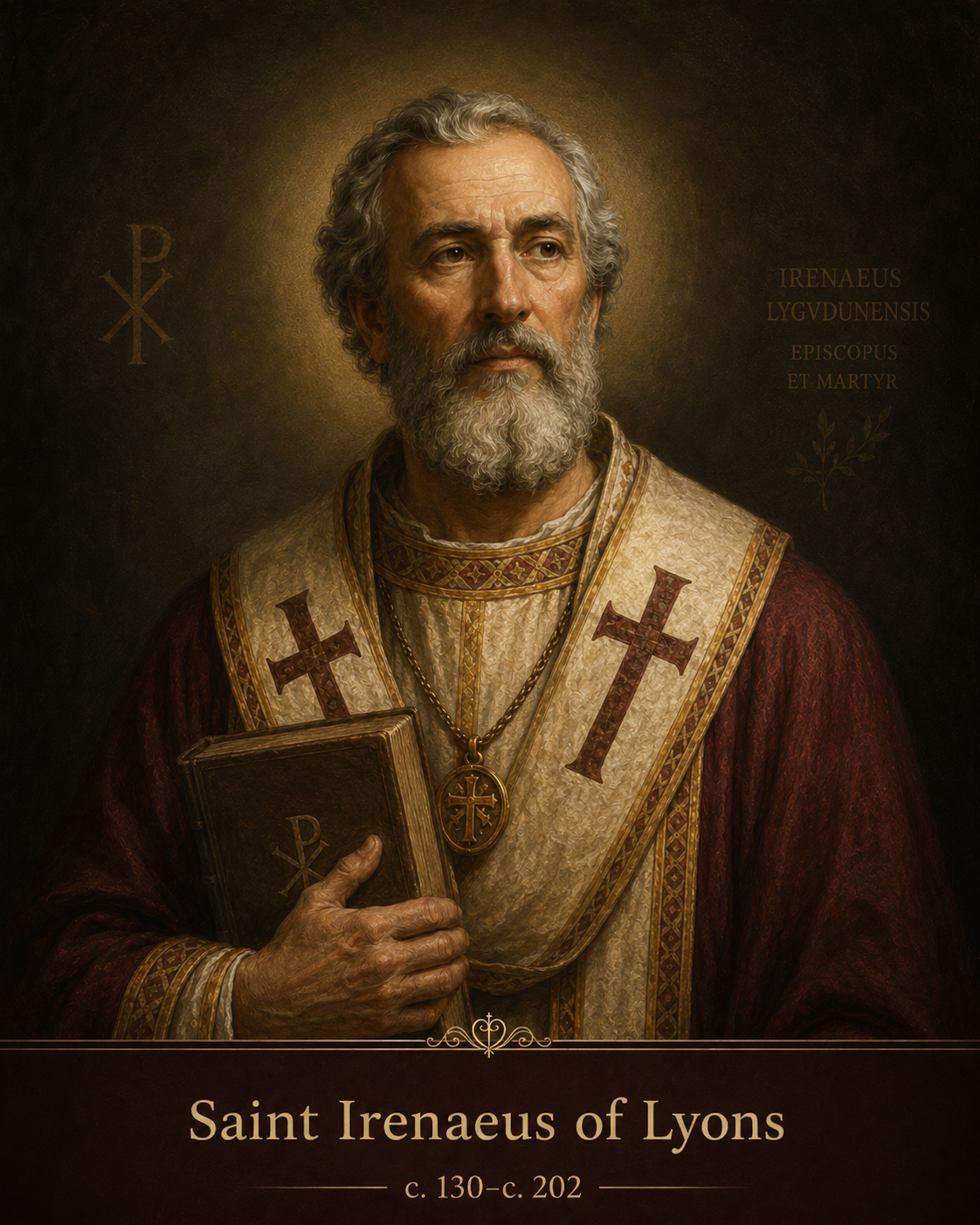 Sanctus Irenaeus Lugdunensisc. 130–202Patres Ecclesiae
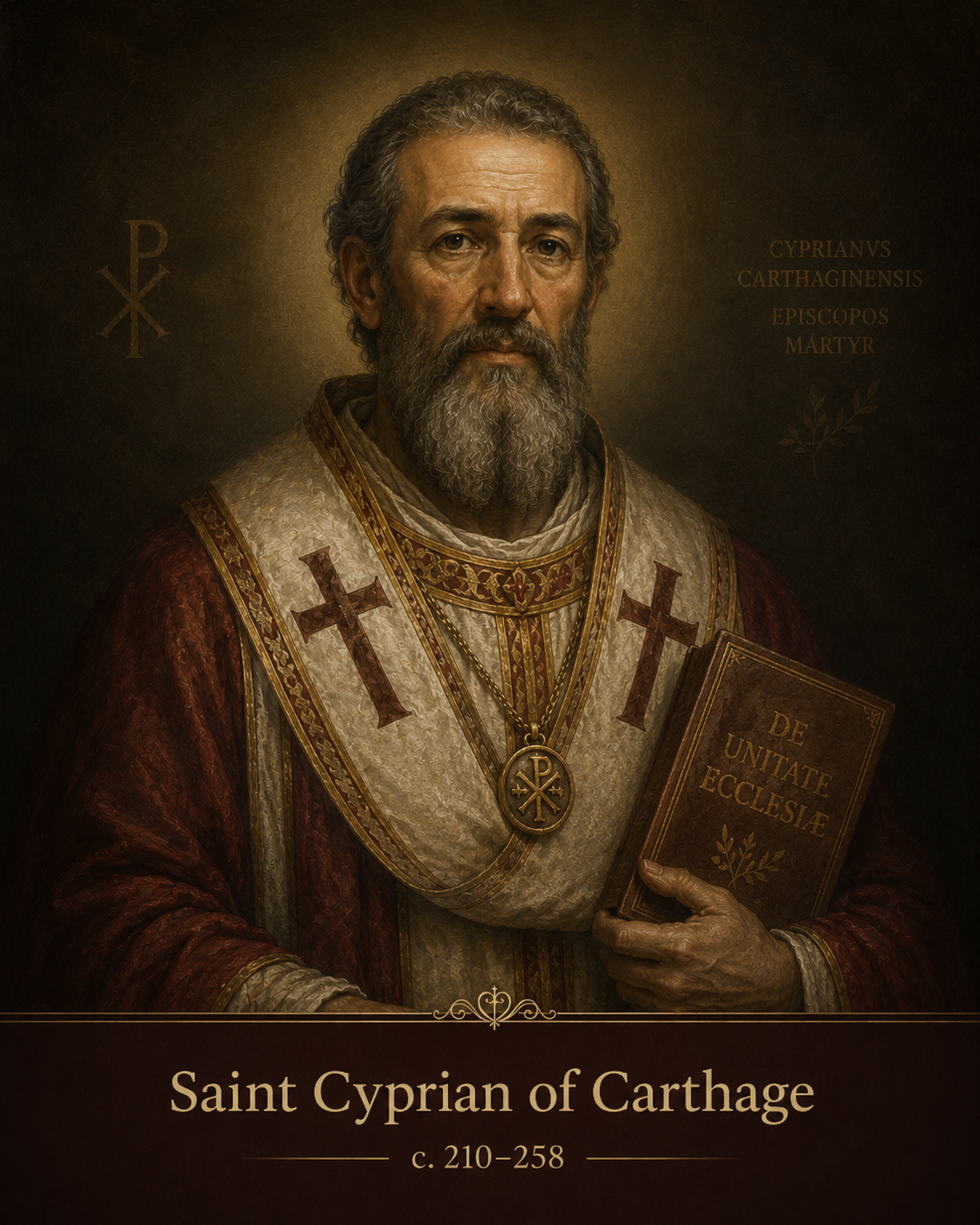 Sanctus Cyprianus Carthaginensisc. 210–258Patres Ecclesiae
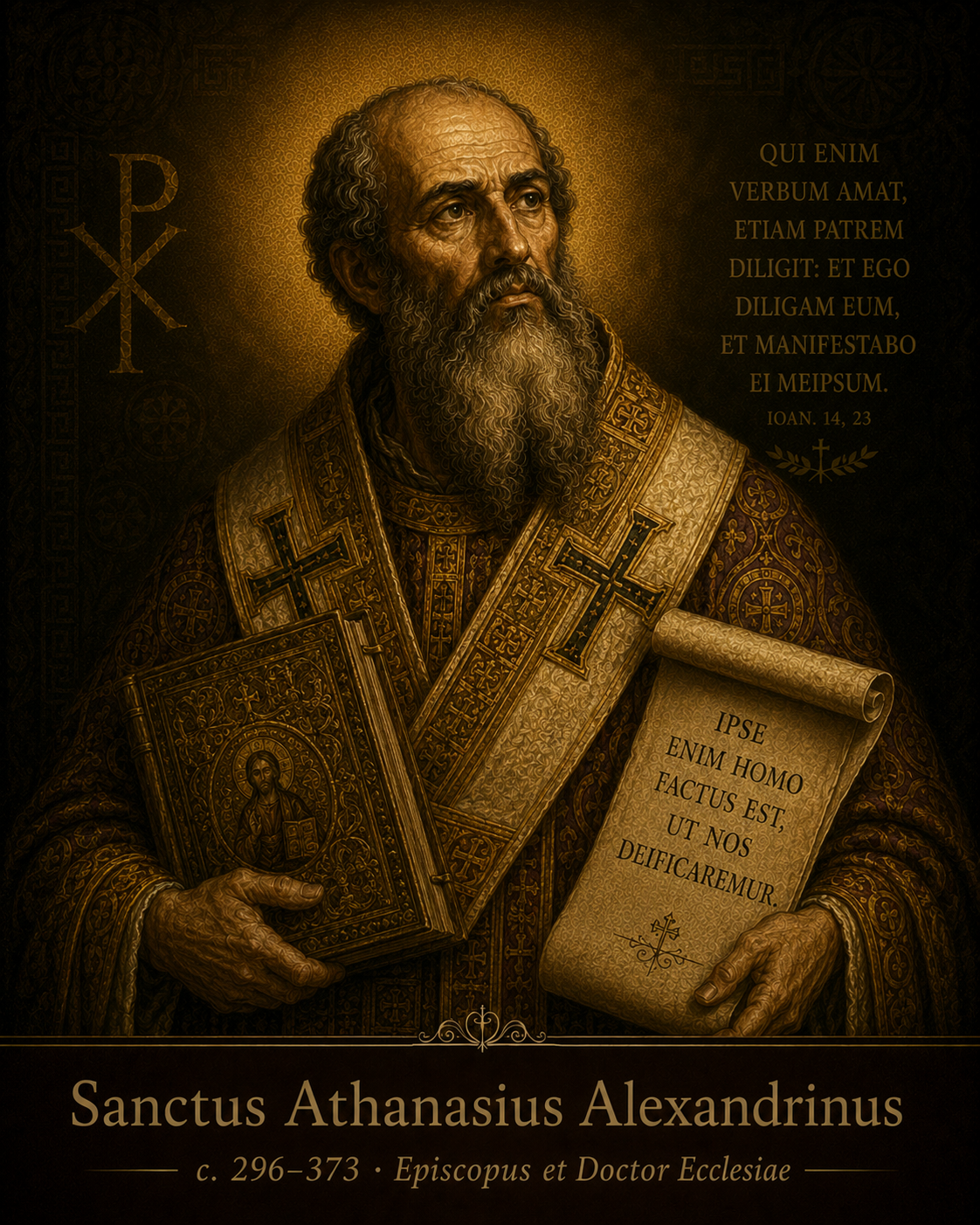 Sanctus Athanasius Alexandrinusc. 296–373Patres Ecclesiae
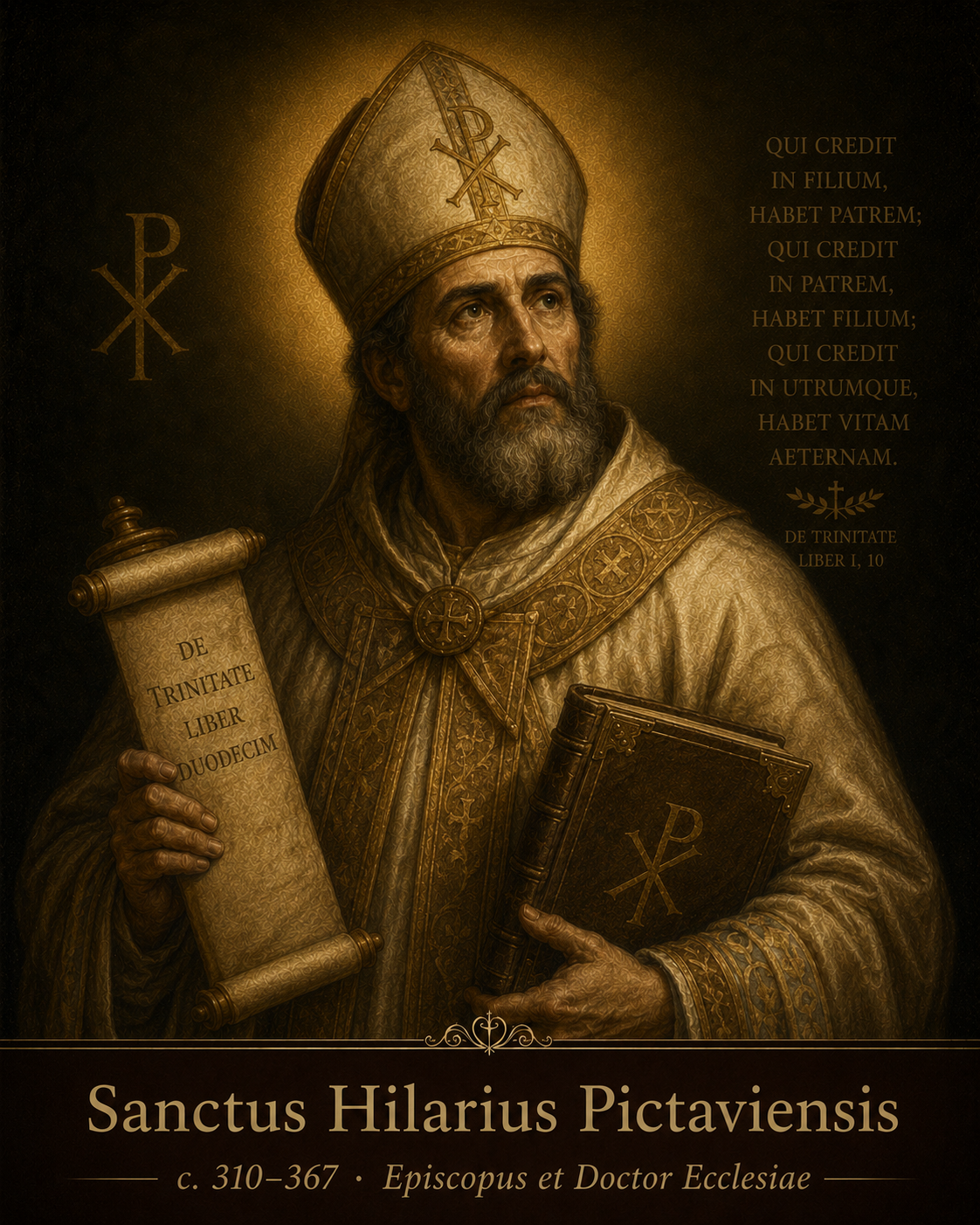 Sanctus Hilarius Pictaviensisc. 310–367Patres Ecclesiae
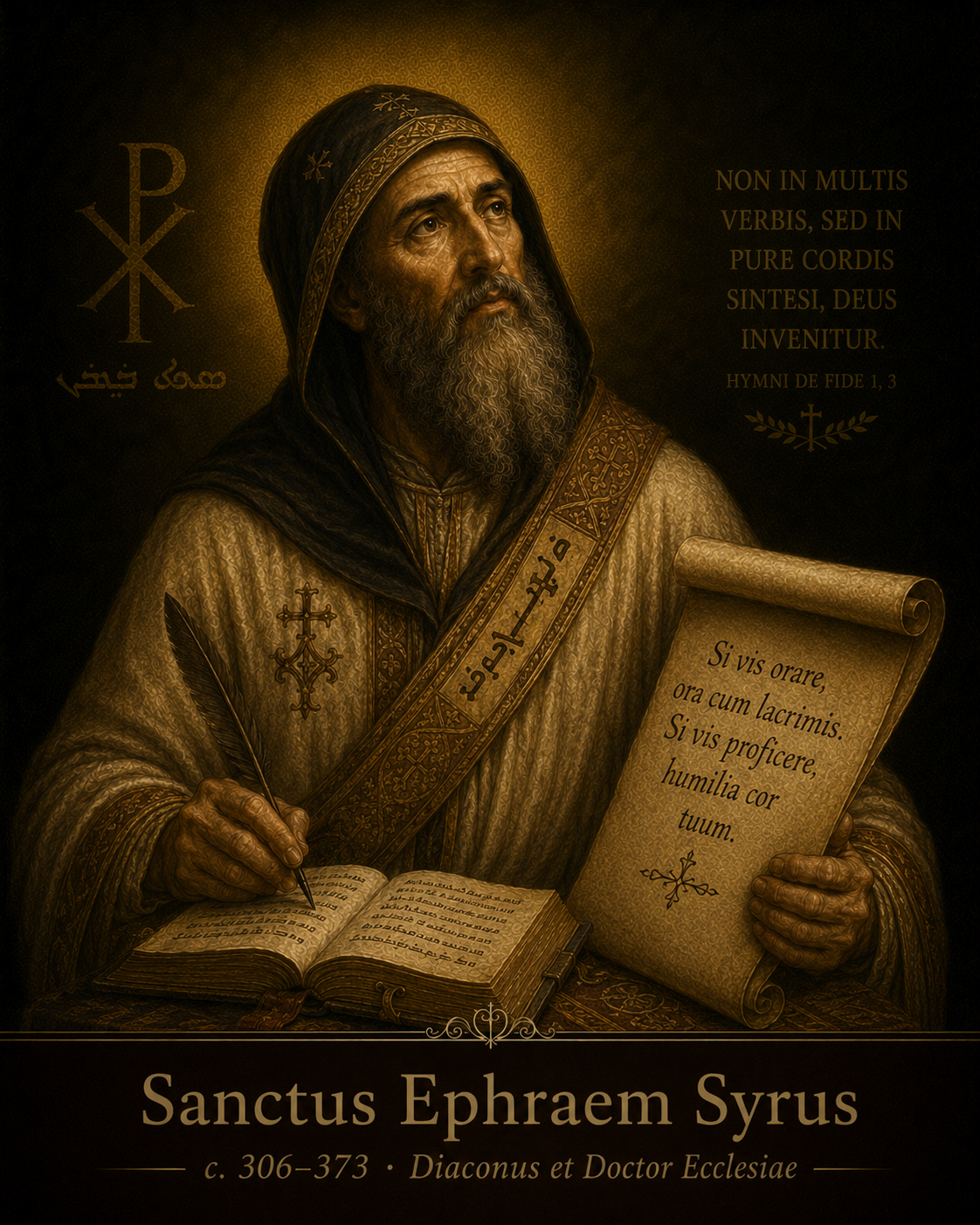 Sanctus Ephraem Syrusc. 306–373Patres Ecclesiae
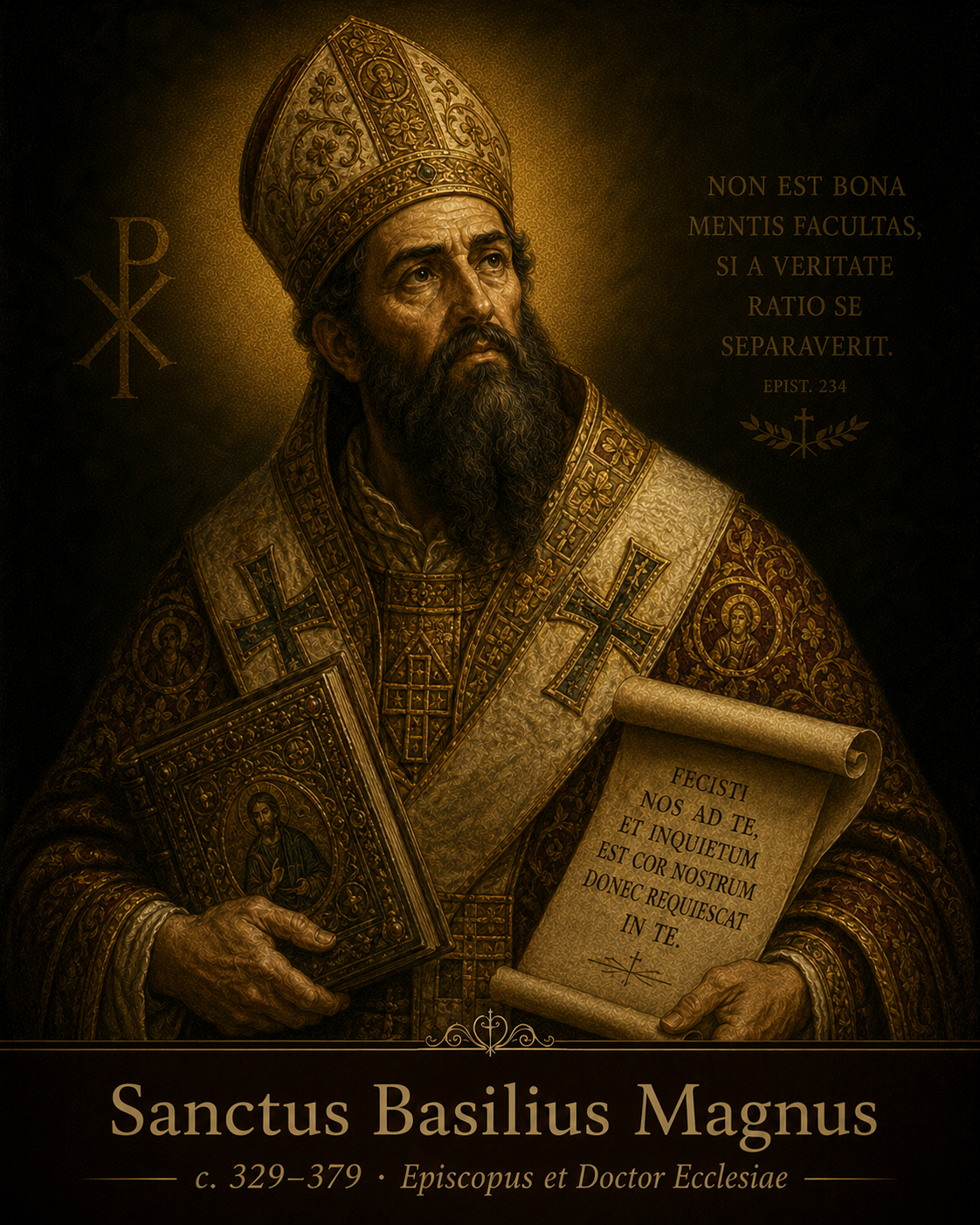 Sanctus Basilius Magnusc. 329–379Patres Ecclesiae
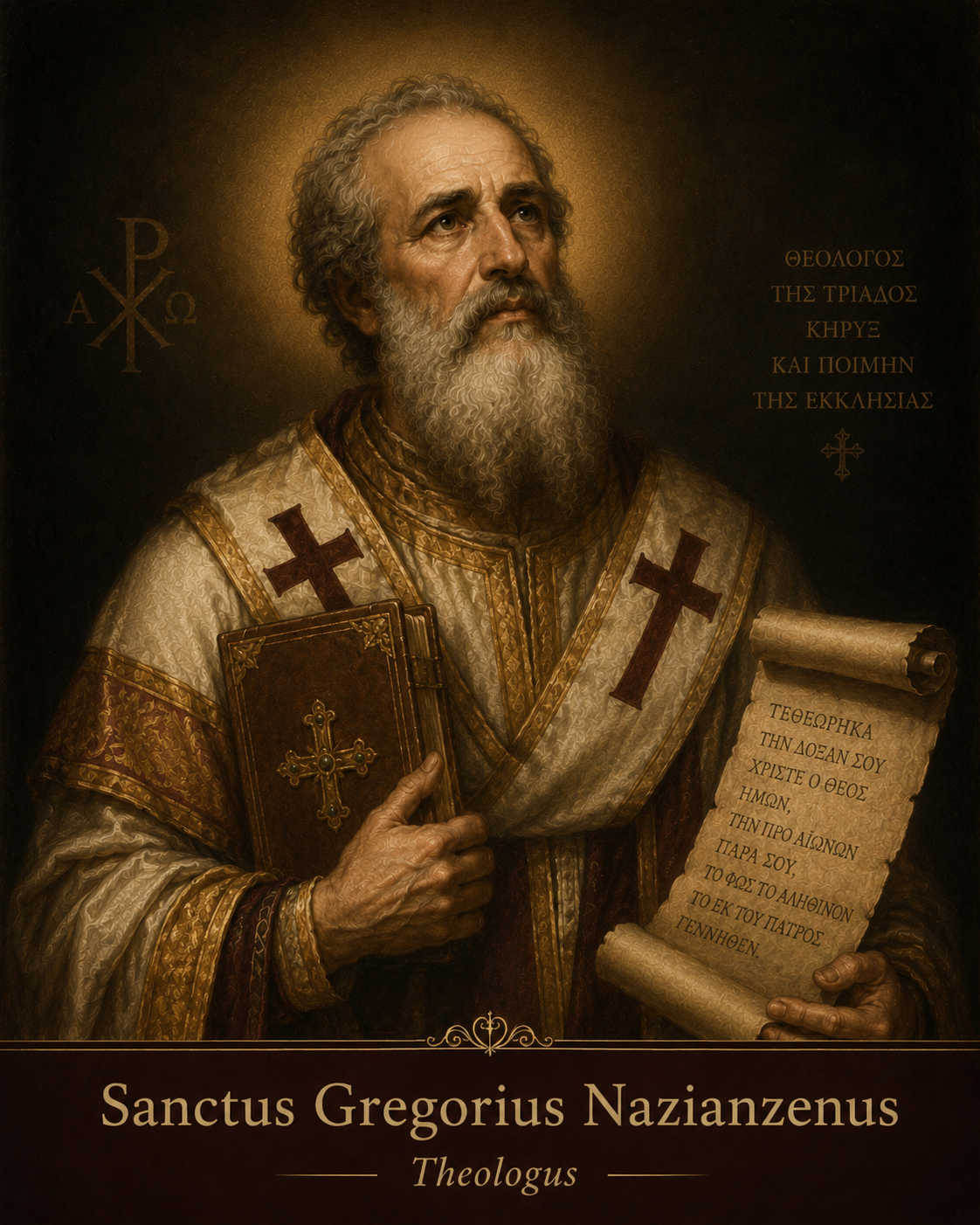 Sanctus Gregorius Nazianzenusc. 329–390Patres Ecclesiae
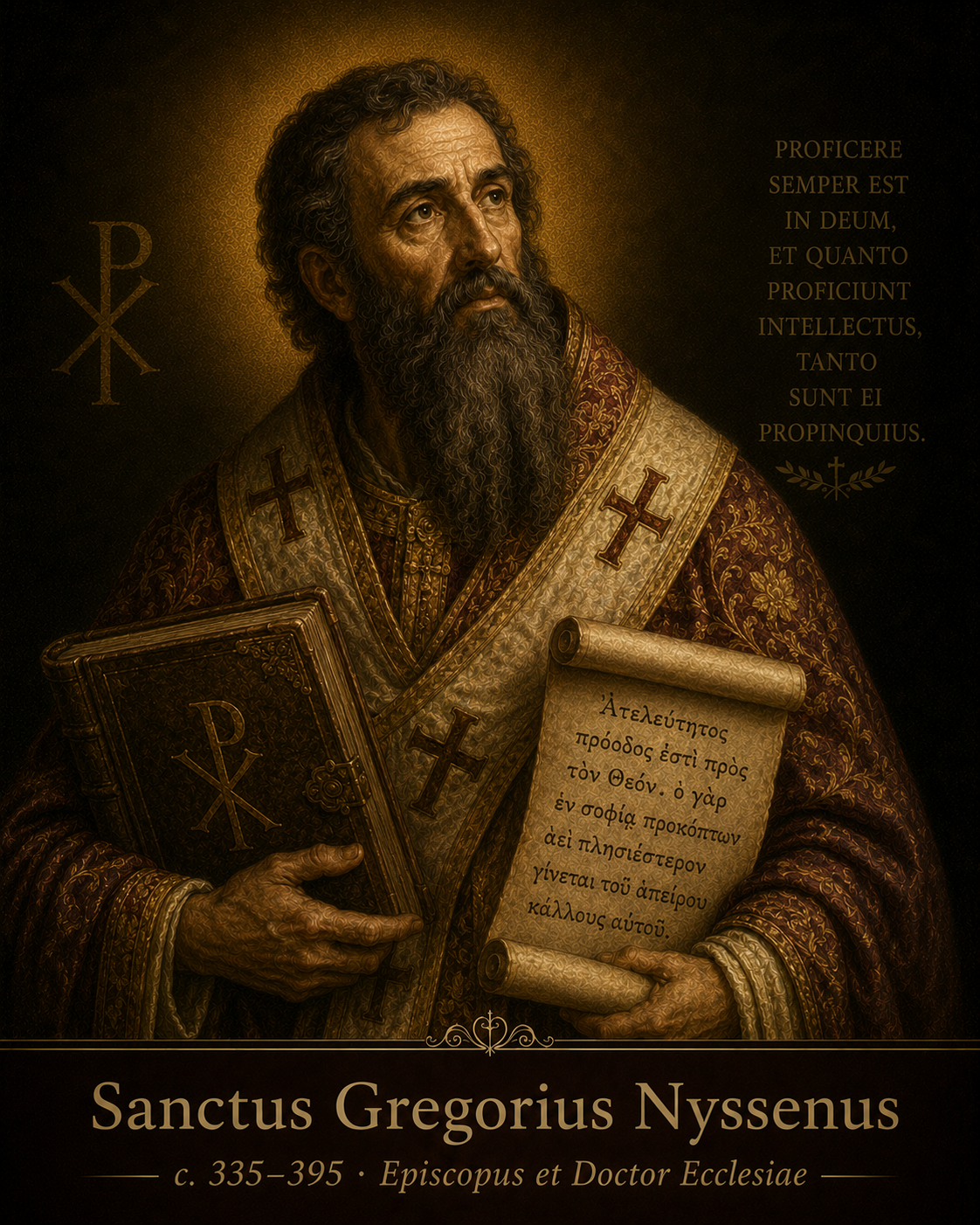 Sanctus Gregorius Nyssenusc. 335–395Patres Ecclesiae
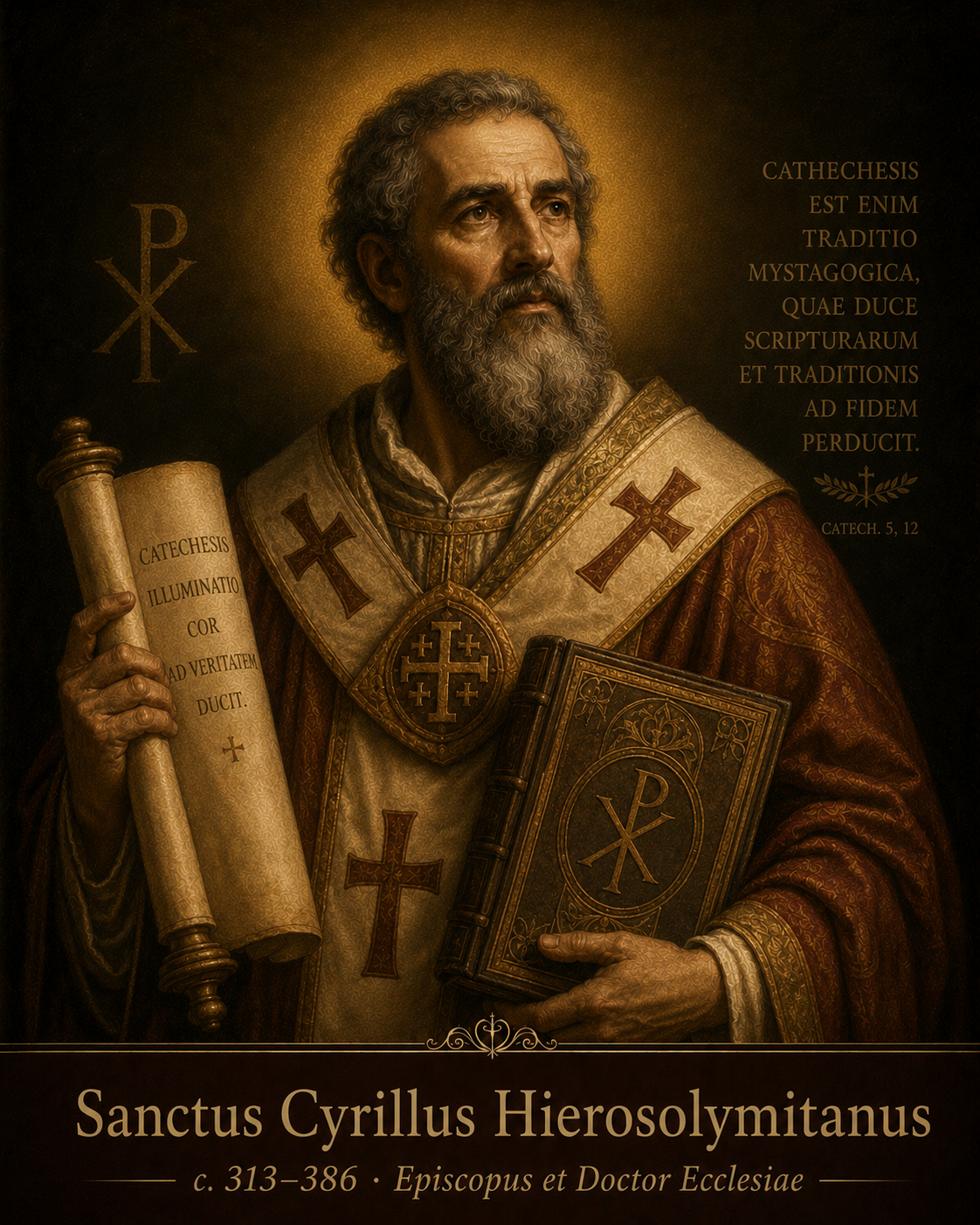 Sanctus Cyrillus Hierosolymitanusc. 313–386Patres Ecclesiae
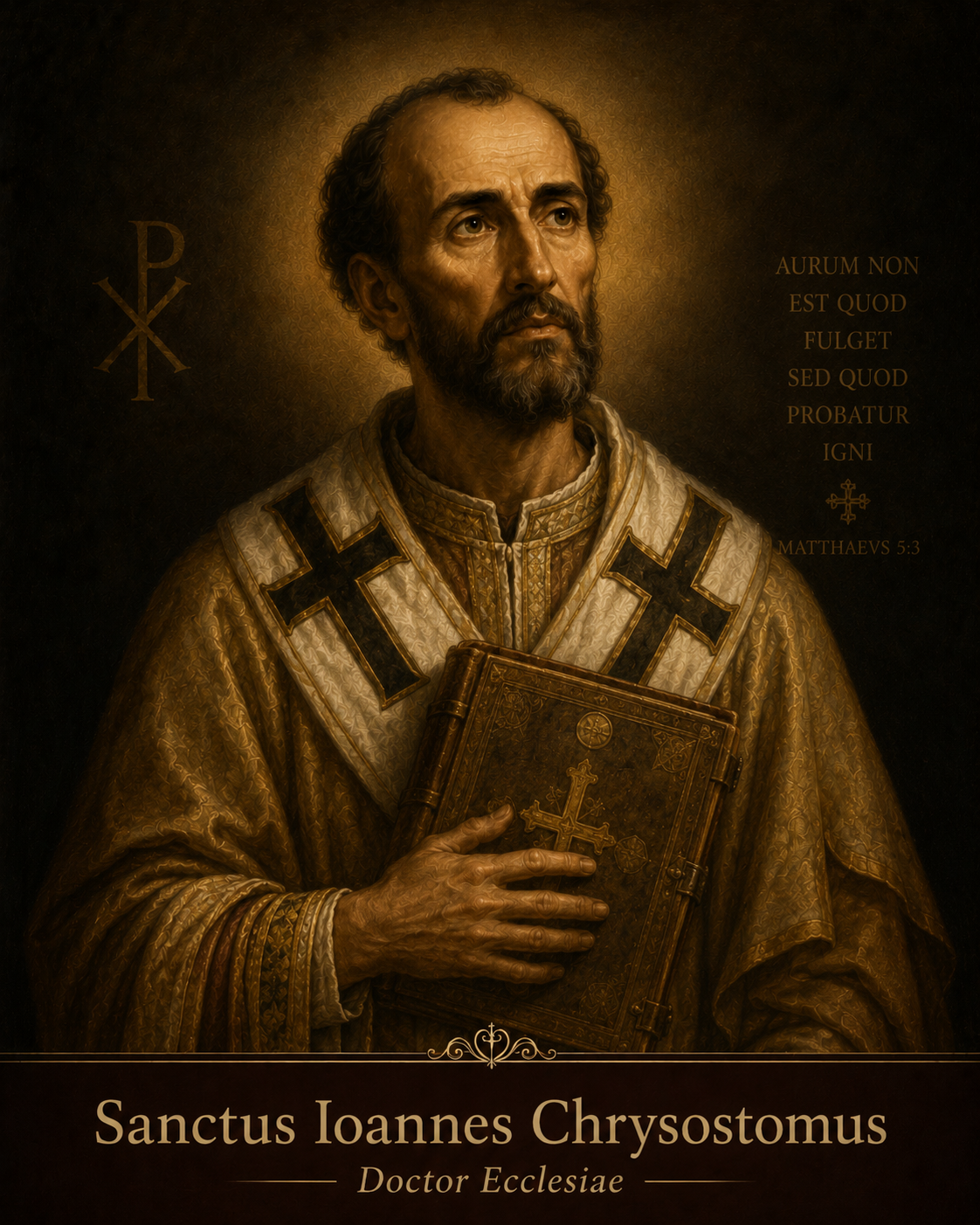 Sanctus Ioannes Chrysostomusc. 347–407Patres Ecclesiae
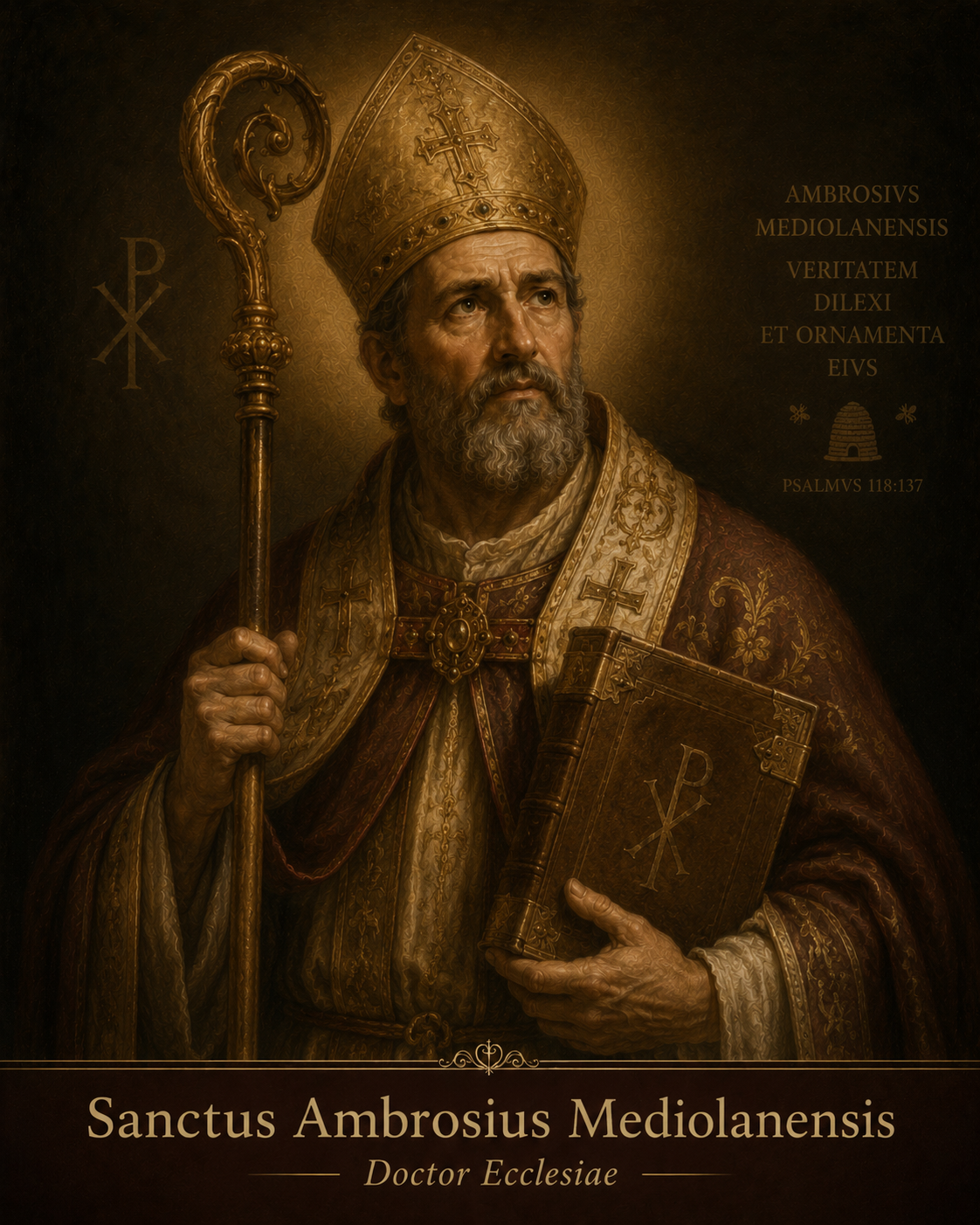 Sanctus Ambrosius Mediolanensisc. 339–397Patres Ecclesiae
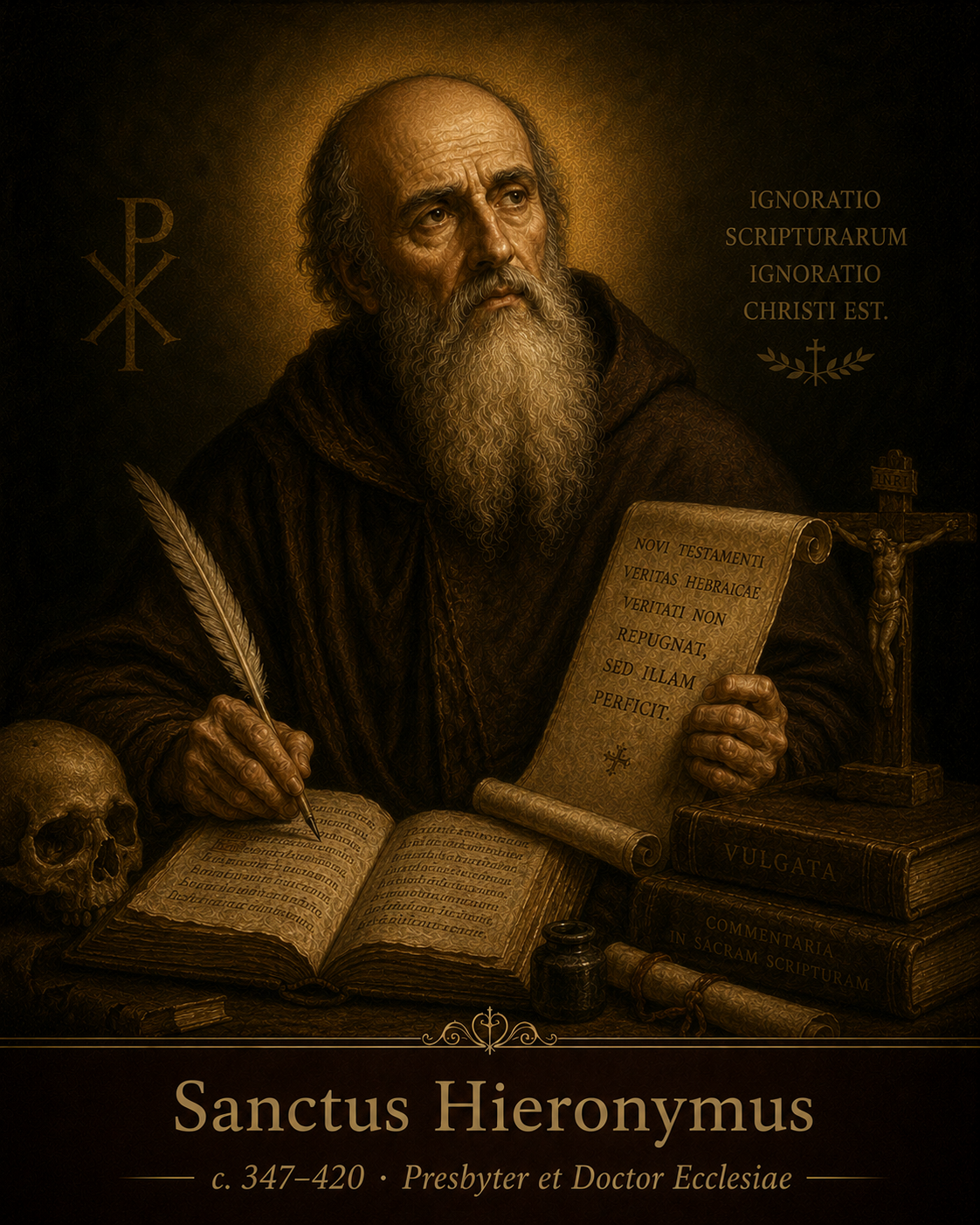 Sanctus Hieronymusc. 347–420Patres Ecclesiae
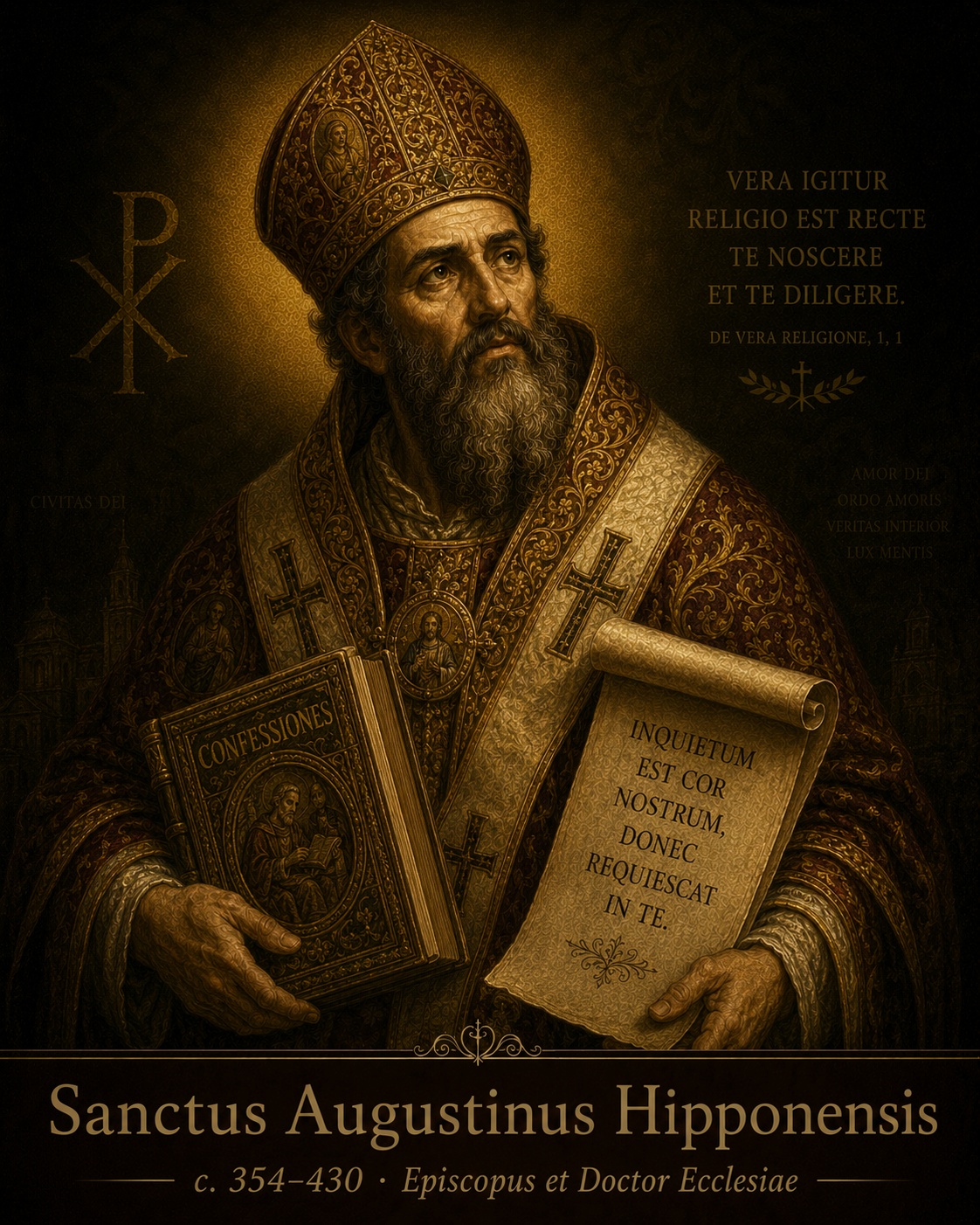 Sanctus Augustinus Hipponensisc. 354–430Patres Ecclesiae
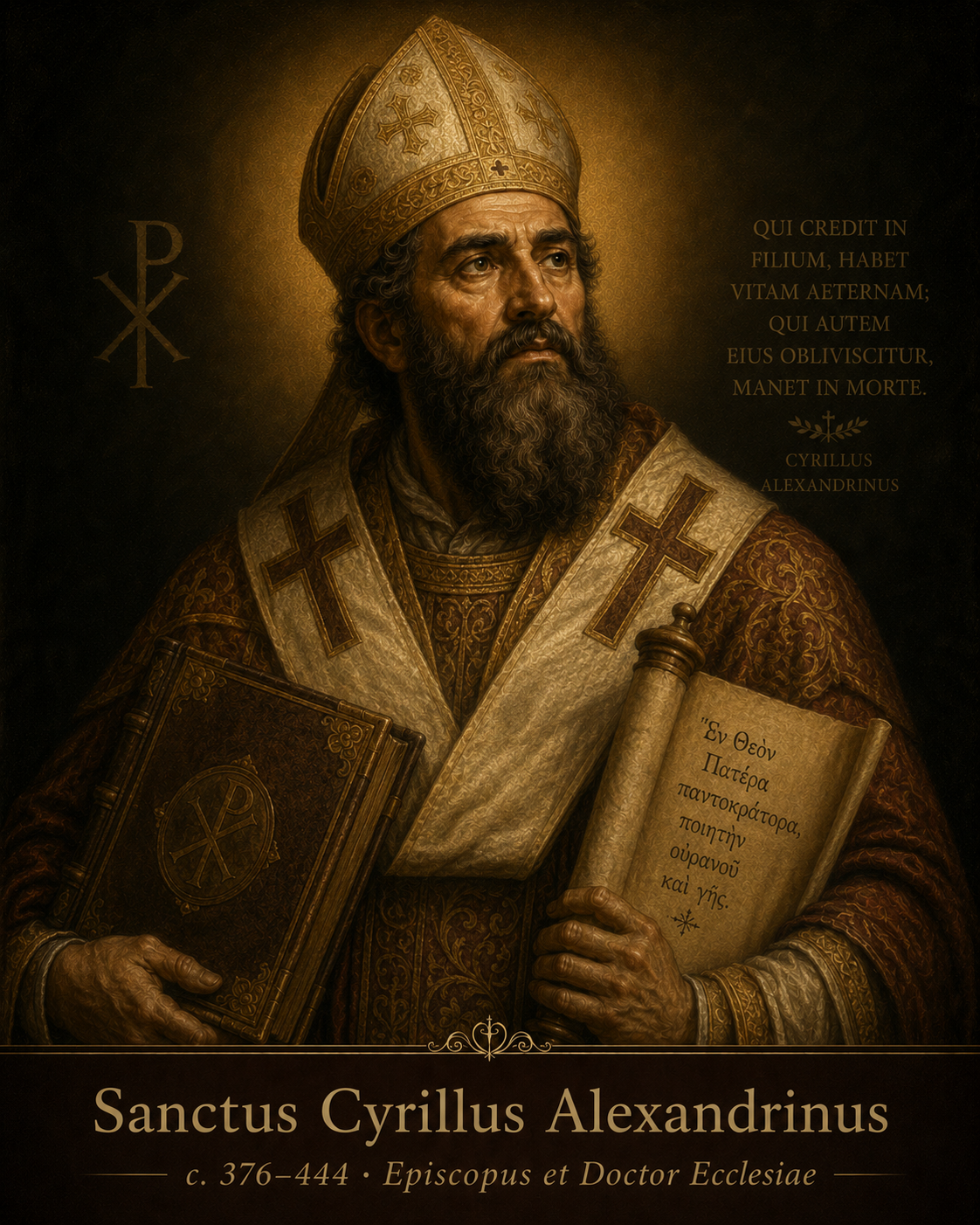 Sanctus Cyrillus Alexandrinusc. 376–444Patres Ecclesiae
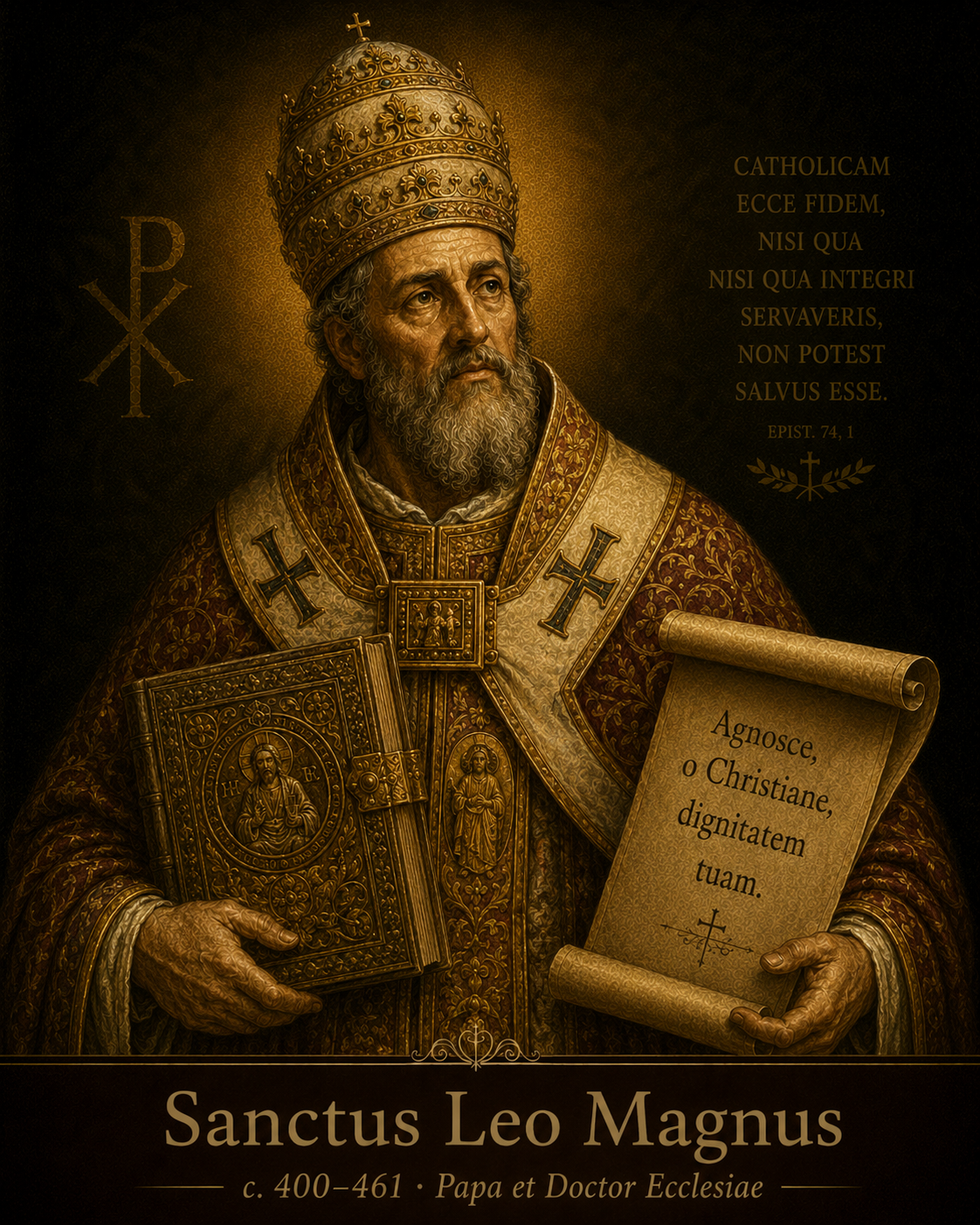 Sanctus Leo Magnusc. 400–461Patres Ecclesiae
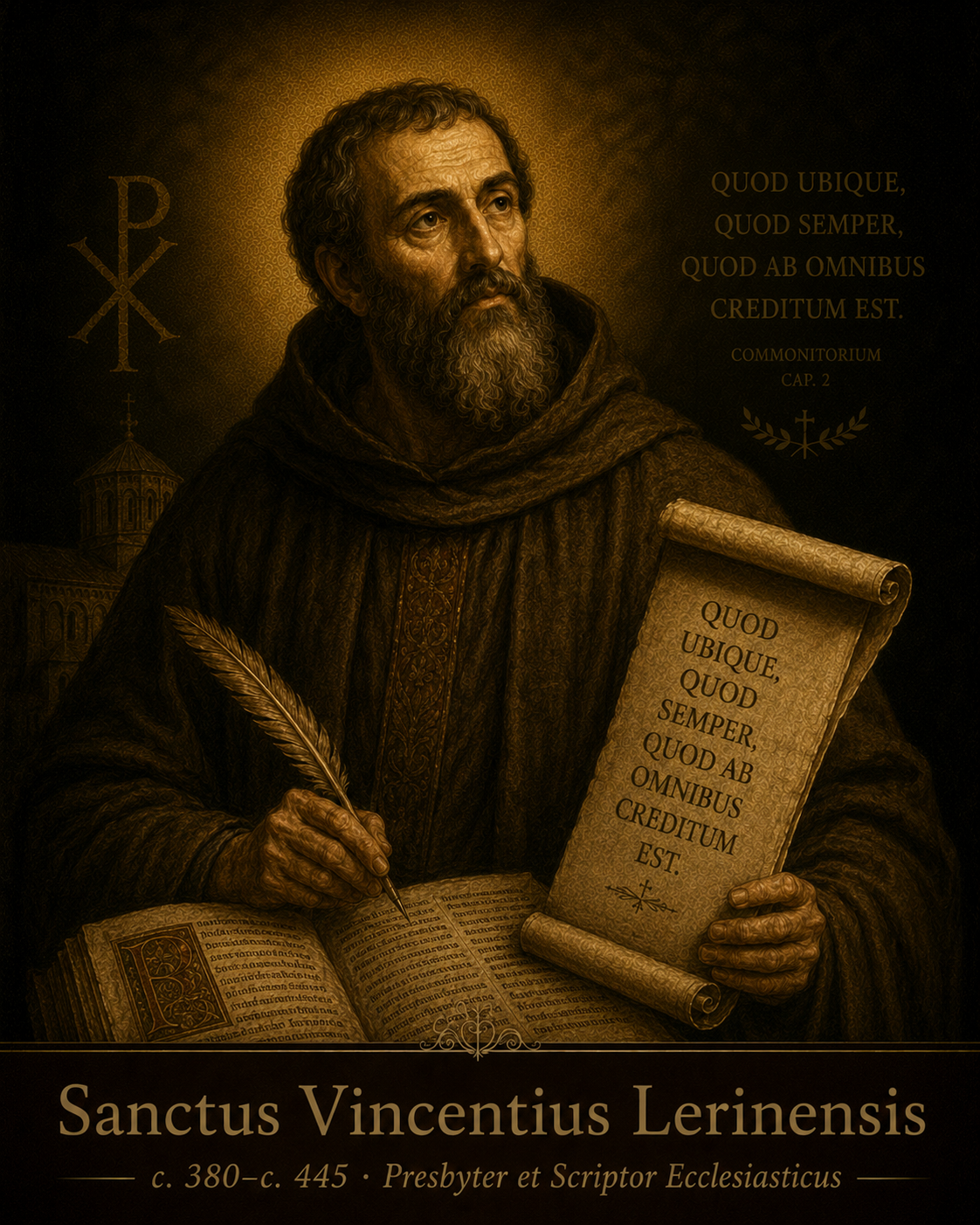 Sanctus Vincentius Lerinensisc. 380–445Patres Ecclesiae
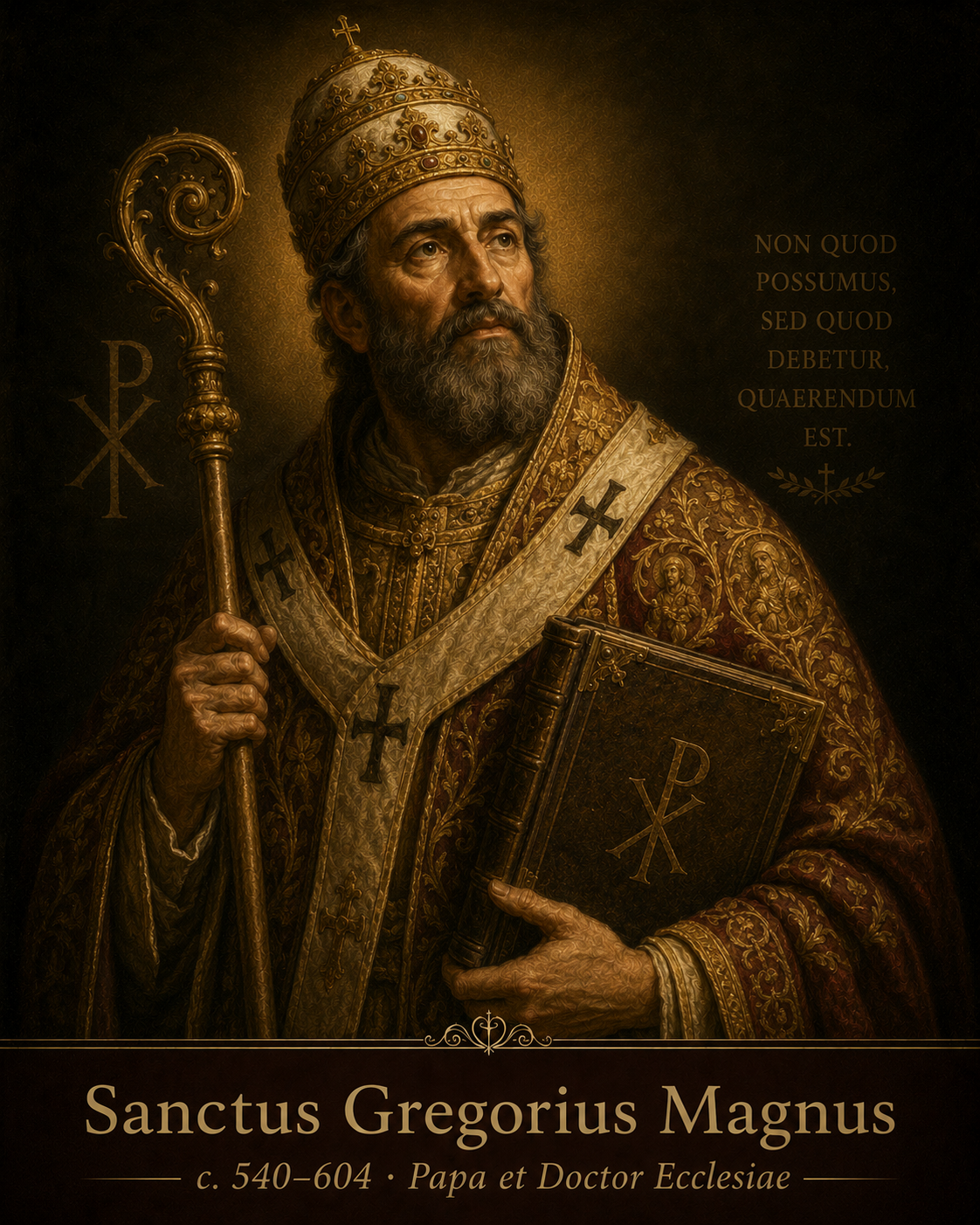 Sanctus Gregorius Magnusc. 540–604Patres Ecclesiae
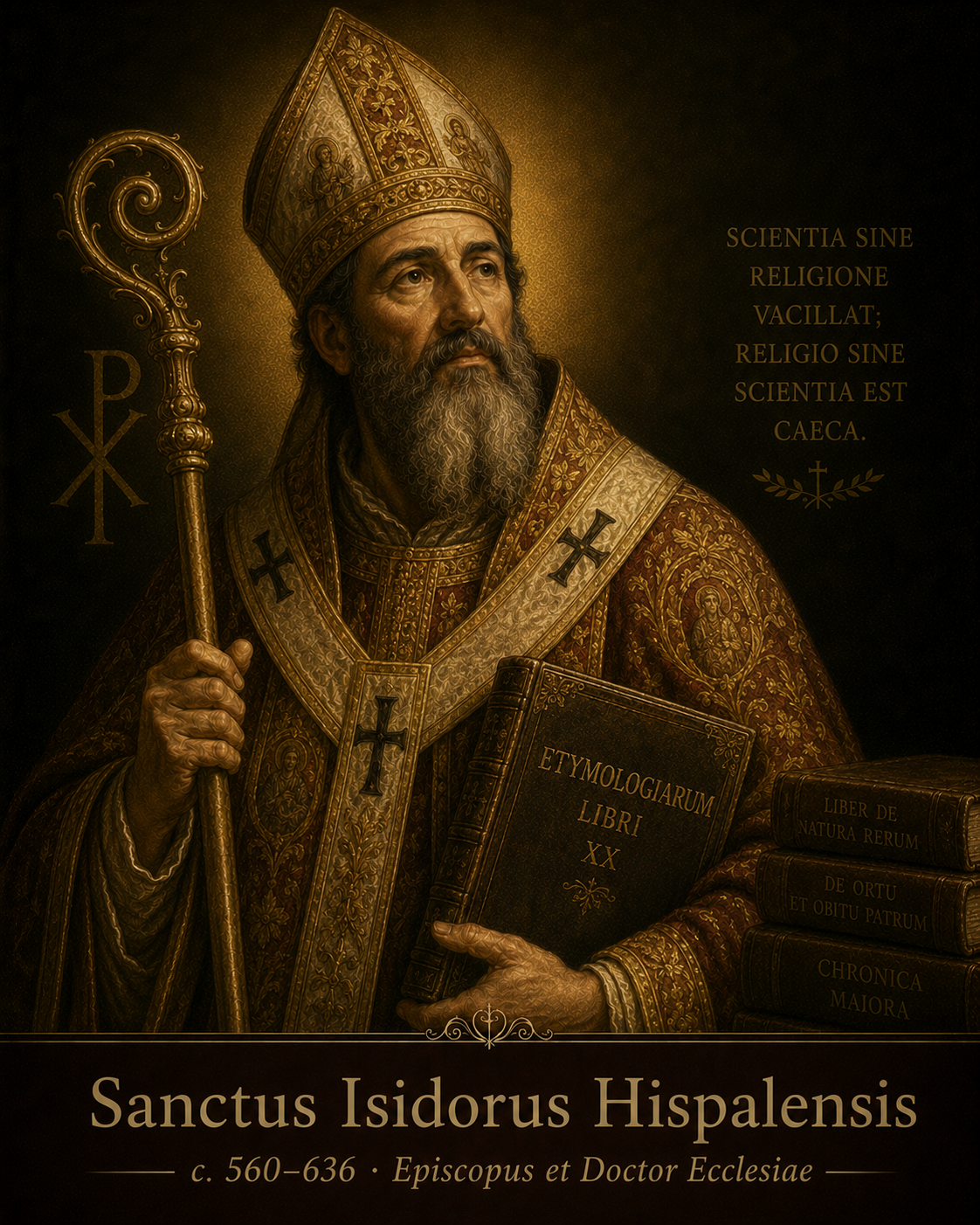 Sanctus Isidorus Hispalensisc. 560–636Patres Ecclesiae
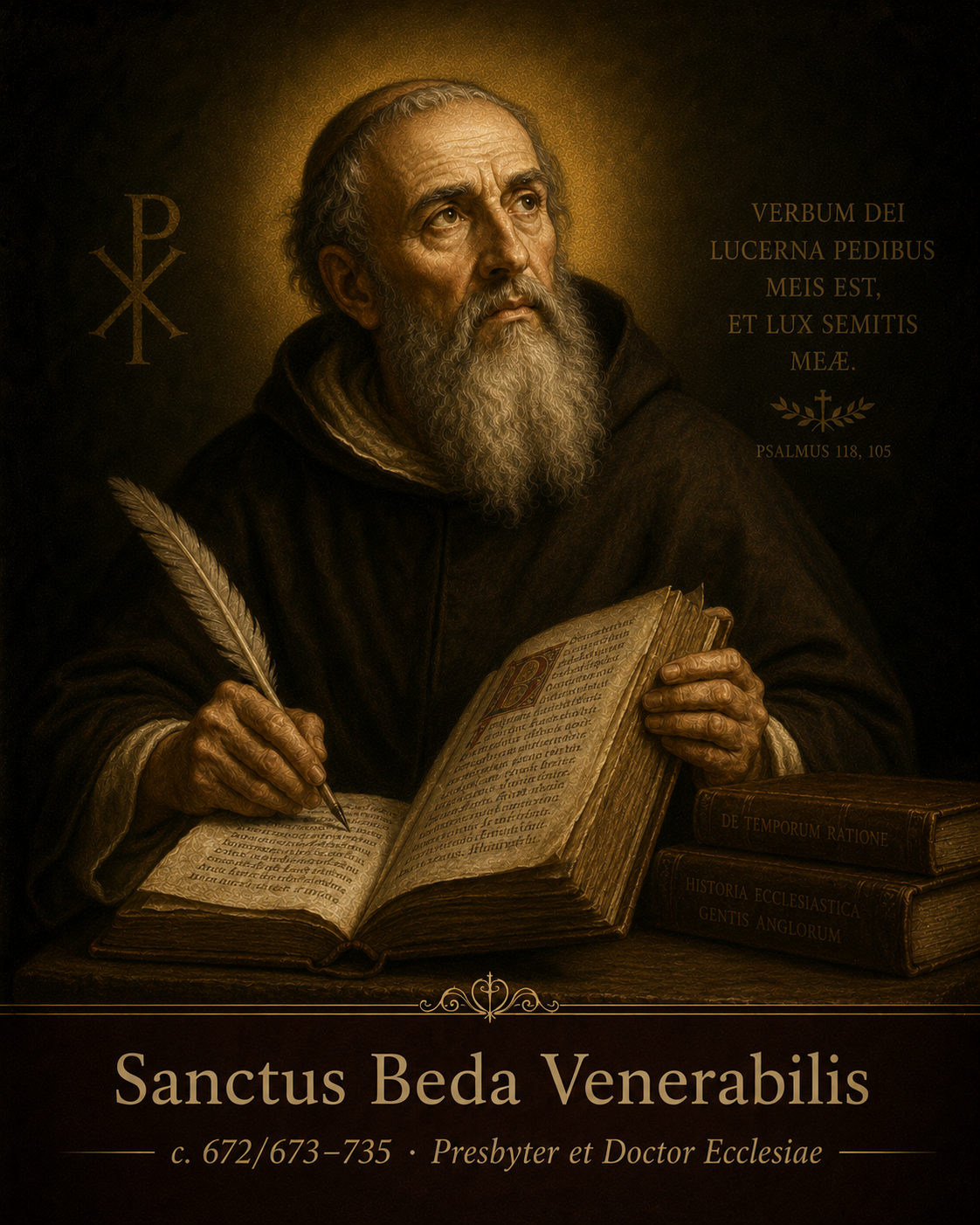 Sanctus Beda Venerabilisc. 672–735Patres Ecclesiae
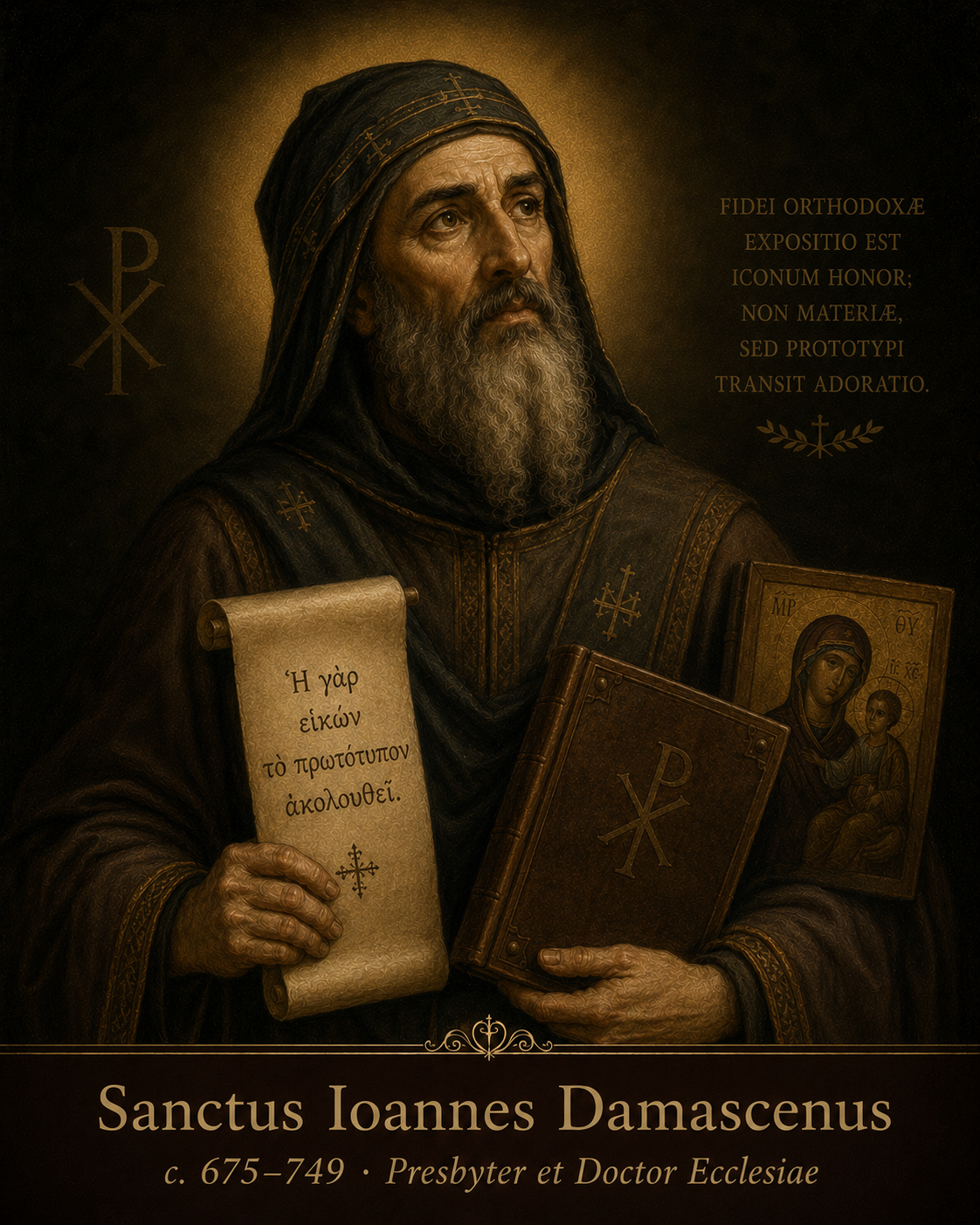 Sanctus Ioannes Damascenusc. 675–749Patres Ecclesiae
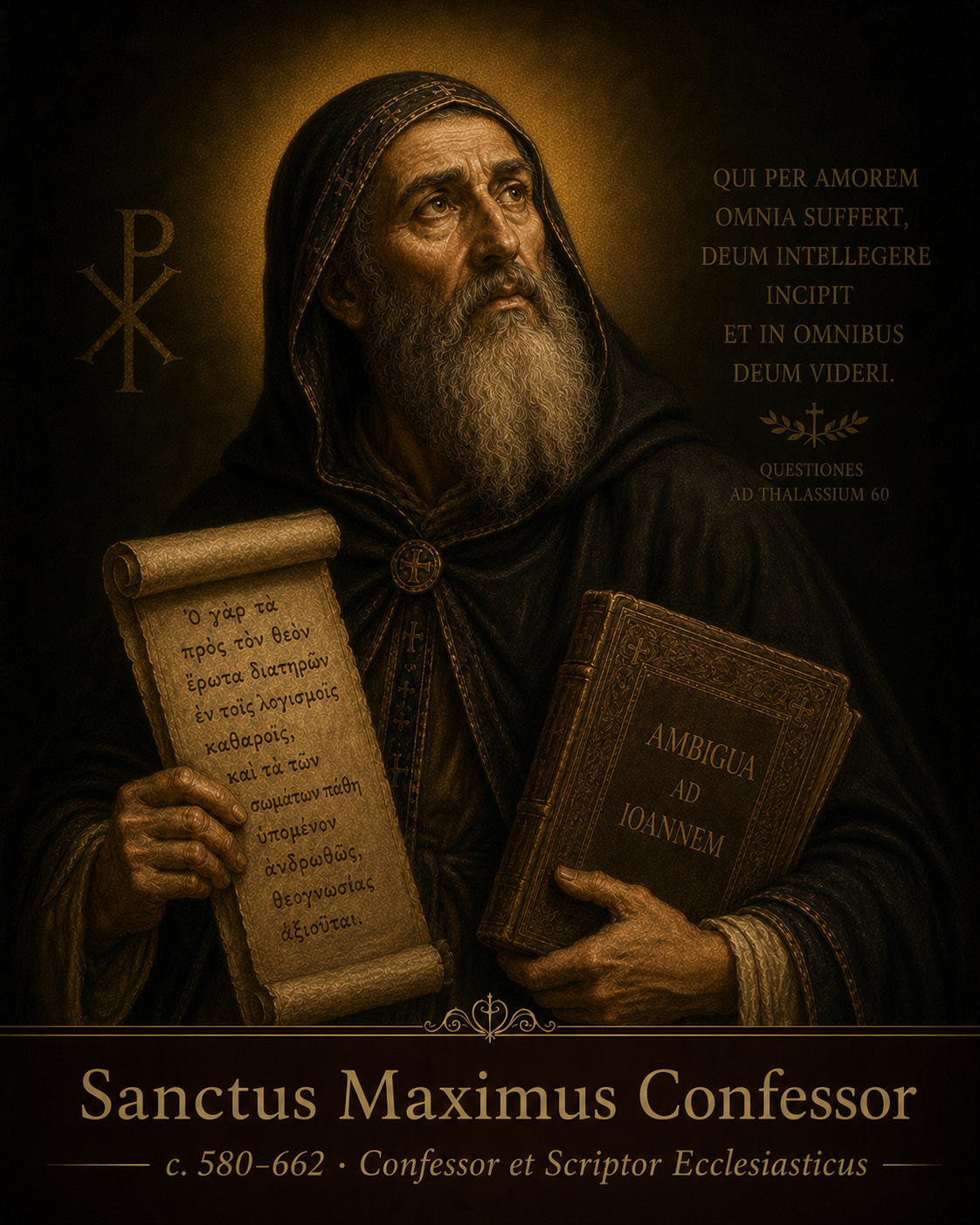 Sanctus Maximus Confessorc. 580–662Patres Ecclesiae
Scripture and catechesis
The reader covers the Catholic canon book by book and chapter by chapter, with Greek source text, the Vulgate, selectable vernacular text and notes.
Study the Roman Catechism of Trent, the Catechism of St Pius X, the Basel catechetical tradition and additional catechetical witnesses in one ordered library.
Patristic witnesses are ordered by author, work, language and doctrinal theme.
Original Greek and Latin witnesses are placed beside the vernacular text so the antiquity of the Catholic claim remains visible.
Traditionem apostolorum manifestatam in toto mundo in omni Ecclesia adest perspicere.
The tradition of the apostles, manifested throughout the world, can be seen in every Church.
Irenaeus of Lyon · c. 130–c. 202 · Adversus Haereses III · Latin transmission of Greek originalCultus Divinus
Open the local Missale reader for the traditional Roman Rite.
Read the traditional Roman hours from the local corpus.
Navigate fixed and movable feasts and follow the day into the Mass and Office.
Media and public mission
Featured Catholic media leads visitors into the media platform, creator channels and teaching series.
Catechism, Bible study, apologetics, philosophy, theology and Church history are arranged as serious learning tracks.
Profiles, groups, parishes, apostolates, schools, research circles and creators are organized for serious exchange.
Original Greek and Latin witnesses are placed beside the vernacular text so the antiquity of the Catholic claim remains visible.
Habere iam non potest Deum patrem, qui Ecclesiam non habet matrem.
He can no longer have God as Father who does not have the Church as Mother.
Cyprian of Carthage · c. 200–258 · De unitate Ecclesiae · LatinFeatured Catholic media
A visual path through Scripture, Tradition, apostolic succession and the sacraments.
One article of the Creed at a time, connected to Scripture and catechism.
Gregorian chant, polyphony and devotional music organized for prayer and learning.
Reasoned answers to common objections against Catholic doctrine and history.
Introduction to the Catholic Religion
Creation, grace, Scripture, Tradition and the certainty of divine revelation.
The Incarnation, redemption, the visible Church, hierarchy and the four marks.
The sacramental economy, the Holy Sacrifice of the Mass and the sanctification of time.
Commandments, virtues, prayer, vocation and the life of grace.
Original Greek and Latin witnesses are placed beside the vernacular text so the antiquity of the Catholic claim remains visible.
Αὐτὸς γὰρ ἐνηνθρώπησεν, ἵνα ἡμεῖς θεοποιηθῶμεν.
He became man that we might be made divine.
Athanasius of Alexandria · c. 296–373 · De Incarnatione 54 · GreekMagisterium and law
Papal and conciliar documents are ordered by pope, document type, language and subject.
The canons are arranged for comparison of the Latin source and available vernacular editions.
The scholastic order of St Thomas gives doctrine a precise architecture of questions, articles and replies.
Web and app together
The same Catholic source structure, study pages, media paths and community areas open in the browser and as an installable web app.
Scripture · Catechism · Fathers · Media · Network
Original Greek and Latin witnesses are placed beside the vernacular text so the antiquity of the Catholic claim remains visible.
Quod ubique, quod semper, quod ab omnibus creditum est.
That which has been believed everywhere, always and by all.
Vincent of Lérins · d. before 450; Commonitorium c. 434 · Commonitorium · LatinKatholon distinguishes Scripture, Tradition, Magisterium, catechesis, scholarship, news, creator media and commerce so that readers can always see what kind of content they are reading.
Search the public structure by theme, page and section.
Apostolate
The path of apologetics does not end in an argument, but in mission: the truth of Christ is to be known, taught, defended, lived and baptized — unto the ends of the earth.